Skip to content

Heidi Bucher

Art Sonje Center

Seoul

Mar 28–Jun 25, 2023

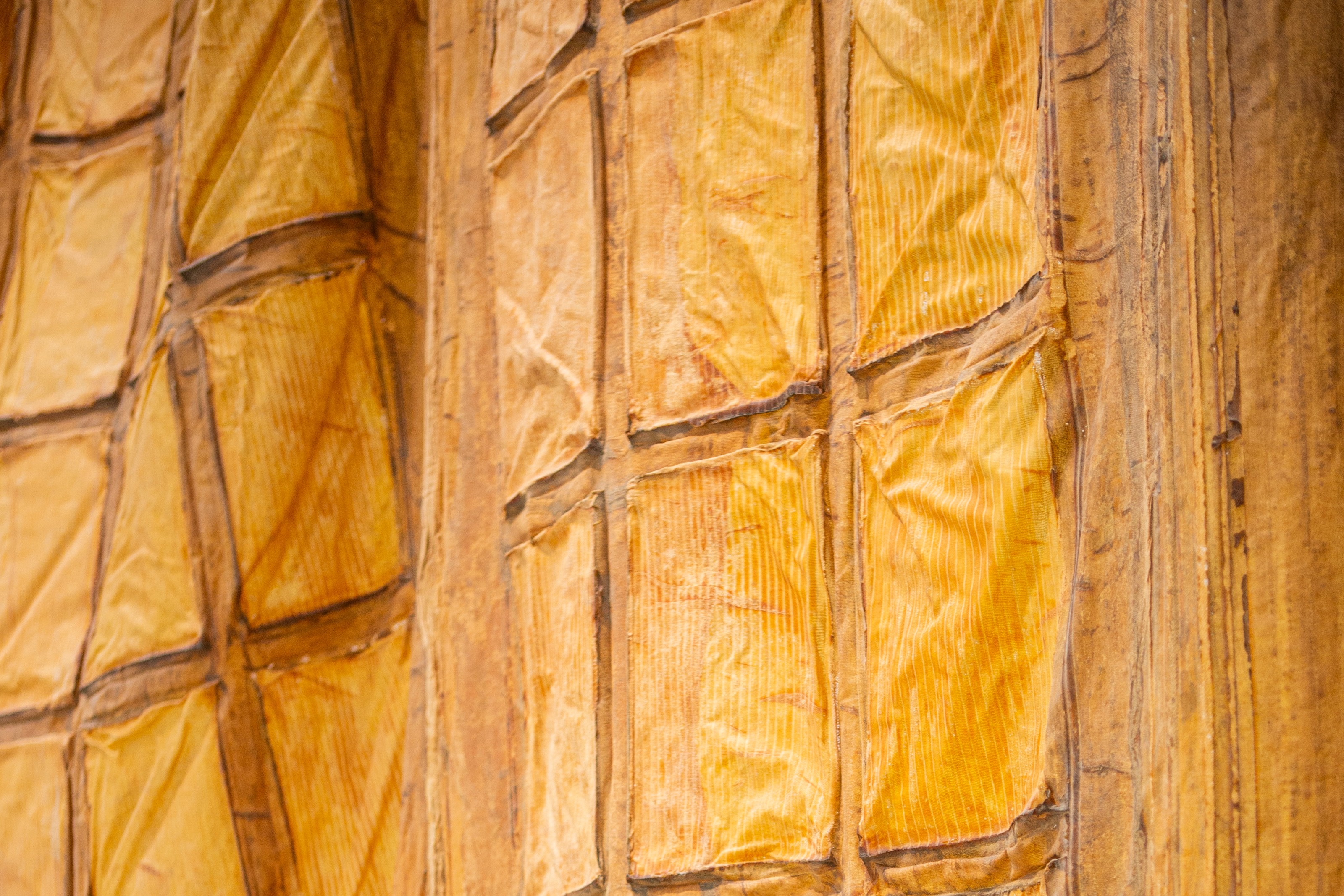
Detail of latex & rubber work by Heidi Bucher

Seoul

Spaces are Shells, are Skins is a retrospective of Heidi Bucher, one of the most important and ground-breaking artists of the international neo-avant-garde. Ranging from architectural and spatial installations to drawings, textiles, and performative practices, Bucher’s oeuvre bears witness to resistance towards hierarchical structures and advocates for the liberation of the body. Bucher’s explorations of hierarchical spatial structures include ‘skinnings’ of her father’s study (Gentlemen’s Study, 1979), and her ancestral home (Floor Skin, 1980). These are accompanied by the consulting rooms of Dr. Binswanger, a psychiatrist who specialized in hysteria (The Parlour Office of Doctor Binswanger, 1988). The film footage juxtaposed with her major ‘skinning’ works, provides a vivid record of Bucher tearing away the fabric latex pieces from the surface of the architectural spaces. For Bucher, the act of ‘skinning’ was a process of producing the skin of architecture as an interface to the world. 

Trained in fashion and textiles, the moving body was an integral part of Bucher’s artistic practice. Bucher describes her work as a process of transformation from which the body is liberated from oppression and discrimination. For the first time since Bucher’s death, Bodywrappings have been reproduced by the Art Sonje Center in collaboration with The Estate of Heidi Bucher. Created during her stay in California in the early 1970s, these foam bodysuits celebrated her novel approach to sculpture which took shape in the form of performance. This exhibition is part of the recent curatorial movements that recontextualized Heidi Bucher’s practice for our time. As the first retrospective of Heidi Bucher in Asia, it combines archival footage with over 130 works of drawing, sculpture, and installation.

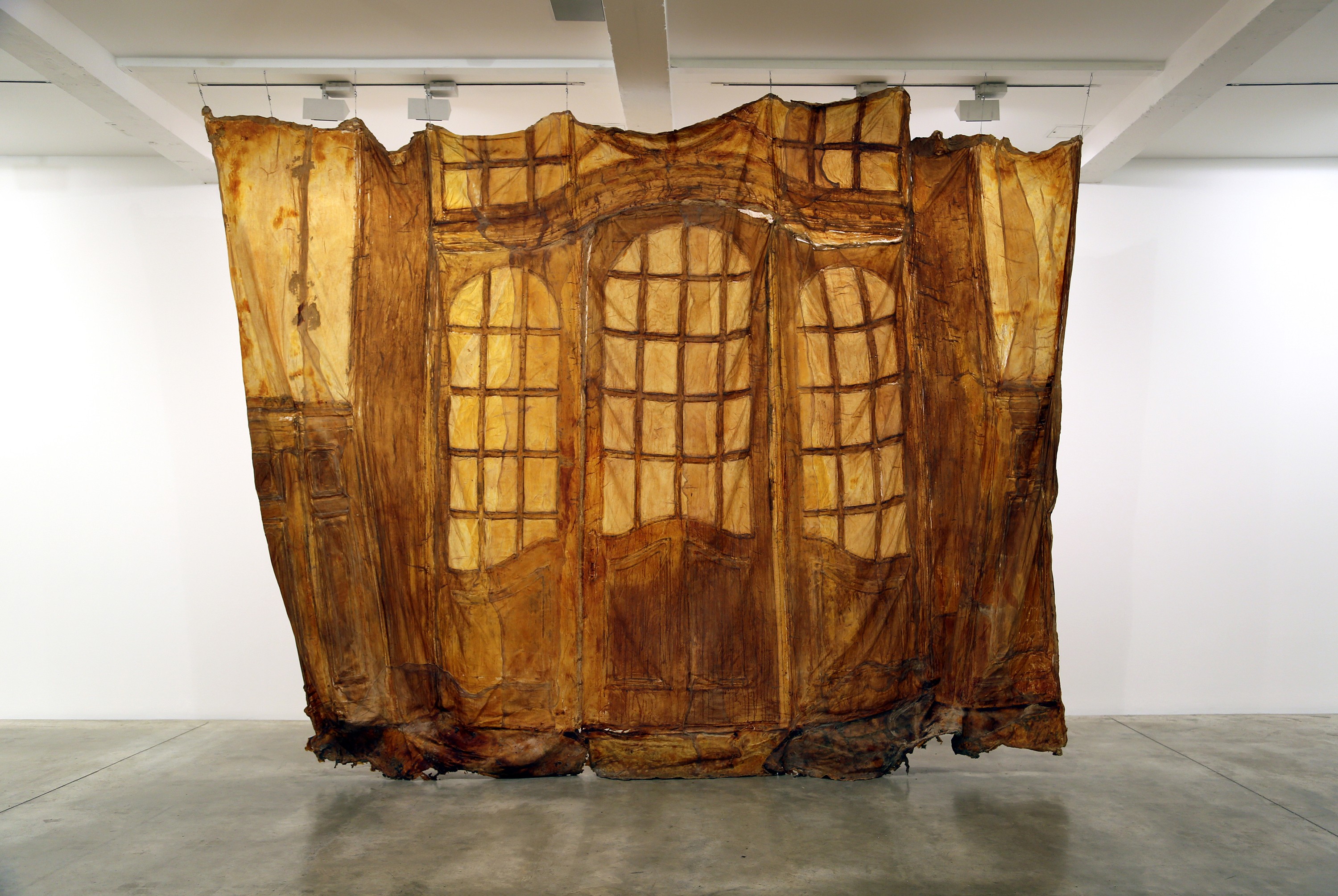
Installation by Heidi Bucher

Heidi Bucher

Das Audienzzimmer des Doktor Binswanger (Sanatorium Bellevue, Kreuzlingen) / The Audience Room of Doctor Binswanger (Sanatorium Bellevue, Kreuzlingen), 1988

Latex & Rubber work by Heidi Bucher

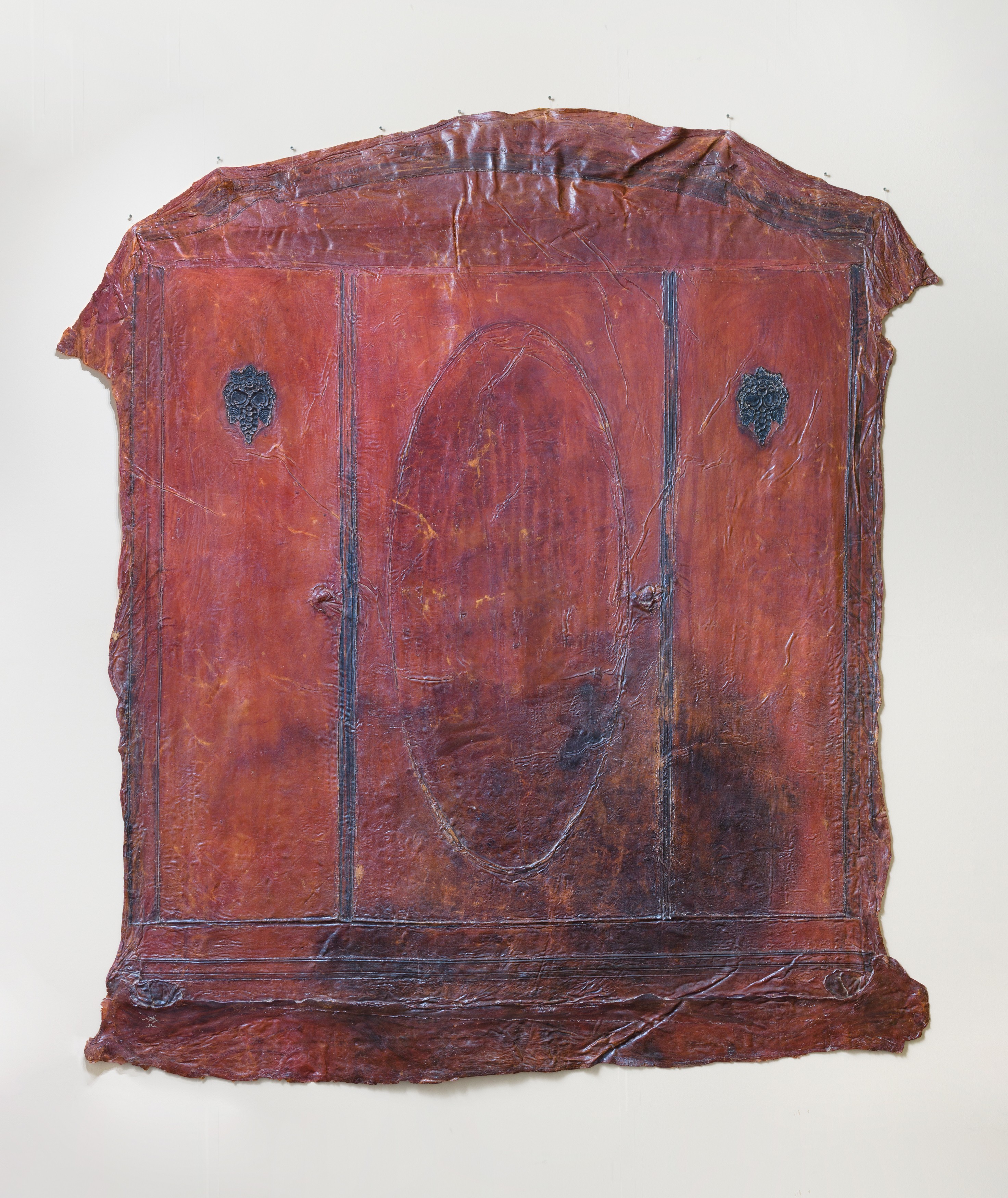
Heidi Bucher

Der Schrank, 1979

Textile by Heidi Bucher

Heidi Bucher

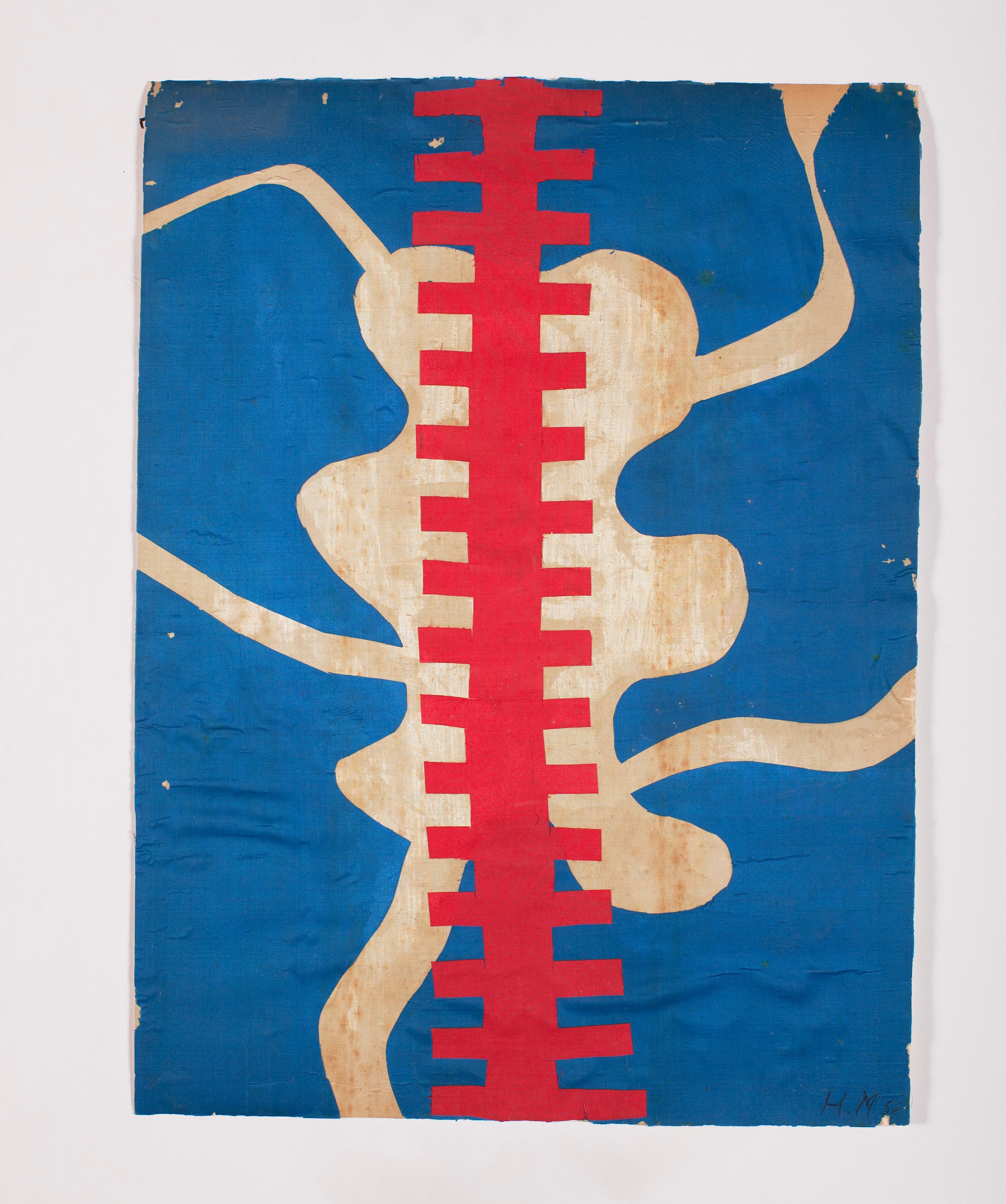
Untitled (silk collage), 1956

Latex & Rubber works by Heidi Bucher

Heidi Bucher

Kleines Glasportal (Sanatorium Bellevue, Kreuzlingen) / Small Portal (Sanatorium Bellevue, Kreuzlingen), 1988

Latex & rubber works by Heidi Bucher

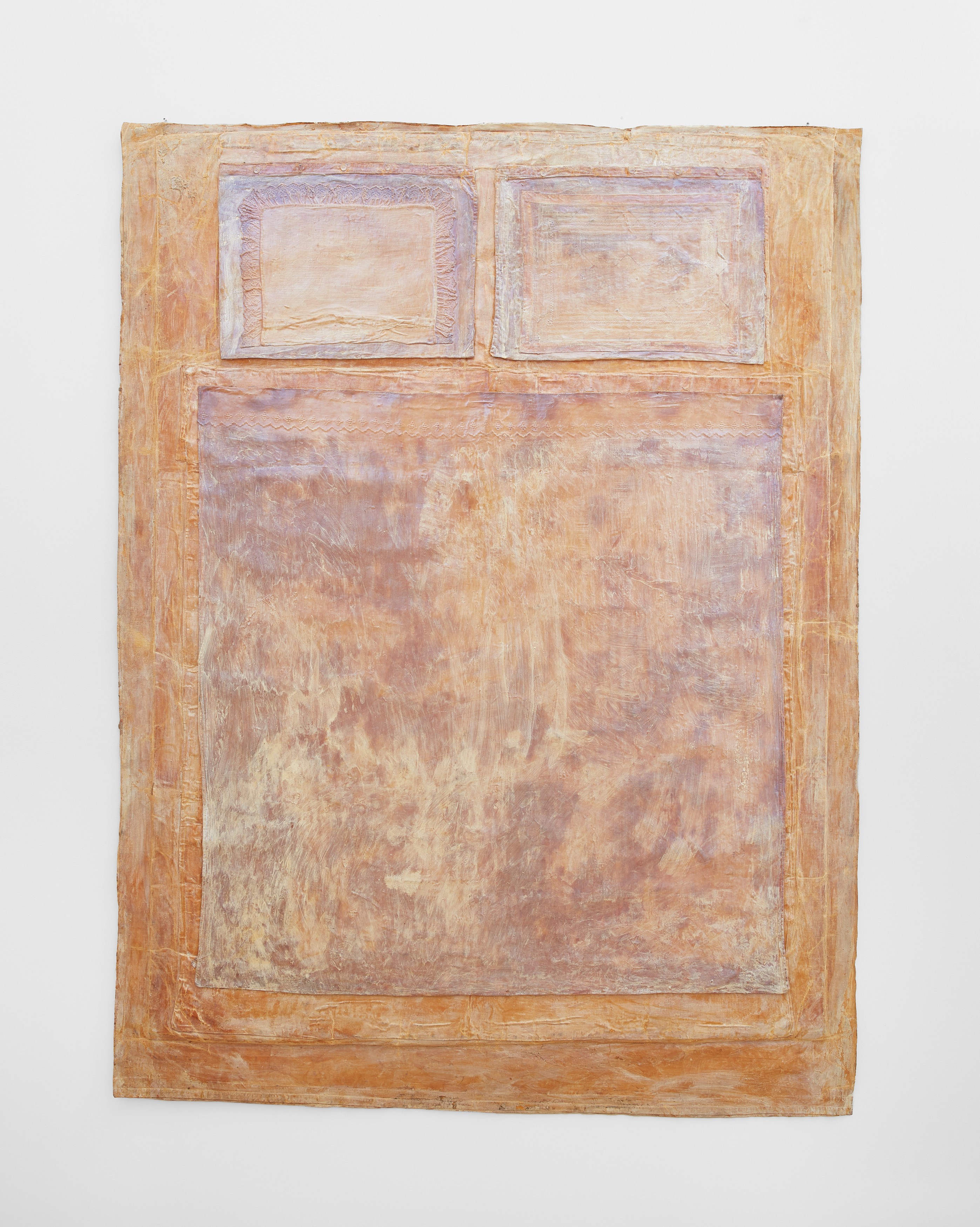
Heidi Bucher

Das Bett / The Bed, 1975

Textiles by Heidi Bucher

Heidi Bucher

to Min Soo Park, 1958 Summer, Love Heidi Muller, 1958

Work on paper by Heidi Bucher

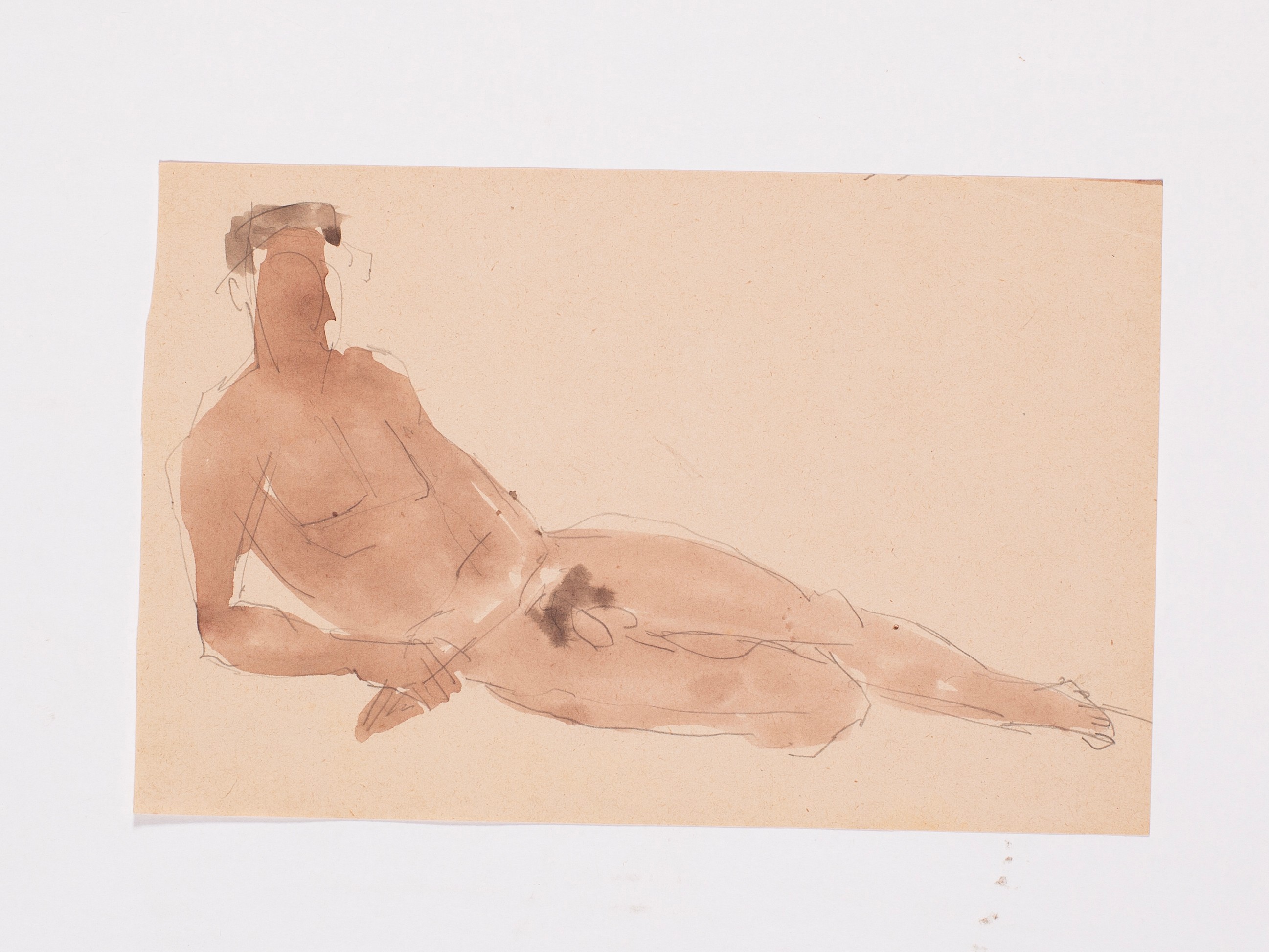
Heidi Bucher

Untitled (title unknown), 1954

Work on paper by Heidi Bucher

Heidi Bucher

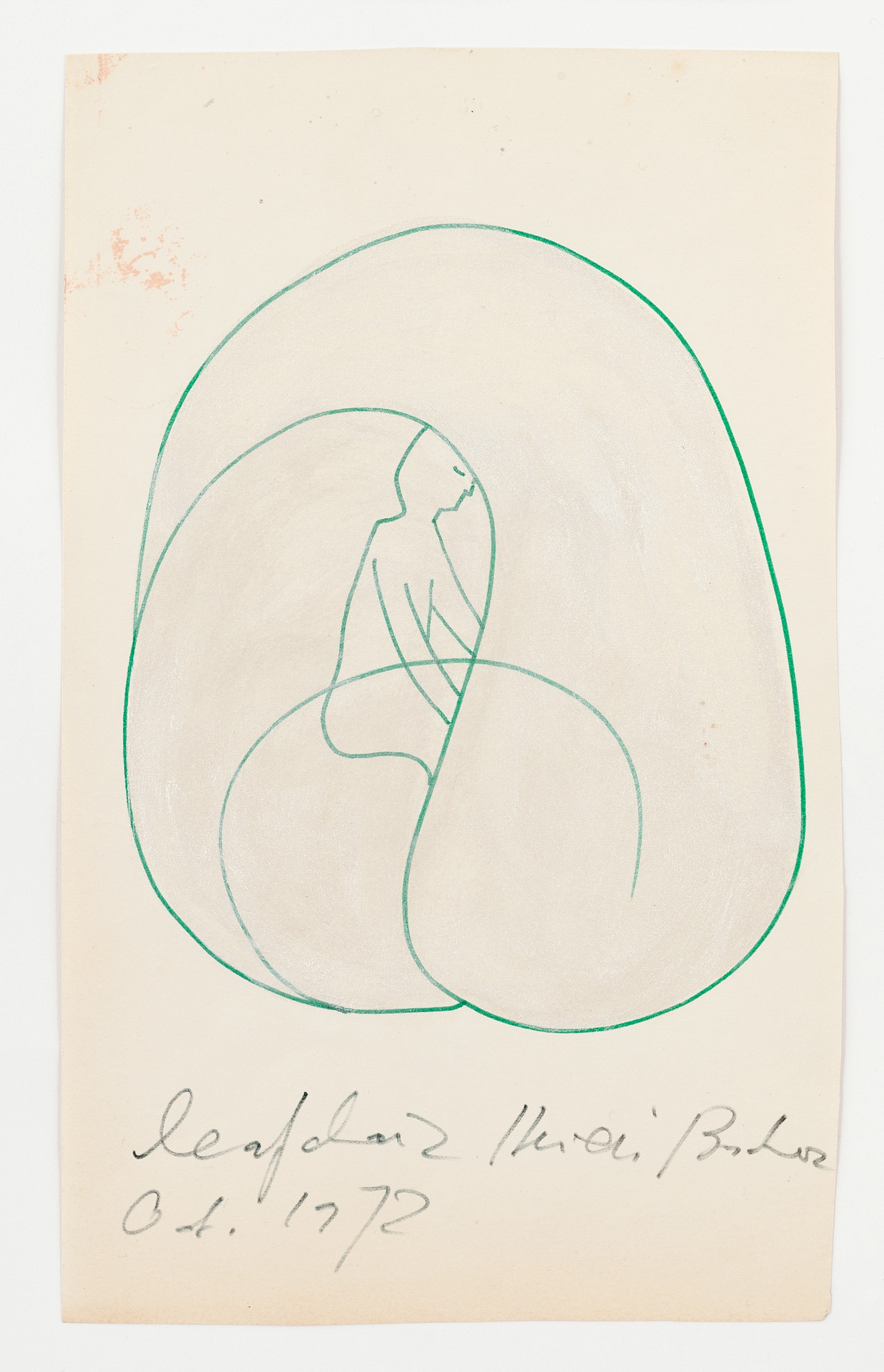
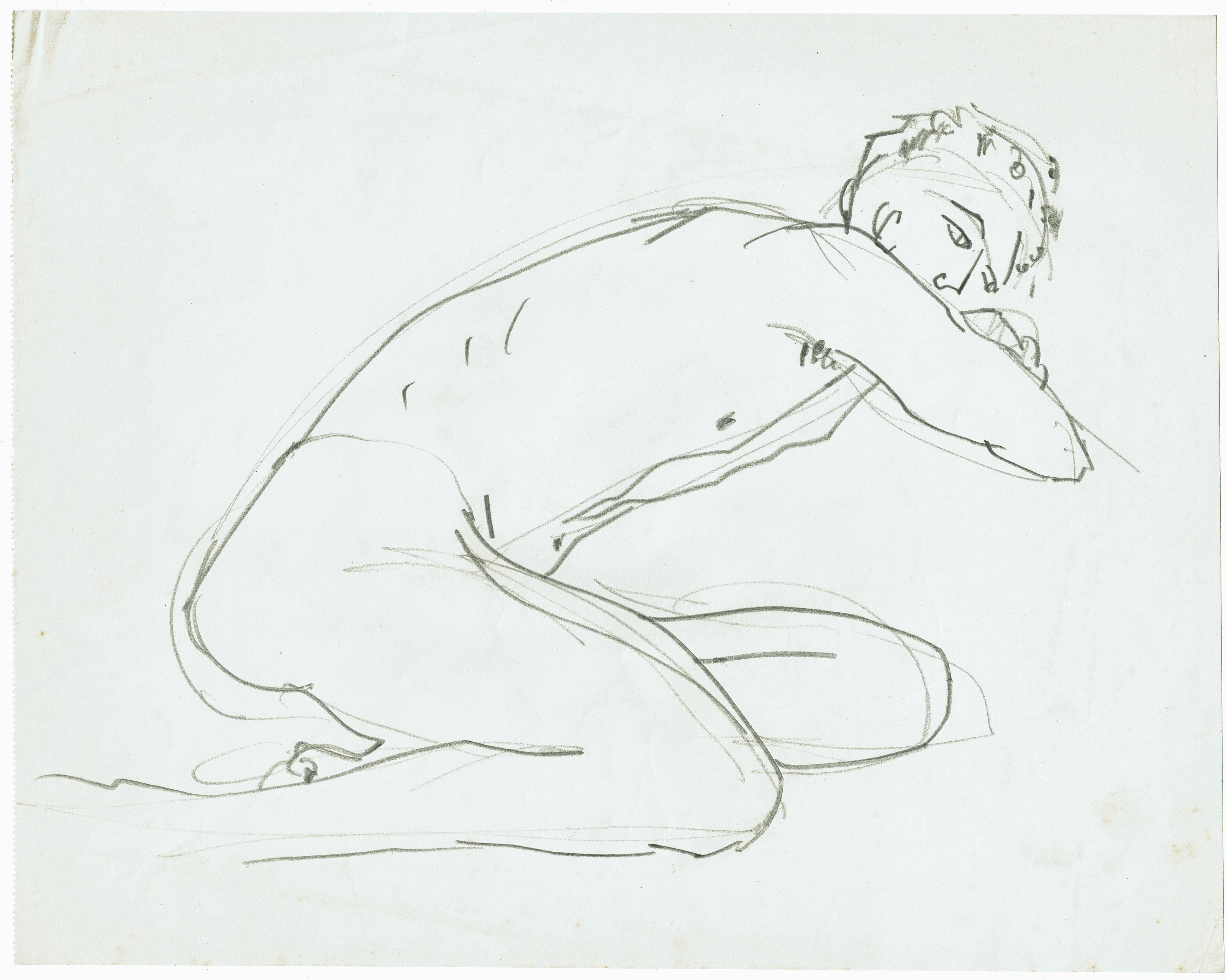
Untitled (Bodyshells), 1972

Work on paper by Heidi Bucher

Heidi Bucher

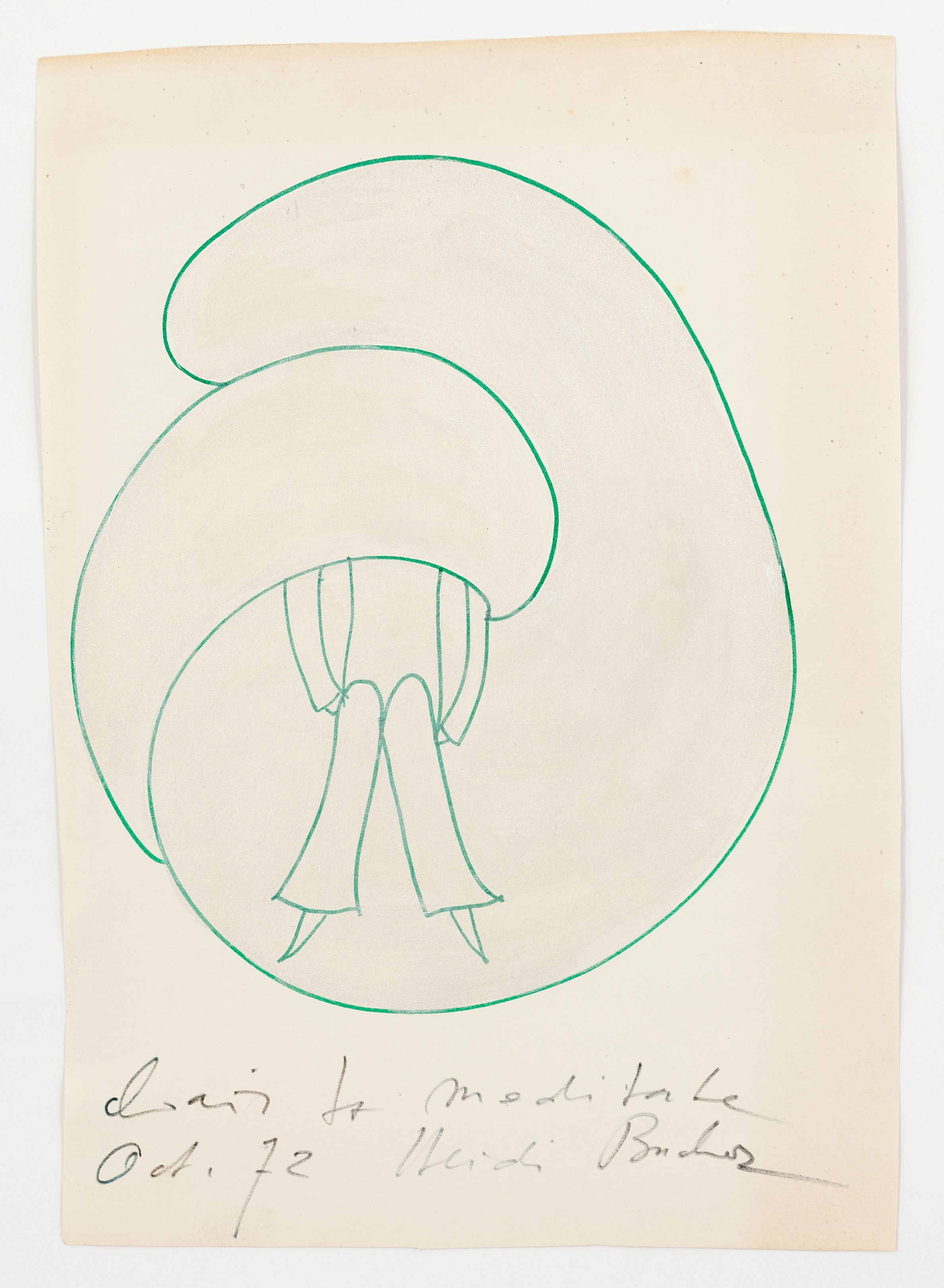
Untitled (Bodyshells), 1972

Work on paper by Heidi Bucher

Heidi Bucher

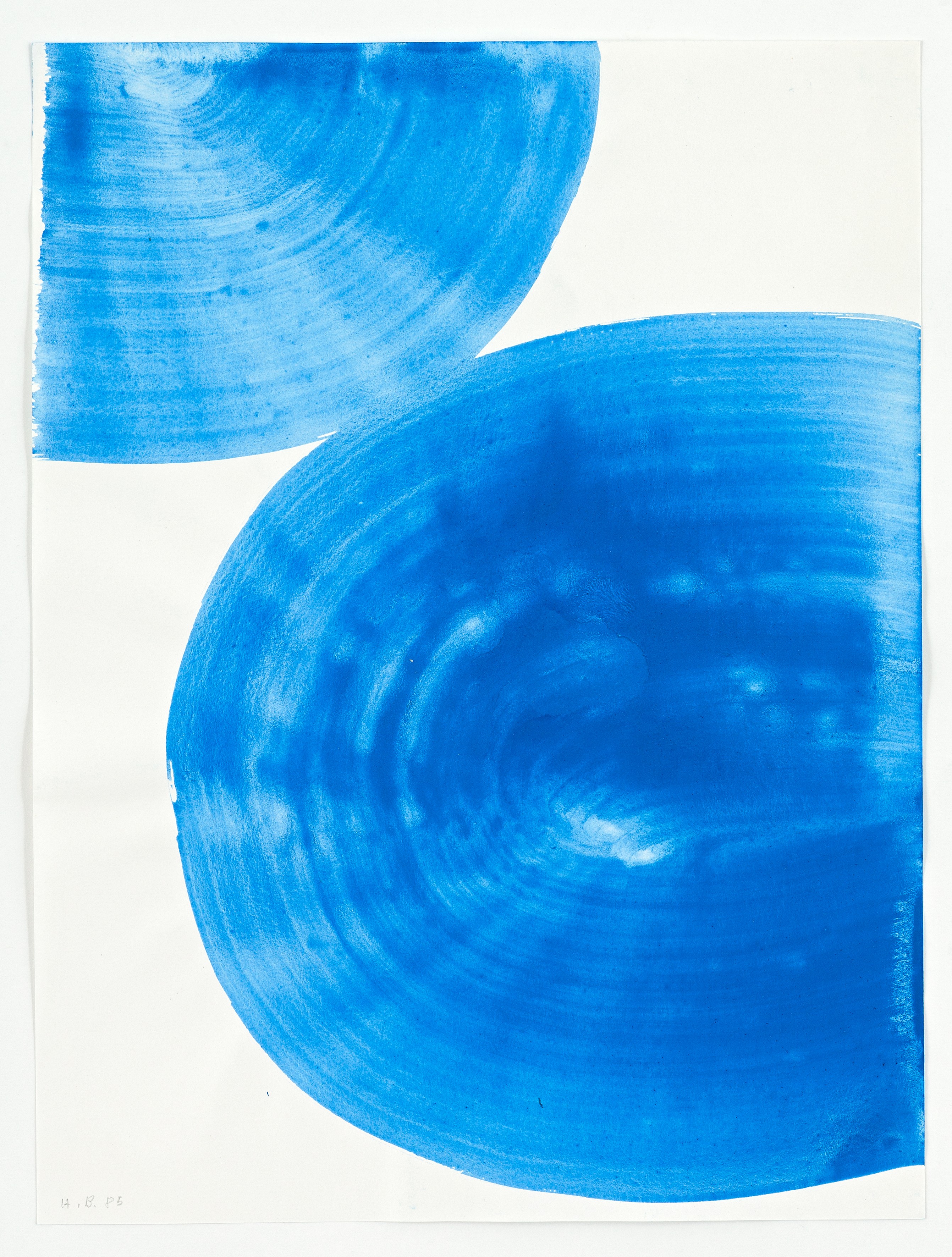
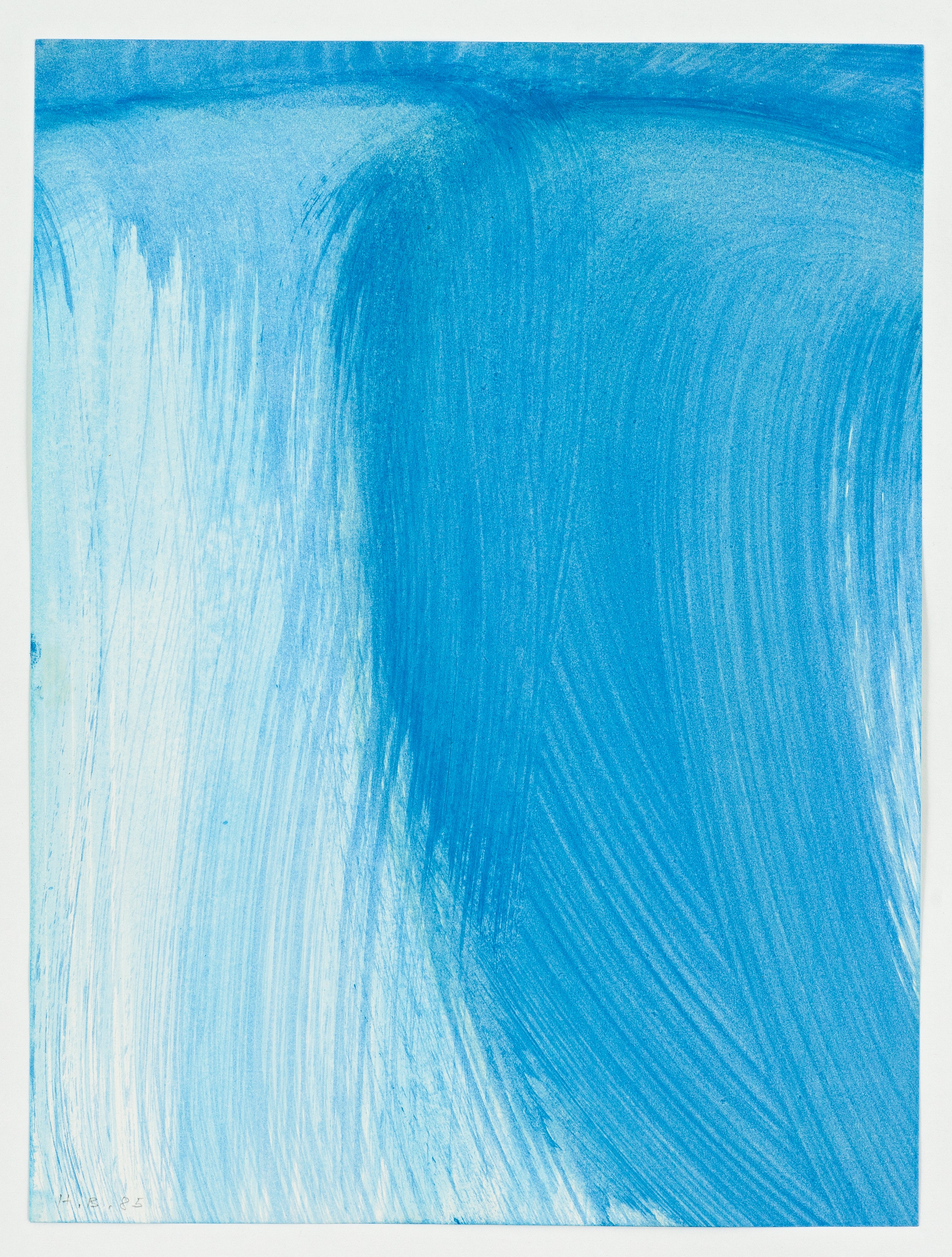
Untitled (Wasserzeichnung / Water drawing), 1985

Work on paper by Heidi Bucher

Heidi Bucher

Untitled (Wasserzeichnung / Water drawing), 1985

Work on paper by Heidi Bucher

Heidi Bucher

Untitled (Bodyshells), 1972

Work on paper by Heidi Bucher

Heidi Bucher

Untitled (Bodyshells), 1972

Work on paper by Heidi Bucher

Heidi Bucher

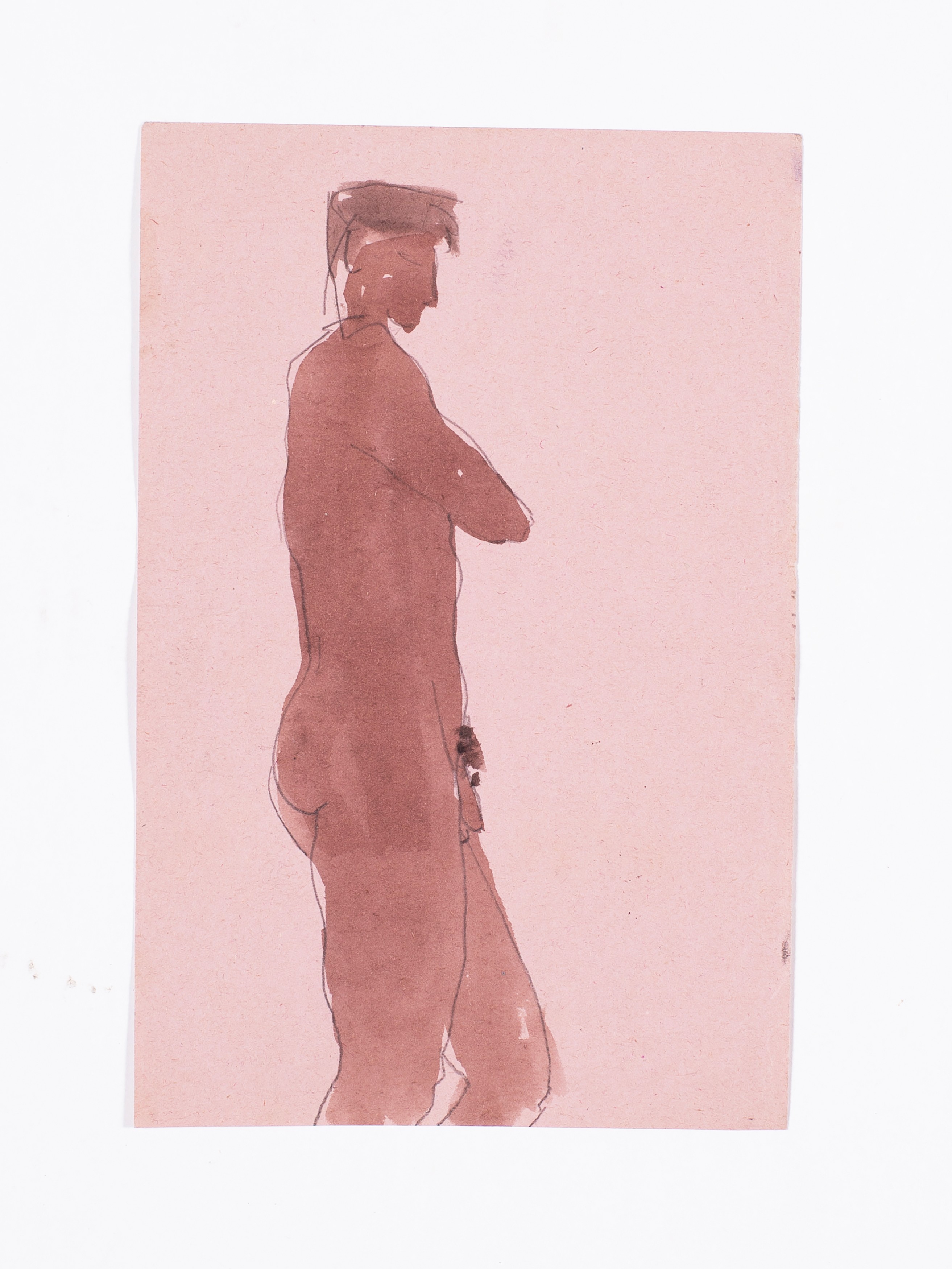
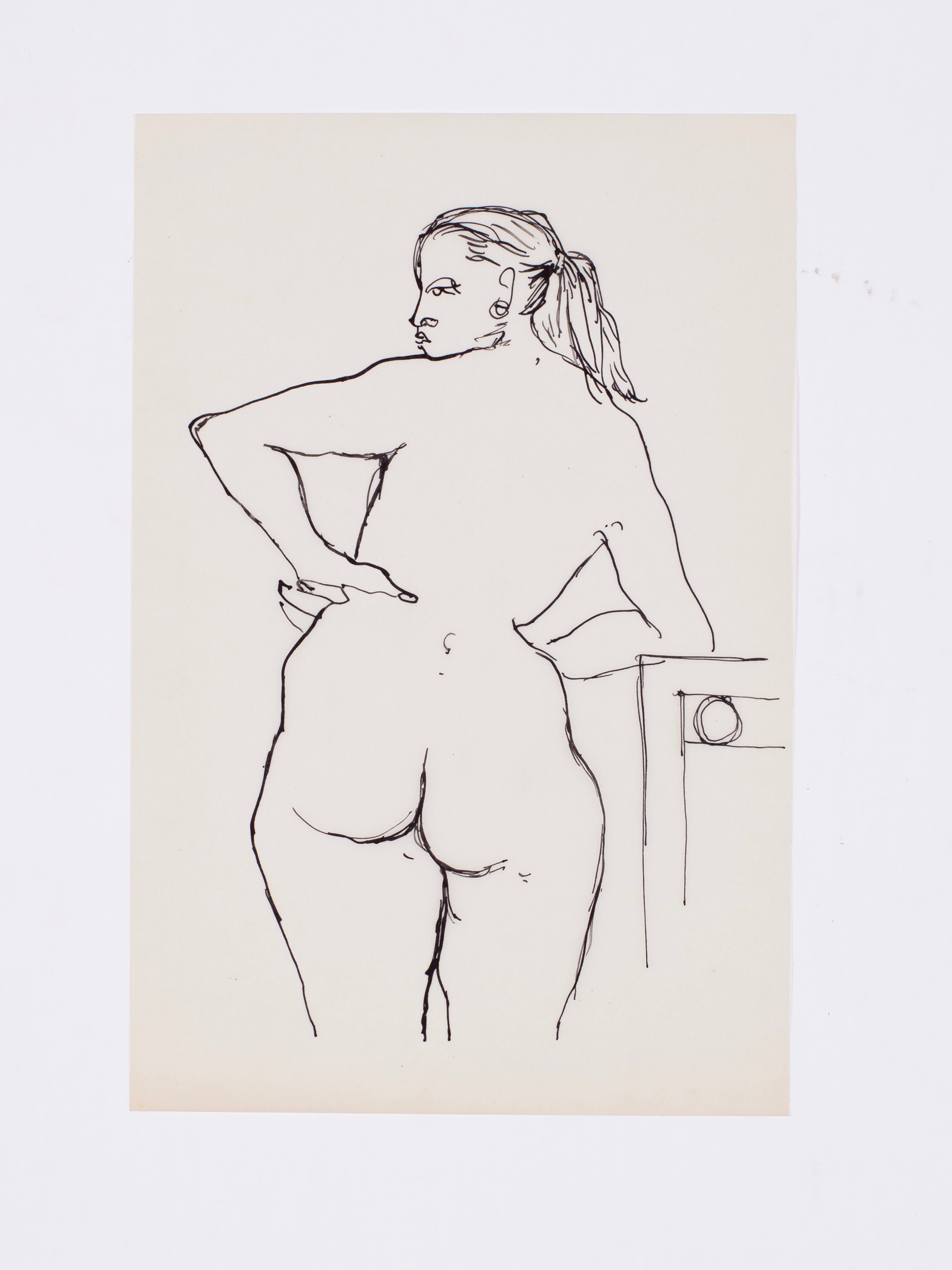
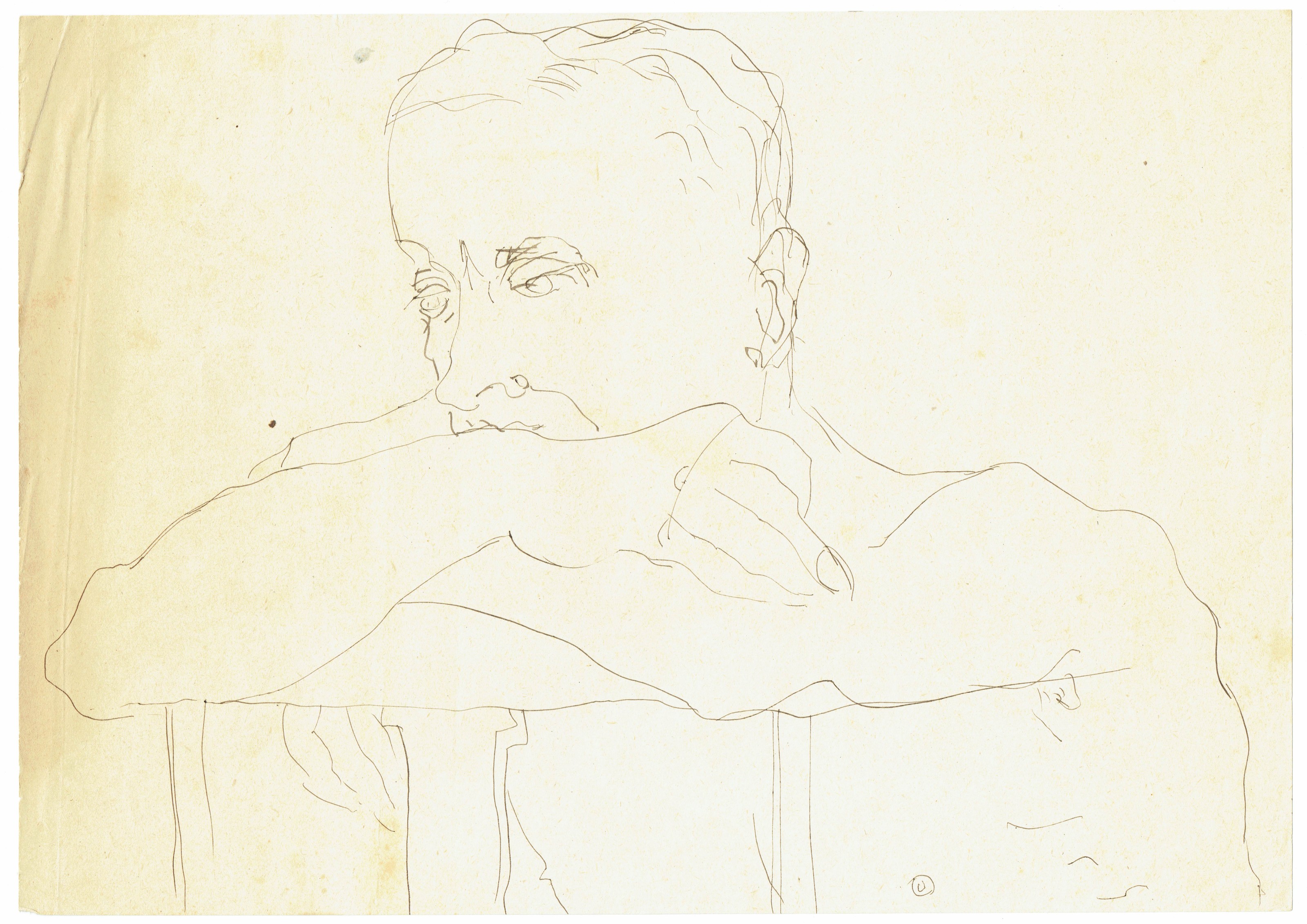
Untitled , 1951

Work on paper by Heidi Bucher

Heidi Bucher

Untitled , 1950

Work on paper by Heidi Bucher

Heidi Bucher

Untitled , 1954

Work on paper by Heidi Bucher

Heidi Bucher

Untitled, 1951

Painting by Heidi Bucher

Heidi Bucher

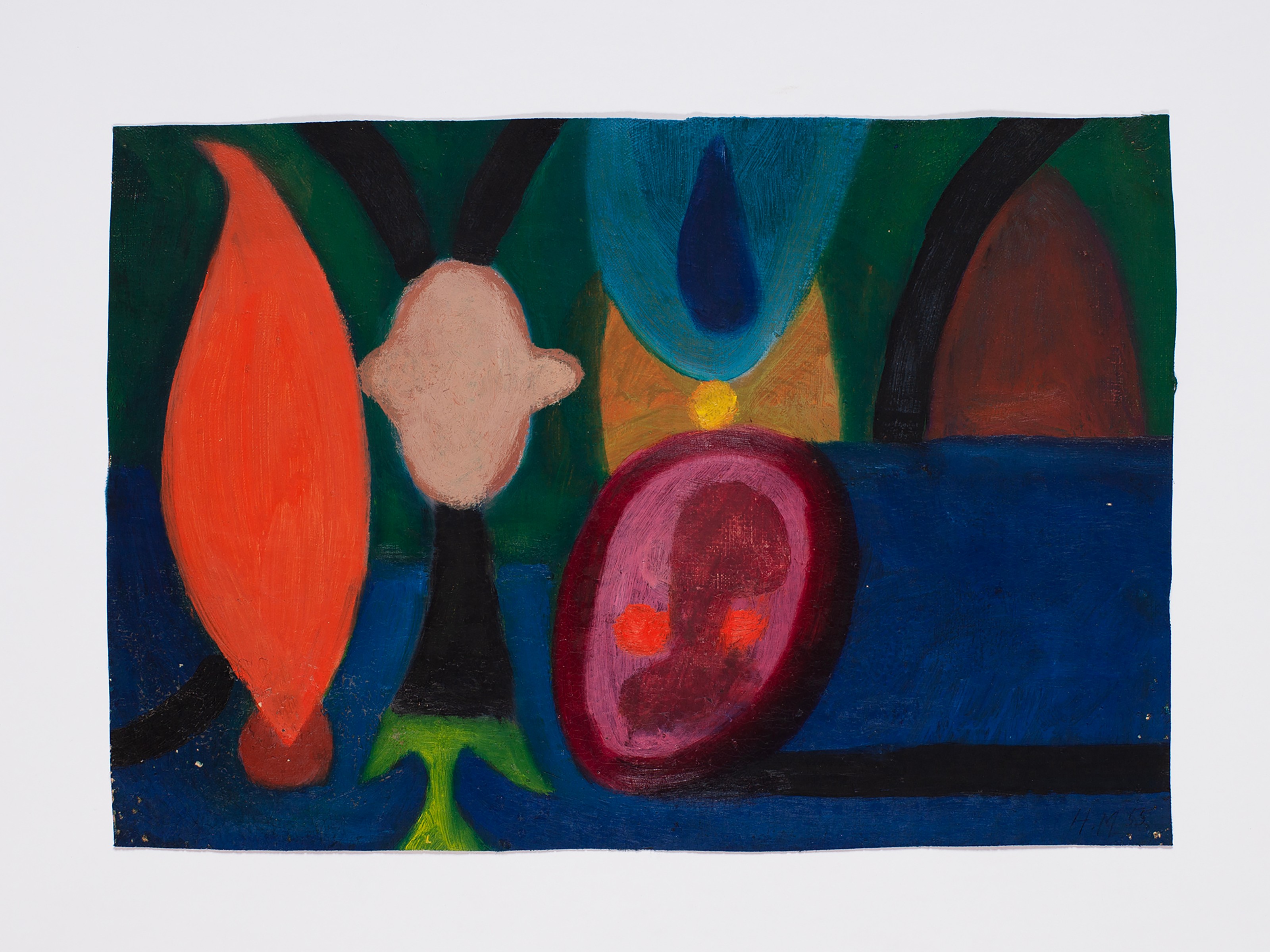
Untitled , 1955

Textiles by Heidi Bucher

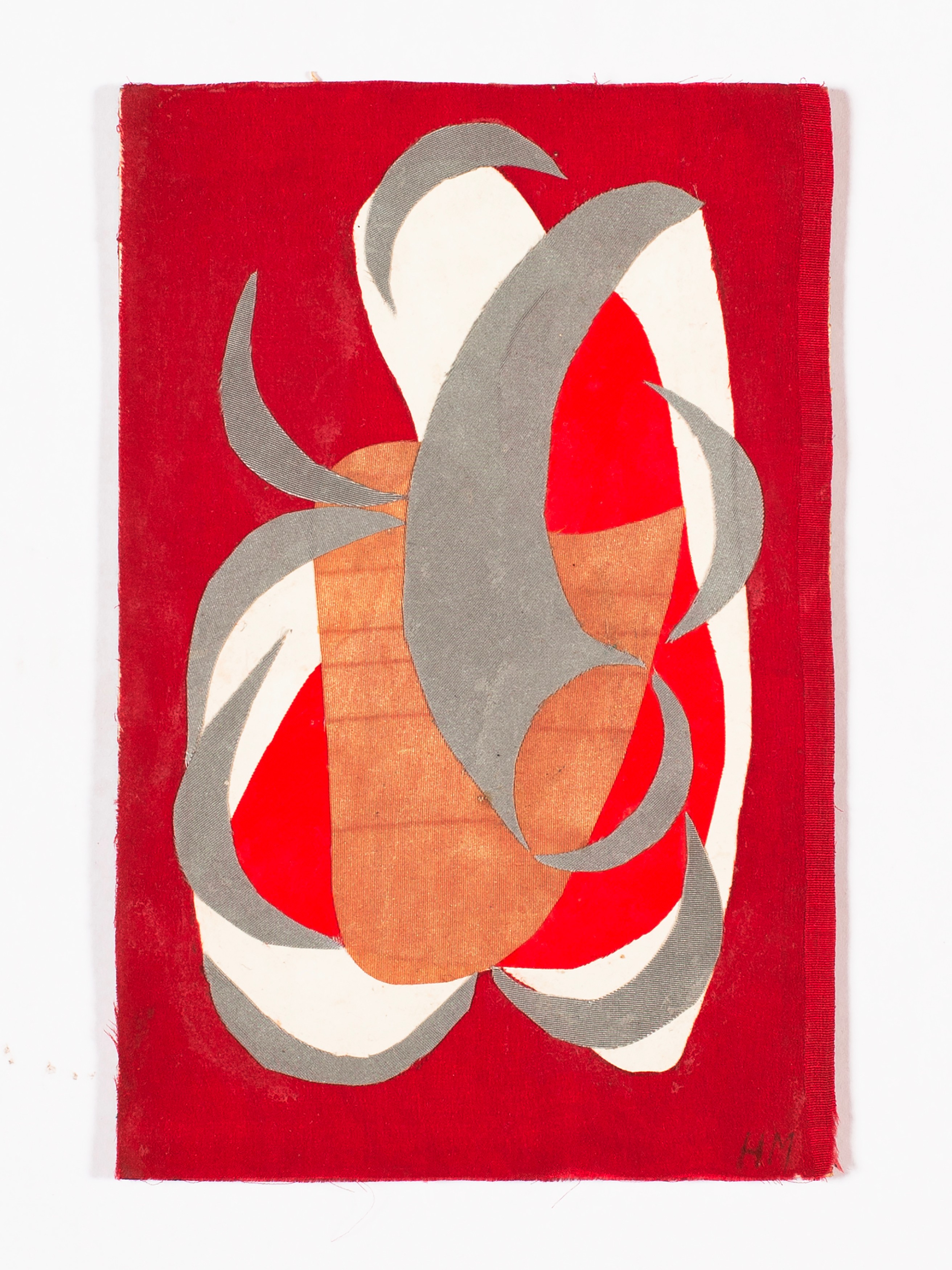
Heidi Bucher

Untitled, 1956

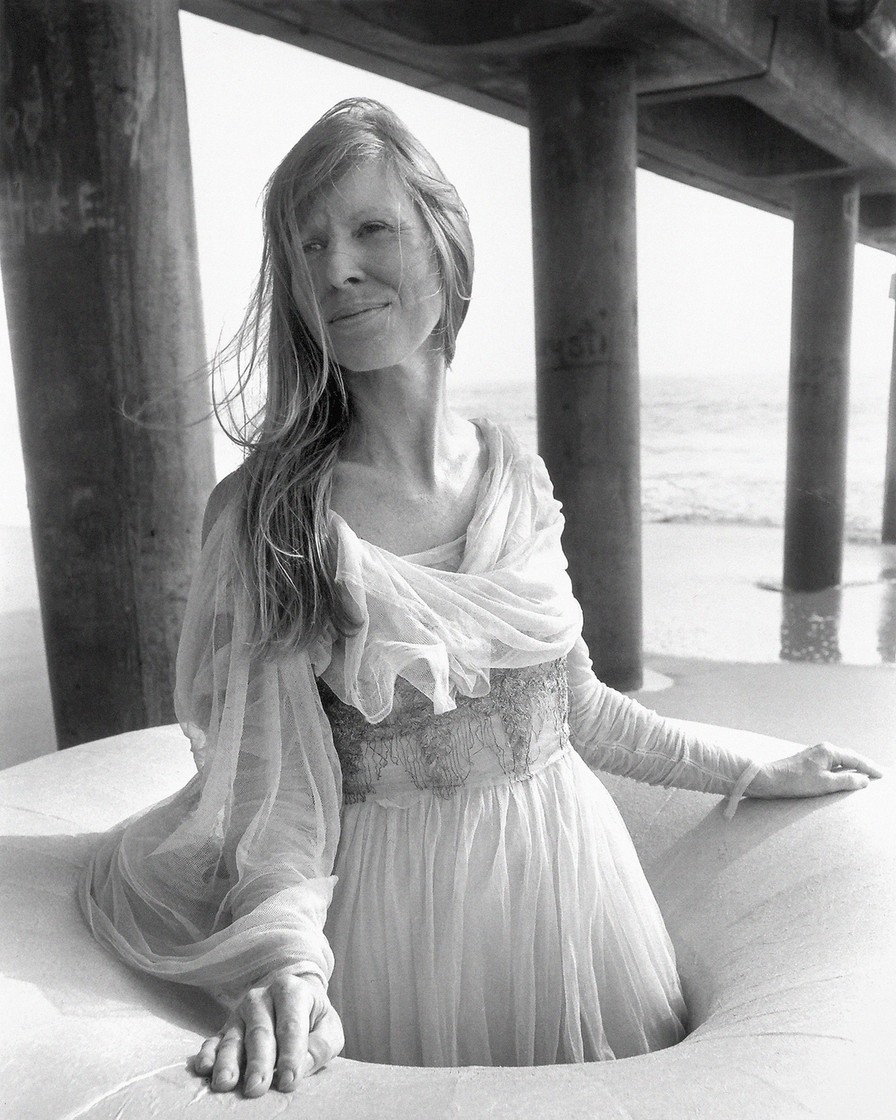
Portrait of Heidi Bucher

Heidi Bucher (b. 1926, Winterthur, Switzerland; d. 1993, Brunnen, Switzerland) was a Swiss artist who is best remembered for her innovative use of latex and exploration of the physical boundaries between the body and its surroundings. Serving simultaneously as means of historical preservation and metaphorical molting, Bucher’s Hauträume—or “roomskins”—act as indexes of the complicated relationship humans have to their bodies and pasts. Working across the United States, Switzerland, and the Canary Islands, Bucher forged a practice anchored in familial, cultural, and architectural histories and deeply entwined with contemporary concerns around the boundaries between public and private space, and femininity and the body. Though Bucher’s many bodies of work—from her early drawings and wearable sculptures to her later latex-encased objects and Hauträume—each reflect distinct artistic interests and origins, they all trace back to the artist’s mantra, which uniquely summarizes her career-long engagement with bodies and rooms: Räume sind Hüllen, sind Häute (Spaces are shells, are skins).

Beginning in the 1970s, Bucher embalmed clothing in a mixture of latex and mother of pearl, preserving the objects as artifacts of their time and creating a surface that appeared skin-like in both color and texture. Bucher primarily used women’s clothing, such as nightdresses and pantyhose, as a critical response to the rigid gender restrictions she had experienced during her childhood and adolescence. By the end of the decade, Bucher began applying her signature latex medium to the surfaces of domestic objects and spaces, aligning women’s clothing with these designated “feminine” spaces. Allowing the latex mixture to harden, then peeling it off, Bucher produced translucent skins that held elements of paint, rust, dirt, and the minute details and markings of the architecture. During the years that followed, Bucher produced several major bodies of work based on the domestic spaces of her past—her ancestral house in Winterthur, the study in her parents’ home, and her studio in Zurich. Each space she inhabited was rendered translucent and ghostly, like a visual memory that, due to the fragile nature of the latex material, would warp and discolor over time. Displayed suspended mid-air, the series of latex Hauträume are simultaneously monumental and fragile, mimicking the very process by which they are created; the removal of the latex from the architectural space required a great deal of both physical strength and delicate dexterity.

Spaces are Shells, are Skins | Lehmann Maupin