Skip to content

Guimi You

When the Sun Shines Again

New York

Jun 11–Aug 21, 2026

Guimi You painting

501 West 24th Street

New York, NY 10011

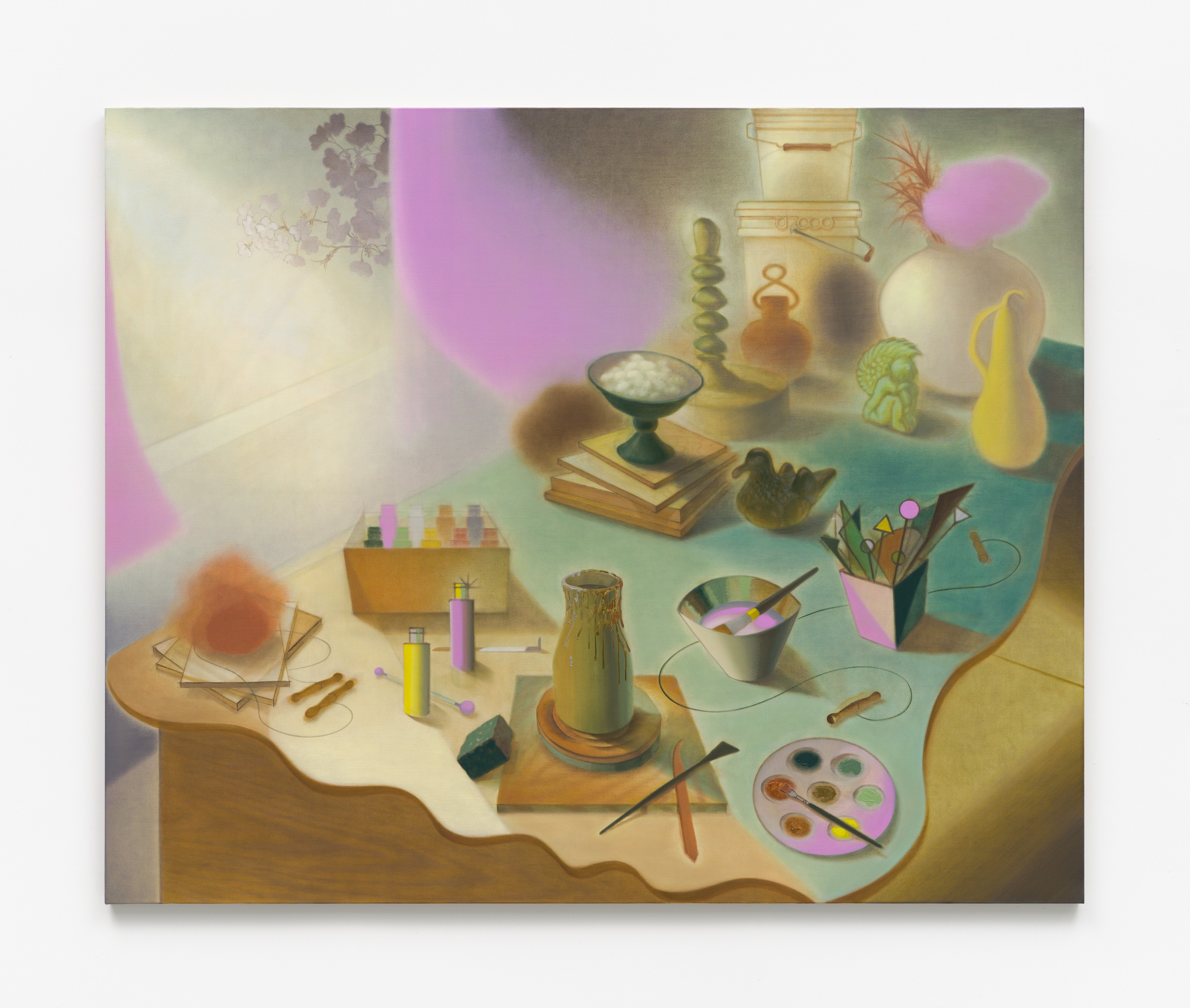
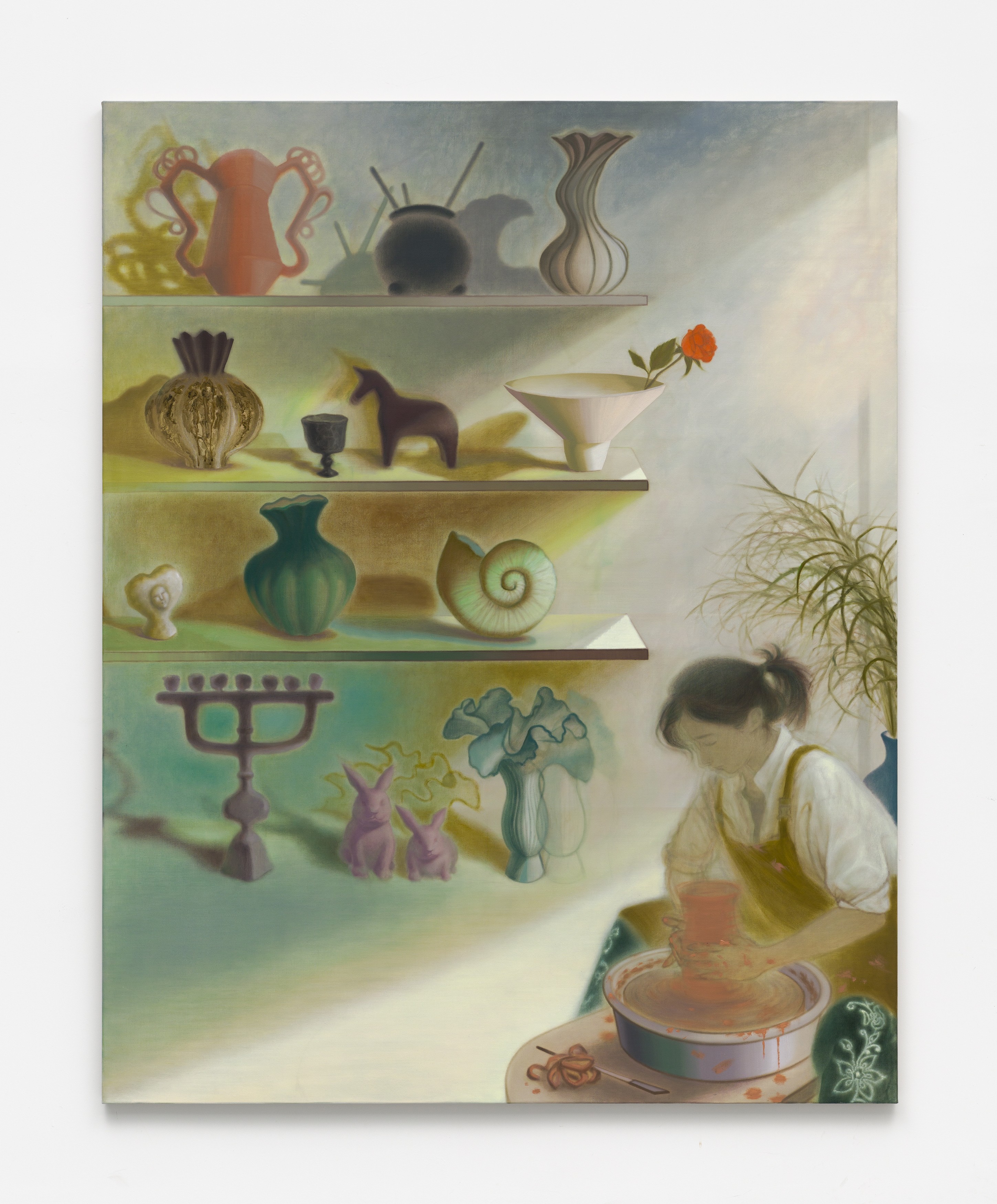
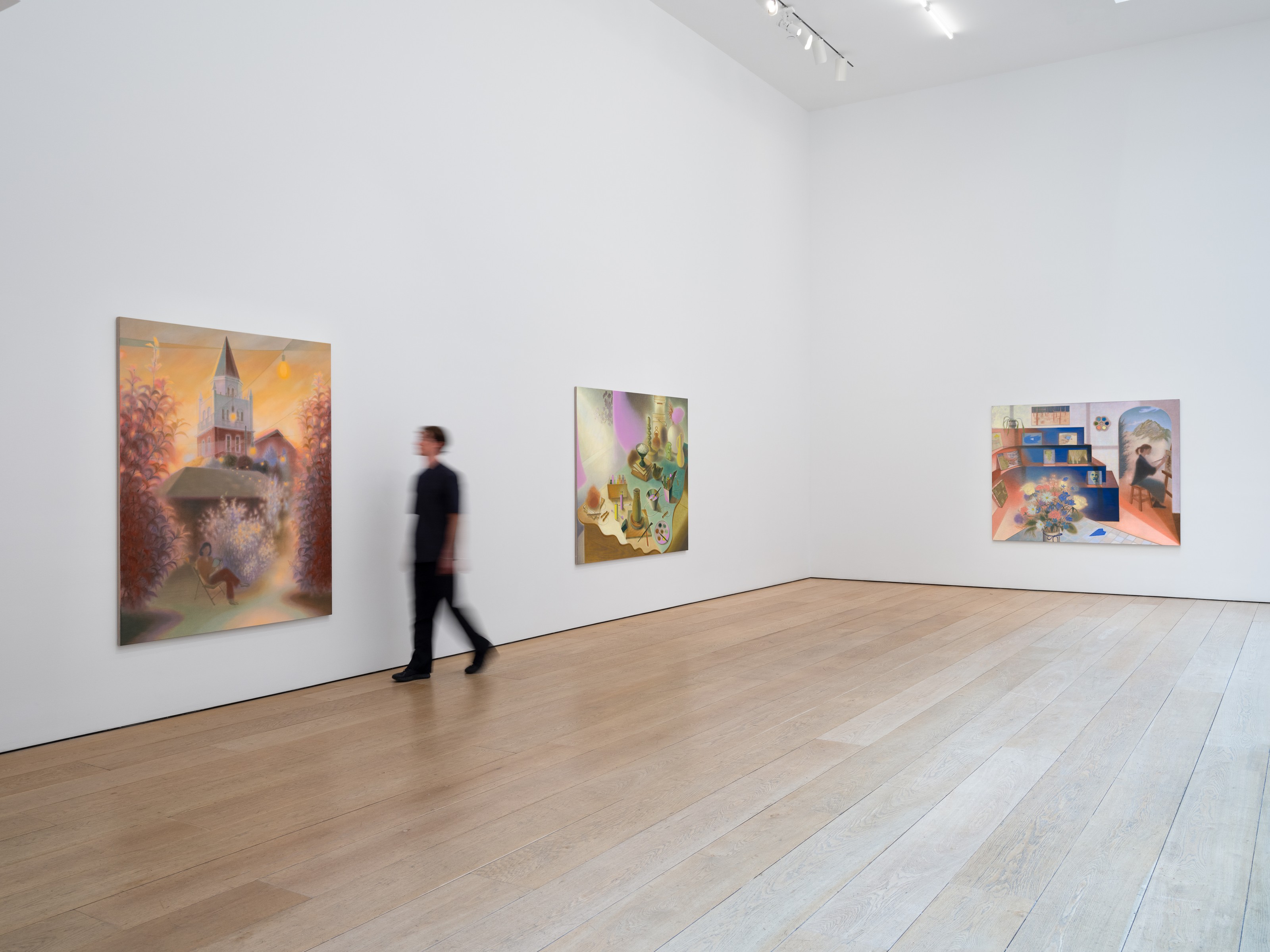
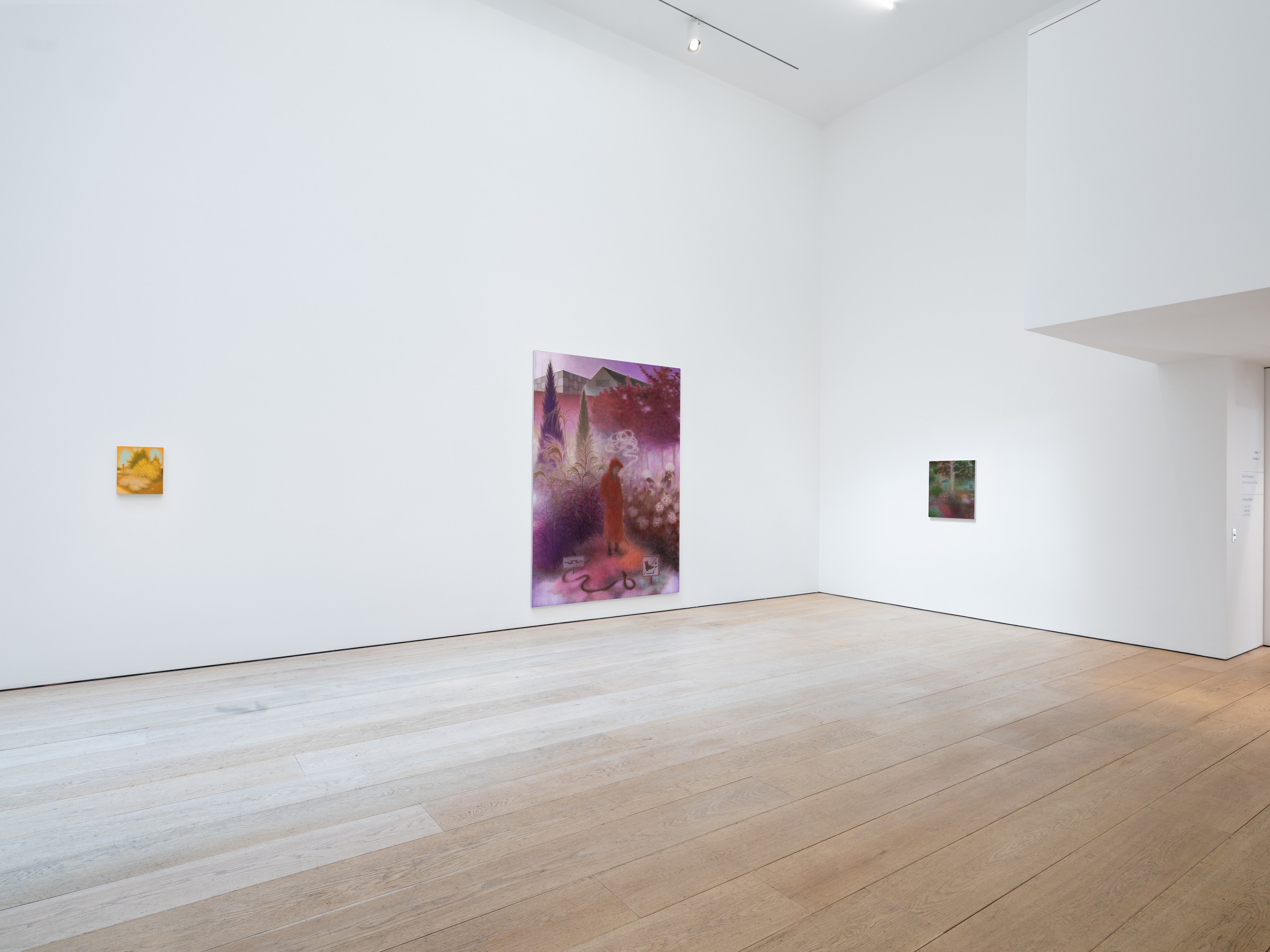
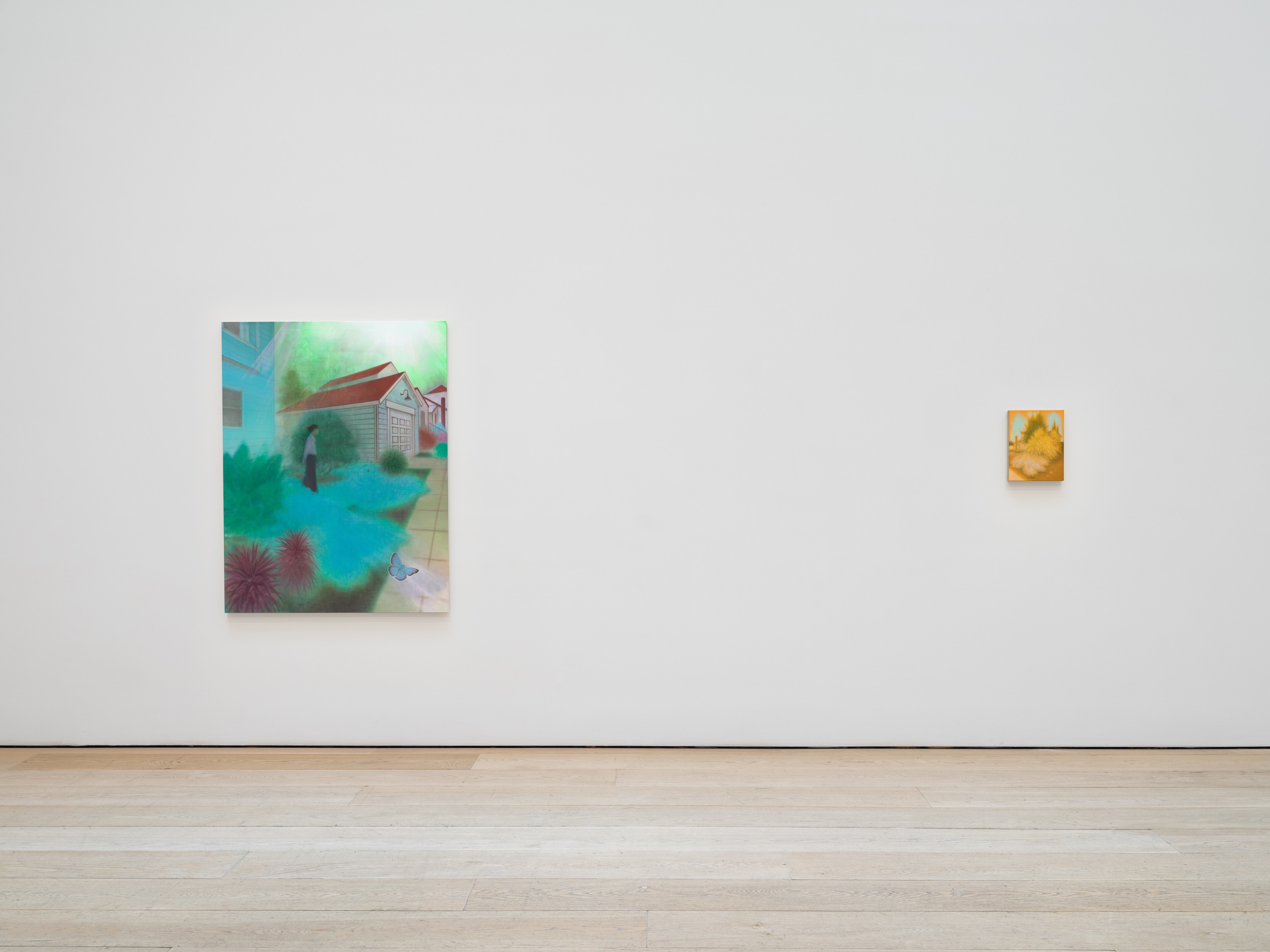
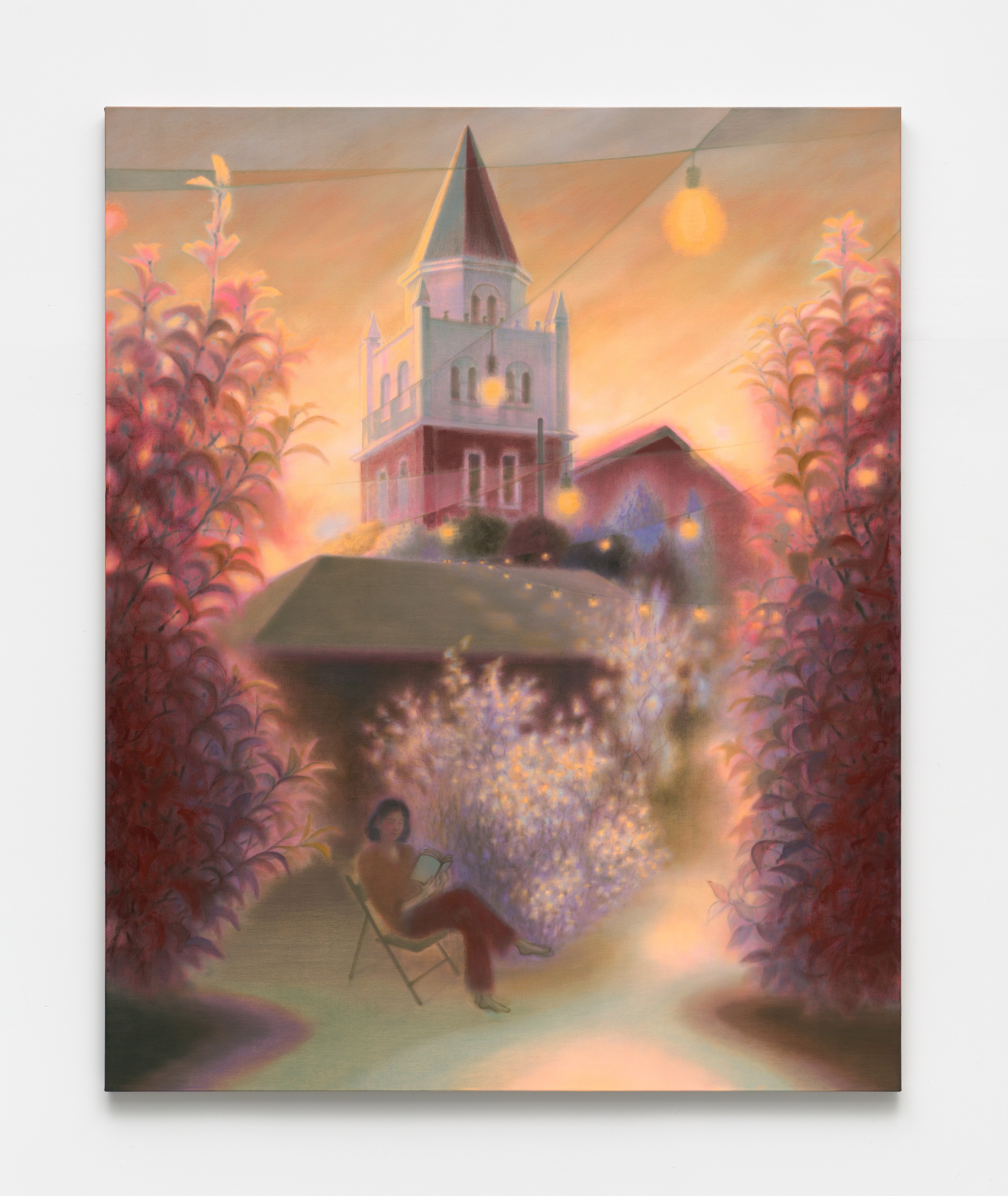
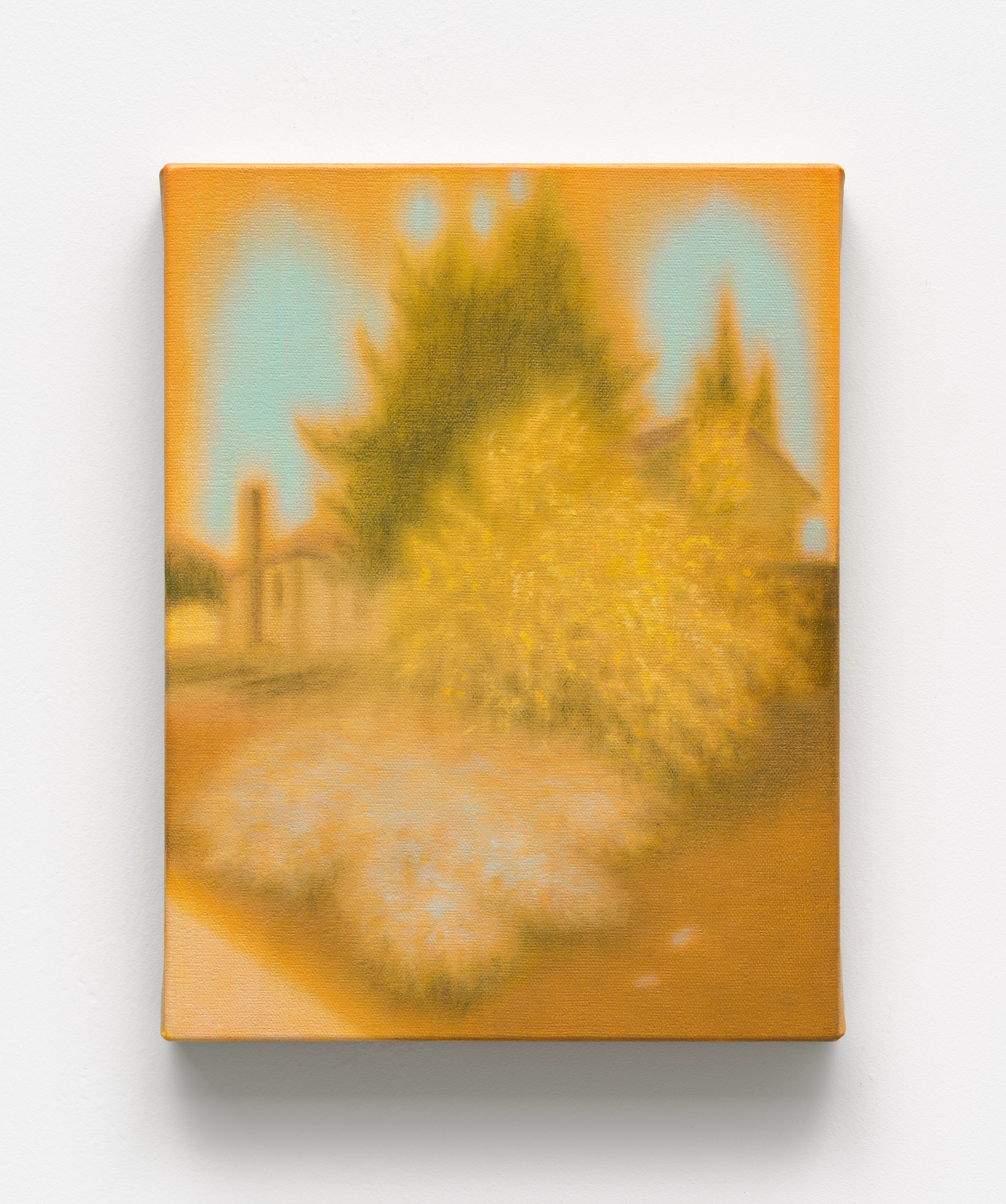
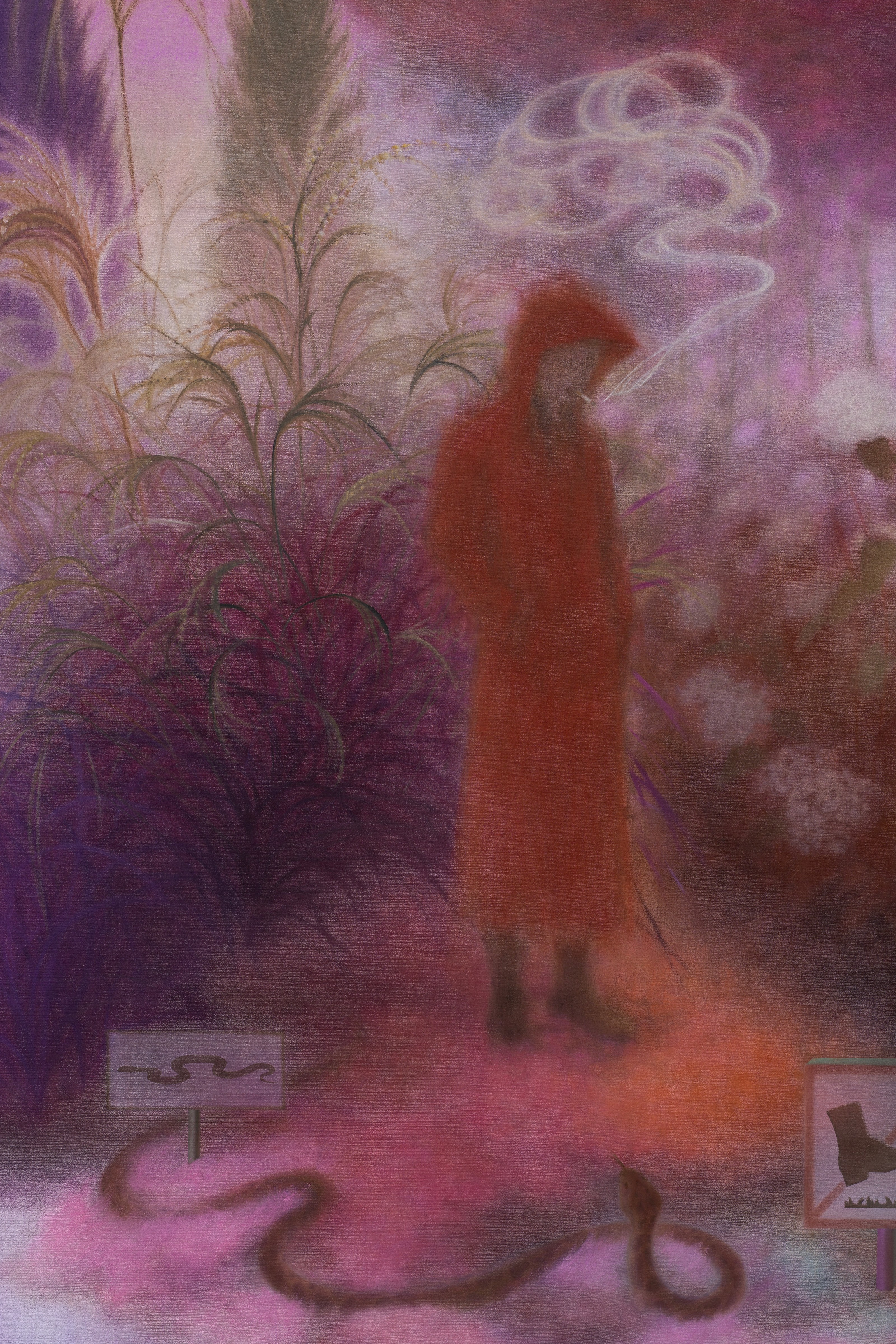
Lehmann Maupin is pleased to present When the Sun Shines Again, a solo exhibition of new paintings by South Korean artist Guimi You. In this exhibition, the artist turns toward a quiet yet profound gesture: the act of beginning again. Conceived as a tribute to those who have returned to creating after time away, the works unfold through a recurring image of sunlight, an enduring symbol of clarity, renewal, and hope. If darkness unsettles us because it obscures what lies ahead, morning offers a gentle correction. As light enters, forms reappear, and with them, the possibility of continuation. It is within this passage, from obscurity to illumination, that the artist’s works take shape. When the Sun Shines Again marks You’s first major solo presentation in New York. 

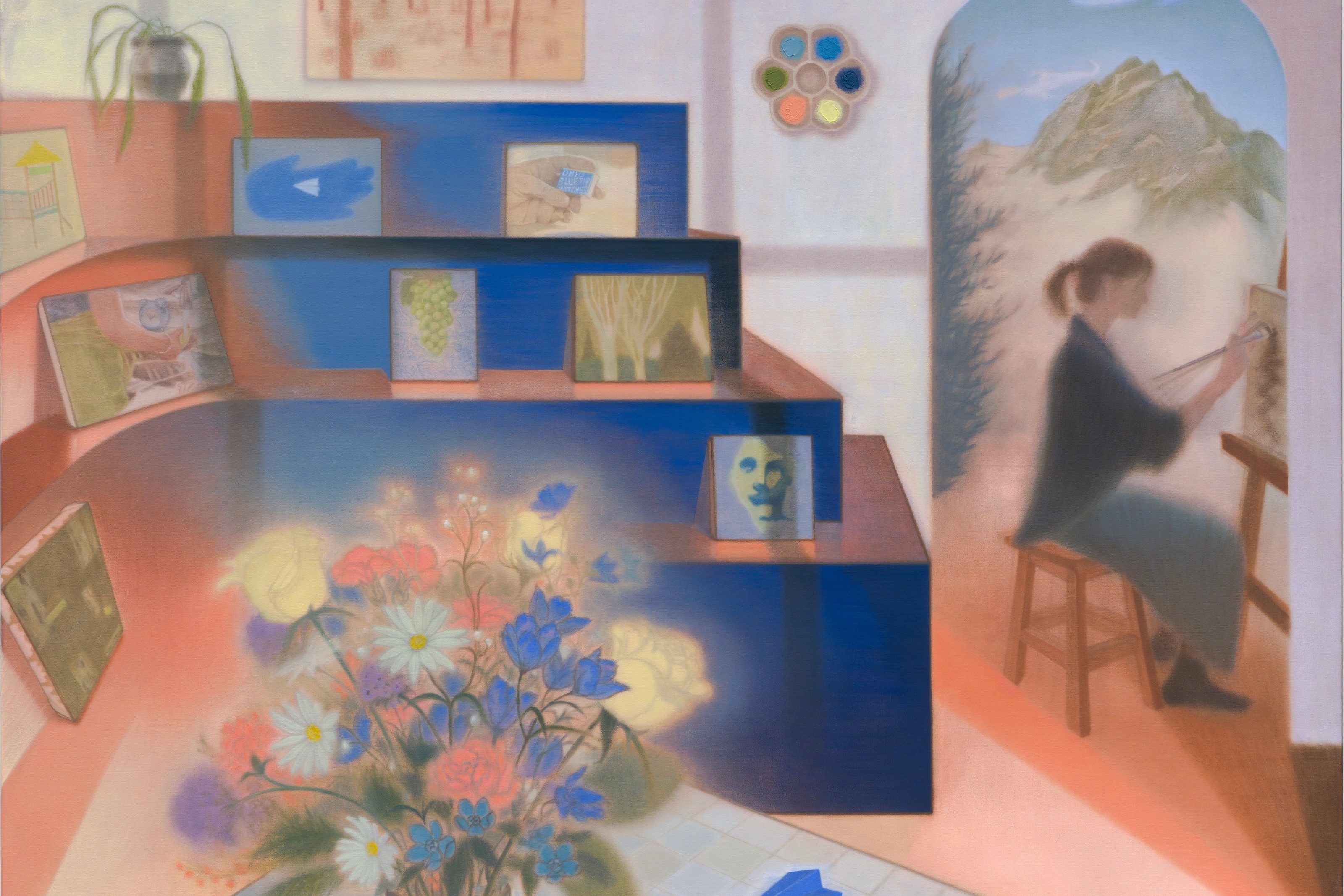
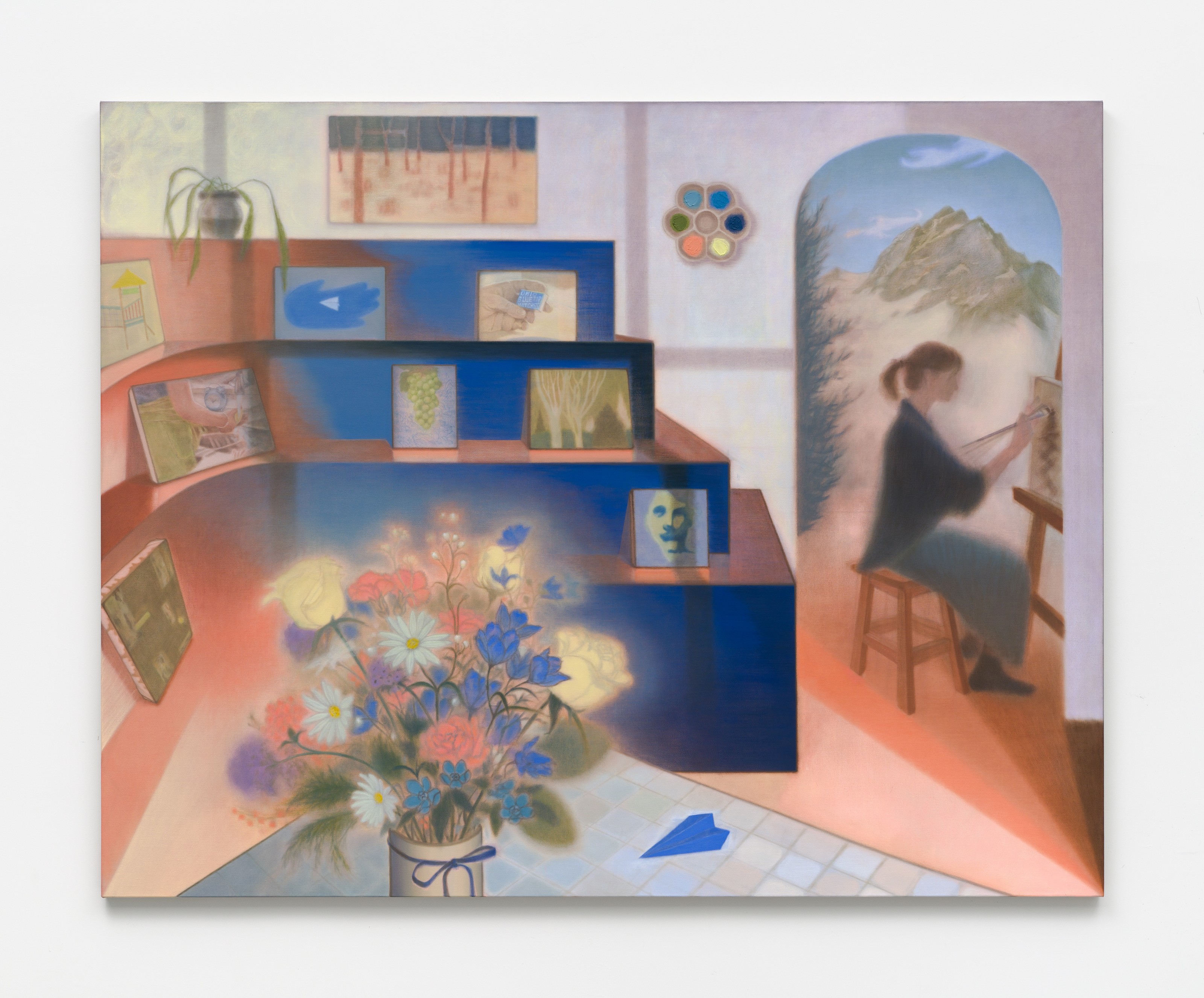
At its center is Painting, Again, a meditation on return. The artist draws from the lives of close friends, women who, after years devoted to caregiving and domestic life, have begun to reclaim their artistic practices. Once immersed in the shared experiences of art school, their paths diverged as time and responsibility intervened. Now, in the margins of their daily routines, they have carved out space to paint again. A corner of a room, a patch of floor, a quiet morning after sending children to school, these become sites of reawakening. Within the composition, works created by these friends are embedded into the painting itself, following conversations in which each selected the piece they felt most deeply connected to. Their images, of a woman at the sink, of a solitary figure, of landscapes and fleeting gestures, coexist within the artist’s own pictorial space. In this layering, authorship becomes shared, and painting becomes a site of quiet solidarity.

Painting by Guimi You

Guimi You

Let the Sunlight in, 2026

Painting by Guimi You

Guimi You

The Shape of Silence, 2026

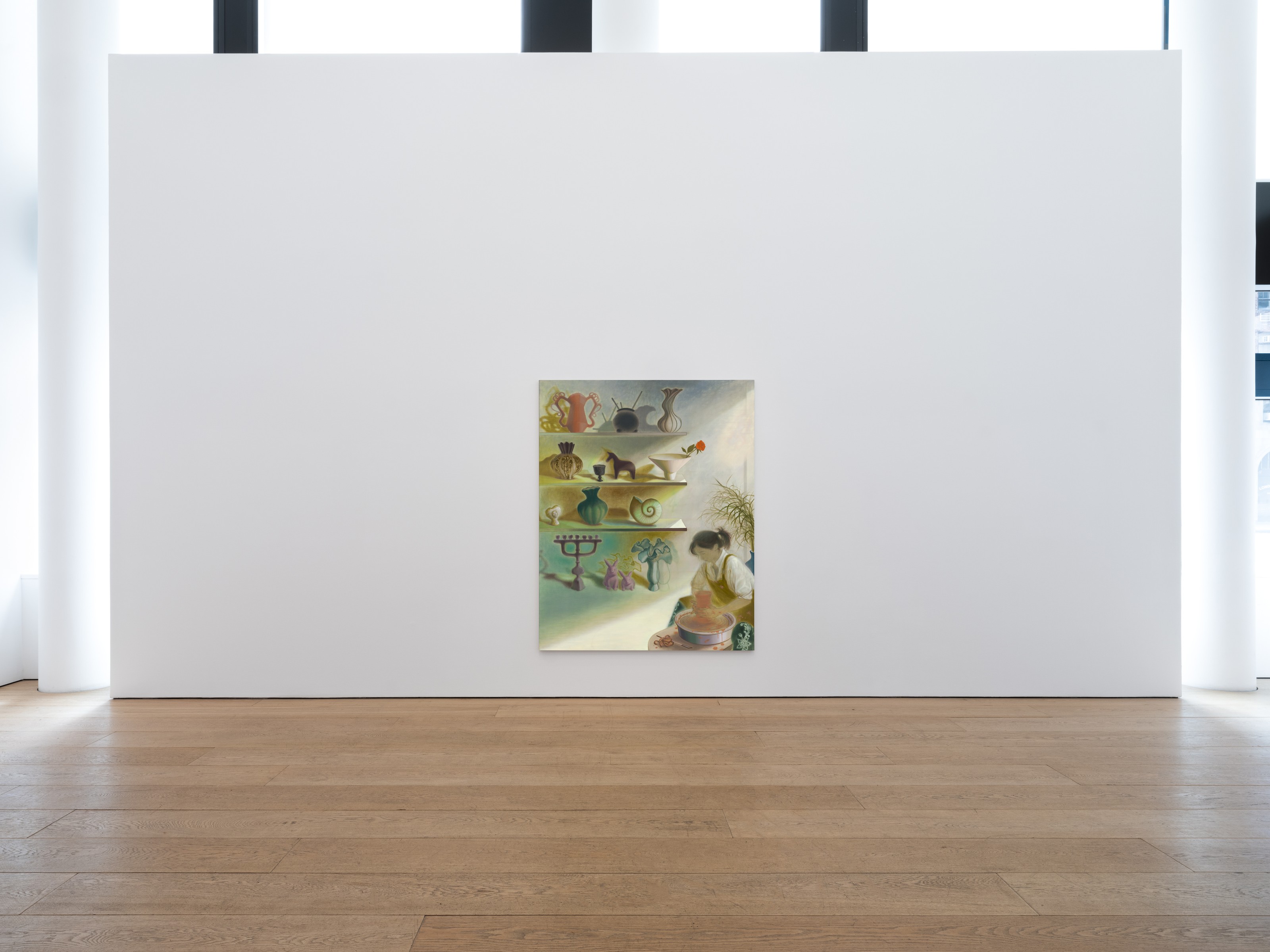
Guimi You installation view at Lehmann Maupin New York
Installation Views: 1 of 5
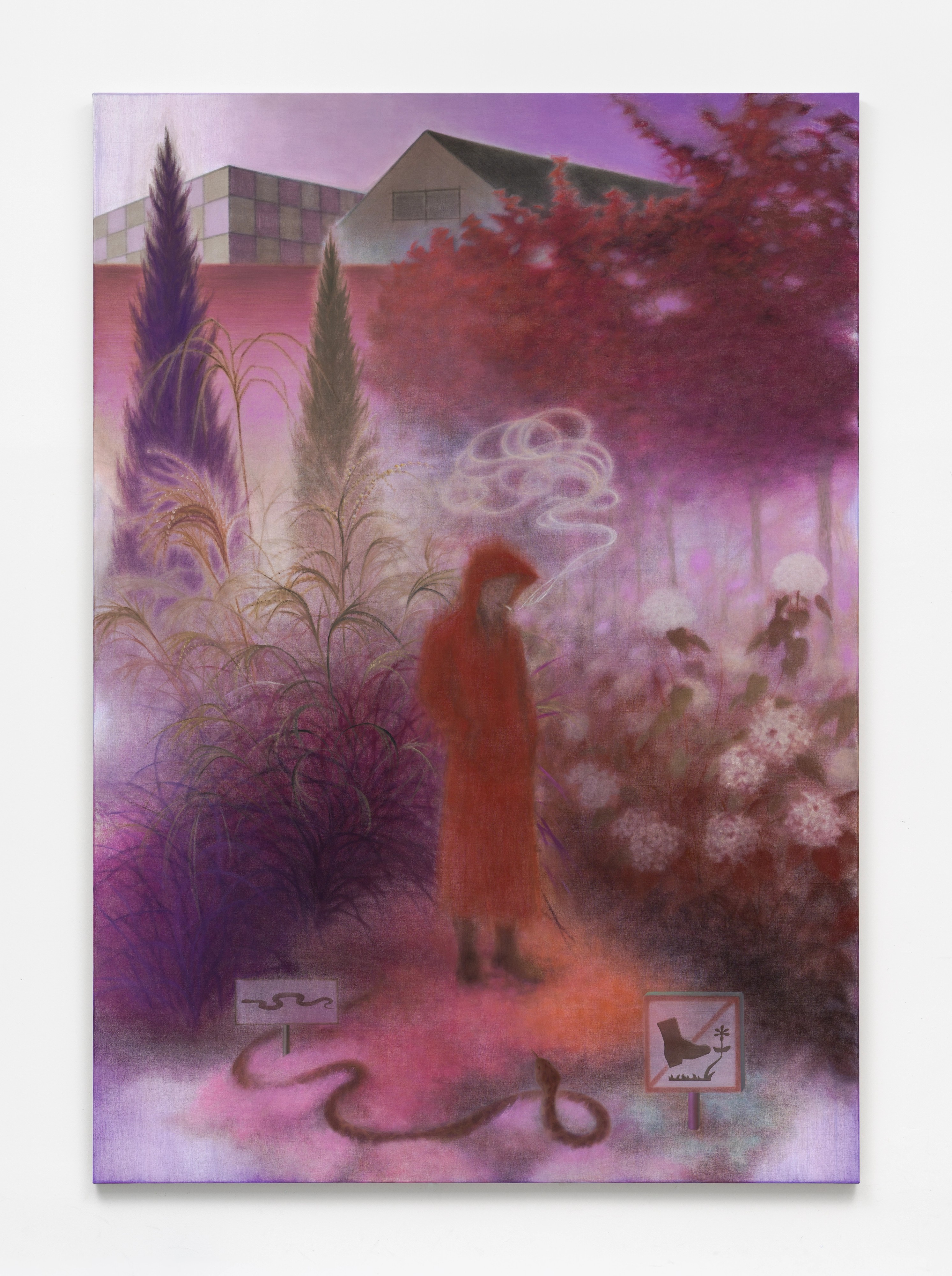
Painting by Guimi You

Guimi You

Painting, Again, 2026

“The artist depicted in the painting is still working alone in a dark, quiet space. But the sunlight is on its way—it will soon reach this place. For me, it represents the belief that even when someone is going through a difficult or uncertain time, hope is already approaching. In this sense, the sunlight in this exhibition is a quiet gesture of support, hope, and faith in the courage to begin again.” —Guimi You

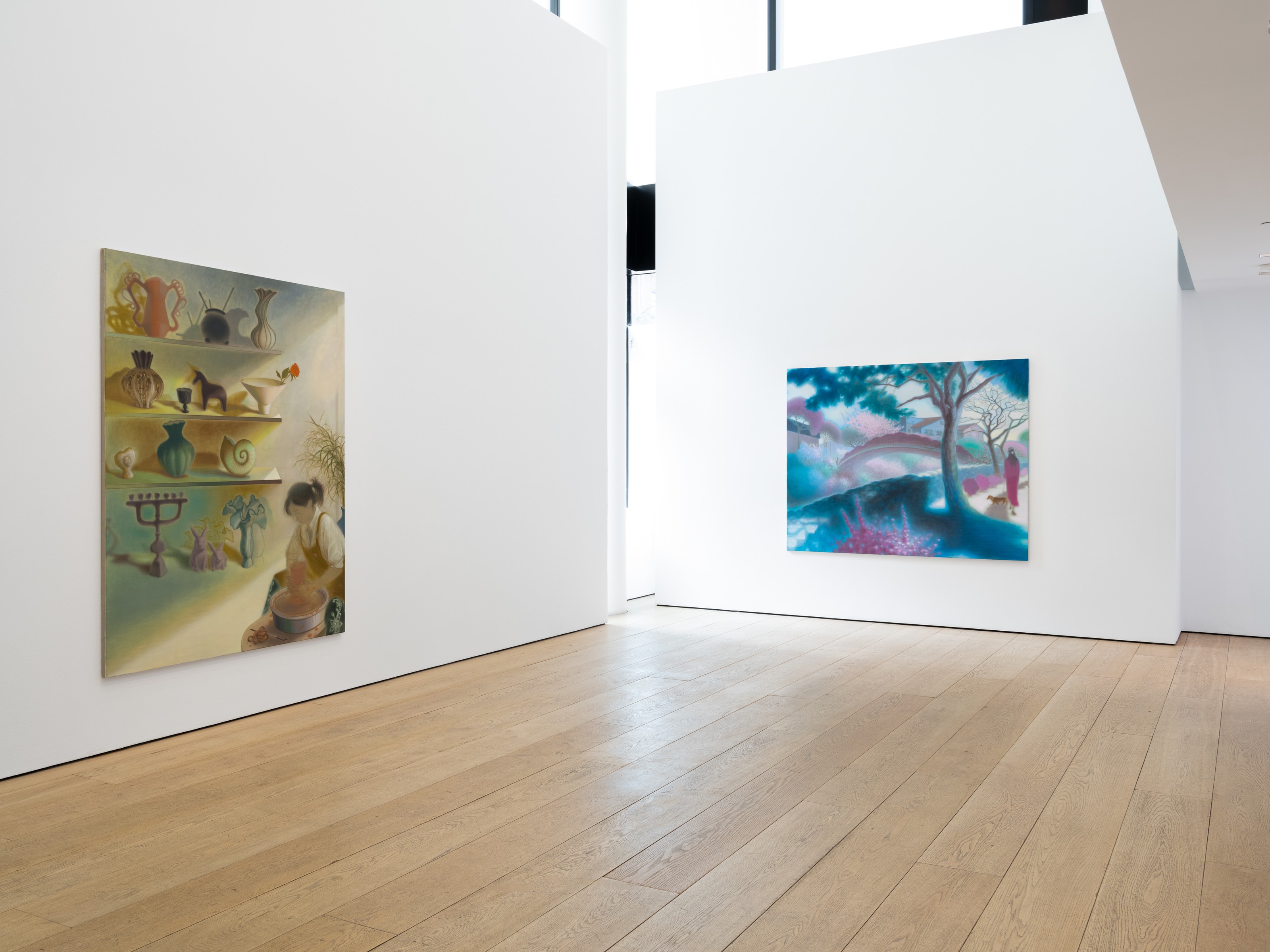
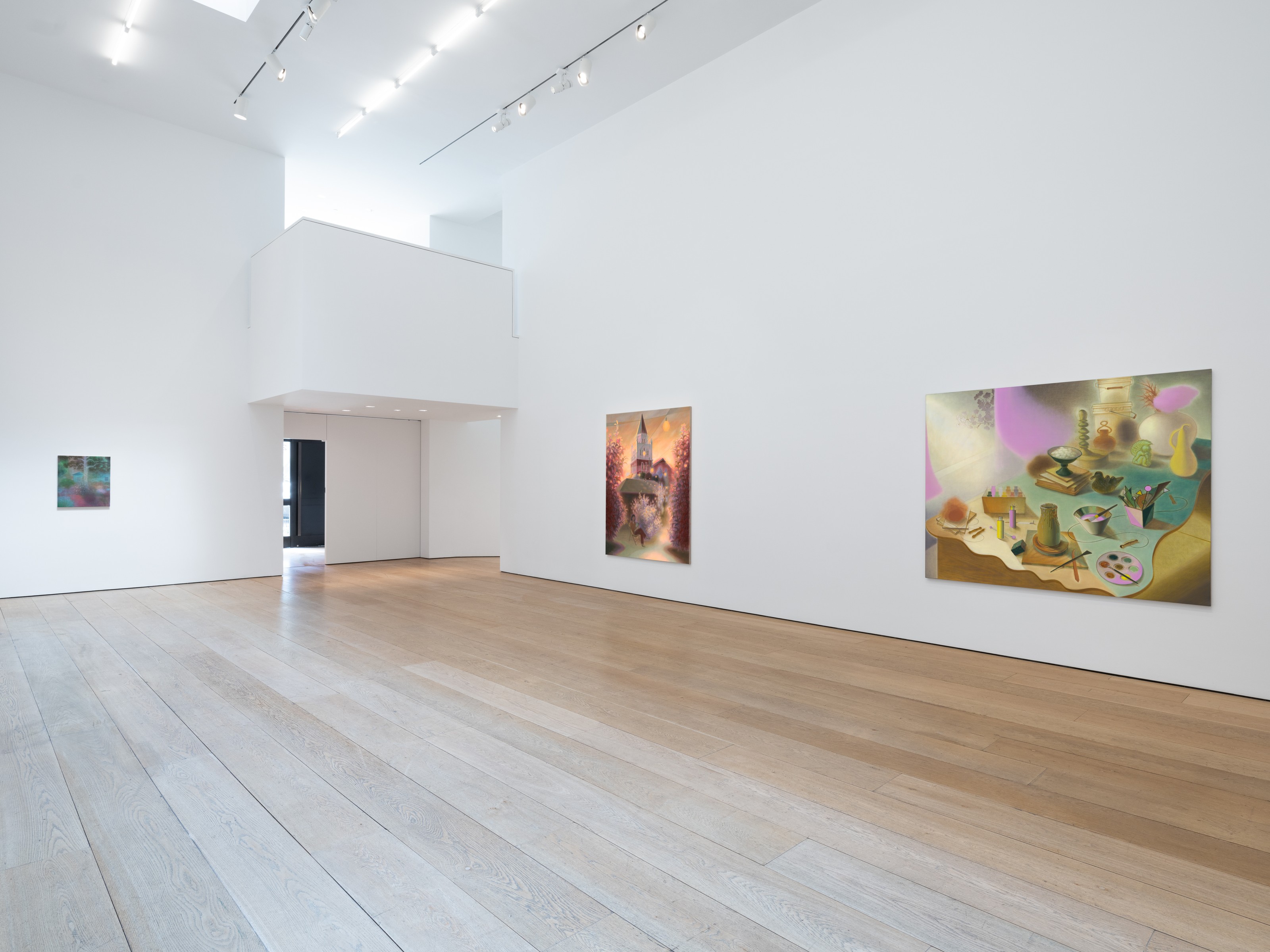
Guimi You installation view at Lehmann Maupin New York
Installation Views: 1 of 4
Painting by Guimi You

Guimi You

Violet Haze, 2026

Painting by Guimi You

Guimi You

Golden, 2026

Guimi You Painting

Guimi You

Soft Afternoon, 2026

Painting by Guimi You

Press Highlights

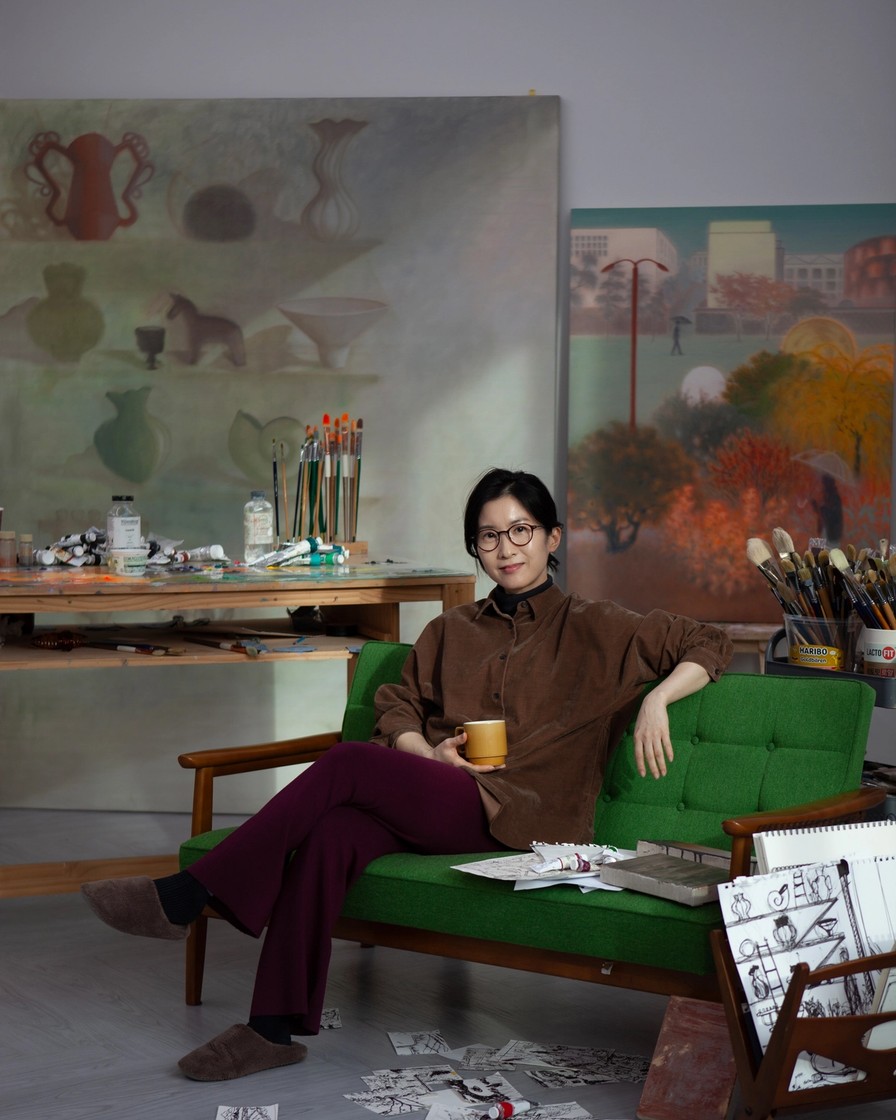
Portrait of Guimi You

Guimi You (b. 1985, Seoul, South Korea; lives and works in Seoul, South Korea) is a painter whose work explores the emotional resonance of landscapes, interiors, and solitude. Through vibrant and poetic use of color, she creates atmospheric scenes that blend observation and imagination, capturing the fleeting sensations of memory, reflection, and presence. Her paintings often depict tranquil environments—flower-filled hillsides, still ponds, domestic spaces—that become sites for introspection and deeper engagement.

Originally trained in East Asian painting, You’s understanding of its pictorial traditions—where painting is not an act of depiction, but of evocation—anchors her approach. Her surfaces are built through a sensitive modulation of tone and translucency, where forms emerge gradually rather than being firmly outlined, echoing the atmospheric principles of traditional Korean landscape painting. After studying in South Korea, she lived in the United Kingdom and the United States, where she began working with oil paint and immersed herself in Western painting, wherein the external world often functions as a mirror for inner states. Today, You’s work sits at the intersection of Eastern and Western traditions, combining the delicacy and fluidity of ink with the depth and materiality of oil.

Learn about the artist