Skip to content

Multiple Artists

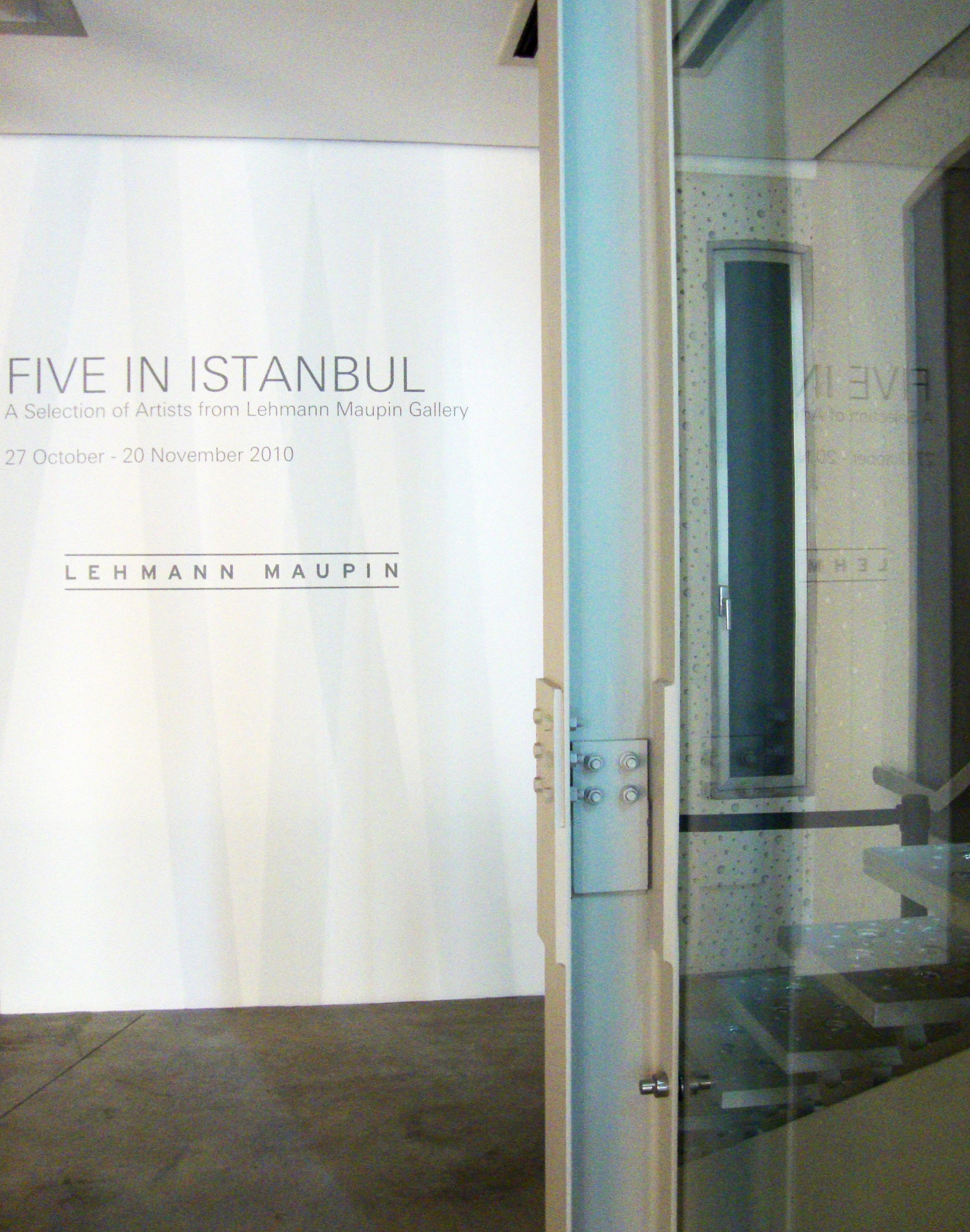
Five in Istanbul: A Selection of Artists from Lehmann Maupin Gallery

Beyoglu, Istanbul

Oct 27–Nov 20, 2010

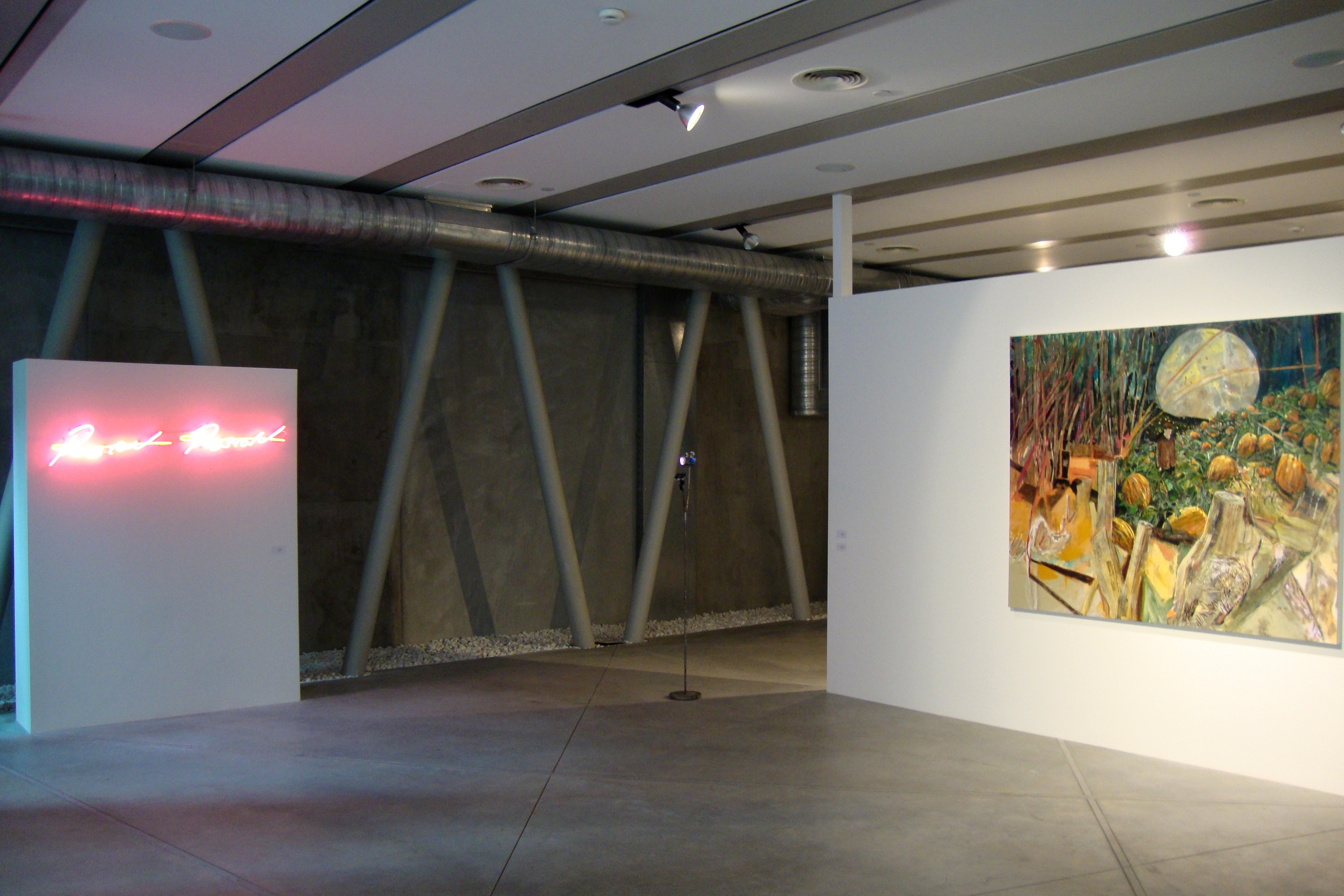
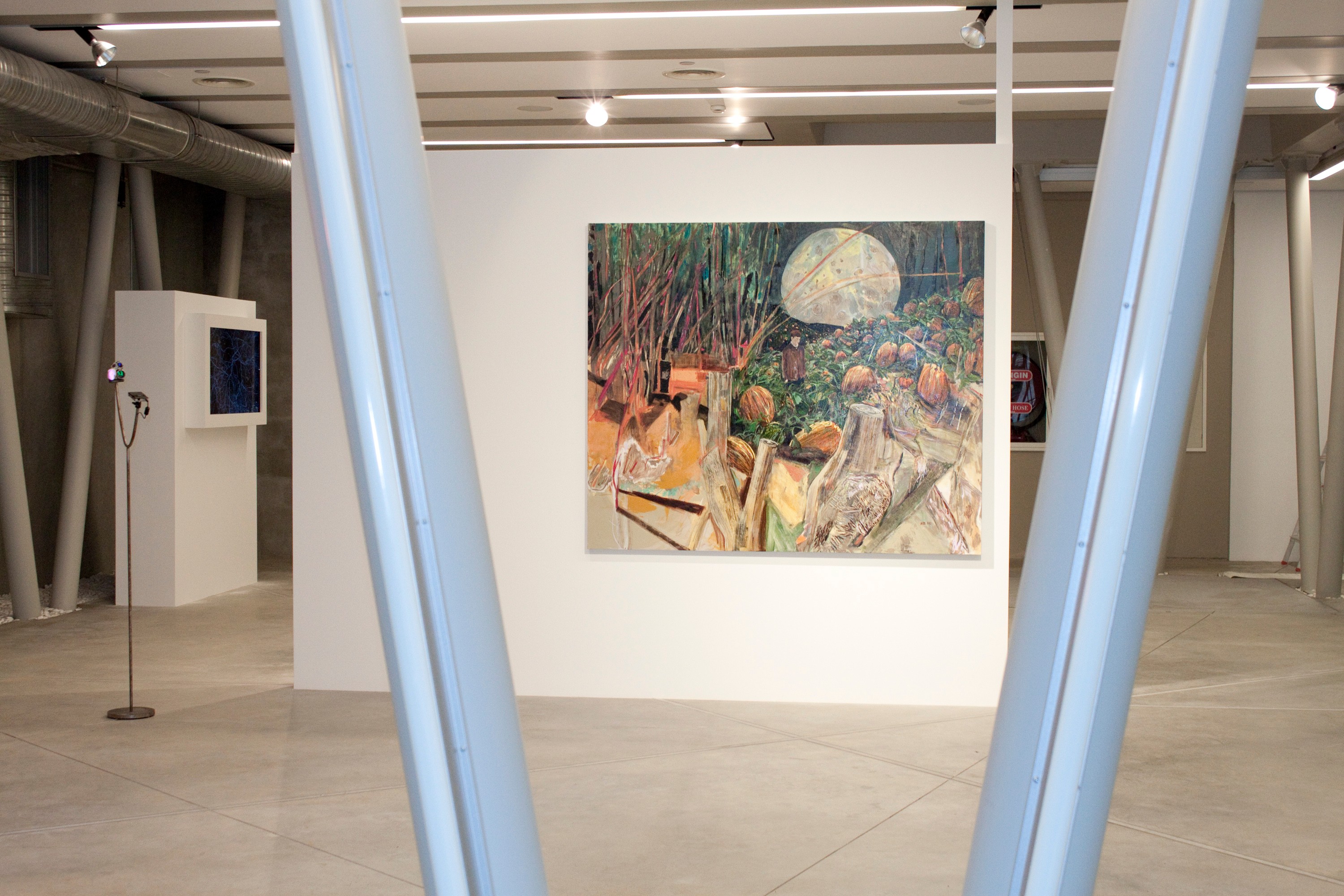
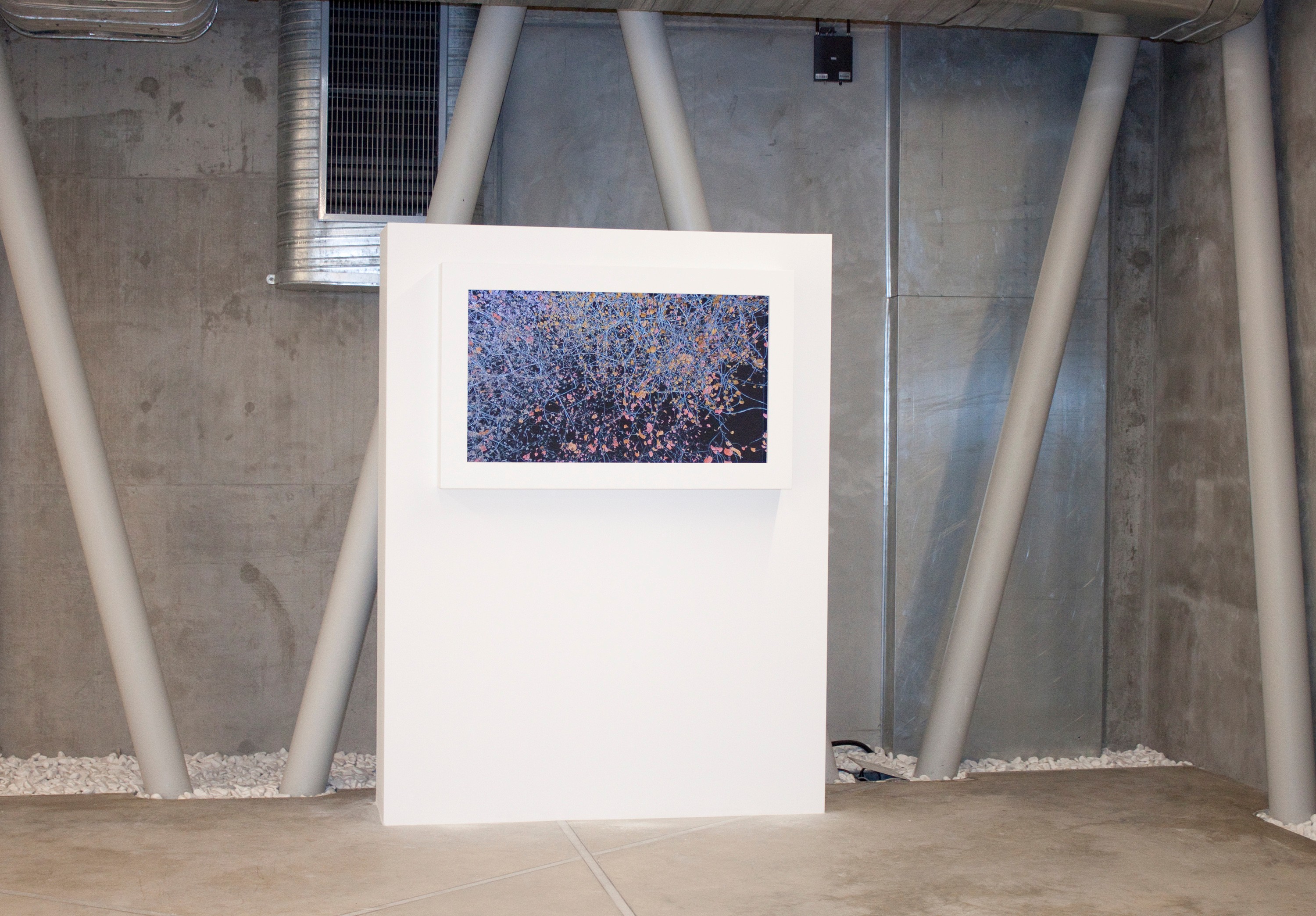
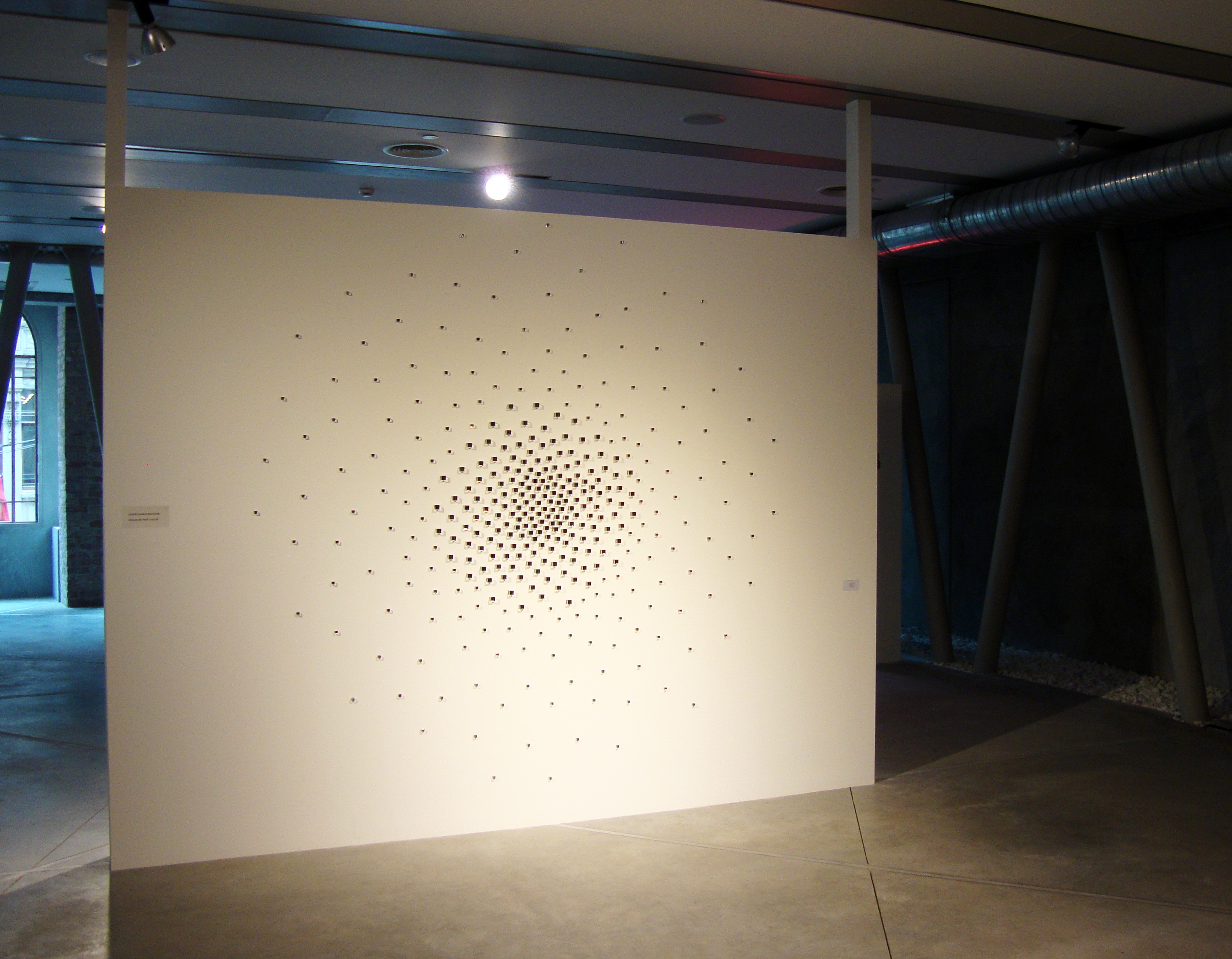
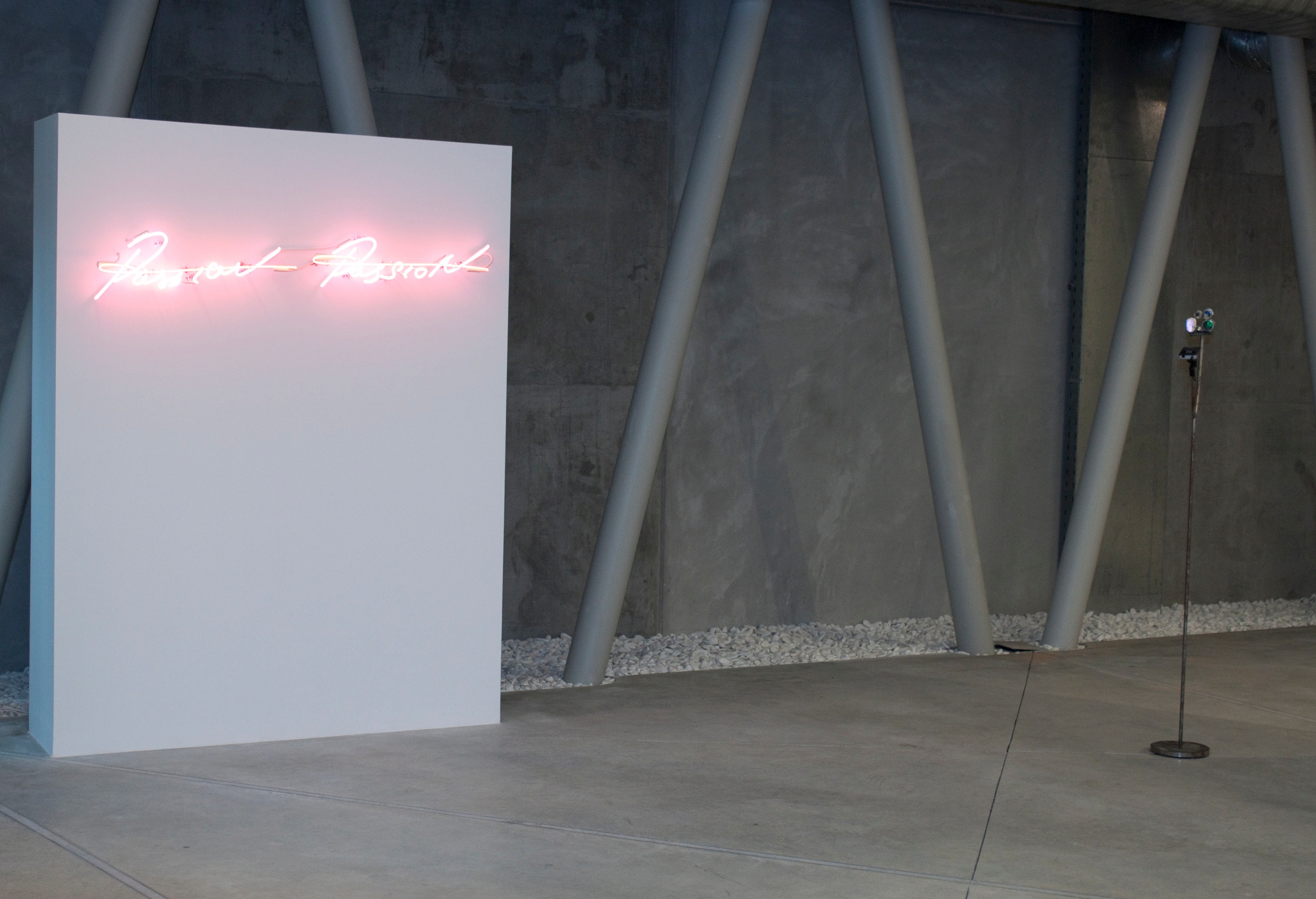
Installation view of Five in Istanbul at Borusan Müzik Evi

Istiklal Caddesi, Orhan Adli Apaydin, Sokak No: 1

Beyoglu, Istanbul

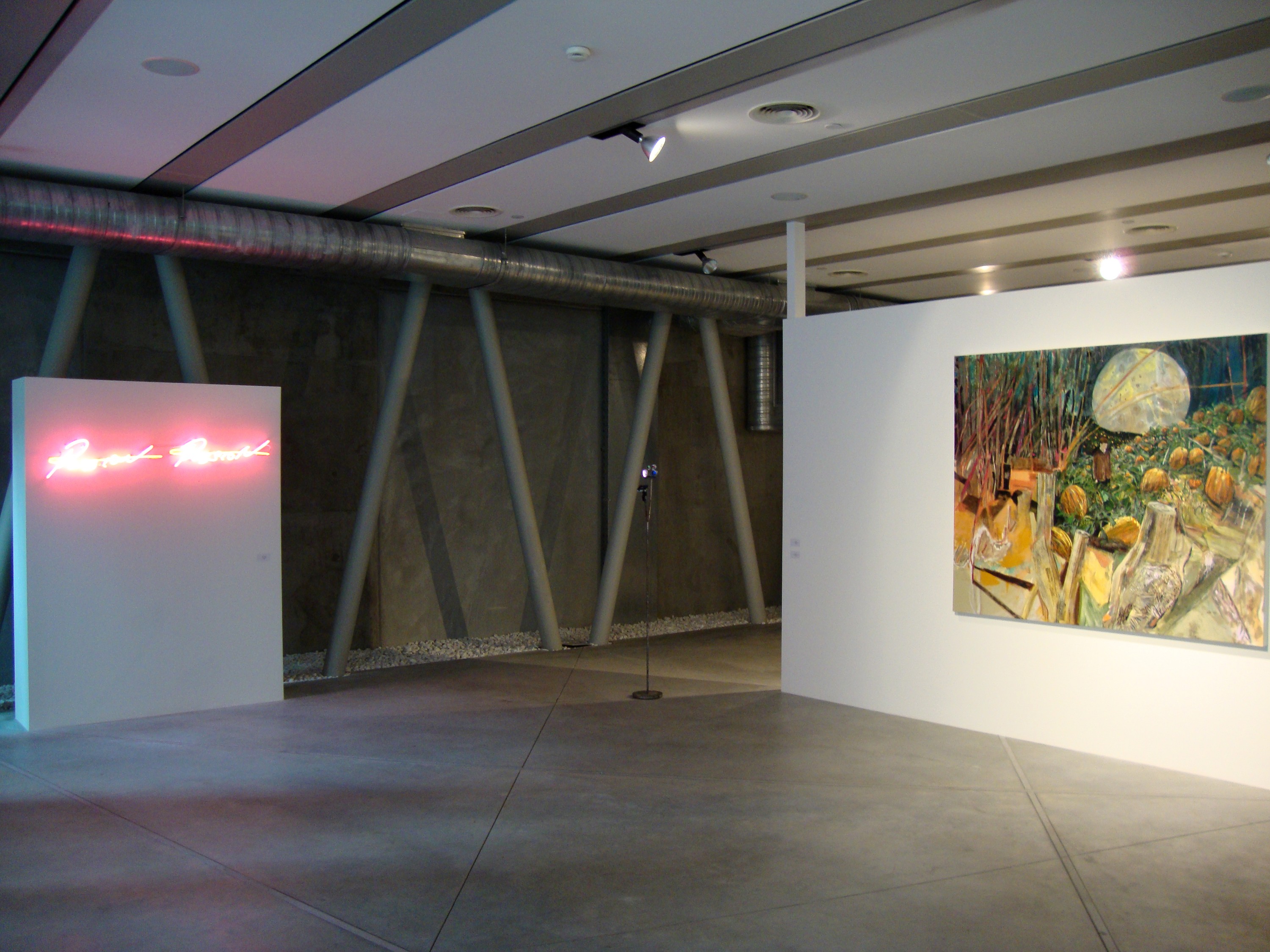
Lehmann Maupin is pleased to present Five in Istanbul: A Selection of Artists from Lehmann Maupin Gallery, on view at Borusan Müzik Evi in Istanbul, Turkey. Five in Istanbul, Lehmann Maupin’s debut exhibition in Turkey, curated by Isabella Icoz, will feature works by a selection of Lehmann Maupin's internationally acclaimed artists including Hernan Bas, Teresita Fernández, Tracey Emin, Tony Oursler, and Jennifer Steinkamp.

Installation view of Five in Istanbul at Borusan Müzik Evi
Installation Views
1 of 3:
Installation view of Five in Istanbul at Borusan Müzik Evi
Installation Views
1 of 3:
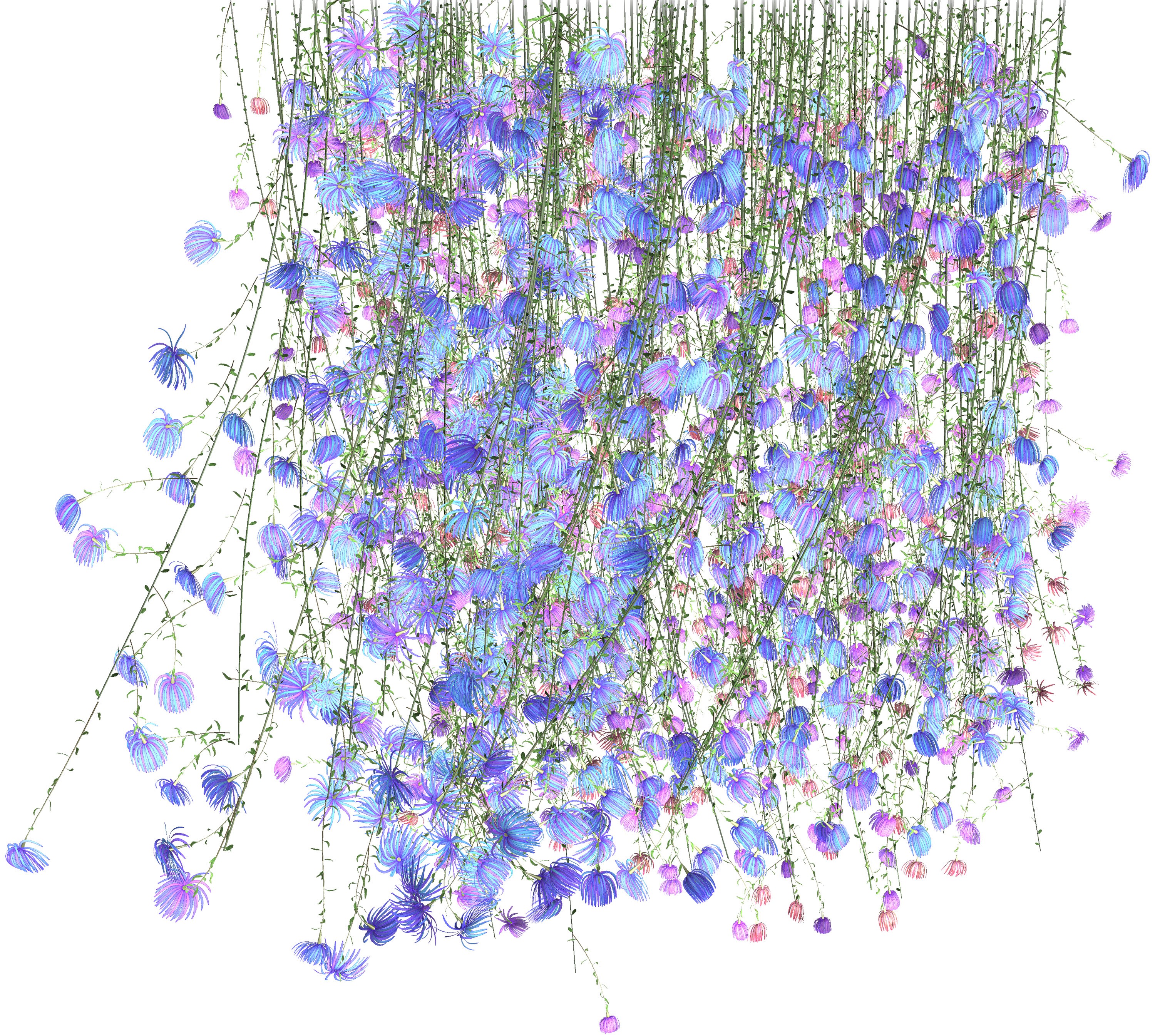
Video installation by Jennifer Steinkamp

Jennifer Steinkamp

Rapunzel 1, 2005

Exhibition Artists

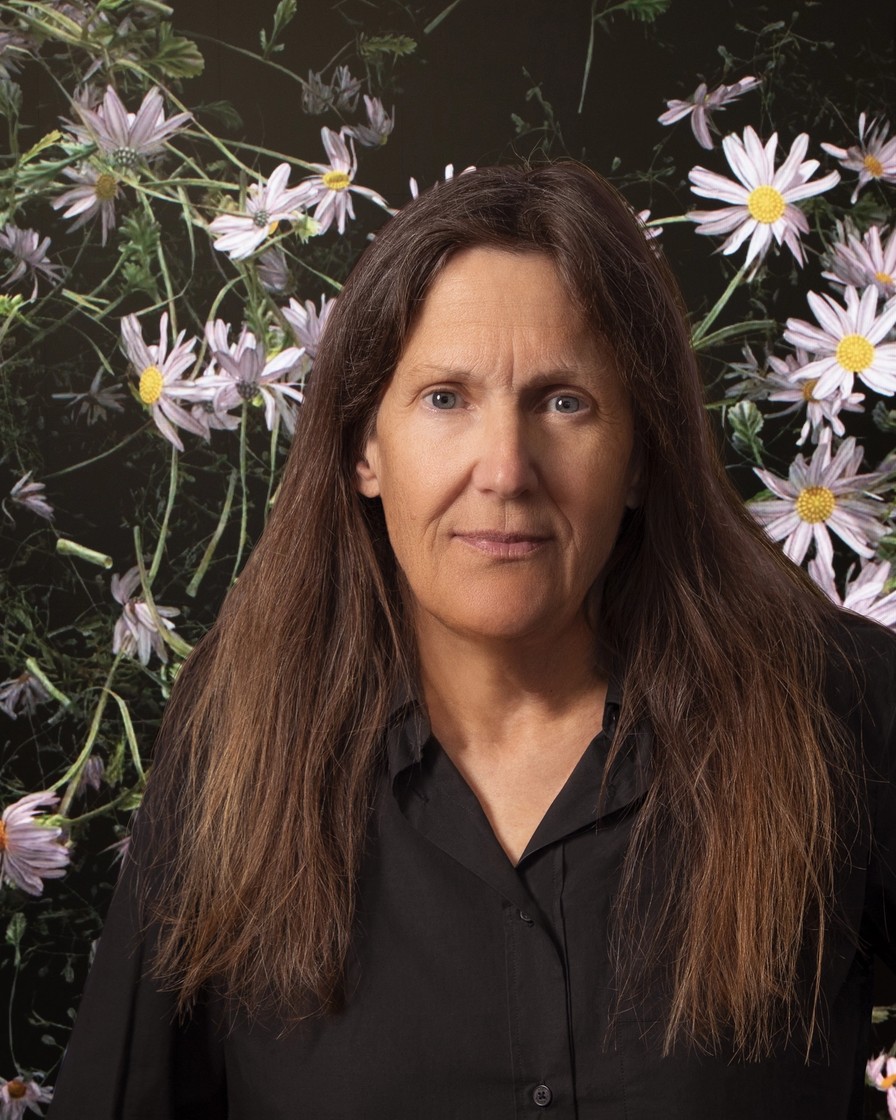
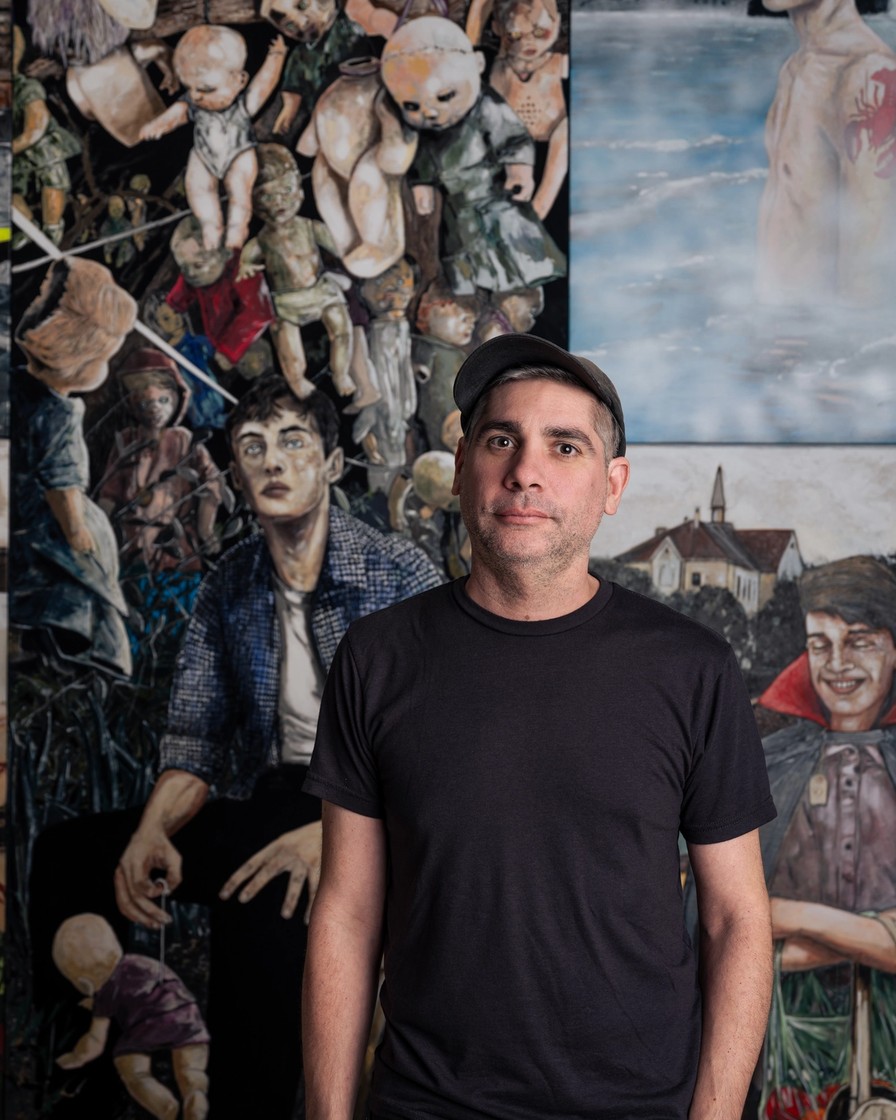
Portrait of Hernan Bas

Hernan Bas (b. 1978, Miami, FL; lives and works in Miami, FL) creates paintings, works on paper, videos, and installations that weave together adolescent adventures with classical poetry, religious stories, mythology, the paranormal, and literature. Influenced by the Romantic era of the 18th century that glorified the sublime beauty of nature and the Decadent movement of the 19th century that evoked romantic nihilism, skepticism, excess, and artificiality, Bas’ early work often portrayed nearly hidden adolescent male figures, deep in contemplation amidst vast otherworldly landscapes. As the figure and the interiors they occupied became more and more prominent throughout Bas’ work, so did the social and cultural context within which they were living. Spanning a wide range of time periods and themes, Bas investigates inquisition, desire, and obsessions and invites the viewer to recognize their own curiosities and oddities.

While the young male figure remains prominent throughout Bas’ oeuvre, in his more recent work individual paintings become an in-depth investigation into a singular critical subject, addressing topics such as LGBTQIA+ activism and desire, politics, news, conspiracy theories, and the occult. Providing a unique perspective on American subculture and a contemporary version of History Painting, they allow us to consider the relevance of seemingly inconsequential moments in the past and present and offer space for critical reflection. For his November 2019 exhibition with Lehmann Maupin, TIME LIFE, Bas used the Time-Life Book series Mysteries of the Unknown as his inspiration. Published between 1987 and 1991, each book focused on a different paranormal topic, such as ghosts, UFOs, psychic powers, and dreams. Navigating the liminal space between reality and fiction, the grotesque and the beautiful, the odd and the mundane, Bas highlights cult phenomena from the past that offer insight into the political and social concerns of today.
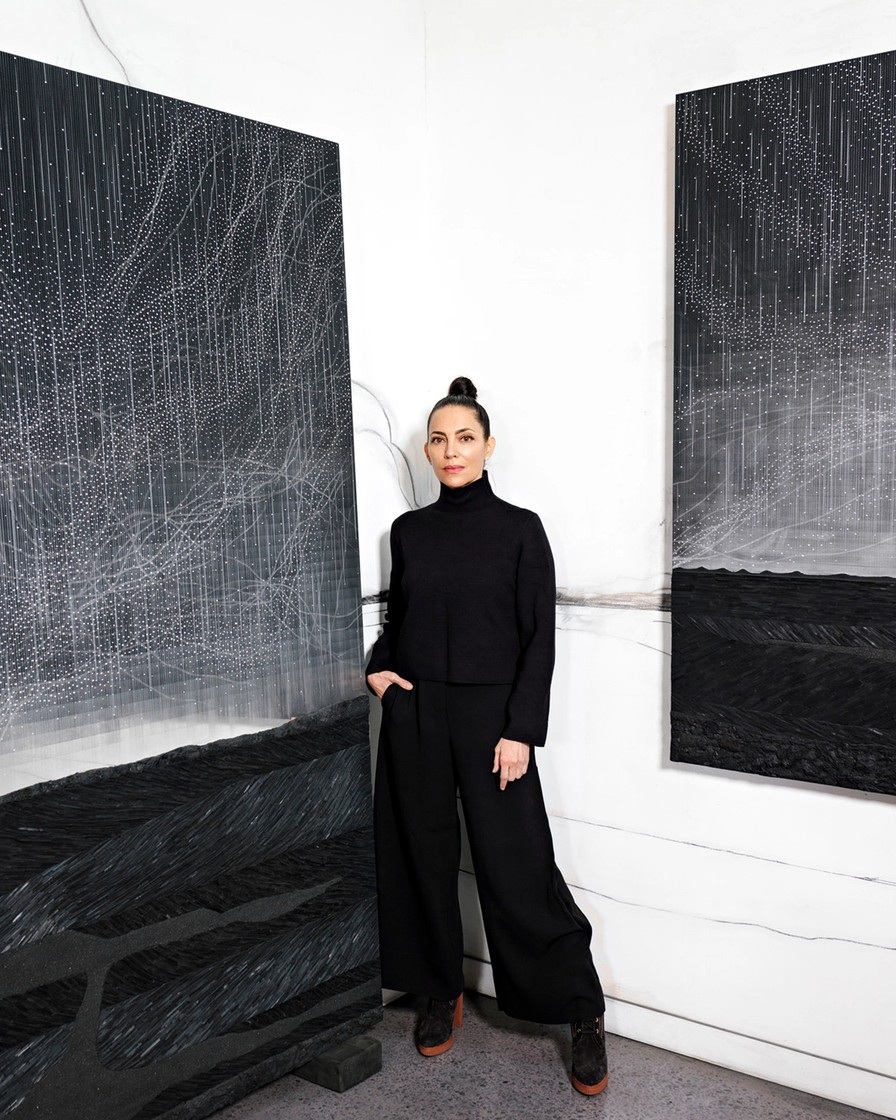
Portrait of Teresita Fernández

Teresita Fernández's work is characterized by an expansive rethinking of what constitutes landscape: from the subterranean to the cosmic, from national borders to the more elusive psychic landscapes we carry within. Fernández unravels the intimacies between matter, human beings, and locations. Her luminous, sculptural works poetically challenge ideas about land and landscape by amplifying the powerful, emotional connection in how we imagine place, and, by extension, one another. Fernández exposes the complex narratives that stem from distorted, colonial histories, elaborating on these themes in subtle ways that insist on intertwining beauty, the socio-political, the intimate, and the immense. Imagining the landscape with reciprocal sentience, Fernández has said “You look at the landscape, but the landscape also looks back at you."

Fernández is a 2005 MacArthur Foundation Fellow and the recipient of numerous awards, including a Creative Capital Award; Guggenheim Fellowship; the Louis Comfort Tiffany Biennial Award; an American Academy of Rome Fellowship (AFAAR); and a National Endowment for the Arts Individual Artist’s Grant in Visual Arts, among others. Her works have been exhibited and collected both nationally and internationally including: The Museum of Modern Art, New York; The Whitney Museum of American Art; the San Francisco Museum of Modern Art; The Menil Collection; Philadelphia Museum of Art; Pérez Art Museum Miami; Modern Art Museum of Fort Worth; Centro de Arte Contemporáneo de Málaga, Spain; The Museum of Fine Arts, Boston; SITE Santa Fe; The Smithsonian Museum of American Art; MASS MoCA; and Castello di Rivoli, Italy, among others. She lives and works in Brooklyn, New York

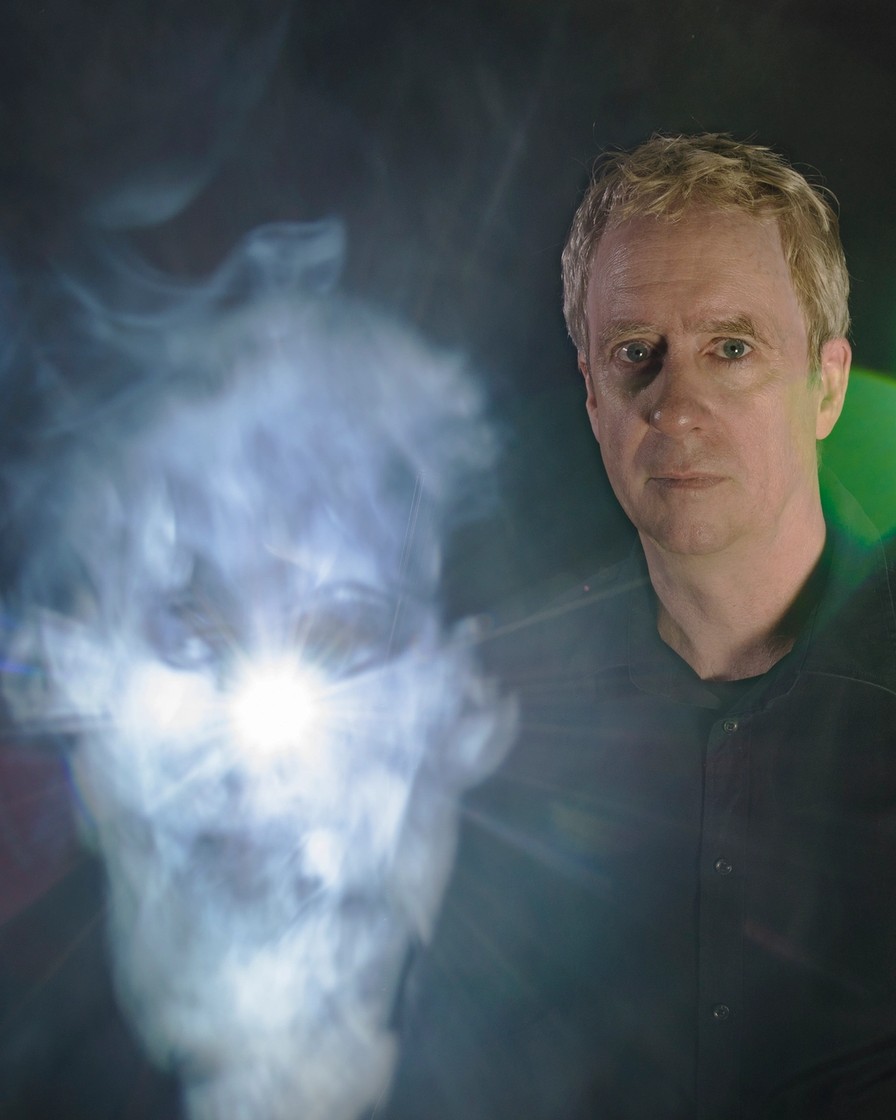
Portrait of Tony Oursler

Tony Oursler (b. 1957, New York, NY; lives and works in New York, NY) is best known for his innovative integration of video, sculpture, performance and installation. A pioneering figure in new media since the 1970s, Oursler has since explored diverse methods of exploring popular culture, historical and sub-cultural themes while incorporating the moving image into his practice, breaking video art out of the two-dimensional screen to create immersive environments with the use of light sound and projections. In 2000, Oursler began a series of large scale outdoor projection projects which incorporate landscape, water, smoke, trees, architecture, performative and sculptural elements; some are permanently installed. His sculptures, wall works and installations present a rich visual multimedia experience which often incorporates cultural references and information that seeks to actively engage the viewer. His artworks often employ poetics and humor to explore a wide range of subjects such as belief systems, facial recognition, superstition, conspiracy theories, UFOs and the role technology plays in altering, inhibiting, and expanding social behavior.

Oursler received a B.F.A. from the California Institute of the Arts in 1979. Solo exhibitions of his work have been organized at Kunst Museum Winterthur, Winterthur, Switzerland (forthcoming, 2025); Boca Raton Museum of Art, Boca Raton, FL (2024); SCAI PIRAMIDE, Tokyo, Japan (2024); Photo Elysée, Lausanne, Switzerland (2022); K11 Musea, Hong Kong (2021); Kunstraum Dornbirn, Dornbirn, Austria (2021); Kaohsiung Museum of Fine Arts, Kaohsiung City, Taiwan (2021); Musée d’Arts de Nantes, Nantes, France (2020); Nanging Eye Pedestrian Bridge, Nanjing, China (2019); Public Art Fund, New York, NY (2018); The Museum of Modern Art, New York, NY (2016); LUMA Foundation, Arles, France (2015); Stedelijk Museum, Amsterdam, the Netherlands (2014); Tate Modern, London, United Kingdom (2013); Museu de Arte Moderna, São Paulo, Brazil (2013); Pinchuk Art Centre, Kiev, Ukraine (2013); Art Sonje Center, Seoul, South Korea (2012); ARoS Aarhus Kunstmuseum, Aarhus, Denmark (2012); and Jeu de Paume, Paris, France, traveling to the DA2 Domus Artium, Salamanca, Spain, and the Kunstforeningen, Copenhagen, Denmark (2005), among numerous others.

Portrait of Jennifer Steinkamp

Jennifer Steinkamp (b. 1958, Denver, CO; lives and works in Los Angeles, CA) is a pioneer in the field of 3-D animation. Working exclusively in digital media, she uses cutting-edge technology to render organic and abstract forms in motion to give deeper insight into the often-unseen complexities of the natural environment in relation to human perception. Her immersive installations are projected at a large scale in response to the architecture in which they appear and alter the viewer’s typical experience of an art object, inviting a more sensorial understanding of our relation to space and time. For each series, Steinkamp designs and digitally simulates the movement of organic and abstract forms such as trees, flowers, floating fabrics, asteroids, organisms, and fruit. Her work is an examination of the natural environment that engages with art historical genres such as 16th century Dutch still-life painting, science fiction, scientific illustrations and political subjects.

Steinkamp’s works are displayed as site-specific projections that amplify their architectural setting by blurring the boundary between real and illusionistic space. These animated environments often have underlying personal or historical significance. For example, with three of her tree animations, shown in every season, Steinkamp titles each as an homage to a former teacher, such as Miss Znerold, Judy Crook or Mike Kelley. Other series, like Still-Life, are a critical nod to the 16th century genre of Dutch and Flemish still-life painting that offered visual allegories about the fragility of life and the passage of time. Composed through the careful orientation of everyday objects such as food, flowers, dead animals, and plants, these historical works were often notable for their static quality and macabre representation of death. In Steinkamp’s re-imagination of the still life, she animates this genre through the representation of (female) fruit bearing plants that move and collide, she is fascinated by the incorporeal in nature and science. If anything, this is a consistent current in her artwork. There is so much more in the universe than what we sense and feel; She believes we are surrounded by sentience in all lifeforms. She uses the tangible invisible forces in air and the uncanny forms and motion of plants to communicate this.