Skip to content

Erwin Wurm

54th International Venice Biennale

Venice

Jun 4–Nov 27, 2011

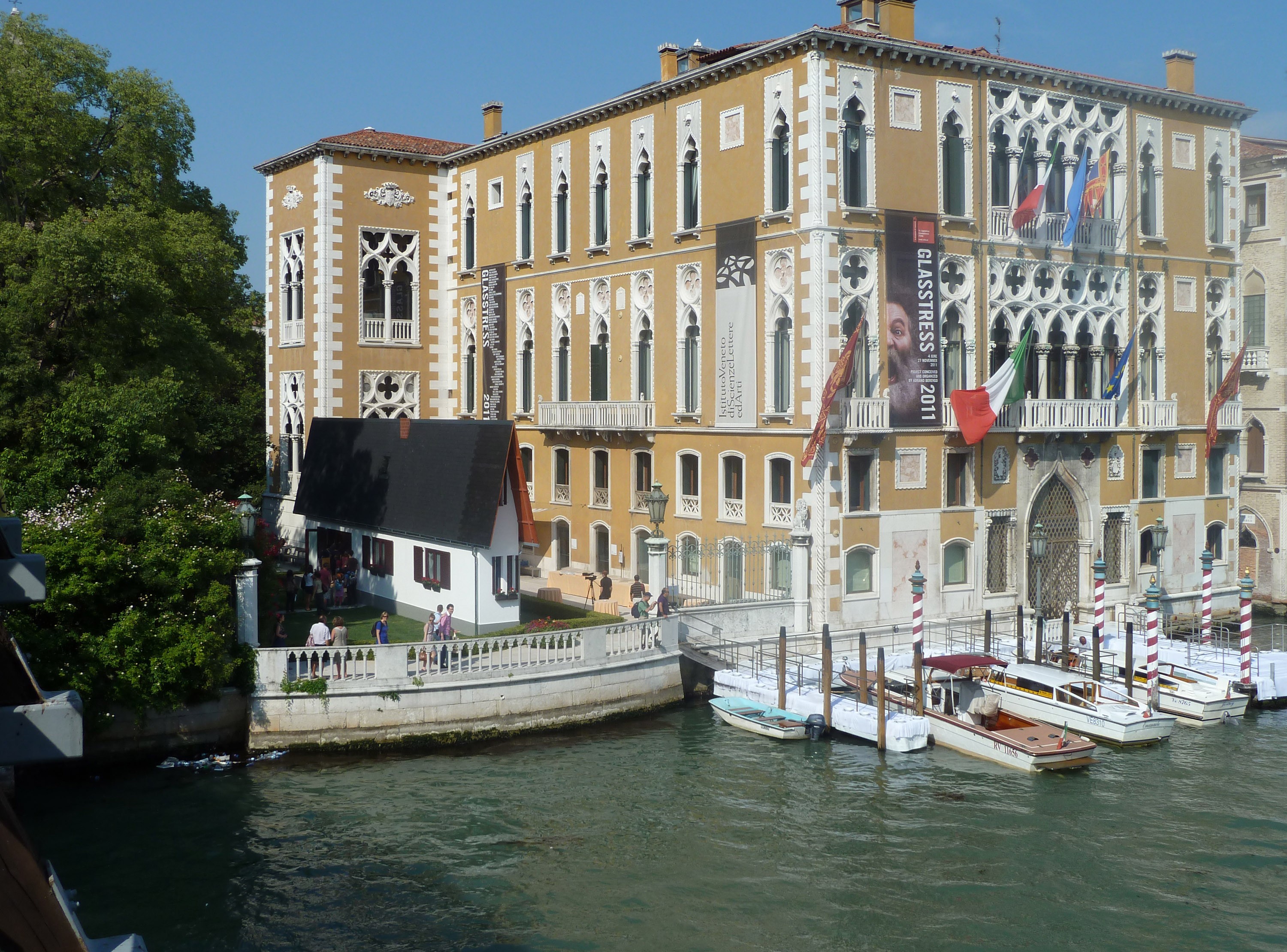
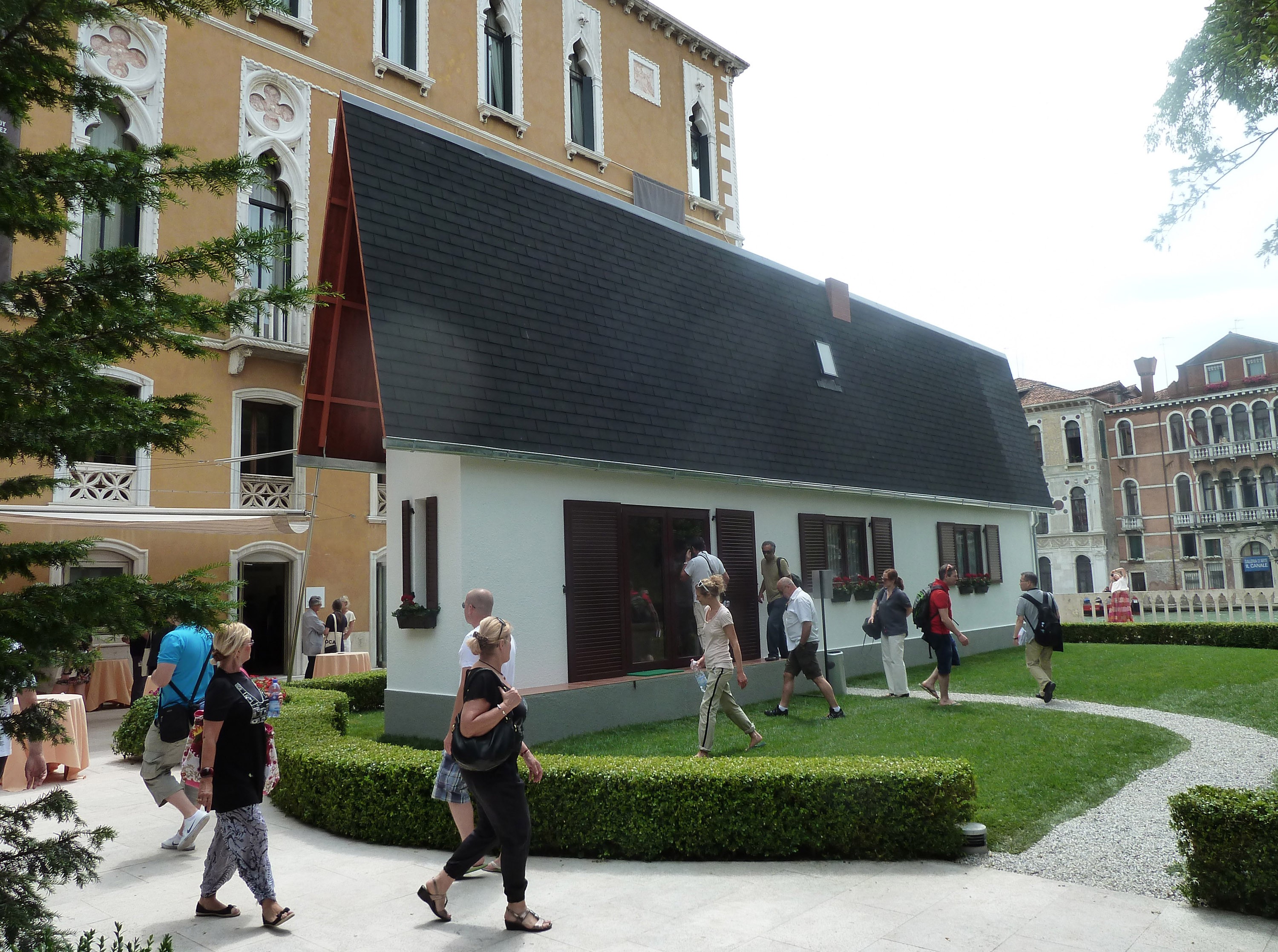
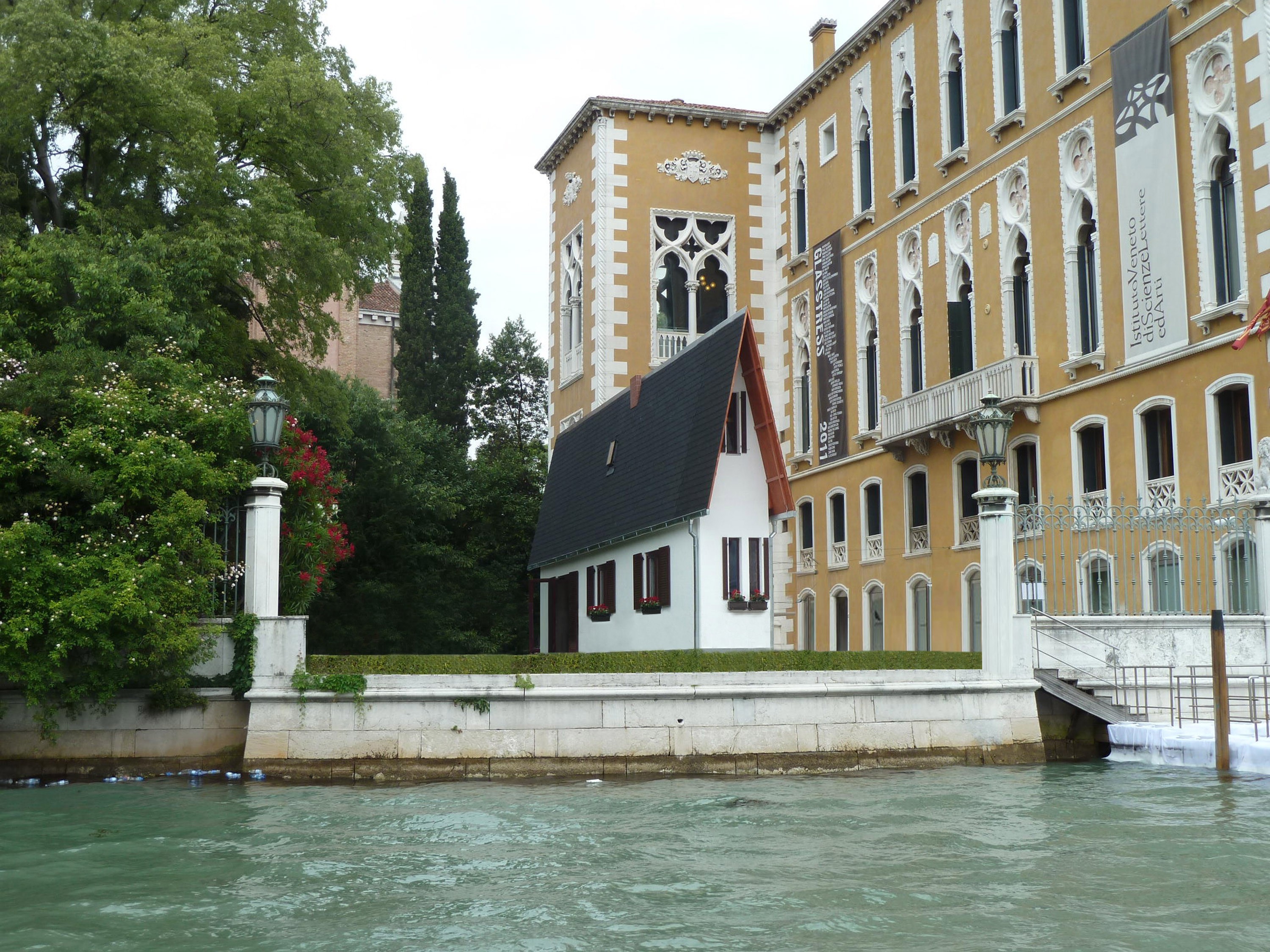
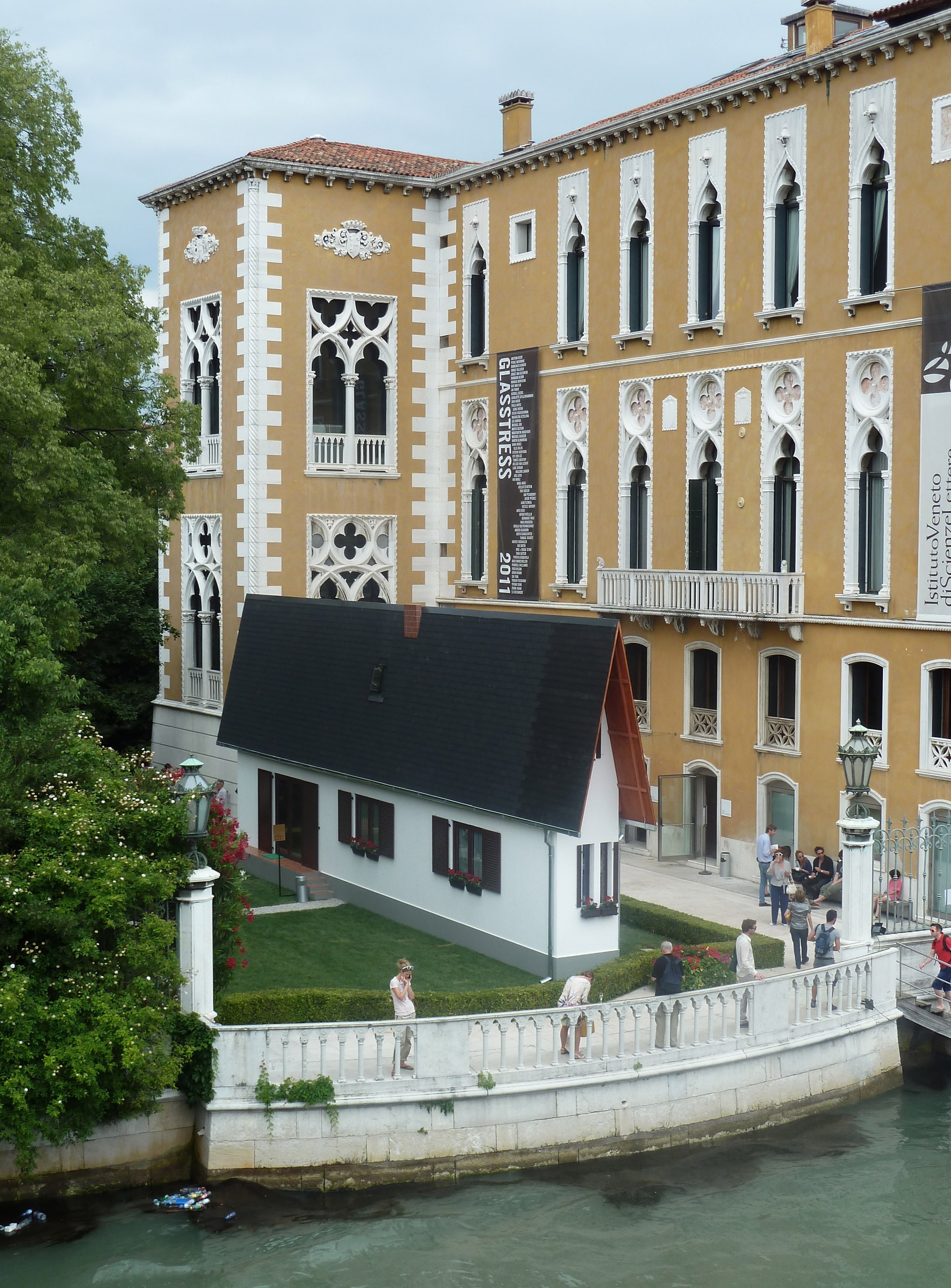
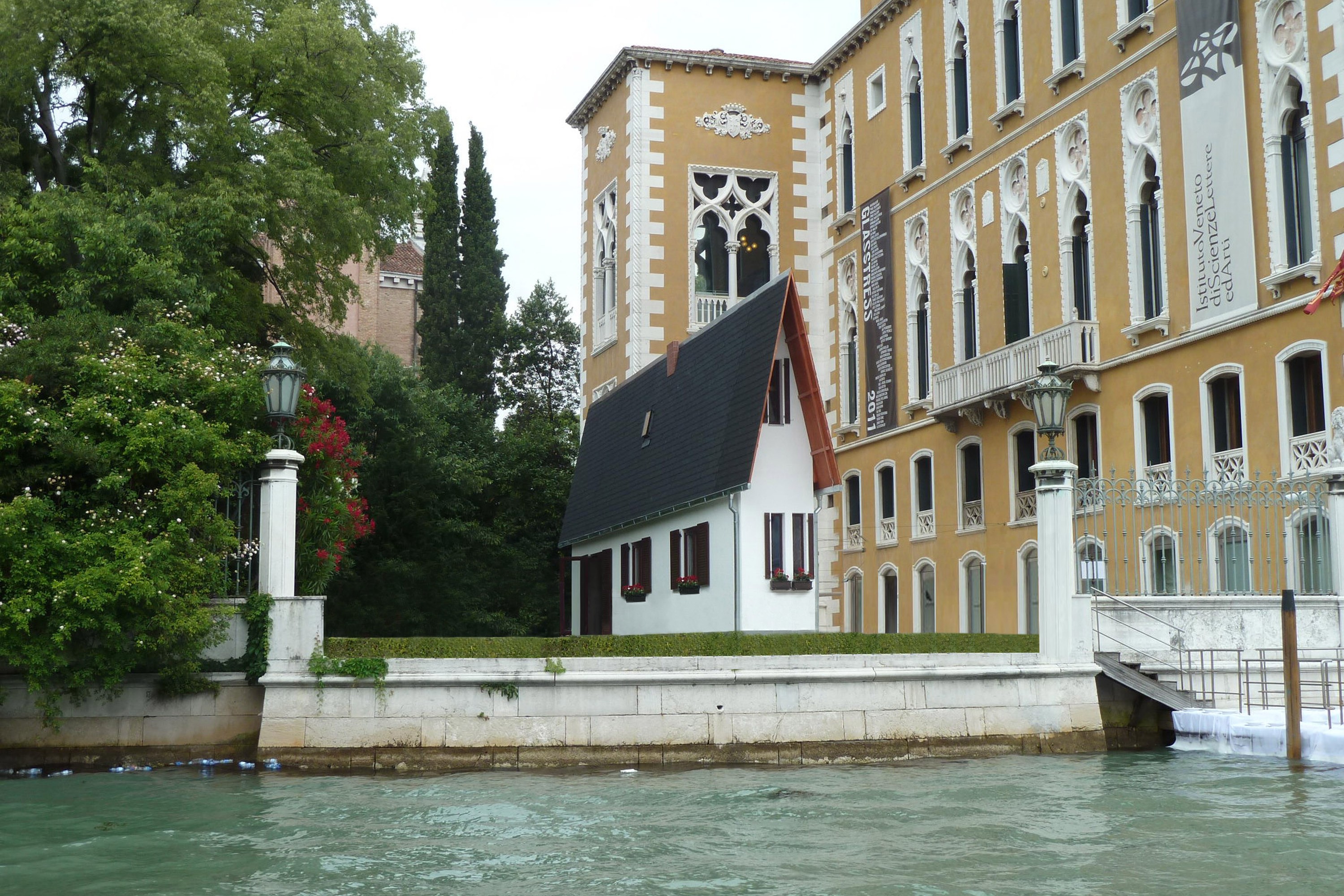
Installation view of Erwin Wurm in Glasstress at 54th Venice Biennale

Venice

Opening in Venice on 4 June 2011 will be the second edition of Glasstress, the contemporary art exhibition in which important stars on the international scene match their talents with the use of glass. The exhibition to be held at Palazzo Cavalli Franchetti (seat of the Istituto Veneto di Scienze Lettere ed Acti) and the Berengo Centre for Contemporary Act and Glass will include sculptures, installations and design objects. Conceived by Adriano Berengo and produced by Venice Projects, Glasstress 2011 will be curated by Bonnie Clearwater, Lidewij Edelkoort, Peter Noever and Demetrio Paparoni and the catalogue will have contributions from important international critics.

Glasstress 2011 will be open to the public until November 27, 2011, and among other things will exhibit sculptures and installations of glassworks especially created by Domenico Bianchi, Tony Cragg, Jan Fabre, Francesco Gennari, Zhang Huan, Liu Jianhua, Michael Joo, Vik Muniz, Tony Oursler, Javier Perez, Jaume Plensa, Bernardi Roig, Thomas Schutte, Doug and Mike Starn, Fred Wilson, Erwin Wurm and many others.

Installation view of Erwin Wurm in Glasstress at 54th Venice Biennale
Installation Views
1 of 4:
Installation by Erwin Wurm

Erwin Wurm

Narrow House, 2010

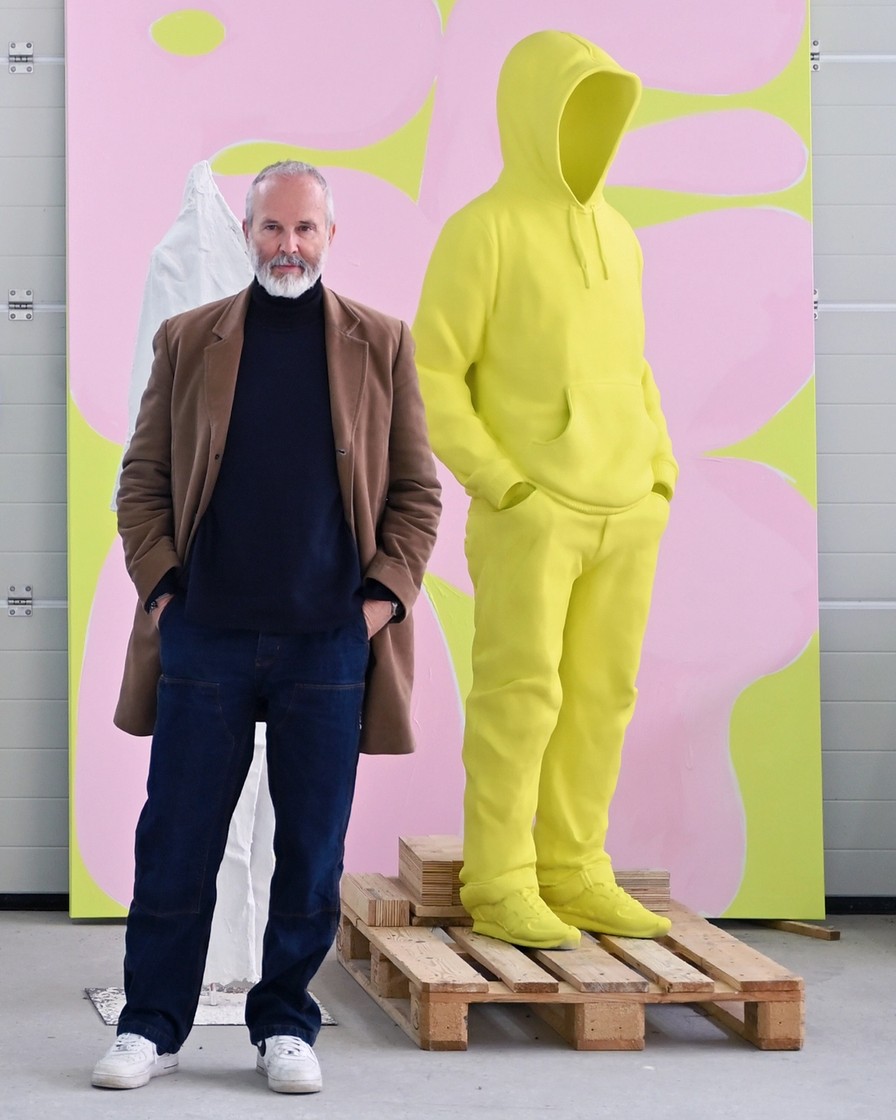
Portrait of Erwin Wurm

Erwin Wurm (b. 1954, Bruck an der Mur/Styria, Austria; lives and works in Vienna and Limberg, Austria) is an Austrian artist whose practice has radically expanded the possibilities of sculpture over the past four decades. Rooted in conceptual questions about what sculpture can be, how it can occupy space, and how the body, everyday objects, and gestures might become sculptural forms, Wurm’s work challenges conventional definitions of the medium. While his oeuvre is filled with larger-than-life-size pickles, anthropomorphic sausages, empty suits, and impossibly proportioned houses, Wurm is best known for his iconic One Minute Sculptures, which provide instructions for participants to create temporary sculptures by performing illogical poses with everyday objects. Through his paradoxical work, Wurm confronts philosophical questions about contemporary society—from obsessions with status and consumerism, to anxieties around traditional value systems, to the complexities of modern psychology. At the same time, the artist explores new possibilities for sculpture through ambitious formal experiments with volume, surface, scale, and duration. While Wurm considers the absurd an important tool, there is always an underlying social critique of contemporary culture. Wurm emphasizes this dichotomy by working within the liminal space between high and low and merging genres to explore what he views as an invented reality.
Glasstress | Lehmann Maupin