Skip to content

Erwin Wurm

Erwin Wurm

Hong Kong

Mar 25–May 11, 2019

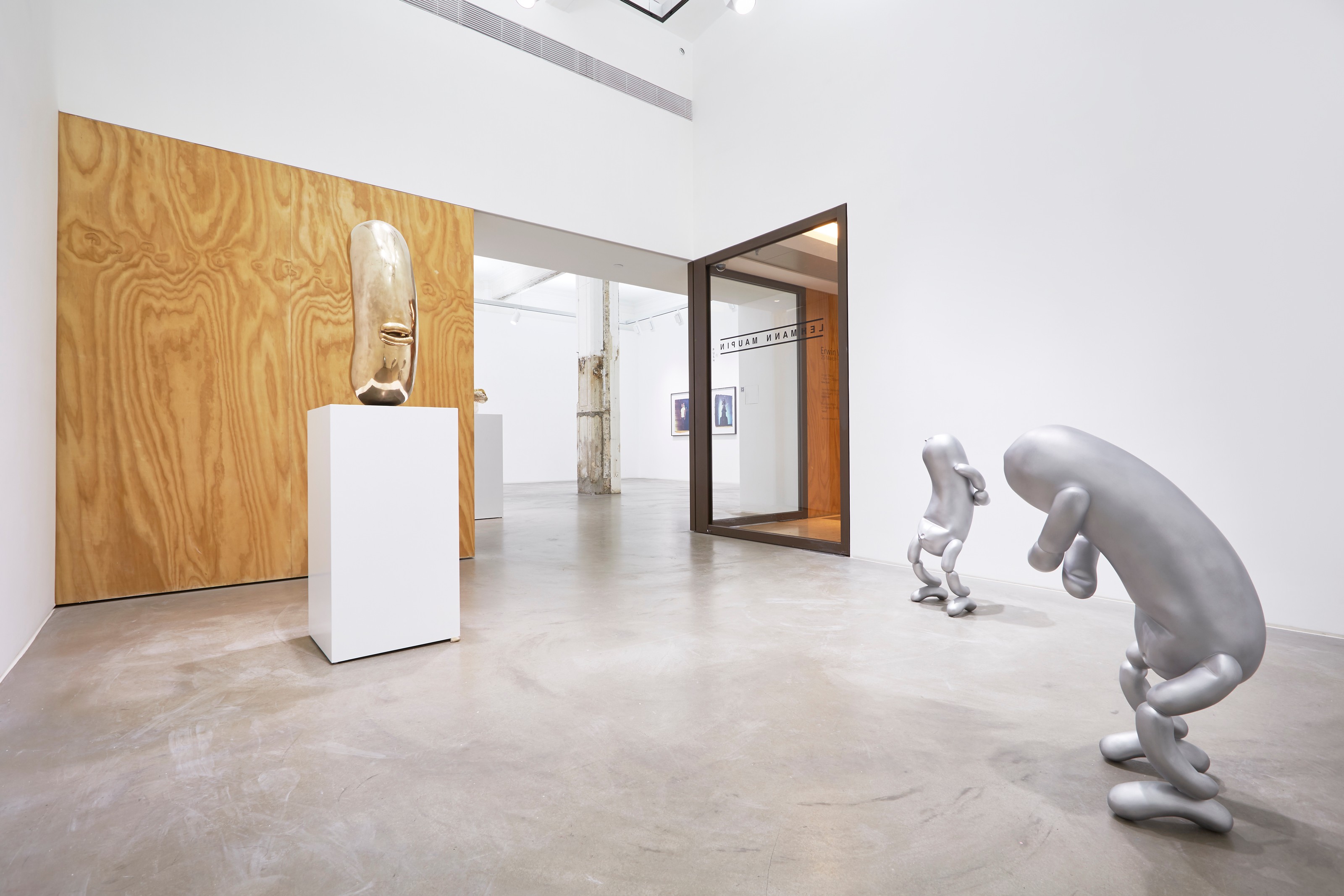
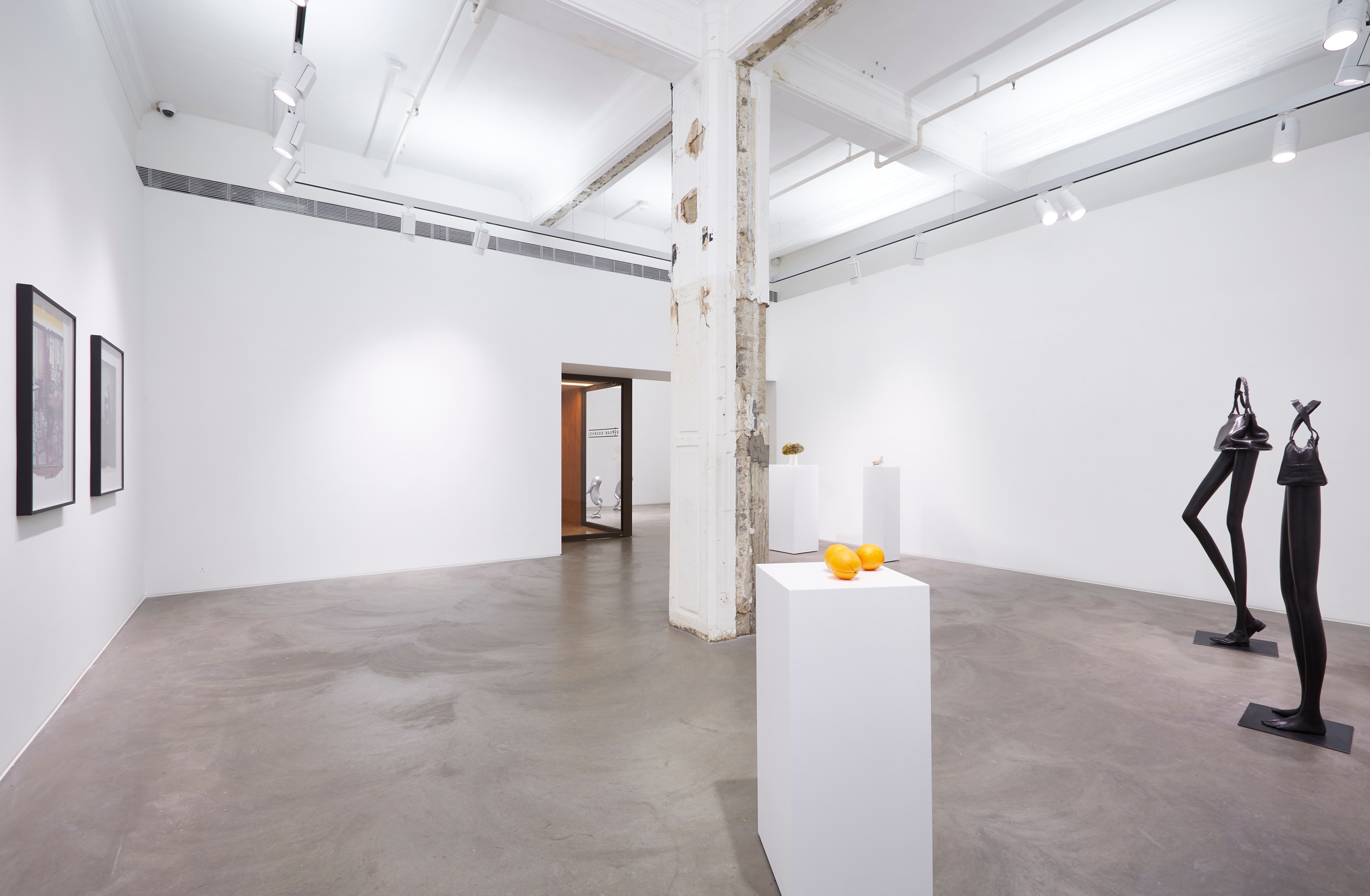
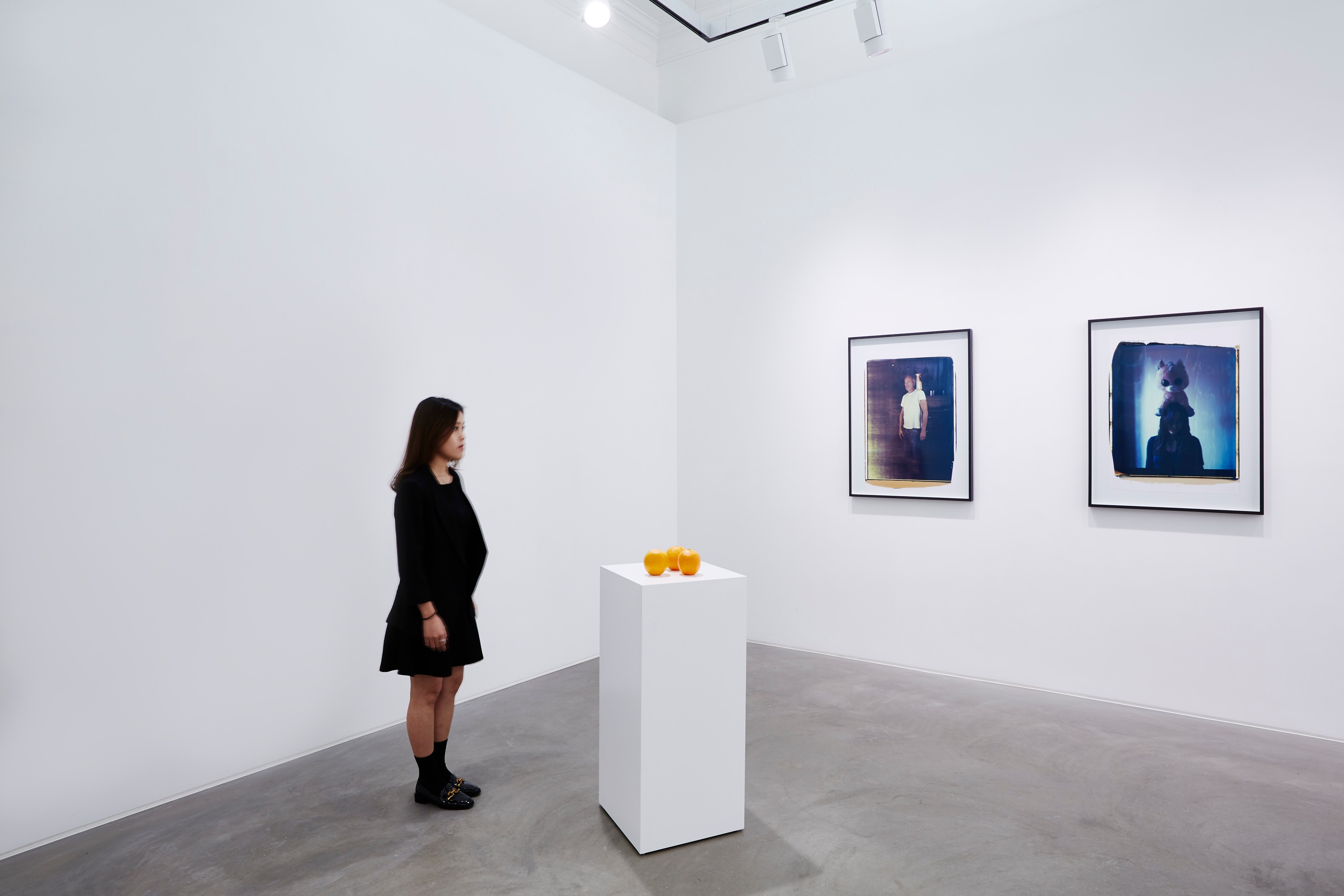
Installation view of Erwin Wurm at Lehmann Maupin Hong Kong

12 Pedder Street

Central, Hong Kong

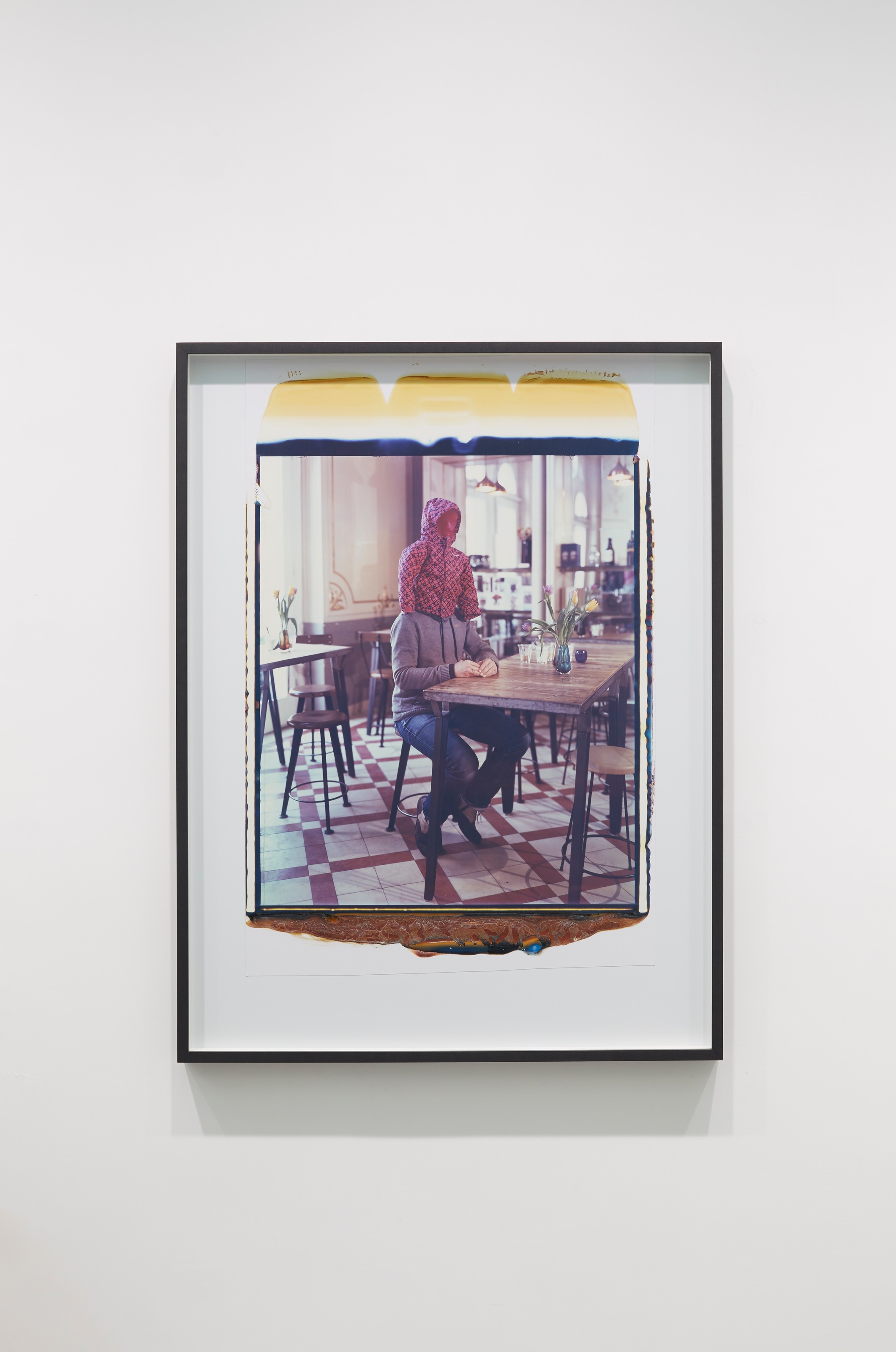
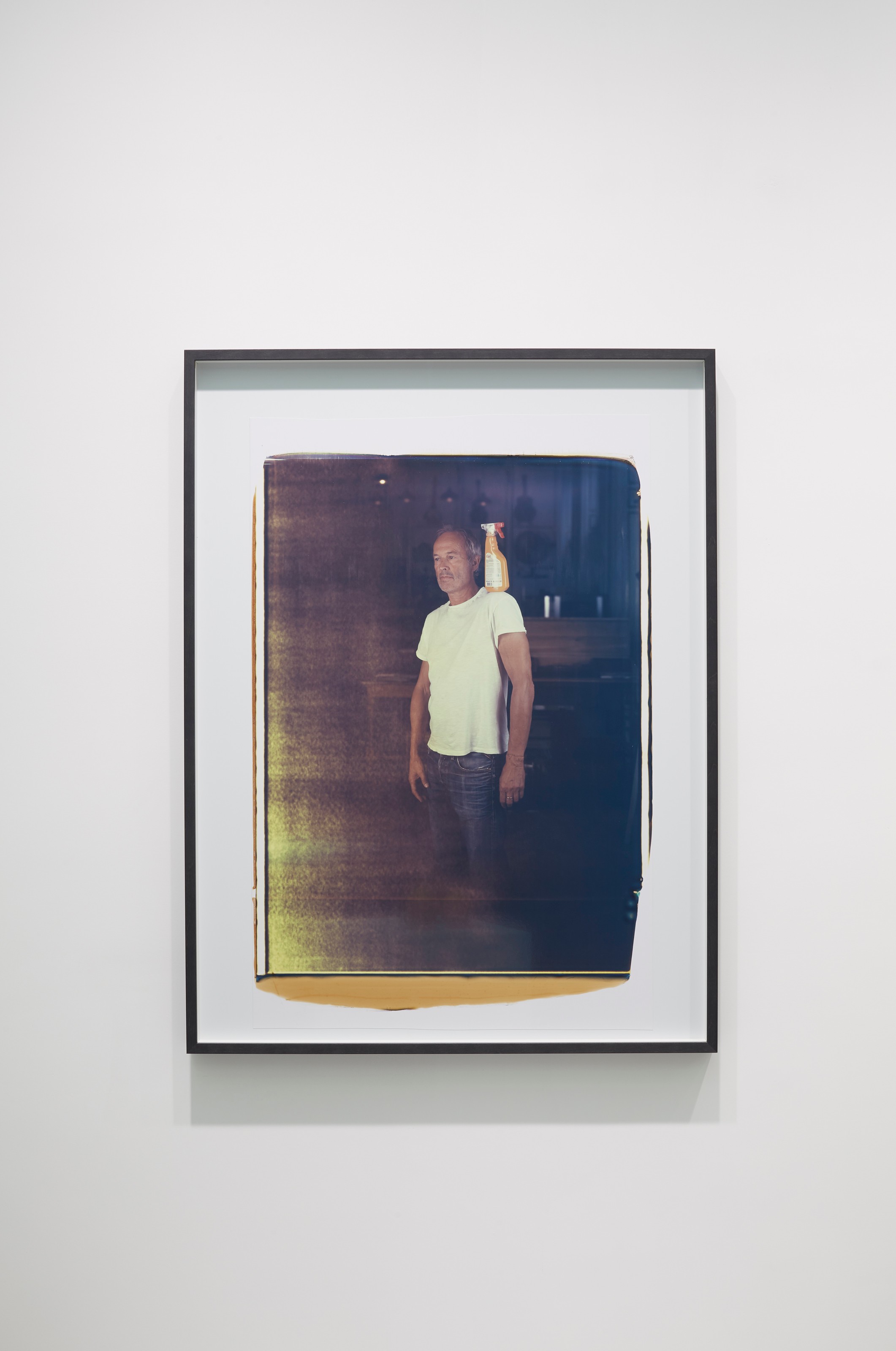
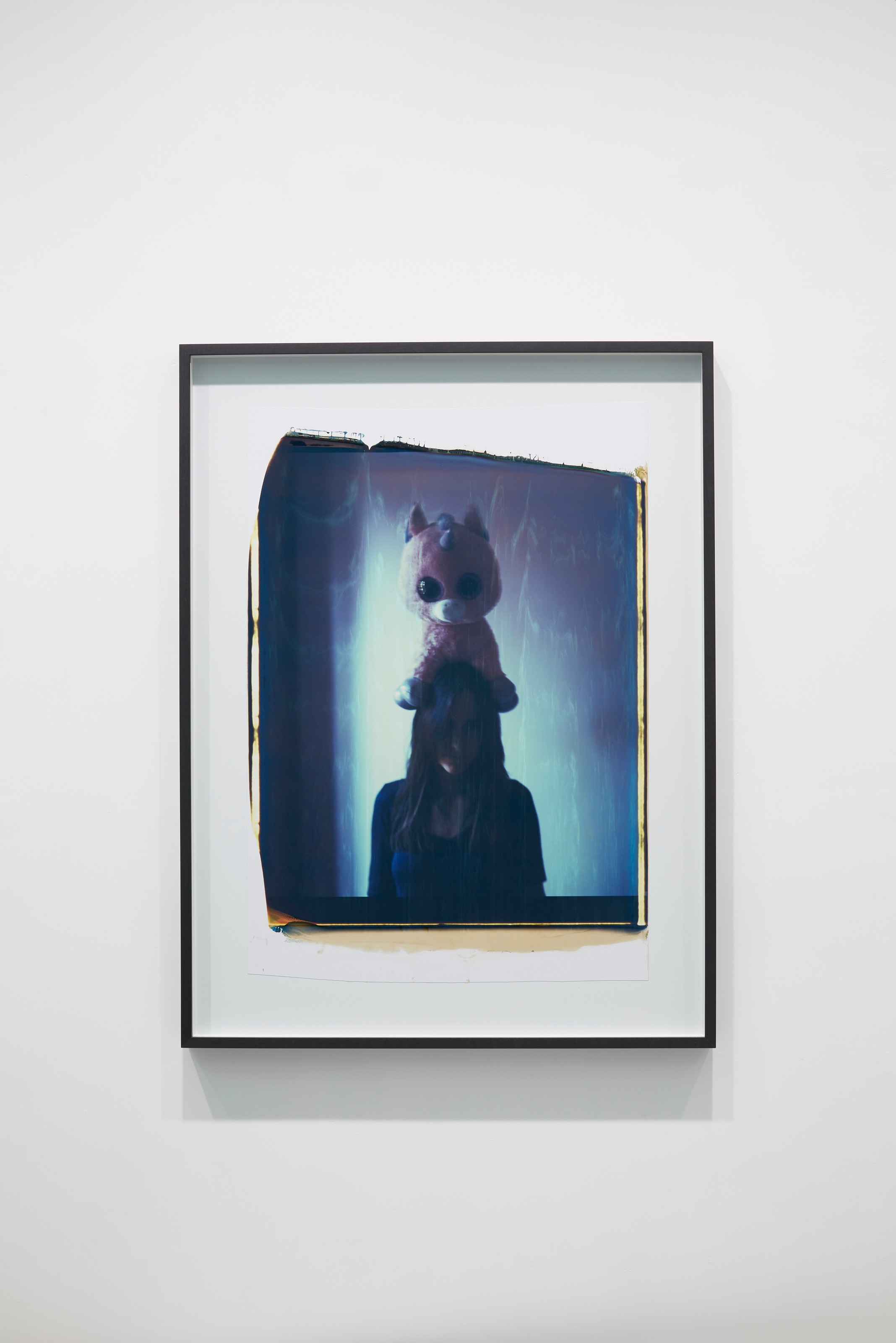
Lehmann Maupin is pleased to announce Erwin Wurm’s first solo exhibition in Hong Kong. For this exhibition, the Austrian artist who has redefined the categories of sculpture and performance art will premiere recent sculpture and photography from his most iconic series. Each week, visitors will be invited to activate one of Wurm’s One Minute Sculptures by mimicking a unique pose with a typical household item, with the durational sculpture captured in a Polaroid photo that may be taken home. This exhibition represents the artist’s return to China after nearly a decade since his 2010 solo exhibition at the Ullens Center for Contemporary Art in Beijing. There will be an opening reception for the artist on Monday, March 25, at the Pedder Building, from 6 to 8 PM. Erwin Wurm will also be featured in the Lehmann Maupin booth (1C21) at Art Basel Hong Kong, opening March 29 at the Hong Kong Convention and Exhibition Centre.

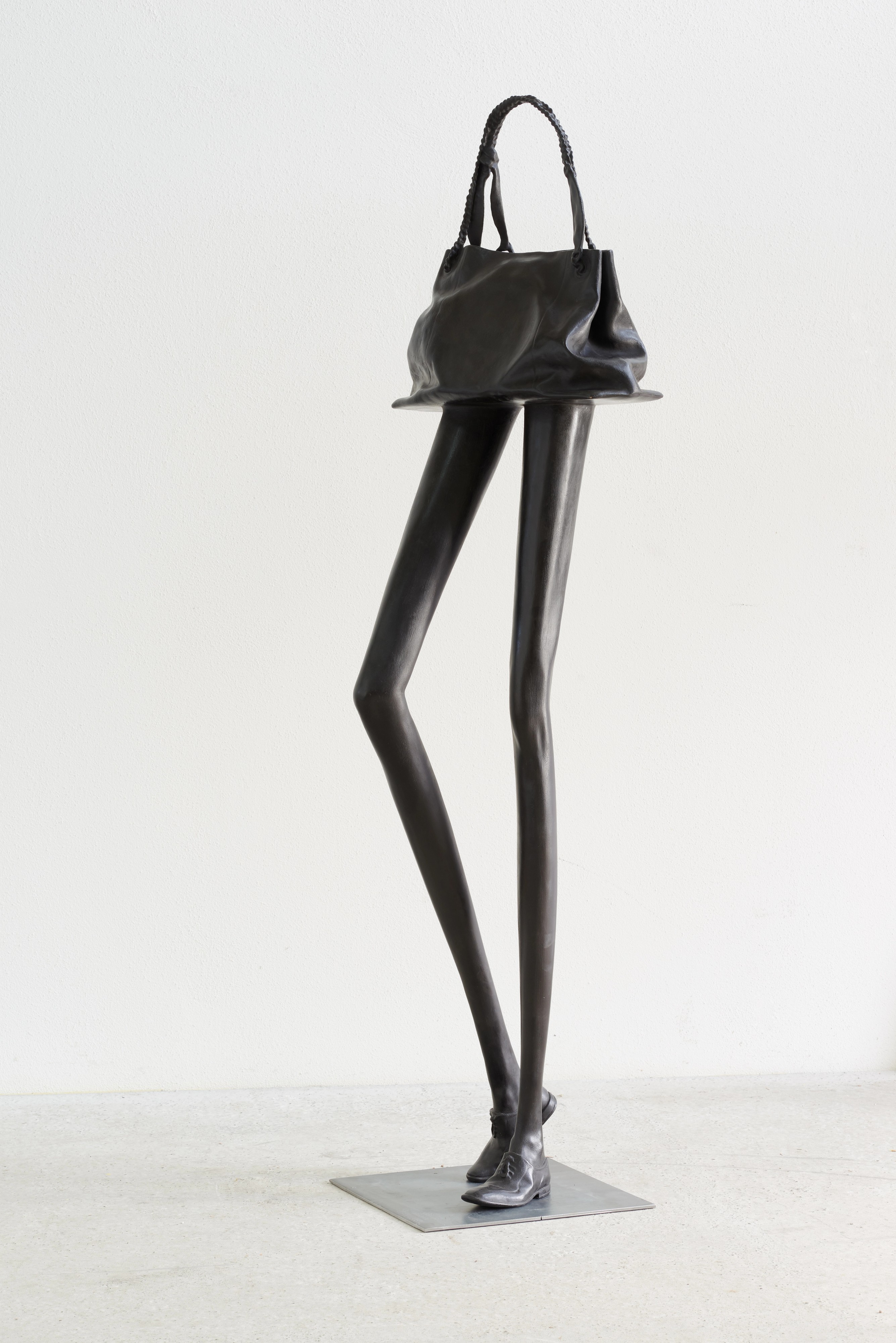
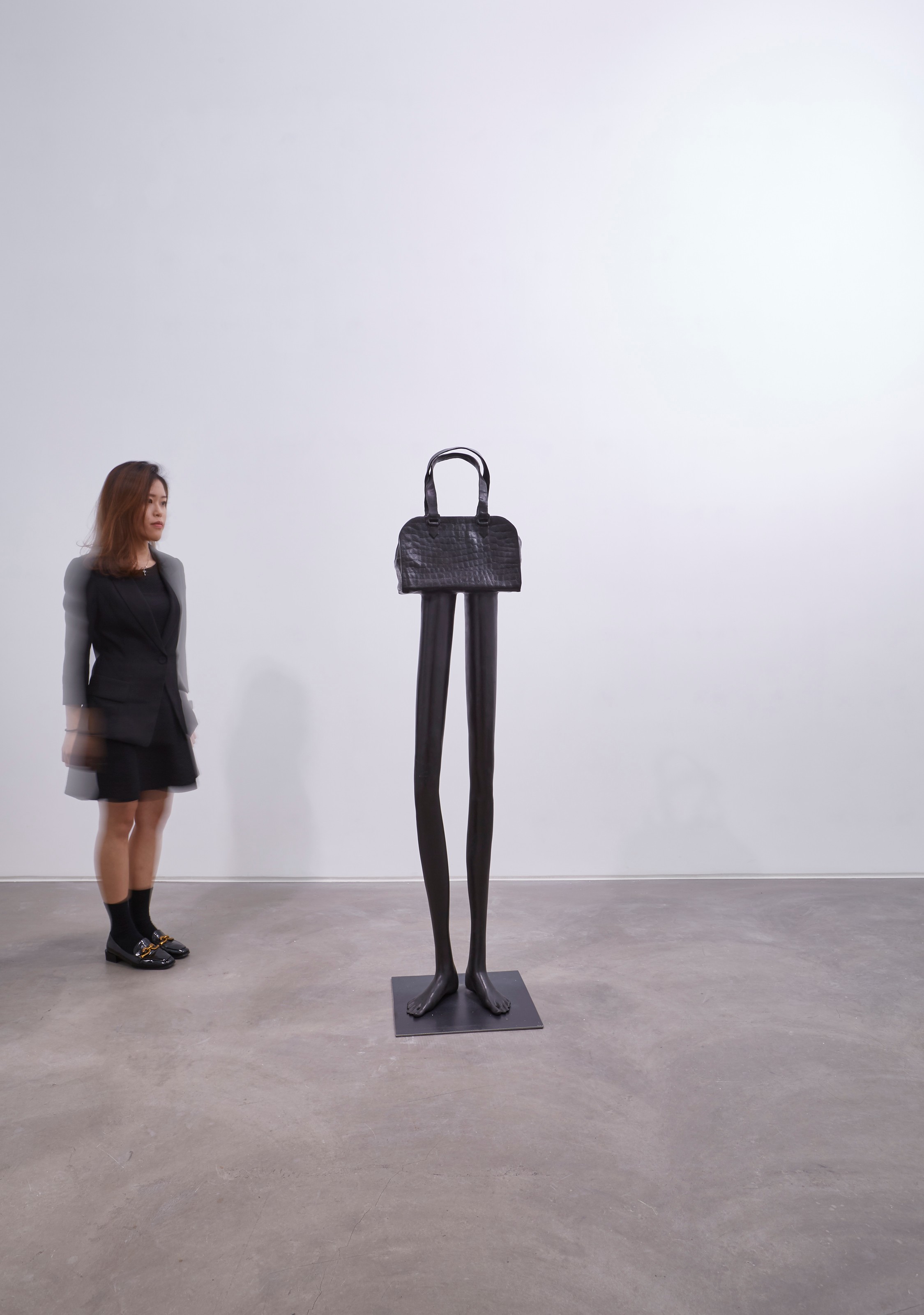
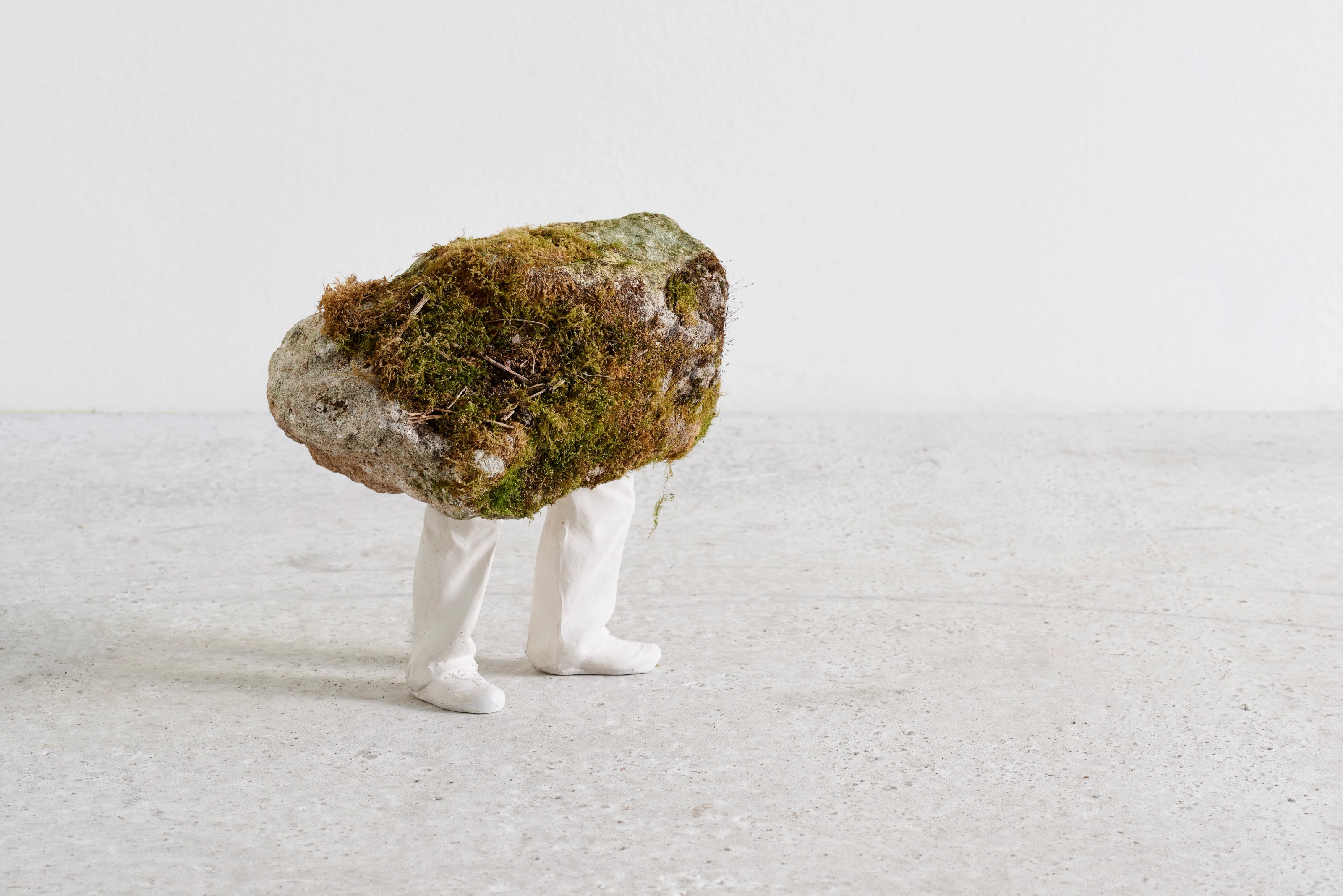
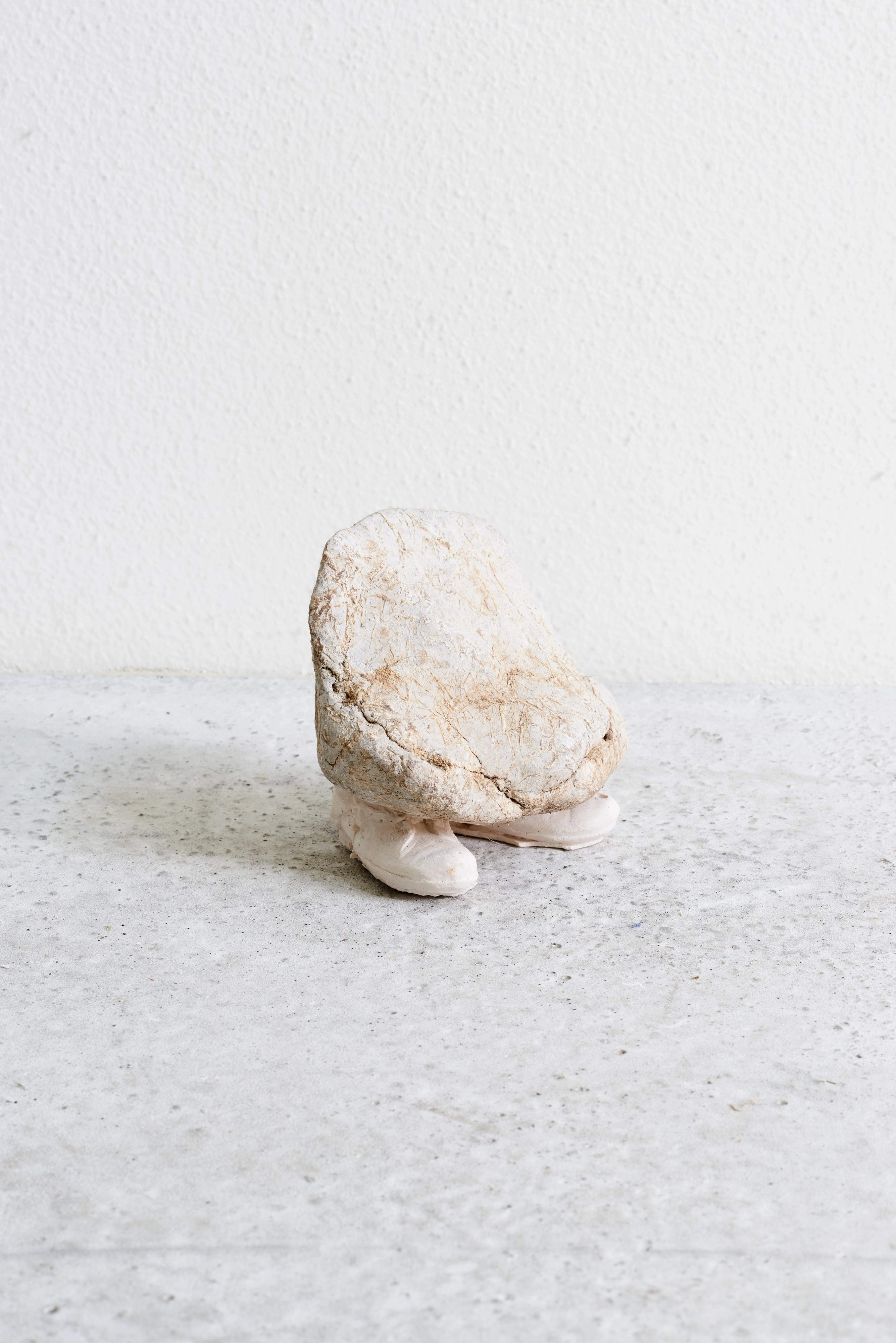
Wurm has produced a body of work that explores the exciting possibilities of sculpture, pushing the boundaries of this static art form to incorporate participatory, temporal, and psychological elements. As an artist, Wurm is interested in conditions that test the limits of form and evoke the absurdity that can be found in the routine and mundane actions of everyday life. For Wurm, all forms, including our own bodies, can be considered and activated as sculpture. Famous works like Fat House (2003) and Fat Car (2001) exemplify this point, making our most iconic architecture and design susceptible to the biological processes of a human body, in this case the visual effects of gaining weight. Wurm will also often attribute human traits to inanimate objects, by giving human appendages to luxury handbags or moss-covered boulders as a way to demonstrate the socially reinforced implications that these objects hold through enticing anthropomorphic forms.

Installation view of Erwin Wurm at Lehmann Maupin Hong Kong
Installation Views: 1 of 5
Sculpture by Erwin Wurm

Erwin Wurm

Tall bag YSL, 2019

Sculpture by Erwin Wurm

Erwin Wurm

Tall bag G, 2019

Work on canvas by Erwin Wurm

Erwin Wurm

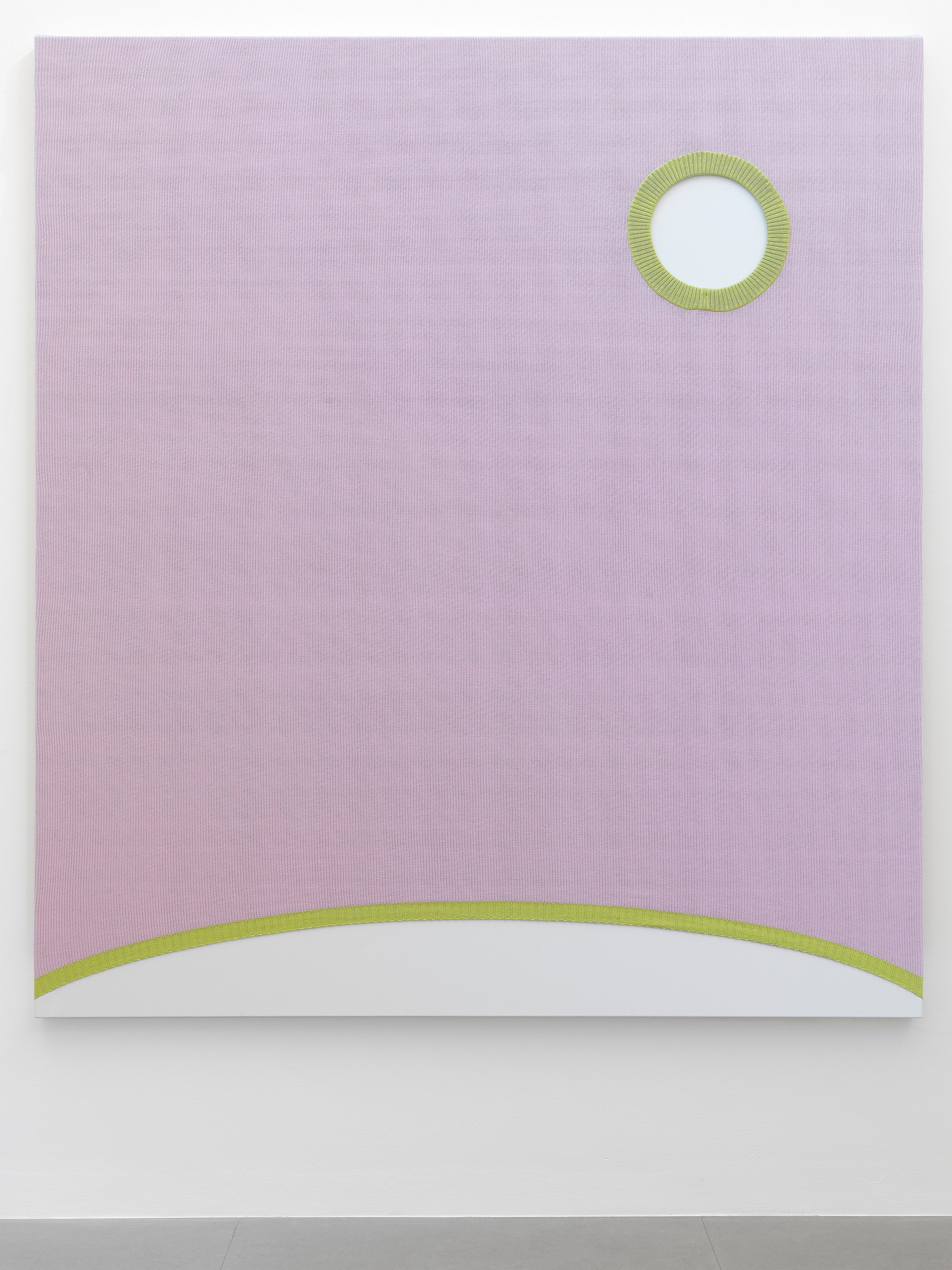
Mental pink, 2007

Photograph by Erwin Wurm

Erwin Wurm

Untitled (P105), 2018

Photograph by Erwin Wurm

Erwin Wurm

Untitled (P82), 2018

Photograph by Erwin Wurm

Erwin Wurm

Untitled (P89), 2018

Photograph by Erwin Wurm

Erwin Wurm

Untitled (P12), 2018

Installation view of Erwin Wurm at Lehmann Maupin Hong Kong
Installation Views: 1 of 5
Sculpture by Erwin Wurm

Erwin Wurm

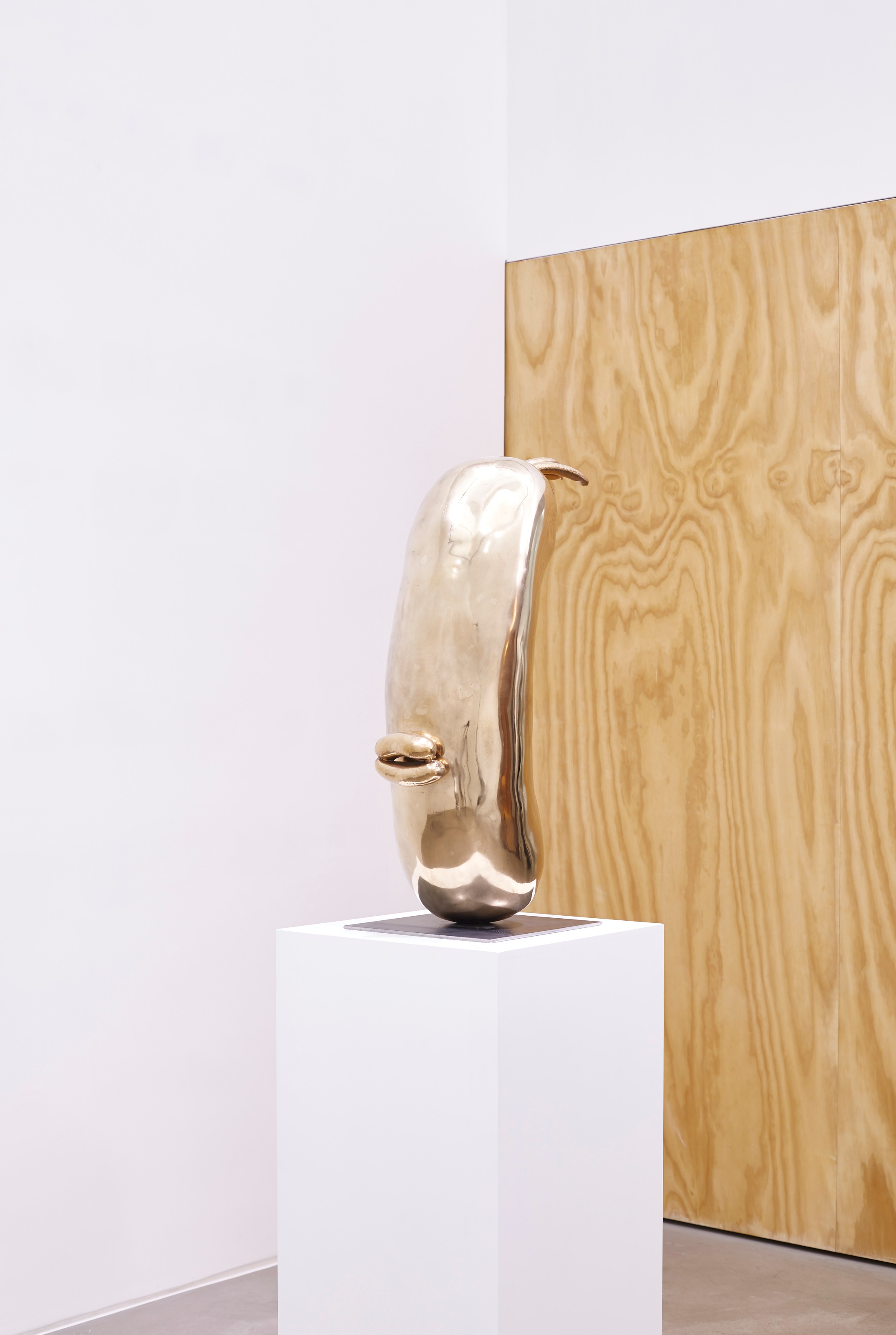
Head (Lips), 2014

Sculpture by Erwin Wurm

Erwin Wurm

Untitled , 2018

Sculpture by Erwin Wurm

Erwin Wurm

Untitled , 2018

Sculpture by Erwin Wurm

Erwin Wurm

Stone , 2019

Sculpture by Erwin Wurm

Erwin Wurm

Stone , 2019

Sculpture by Erwin Wurm

Erwin Wurm

Stone , 2019

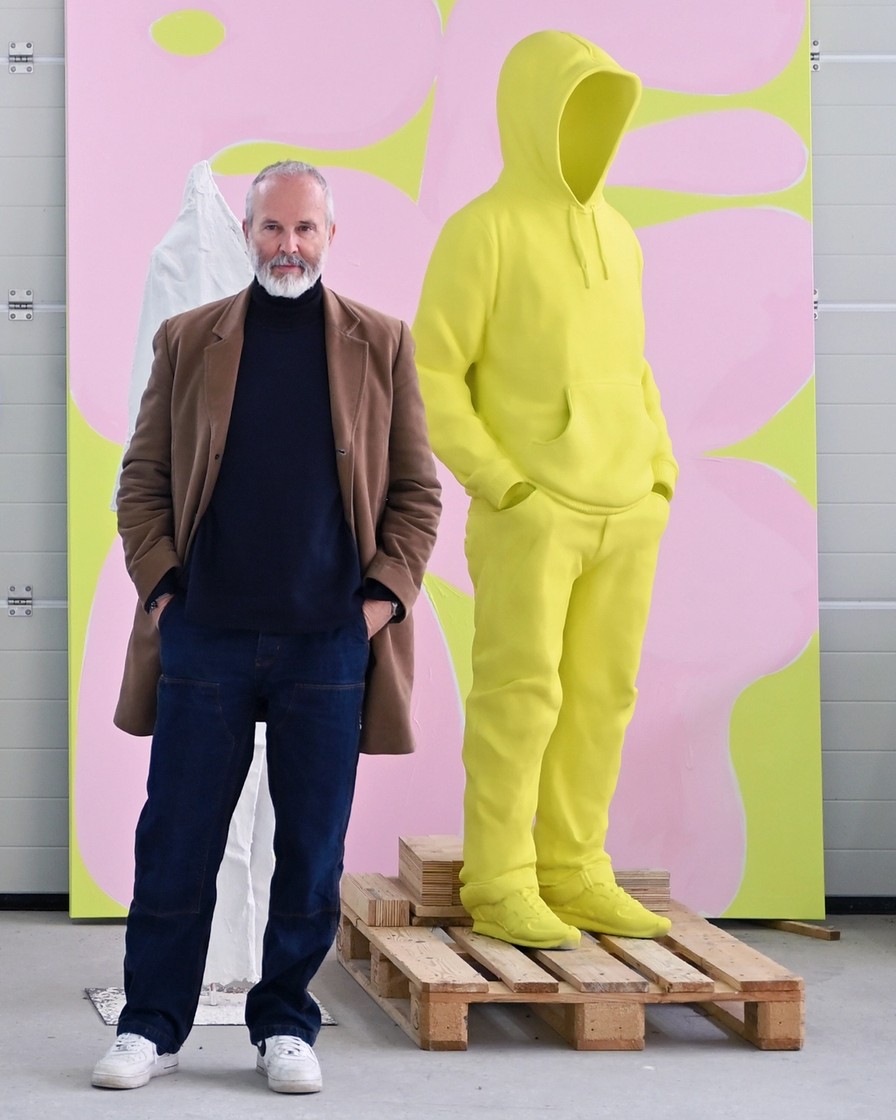
Portrait of Erwin Wurm

Erwin Wurm (b. 1954, Bruck an der Mur/Styria, Austria; lives and works in Vienna and Limberg, Austria) is an Austrian artist whose practice has radically expanded the possibilities of sculpture over the past four decades. Rooted in conceptual questions about what sculpture can be, how it can occupy space, and how the body, everyday objects, and gestures might become sculptural forms, Wurm’s work challenges conventional definitions of the medium. While his oeuvre is filled with larger-than-life-size pickles, anthropomorphic sausages, empty suits, and impossibly proportioned houses, Wurm is best known for his iconic One Minute Sculptures, which provide instructions for participants to create temporary sculptures by performing illogical poses with everyday objects. Through his paradoxical work, Wurm confronts philosophical questions about contemporary society—from obsessions with status and consumerism, to anxieties around traditional value systems, to the complexities of modern psychology. At the same time, the artist explores new possibilities for sculpture through ambitious formal experiments with volume, surface, scale, and duration. While Wurm considers the absurd an important tool, there is always an underlying social critique of contemporary culture. Wurm emphasizes this dichotomy by working within the liminal space between high and low and merging genres to explore what he views as an invented reality.
Learn about the artist
Erwin Wurm | Lehmann Maupin