Skip to content

Calida Rawles

Parallax

New York

Oct 15–Nov 14, 2026

Painting by Calida Rawles

501 West 24th Street

New York, NY 10011

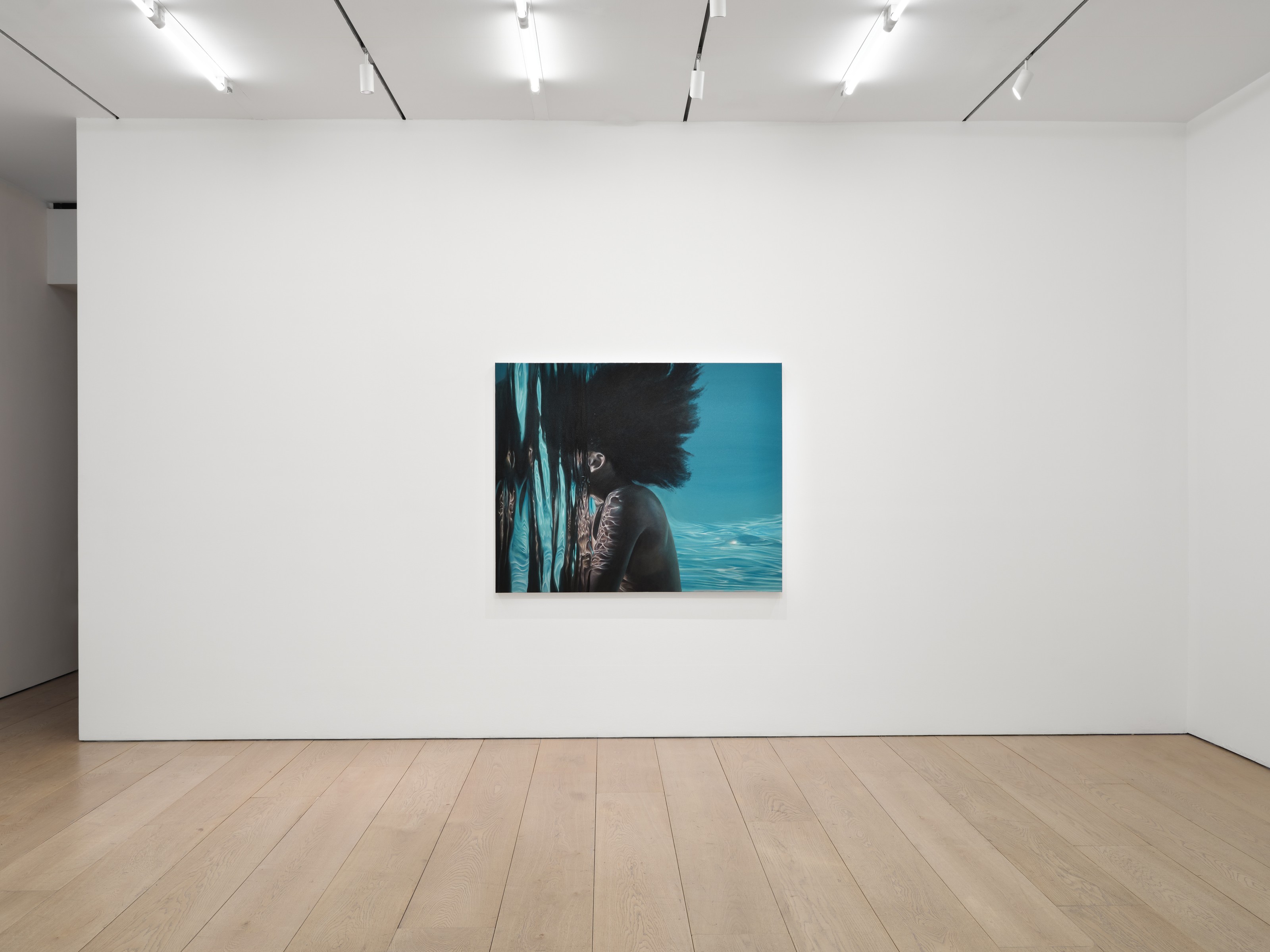
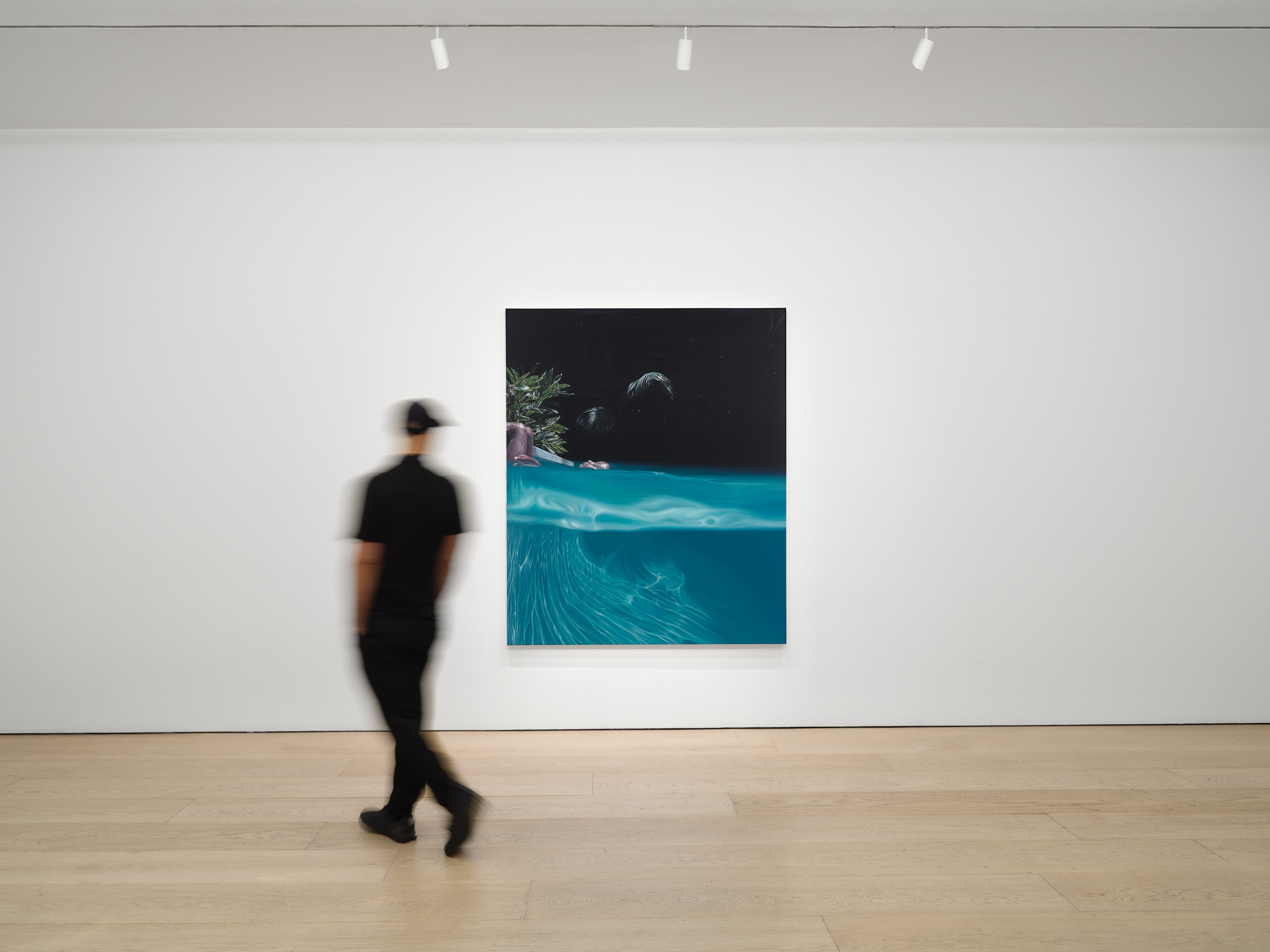
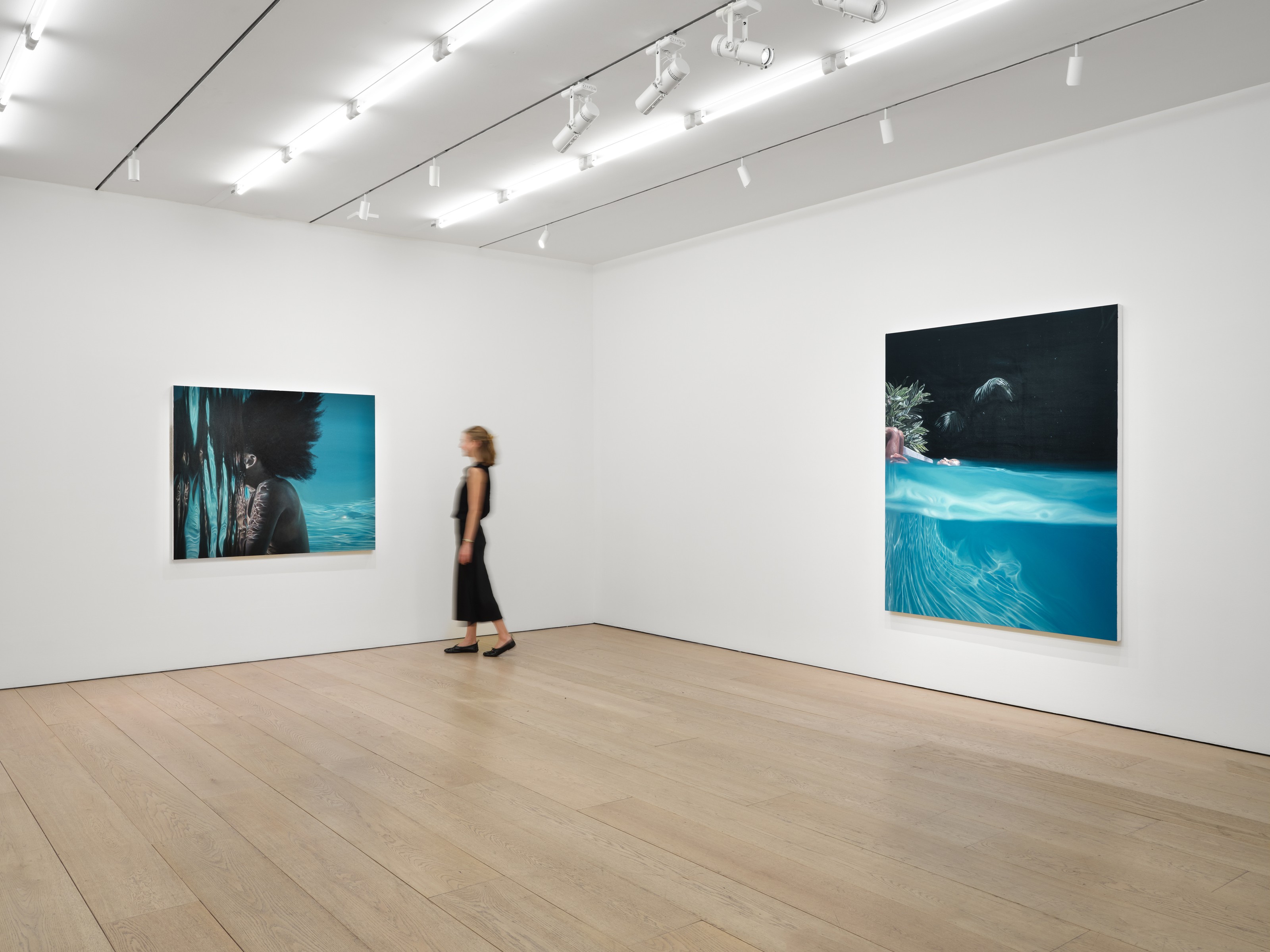
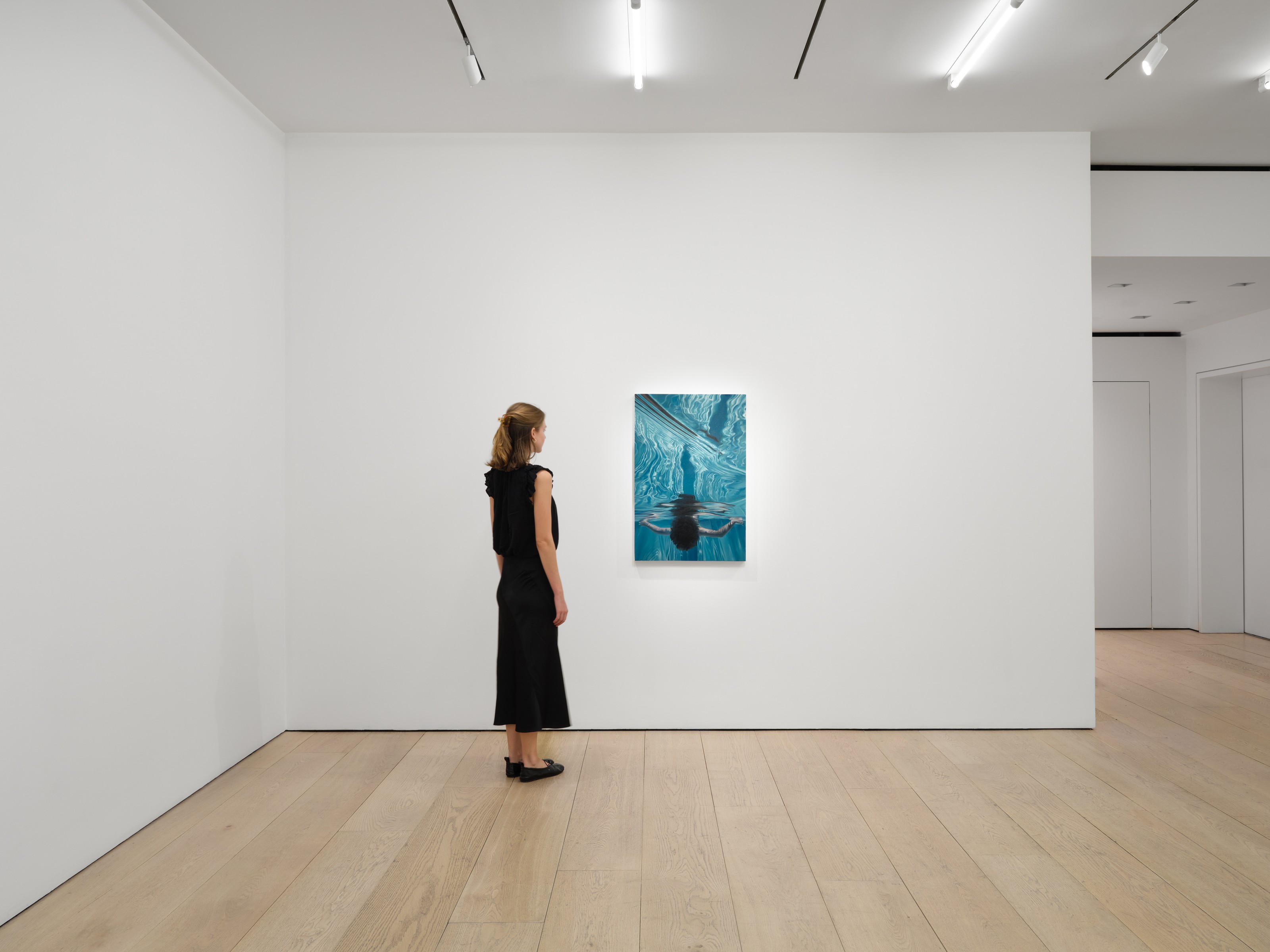
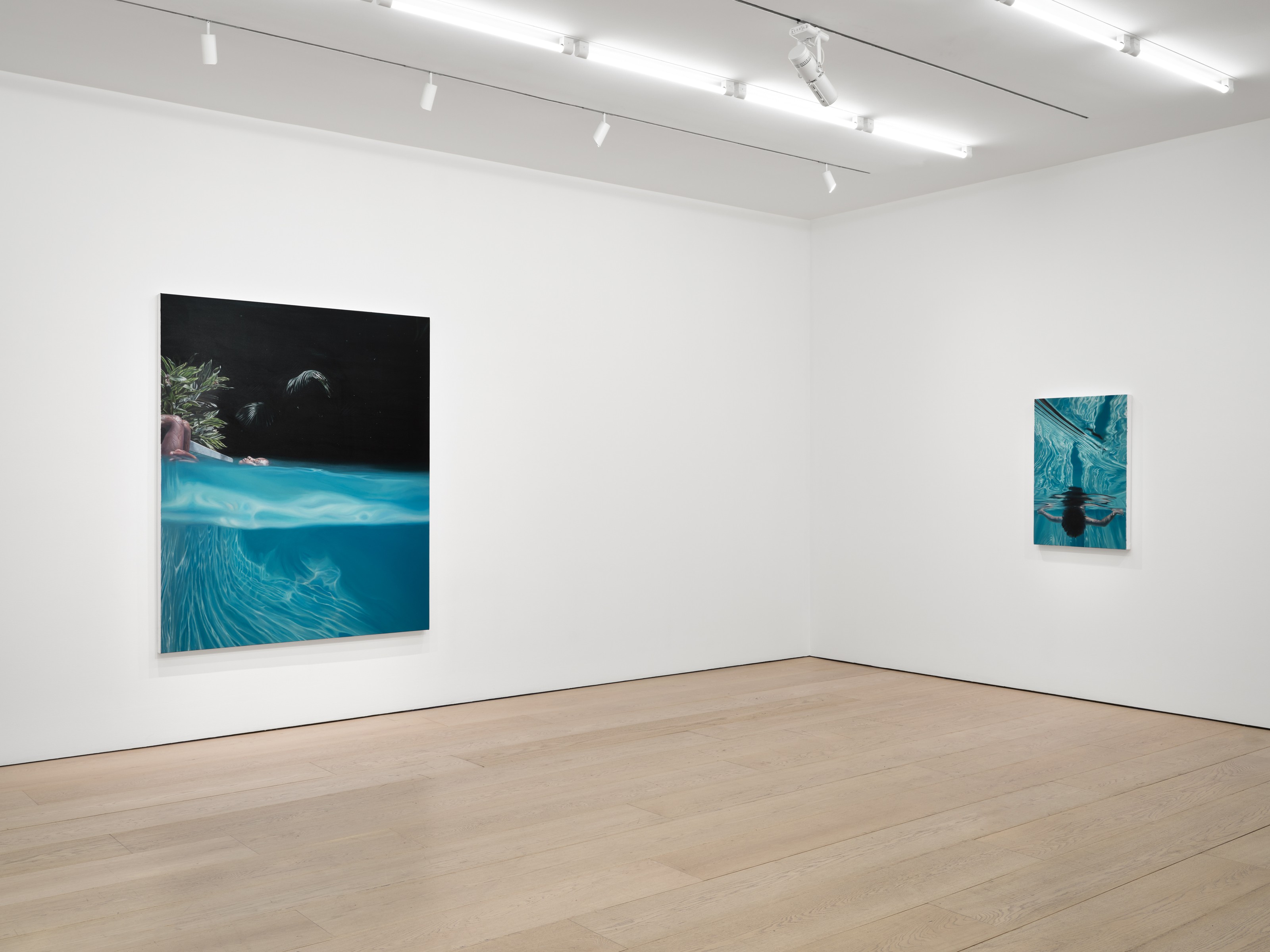
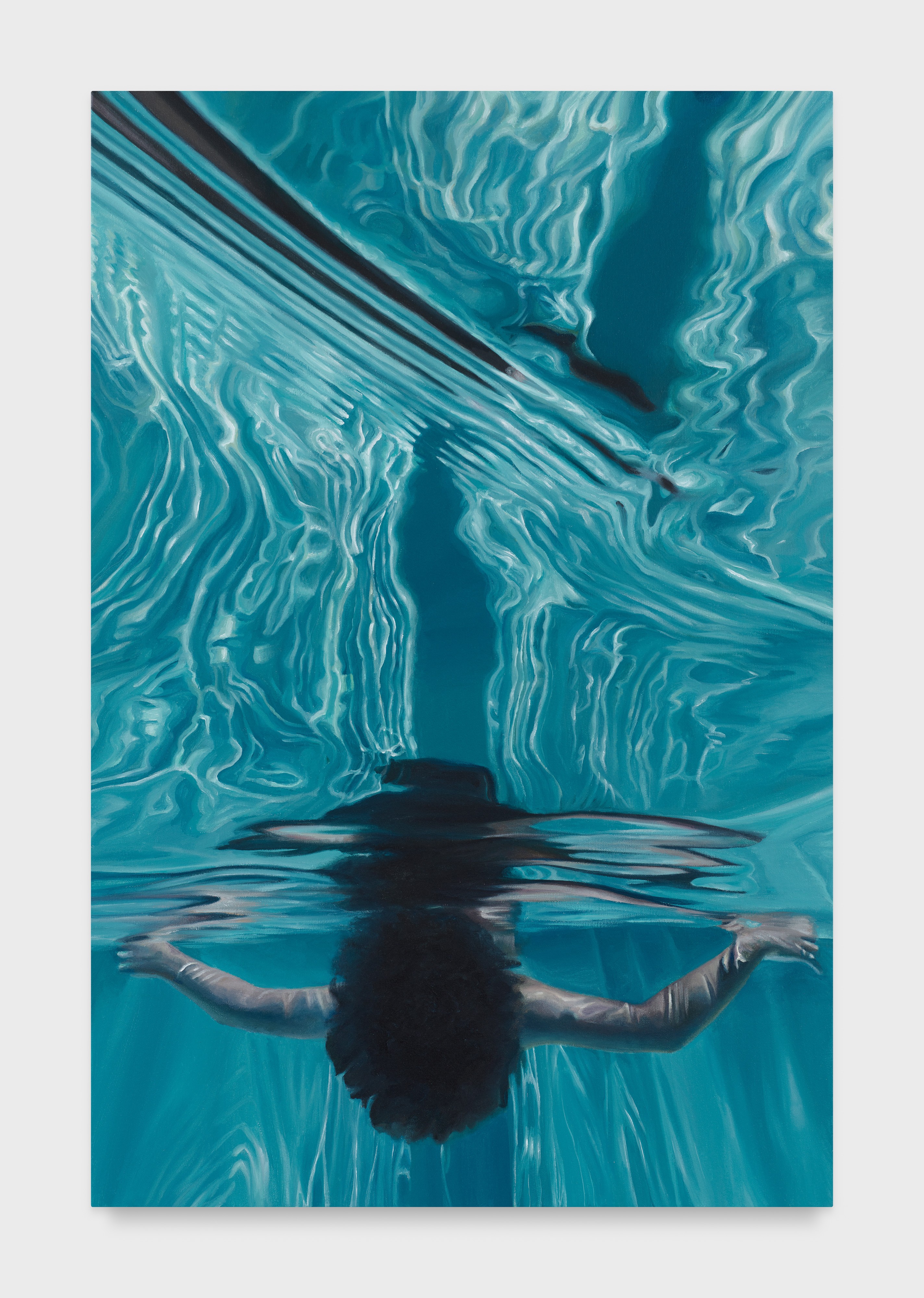
In her latest exhibition of new paintings, Calida Rawles explores parallax: how changing our point of view can change the way we see the same moment. Known for merging hyperrealism with poetic abstraction, Rawles situates Black subjects within dynamic, fluid environments, using water as both a vital material and a historically charged space through which questions of identity, memory, healing, and belonging come into focus.

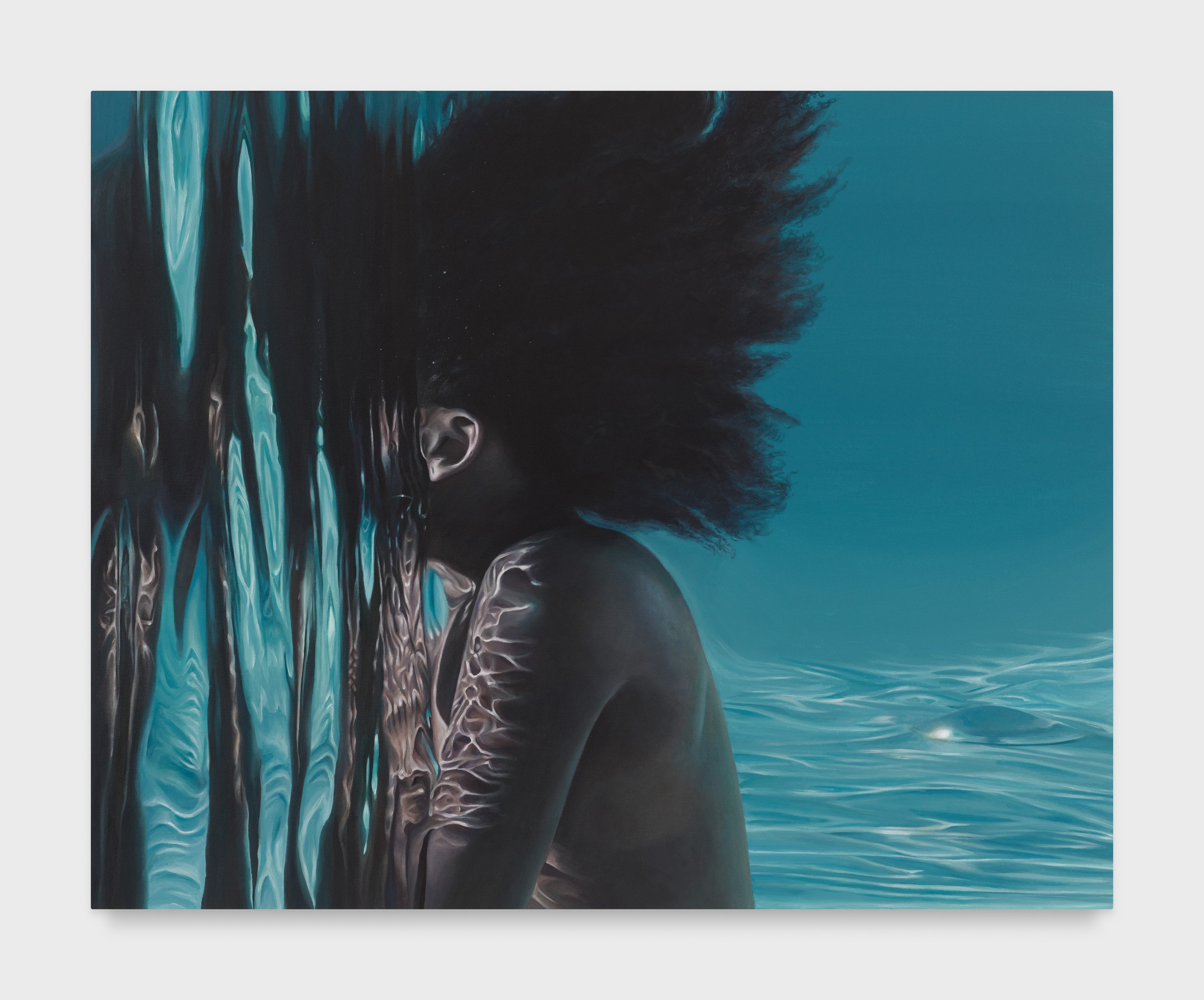
This new exhibition centers on a series of three paintings based on photographs Rawles took of her youngest daughter in a pool. Captured within seconds of one another as Rawles moved around her in the water, the photographs record essentially the same moment from shifting positions and perspectives—each yielding an entirely different composition and visual experience. As she notes, “I became interested in this subtle shift: how proximity, distance, angle, and movement can transform what we see without changing the moment itself.” Through abstraction, water, light, and the movement around the figure, the resulting works create spaces that feel at once intimate and expansive.

Painting by Calida Rawles

Calida Rawles

Call Me Back, 2026

“Parallax considers the relationship between perception and position, how changing where we stand can change not only what we see, but how we understand what we have seen.” —Calida Rawles

Painting by Calida Rawles

Calida Rawles

Axis of Paradise, 2026

Painting by Calida Rawles

Calida Rawles

The Geometry of Origins, 2026

About the Artist

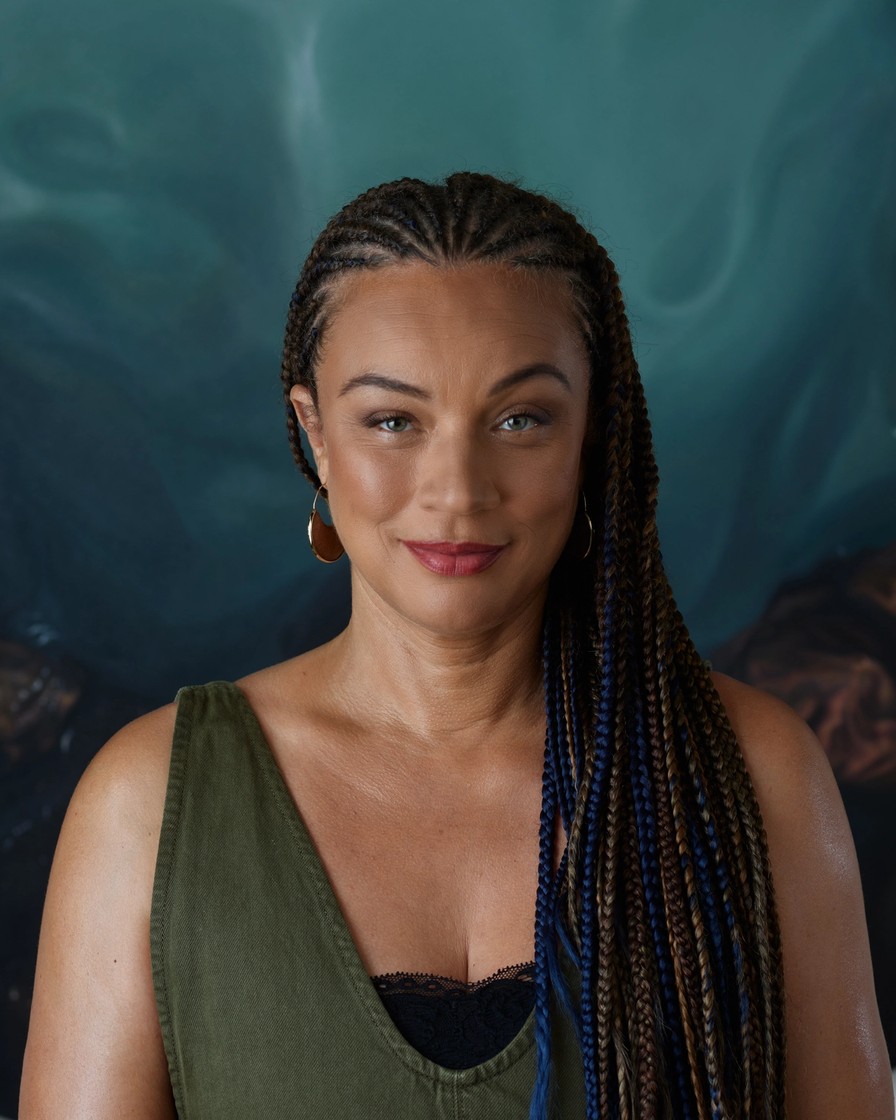
Portrait of Calida Rawles

Calida Rawles (b. 1976, Wilmington, DE) is known for paintings that merge hyper-realism with poetic abstraction. Situating Black subjects in dynamic, fluid spaces, Rawles employs water as a vital, multifaceted material and historically charged space through which questions of identity, memory, healing, and belonging come into focus.

At times buoyant and ebullient, at others submerged and mysterious, her subjects float within exquisitely rendered landscapes of bubbles, ripples, and refracted light. For Rawles, water holds a profound duality: it can signify physical and spiritual healing while evoking histories of trauma, racial exclusion, and displacement. Drawing from history, mythology, philosophy, and politics, she uses this complexity to reimagine Black subjects beyond racialized tropes and envisions new possibilities for healing. At times referencing specific geographic locations, Rawles uses place to bring attention to the histories and specific events embedded within them, while water’s ability to alter perception acts as the central force of her practice. A ripple may obscure a face while revealing something less immediately visible.