본문으로 건너뛰기

빌리 장게와

Running Water

London

2021년 11월 10일–2022년 1월 8일

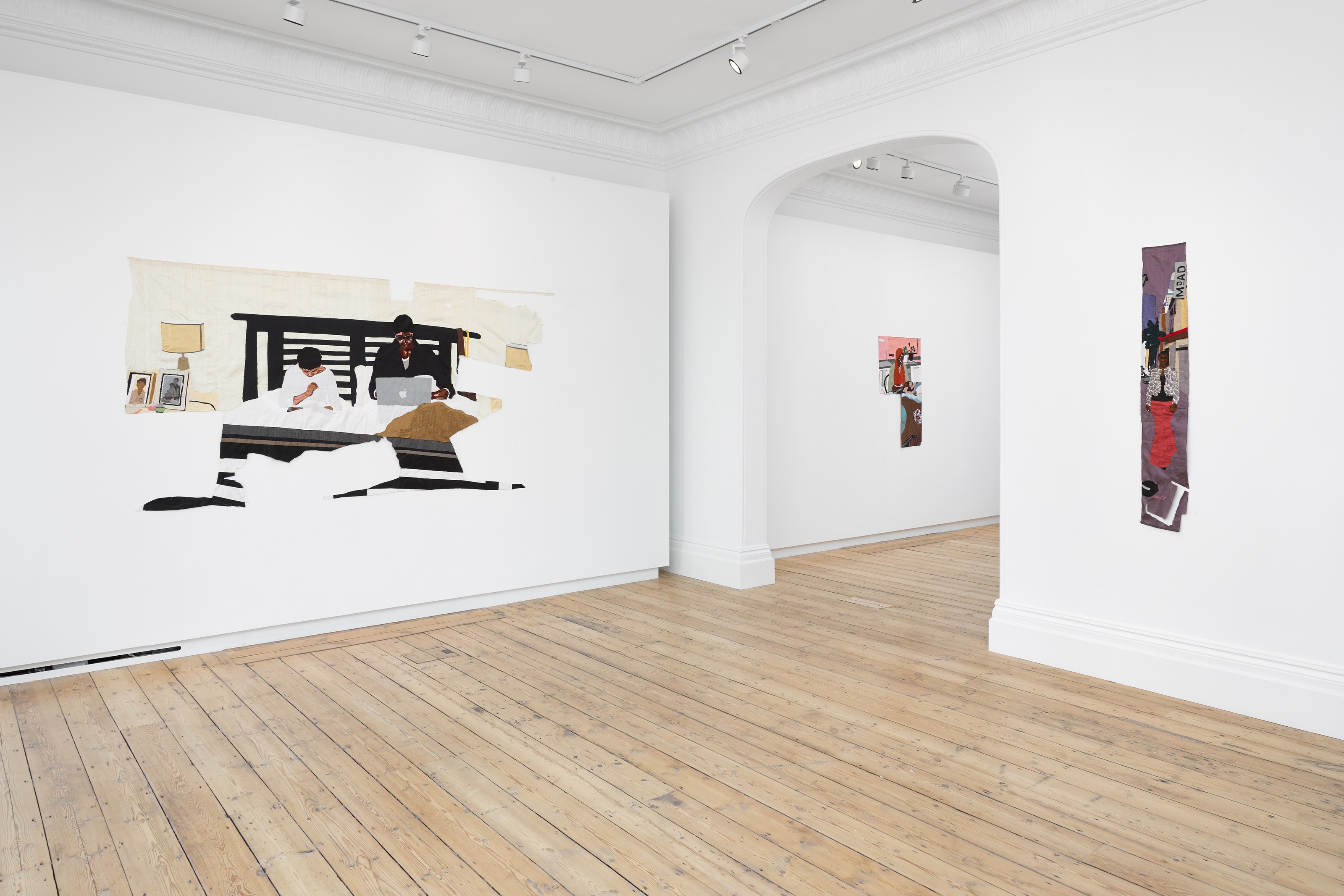
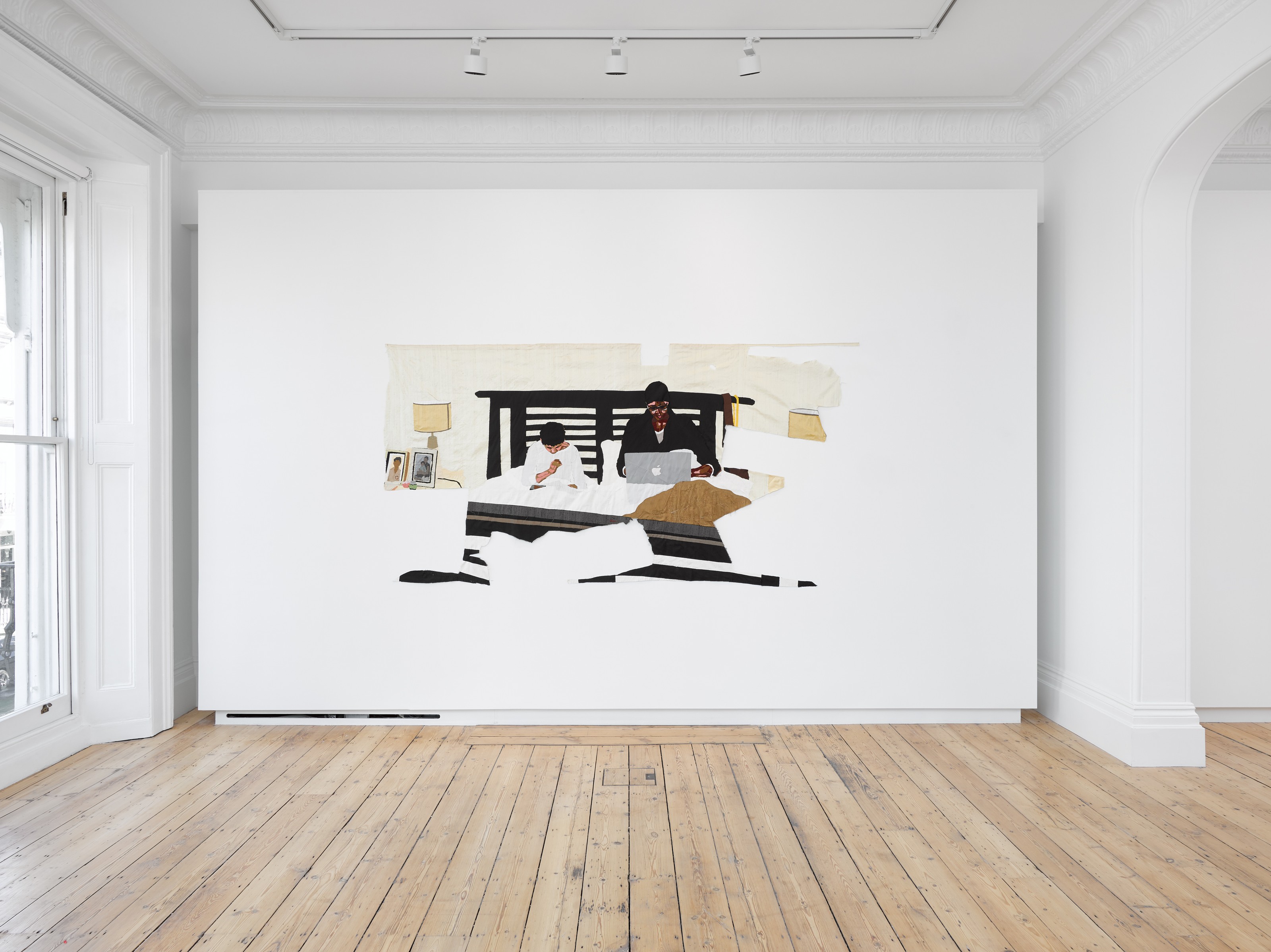
Installation view of Billie Zangewa at Lehmann Maupin London

No.9 Cork Street

Mayfair, London W1S 3LL

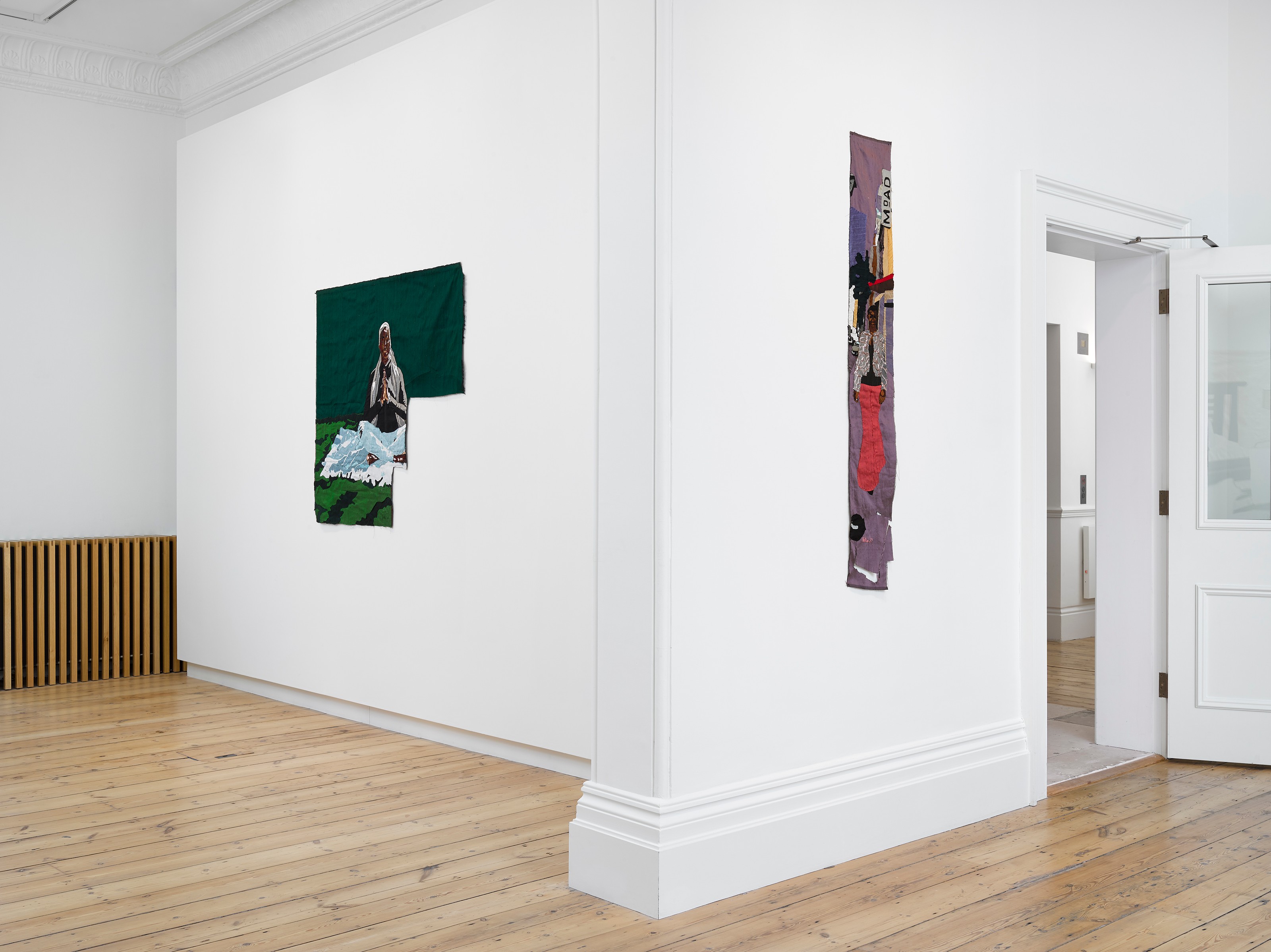
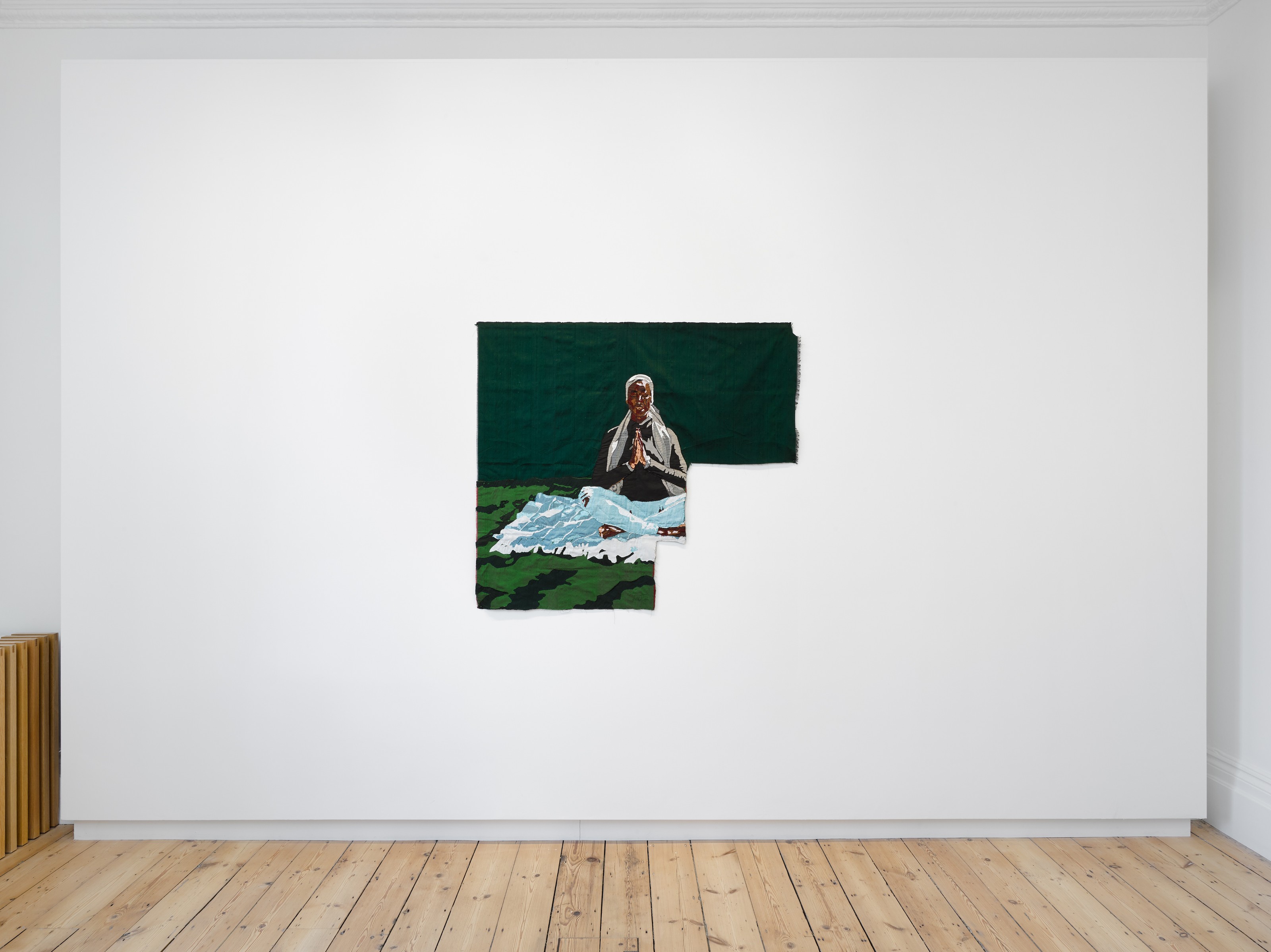
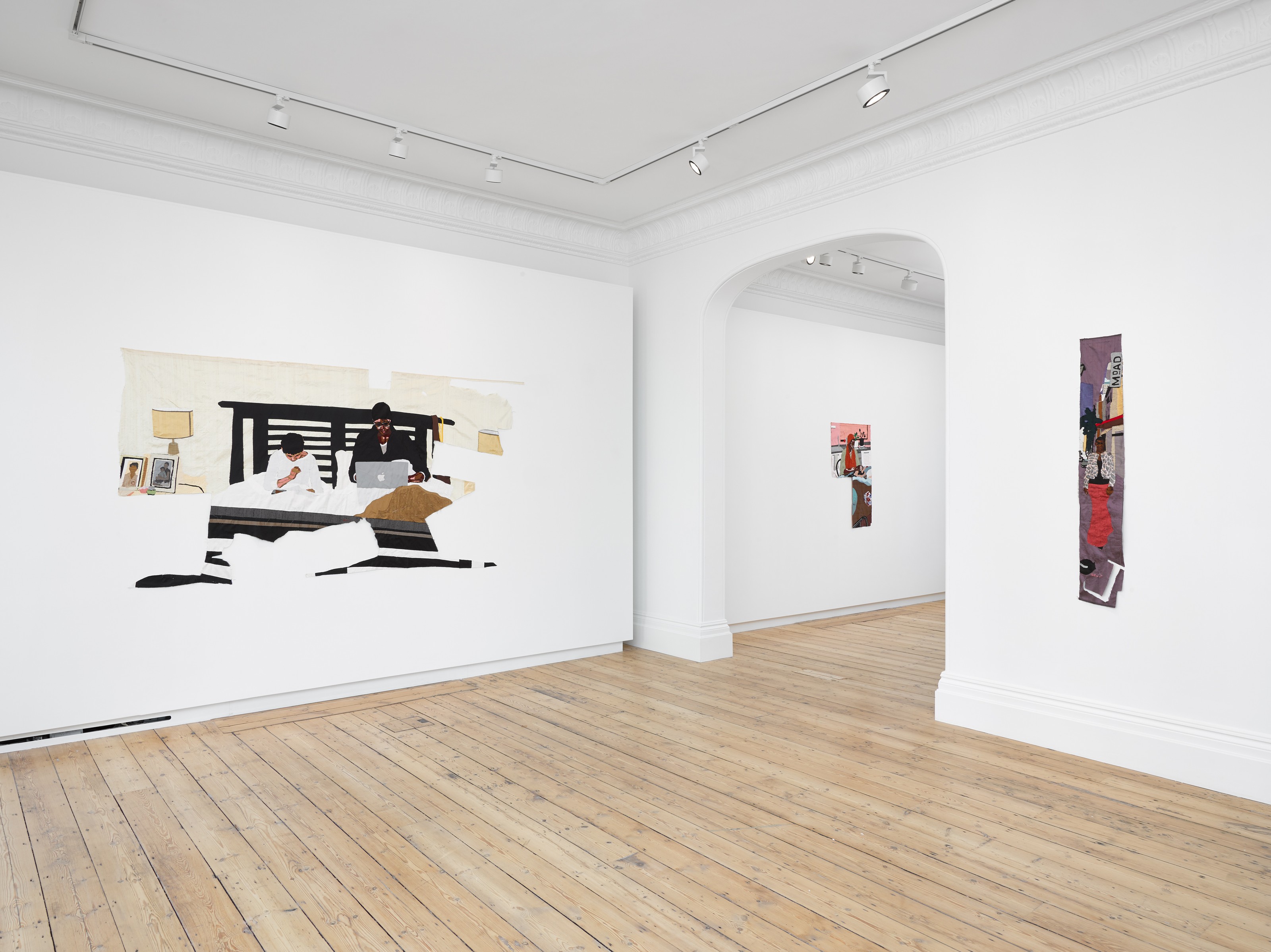
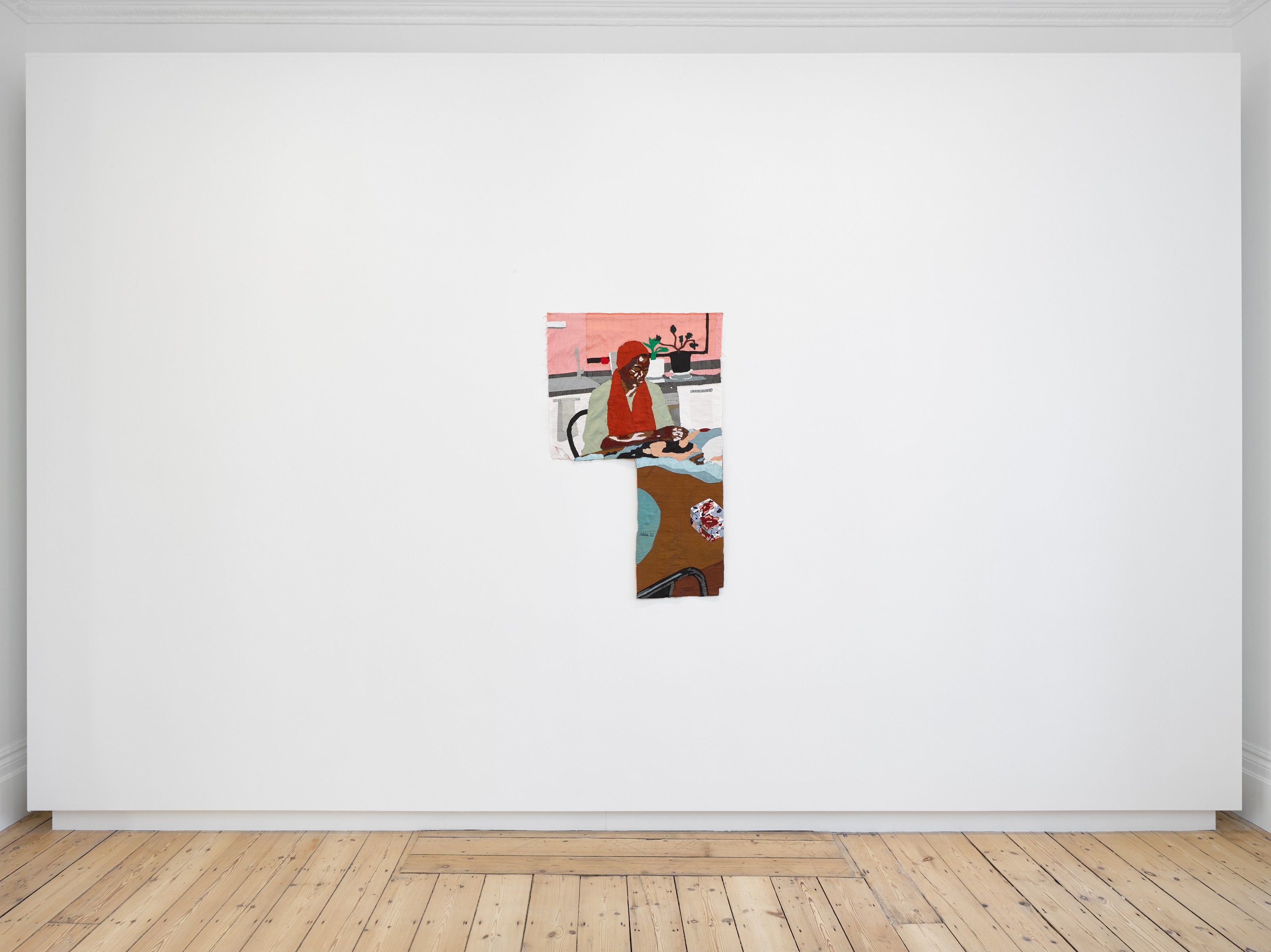
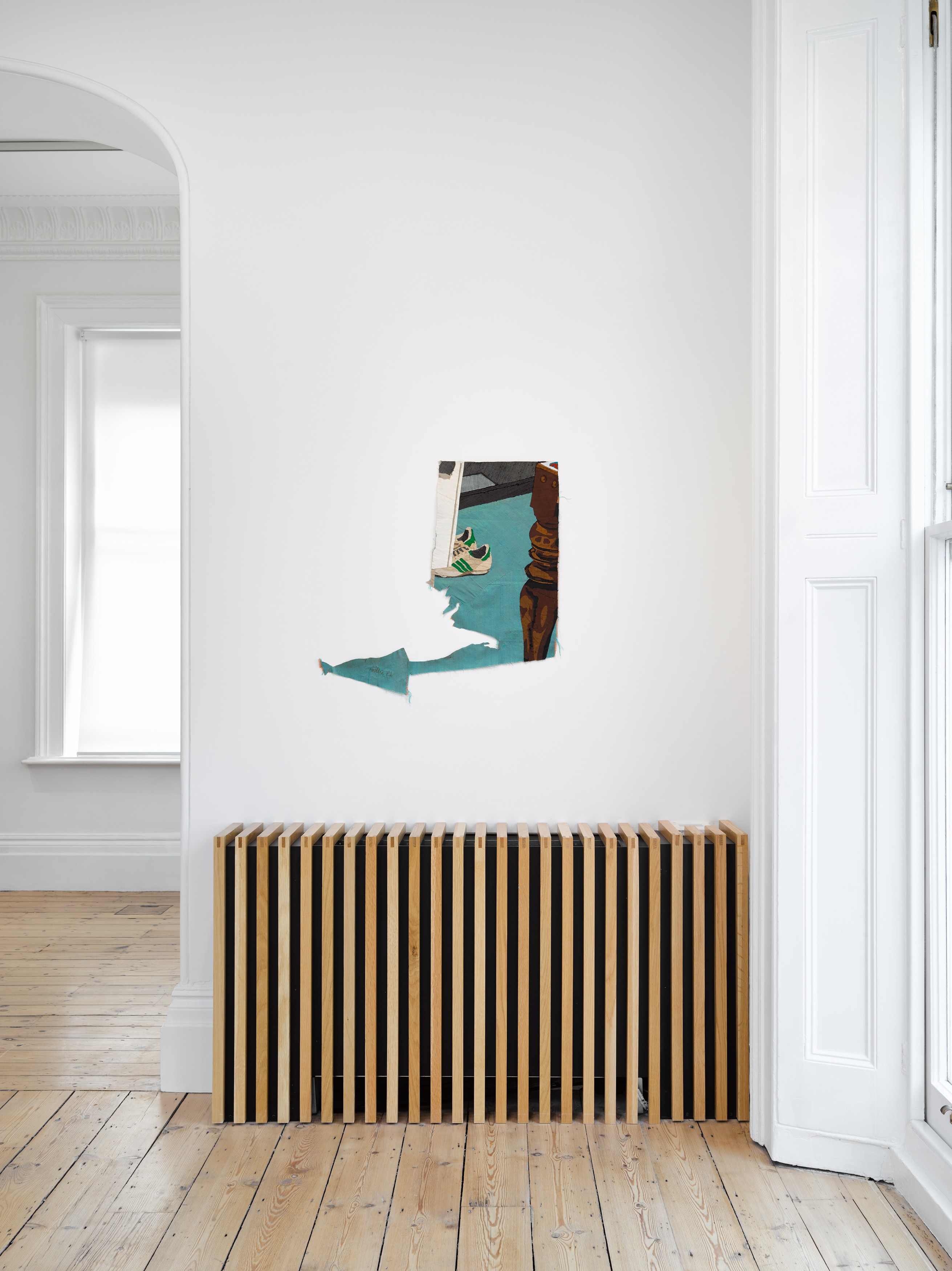
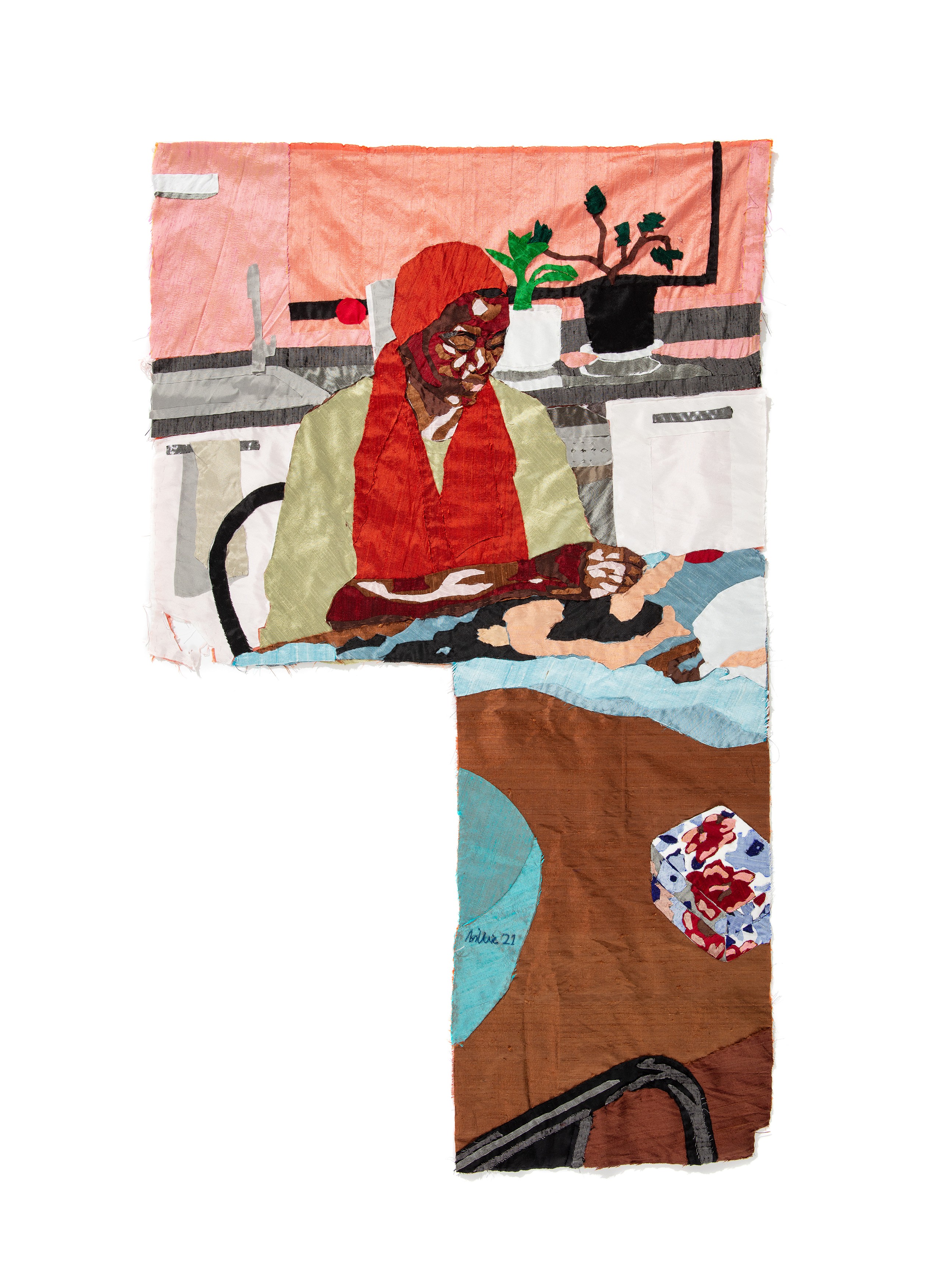
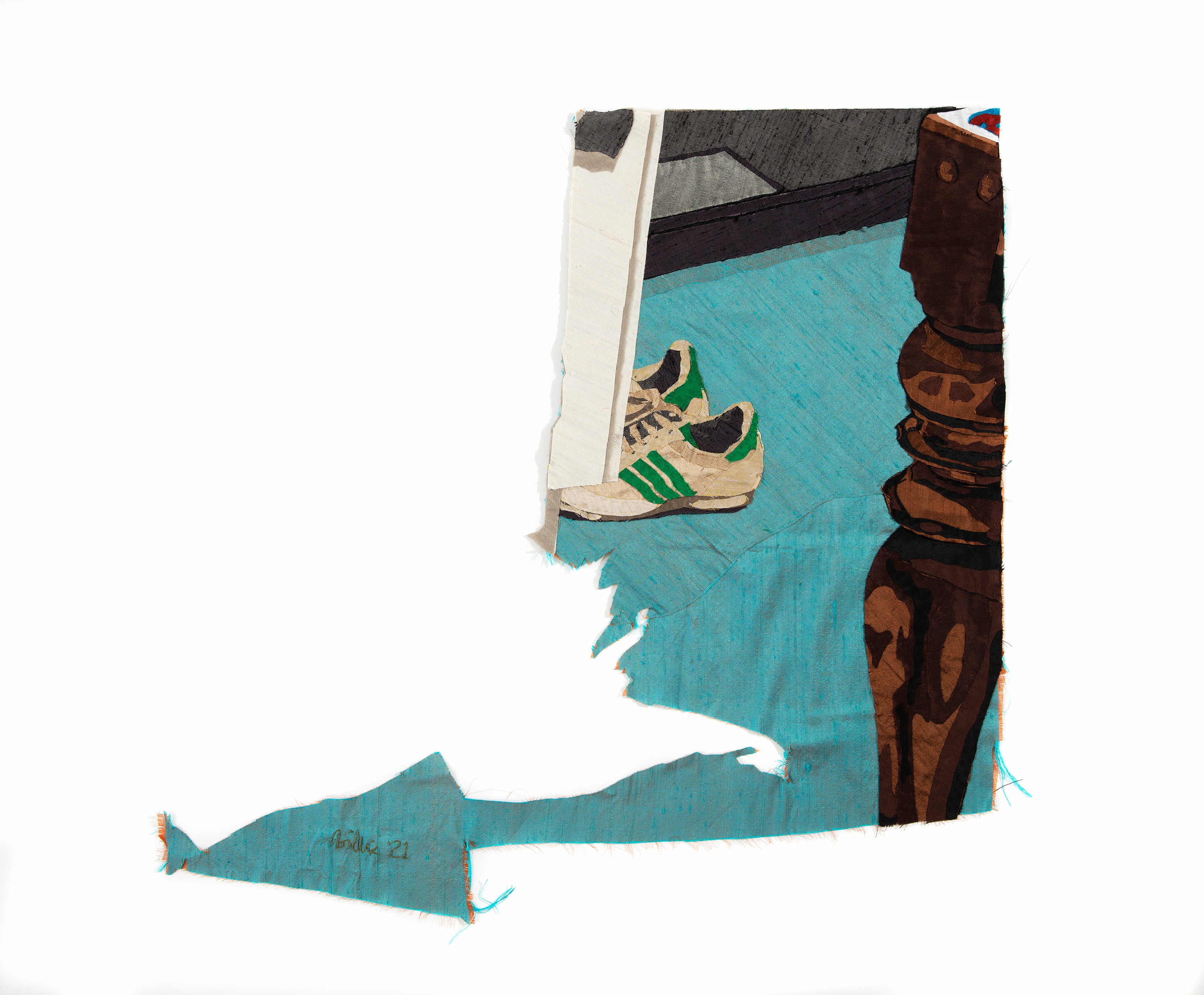
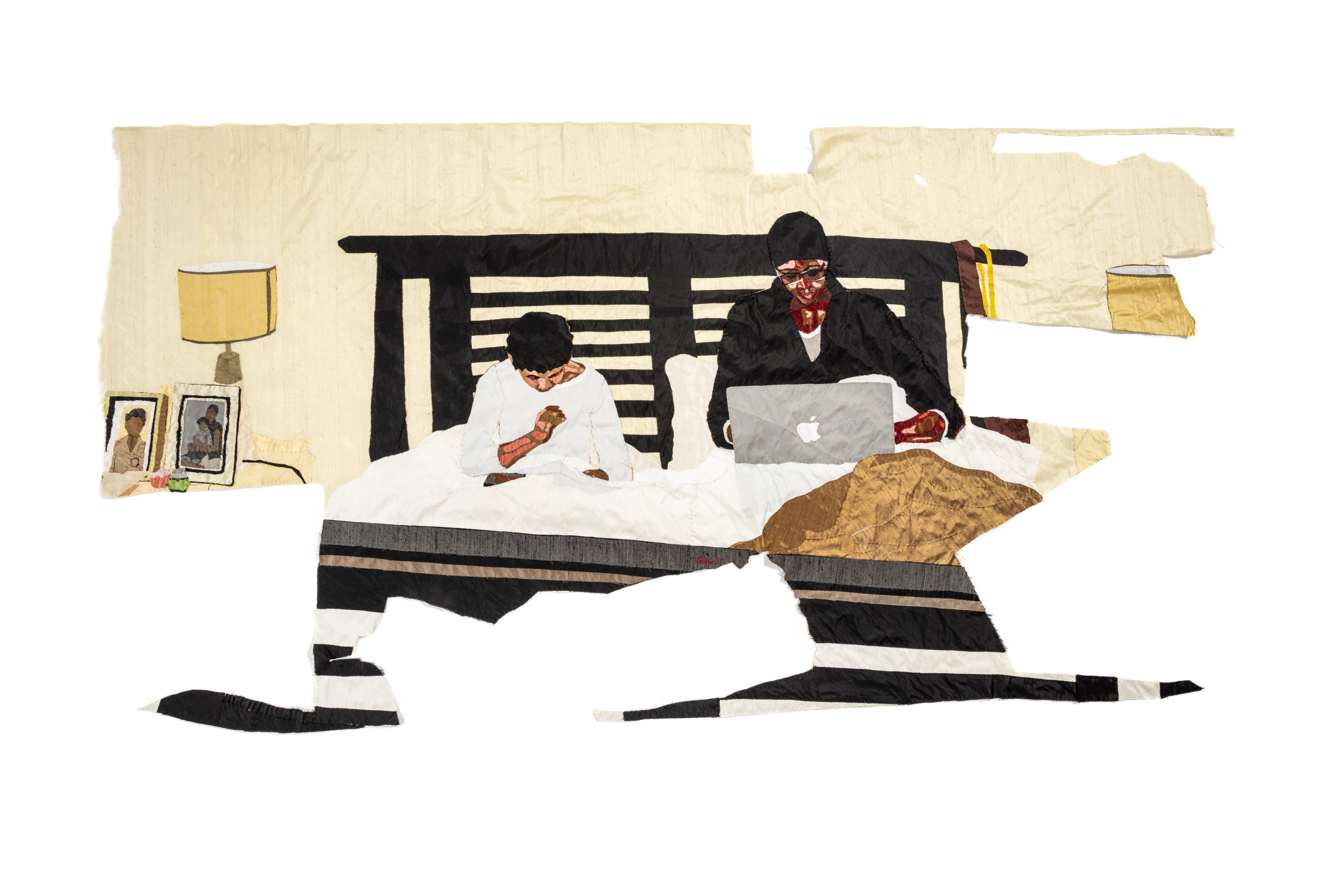
Lehmann Maupin is pleased to announce Flesh and Blood and Running Water, two concurrent exhibitions featuring new work by Johannesburg-based artist Billie Zangewa, which will be presented across the gallery’s Seoul and London locations. Best known for her intricate collages composed of hand-stitched fragments of raw silk, Zangewa creates figurative compositions that explore identity and challenge the historical stereotype, objectification, and exploitation of the black female form. For her second presentation with the gallery, Zangewa has created two bodies of work inspired by a new-found appreciation for family, labor, and ritual that resulted from living and working in isolation during the Covid-19 pandemic. Flesh and Blood features work focused on the artist’s close community of family and friends, while Running Water examines the day-to-day acts of work, parenting, and self-care. The exhibition titles are inspired by lyrics from the Neville Brothers’ song Sons and Daughters (1990), which the artist heard on Radio Nova, a French radio station based in Paris.

Beginning her career in the fashion and advertising industries, Zangewa employs her understanding of textiles to portray personal and universal experiences through domestic interiors, urban landscapes, and portraiture. Her earliest works were embroideries on found fabrics depicting remembered botanical scenes and animals from Botswana, but she soon transitioned to creating cityscapes, focusing on her personal relationships and experience as a woman in the city of Johannesburg. After the birth of her son, Zangewa began creating her well-known domestic interiors to explore her shift in focus from self-examination and femininity to motherhood and the home. Often referencing scenes or experiences from everyday life, Zangewa has stated that she is interested in depicting the work done by women that keeps society running smoothly but which is often overlooked, undervalued, or ignored.

Installation view of Billie Zangewa at Lehmann Maupin London
Installation Views: 1 / 3
Installation view of Billie Zangewa at Lehmann Maupin London
Installation Views: 1 / 3
Wall work by Billie Zangewa

빌리 장게와

Body and Soul, 2021

Wall work by Billie Zangewa

빌리 장게와

Serious, 2021

Wall work by Billie Zangewa

빌리 장게와

Whatever it Takes, 2021

Wall work by Billie Zangewa

빌리 장게와

In Times of Trouble, 2021

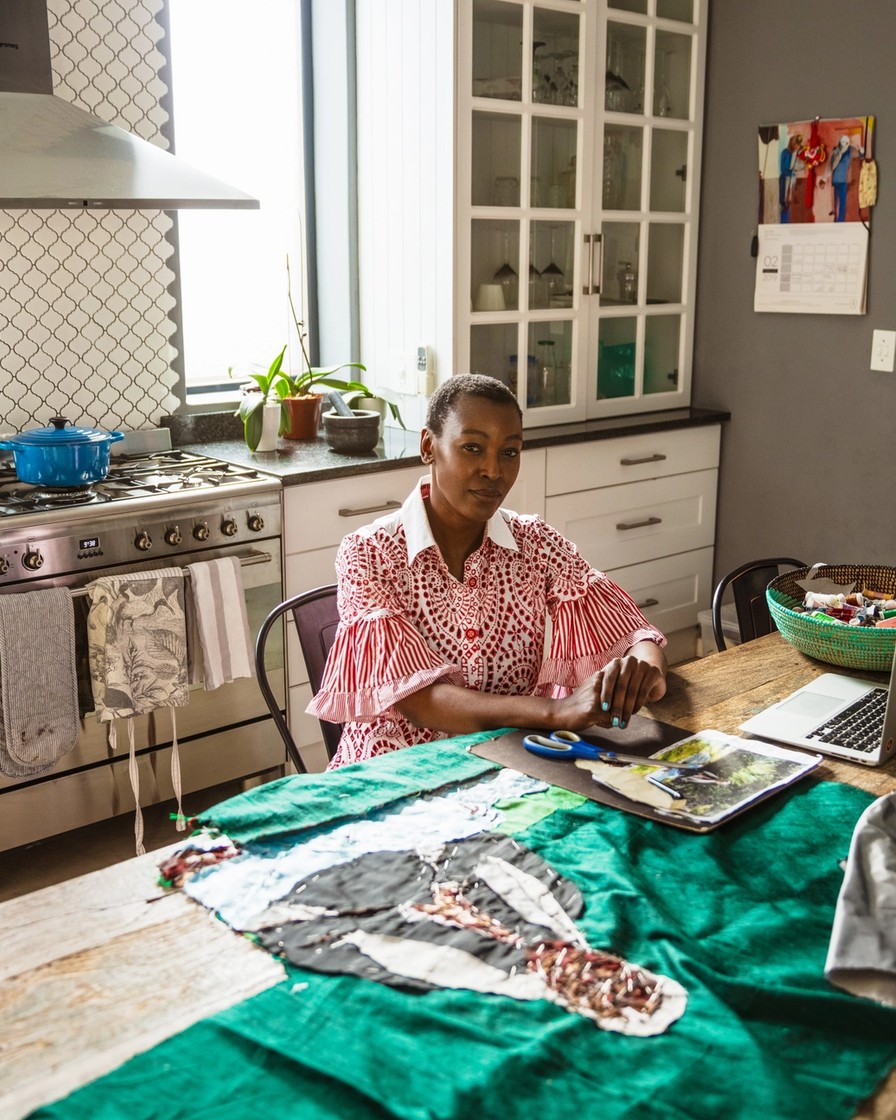
Portrait of Billie Zangewa

Billie Zangewa (b. 1973, Blantyre, Malawi; lives and works in Johannesburg, South Africa) creates intricate collages composed of hand-stitched fragments of raw silk. These figurative compositions explore contemporary intersectional identity in an attempt to challenge the historical stereotype, objectification, and exploitation of the black female form. Beginning her career in the fashion and advertising industries, Zangewa employs her understanding of textiles to portray personal and universal experiences through domestic interiors, urban landscapes, and portraiture. Her earliest works were embroideries on found fabrics depicting remembered botanical scenes and animals from Botswana, where the artist was raised, but she soon transitioned to creating cityscapes, focusing on her experience as a woman in the city of Johannesburg and her personal relationships. These works explored her experience of the male gaze, leading her to begin to think more critically about how women view themselves and what the visualization of the female gaze, through self-portraiture, could look like.

After the birth of her son, Zangewa began making her well-known domestic interiors to explore the shift in focus from self-examination and femininity to motherhood and the home. Often referencing scenes or experiences from everyday life, Zangewa has stated that she is interested in depicting the work done by women that keeps society running smoothly, but which is often overlooked, undervalued, or ignored. Zangewa refers to this as “daily feminism,” which can be considered a contemporary version of “the personal is political.” Through the method of their making and their narrative content, Zangewa’s silk paintings illustrate gendered labor in a socio-political context, where the domestic sphere becomes a pretext for a deeper understanding of the construction of identity, questions around gender stereotypes, and racial prejudice.

작가 알아보기