Skip to content

Multiple Artists

Beneath the Surface

London

Jan 18–Mar 4, 2023

Work on paper by Calida Rawles

No.9 Cork Street

Mayfair, London W1S 3LL

Beneath the Surface, a group show curated by Lehmann Maupin Senior Director Isabella Icoz, brings together the work of Heidi Bucher, Alex Gardner, Lubaina Himid, Shirazeh Houshiary, Araba Opoku, and Calida Rawles—six artists who engage water as medium, metaphor, and artistic method.

Object by Heidi Bucher

Heidi Bucher

Untitled (Wasserkrug /Water Pitcher), 1986
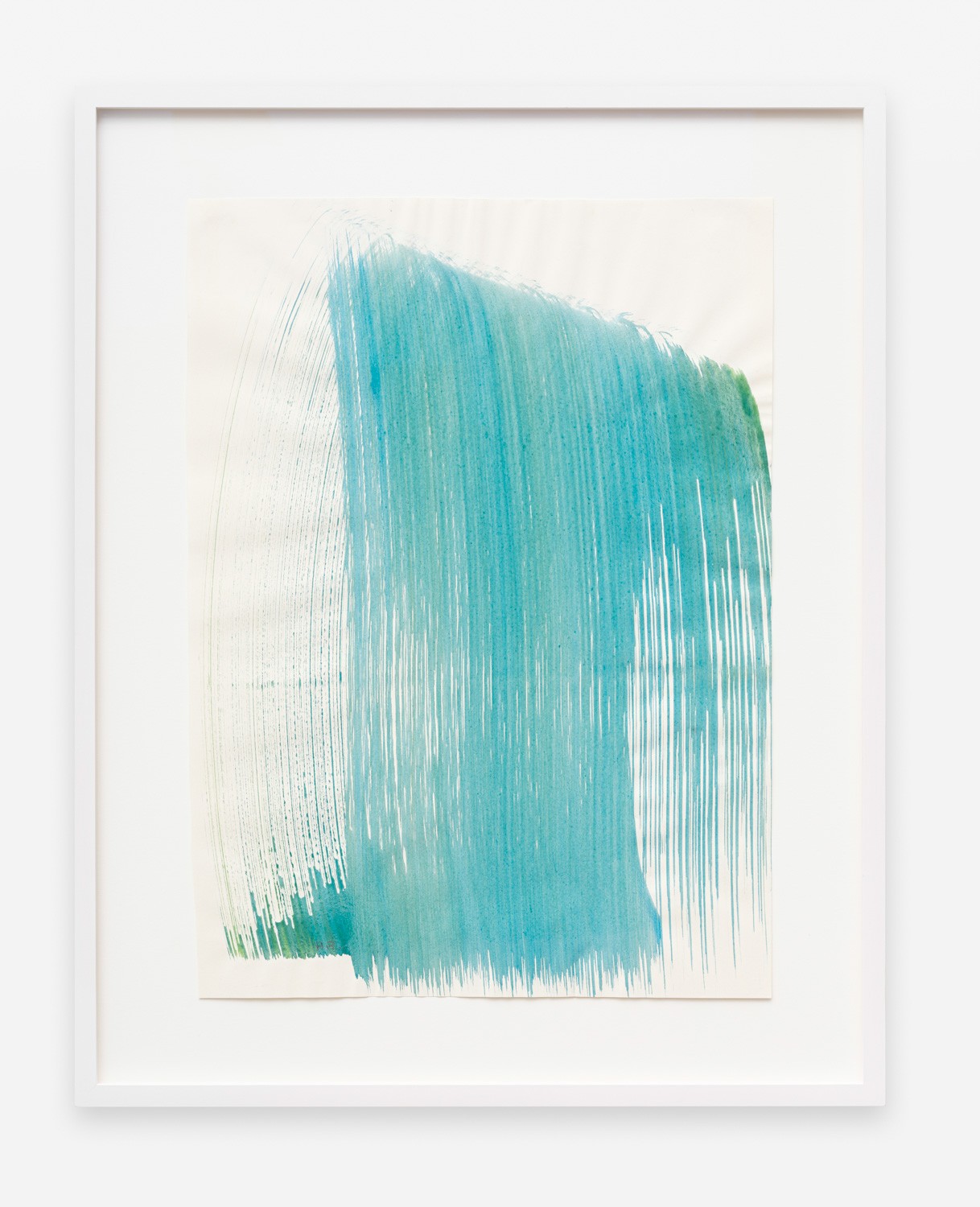
Work on paper by Heidi Bucher

Heidi Bucher

Untitled (Wasserzeichnung / Water drawing), 1985
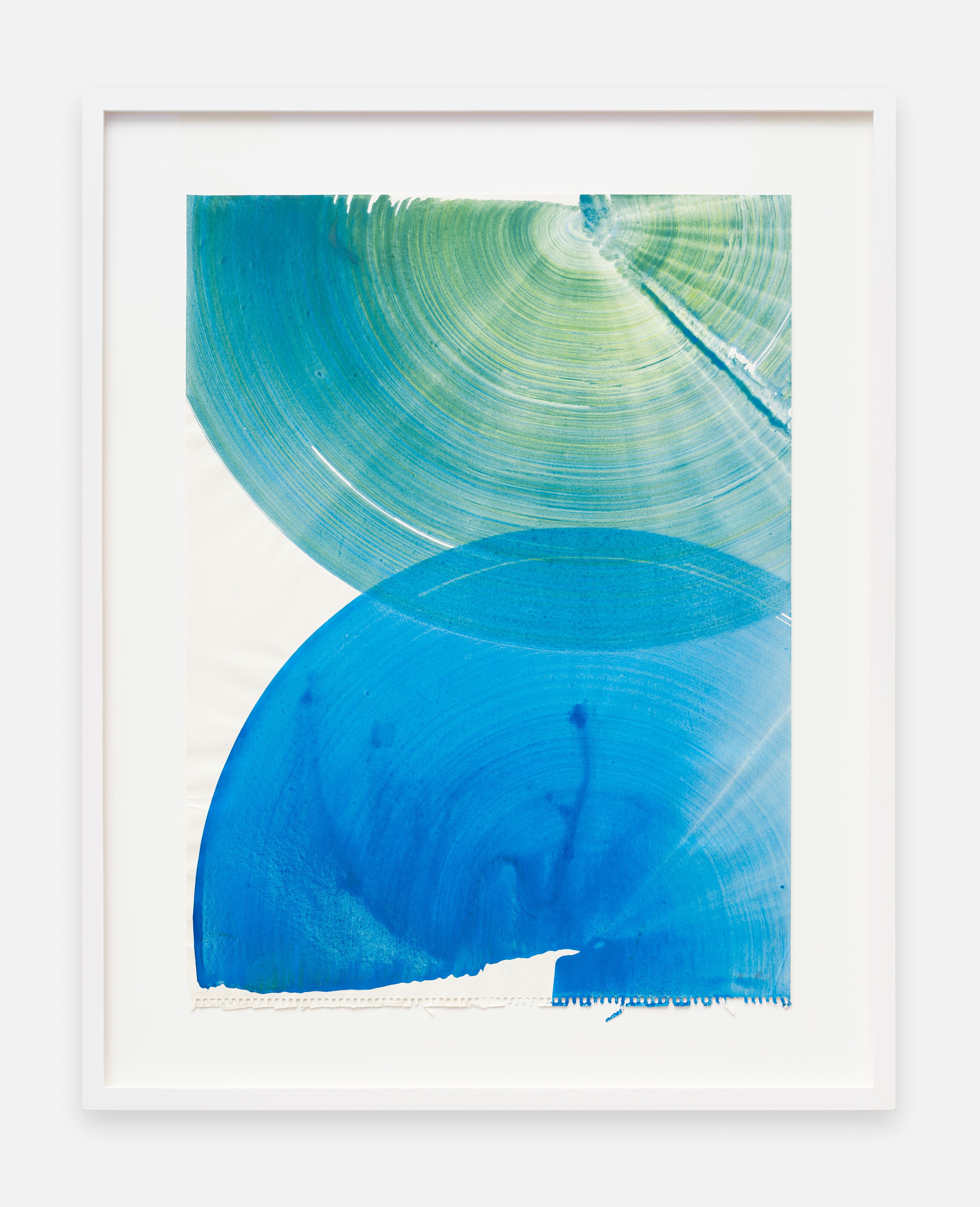
Work on paper by Heidi Bucher

Heidi Bucher

Untitled (Wasserzeichnung / Water drawing), 1985

Work on paper by Heidi Bucher

Heidi Bucher

Untitled (Wasserzeichnung / Water drawing), 1985
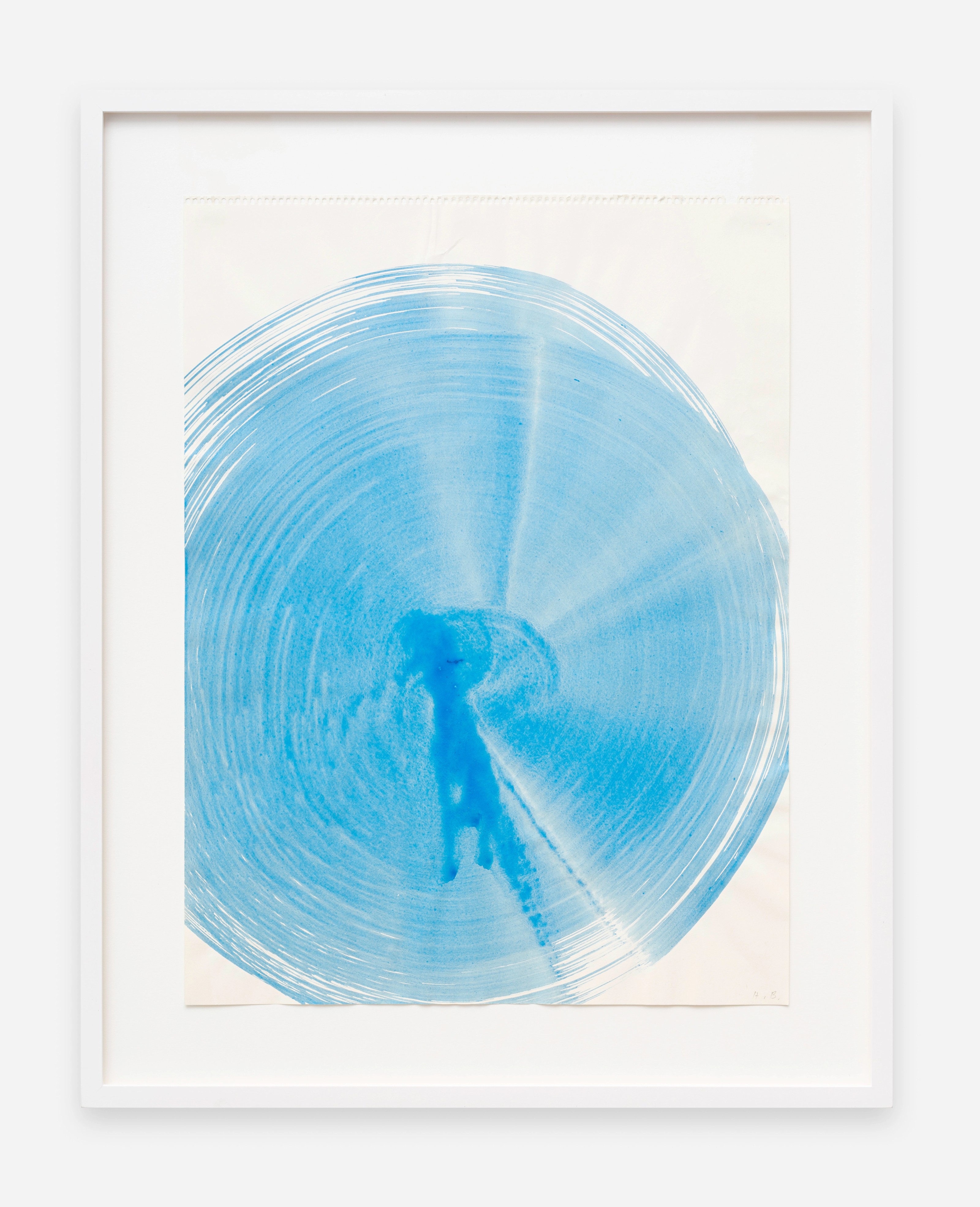
Work on paper by Heidi Bucher

Heidi Bucher

Untitled (Wasserzeichnung / Water drawing), 1985

Painting by Alex Gardner

Alex Gardner

War Pays Dividends, 2022

Painting by Alex Gardner

Alex Gardner

Nurturing Dependence, 2022
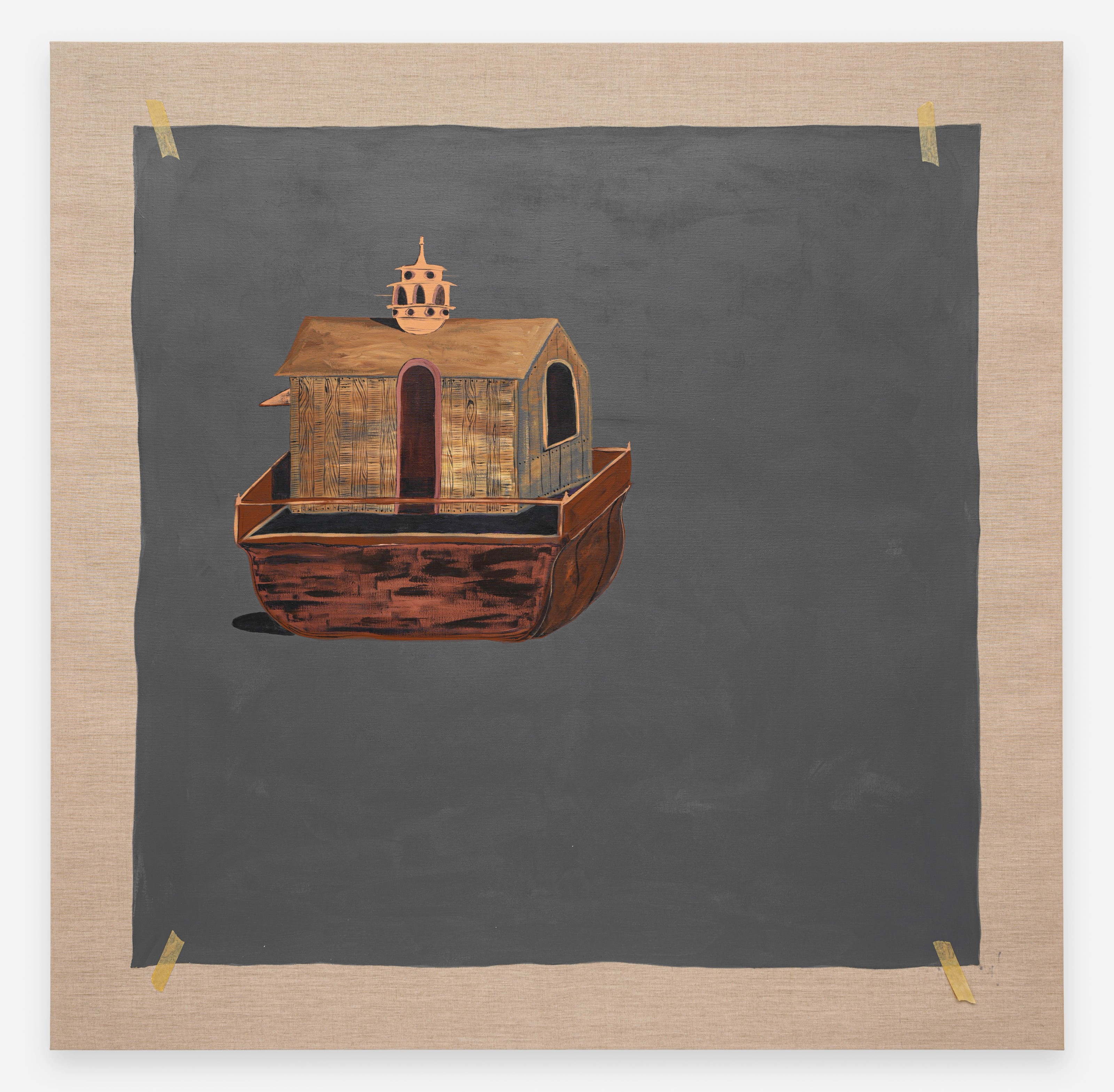
Painting by Lubaina Himid

Lubaina Himid

A Priceless Boon, 2004-2005
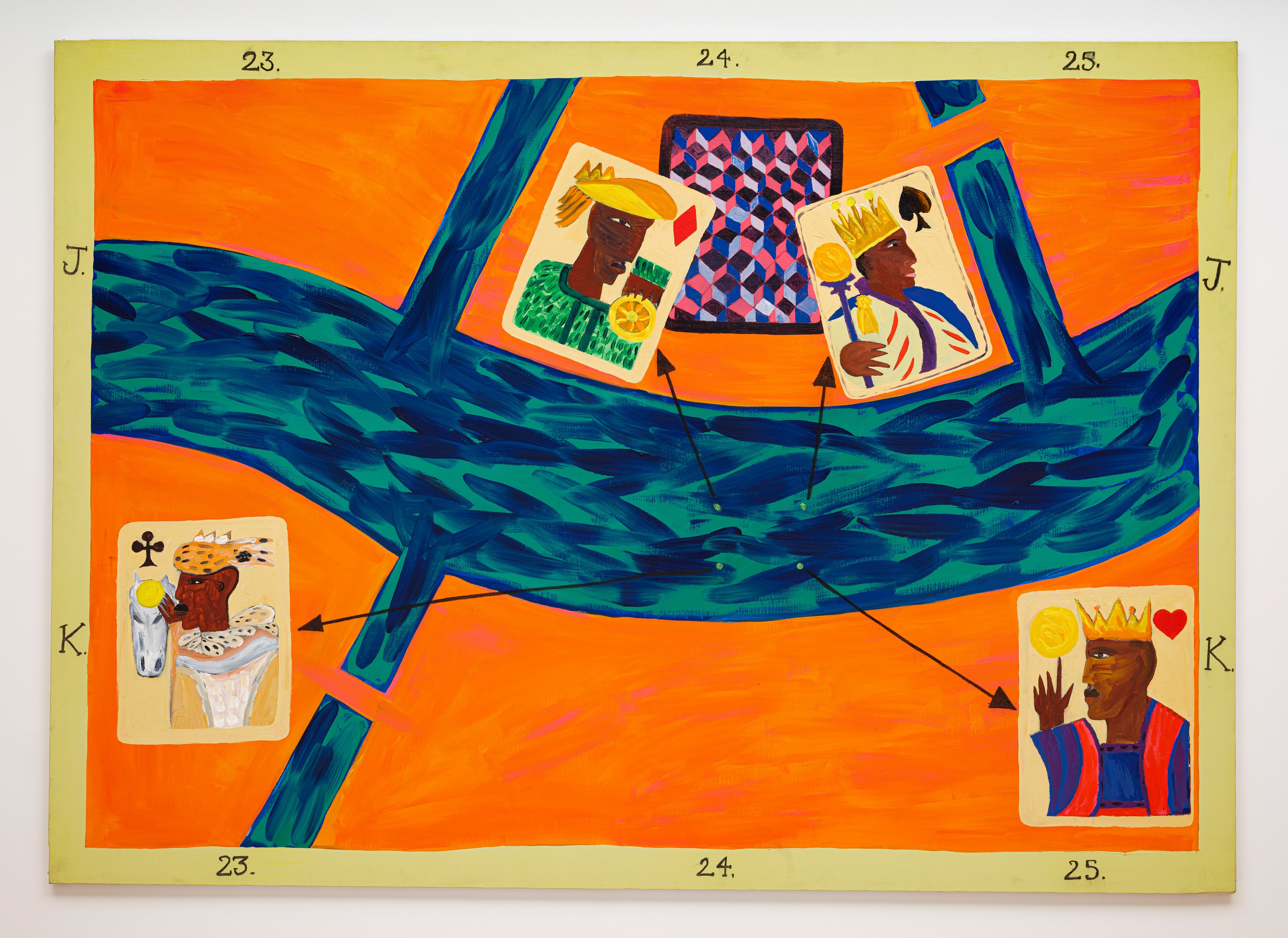
Painting by Lubaina Himid

Lubaina Himid

Venetian Maps (Kings), 1997
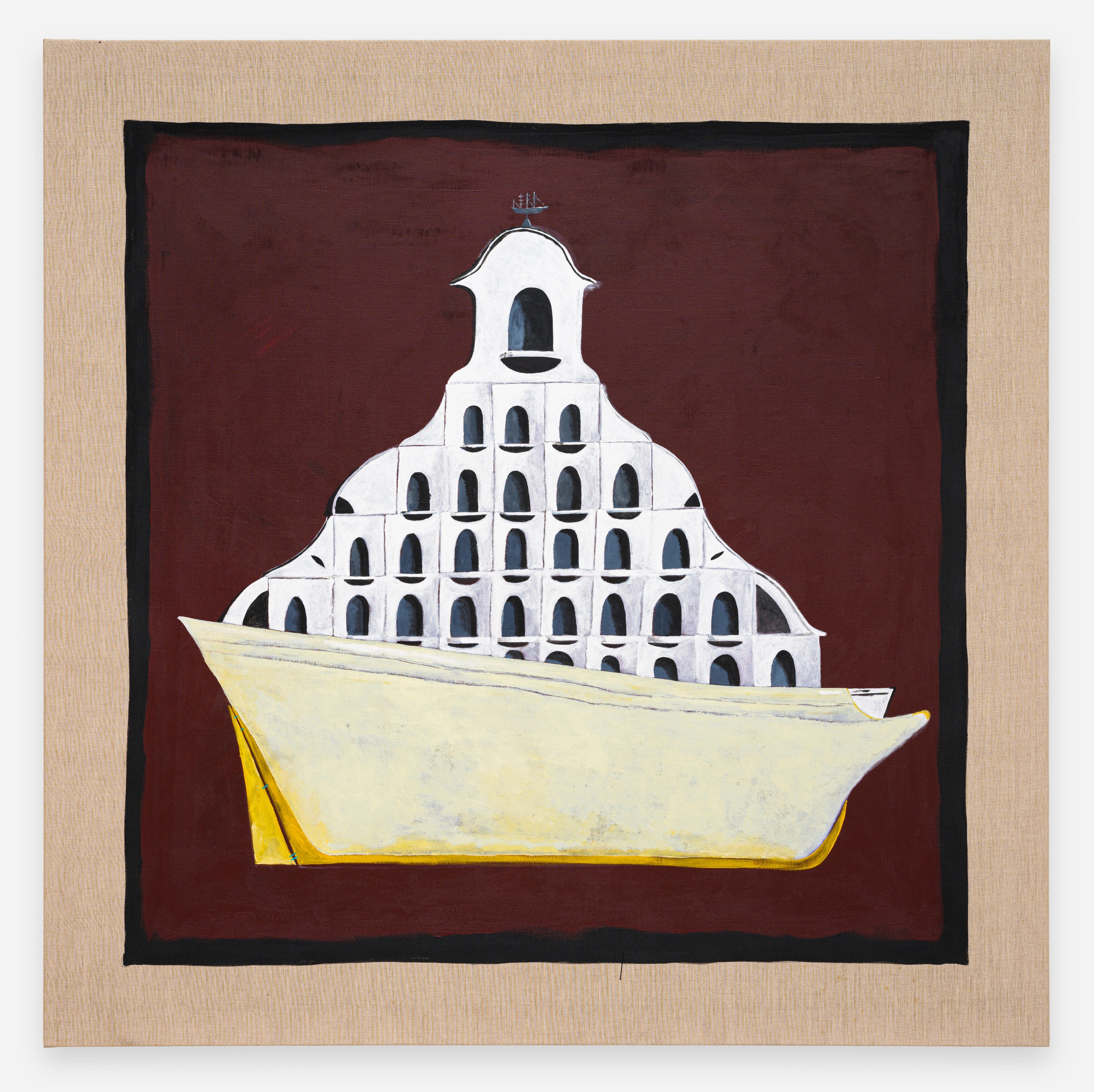
Painting by Lubaina Himid

Lubaina Himid

Dog Kennel Ship, 2004-2005

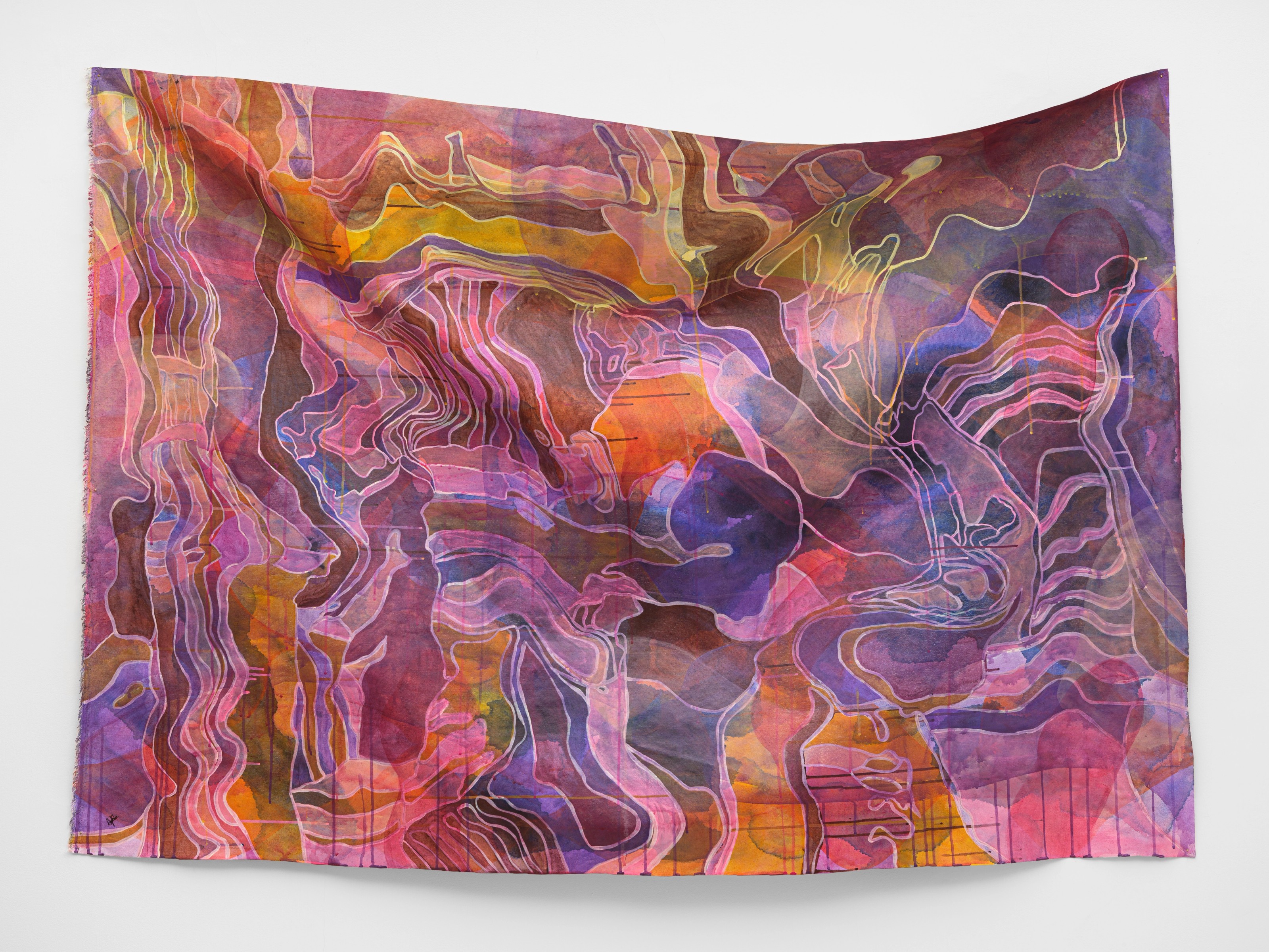
Painting by Shirazeh Houshiary

Shirazeh Houshiary

Styx, 2018

Sculpture by Shirazeh Houshiary

Shirazeh Houshiary

The River is Within Us, 2015

Painting by Shirazeh Houshiary

Shirazeh Houshiary

Valence, 2022

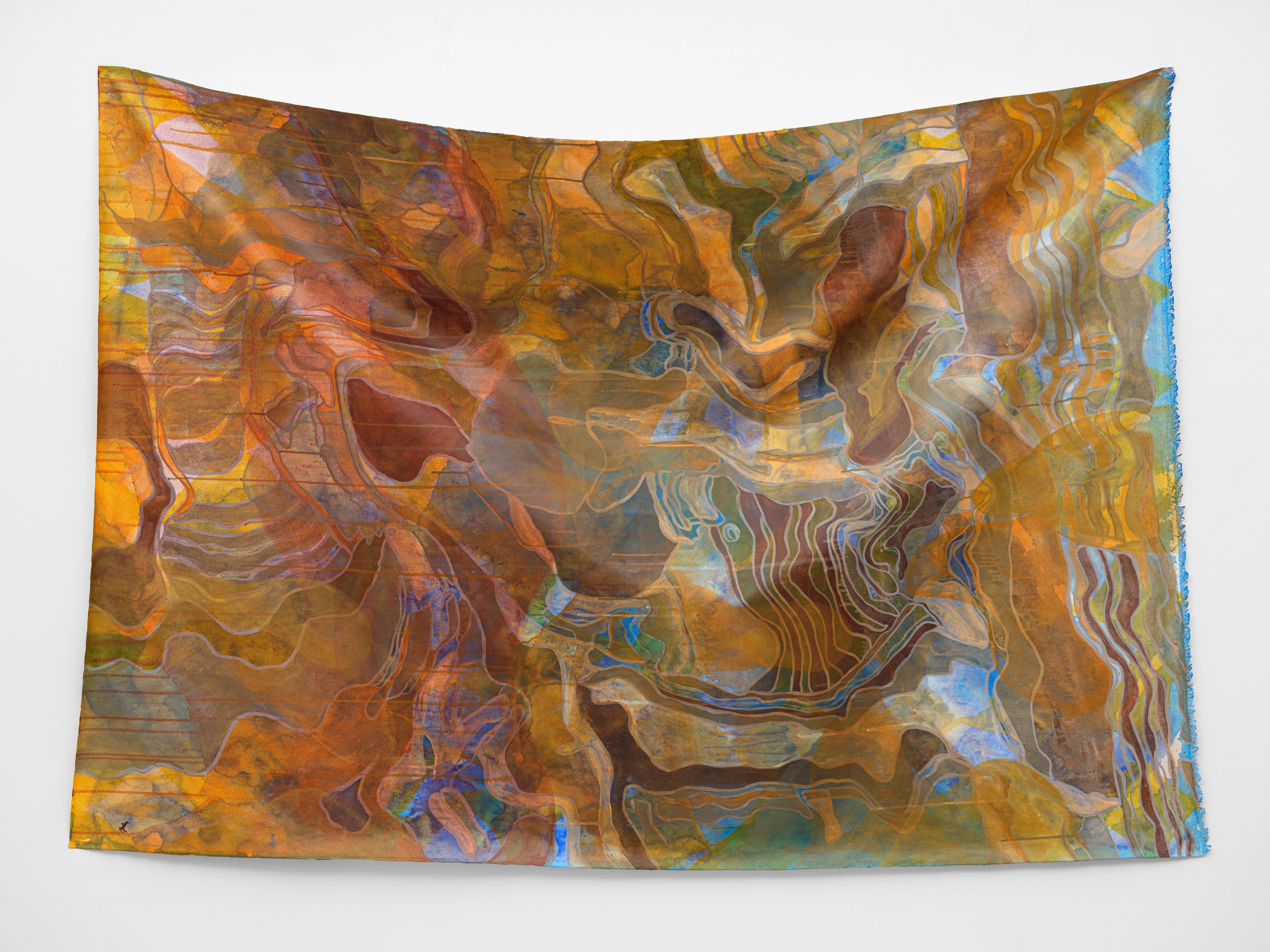
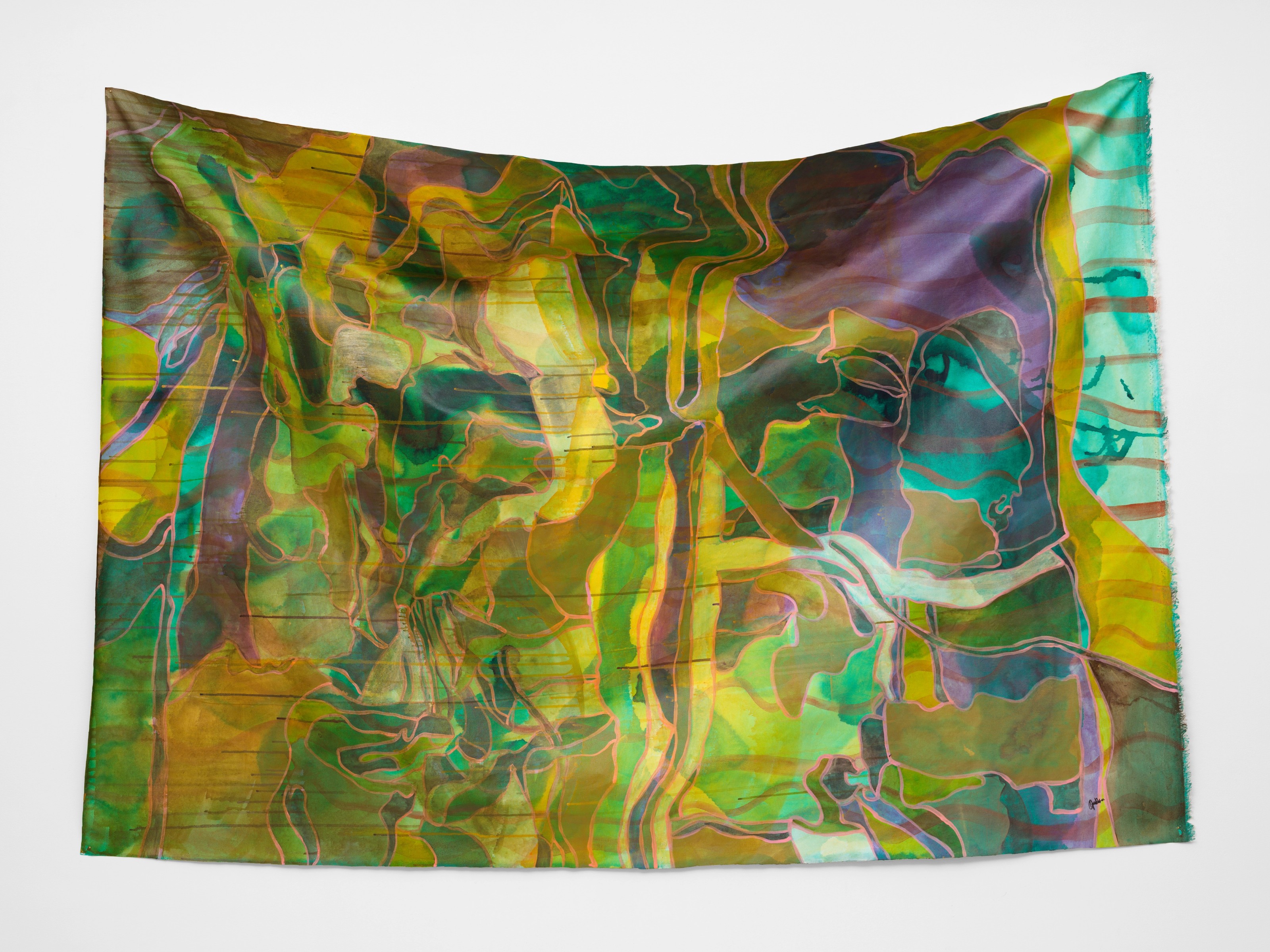
Painting by Araba Opoku

Araba Opoku

Boreas Of Anemoi, 2022

Painting by Araba Opoku

Araba Opoku

Sons Of Dune, 2022

Painting by Araba Opoku

Araba Opoku

Serene Cyllene, 2022

Painting by Araba Opoku

Araba Opoku

Charons Furnace, 2022

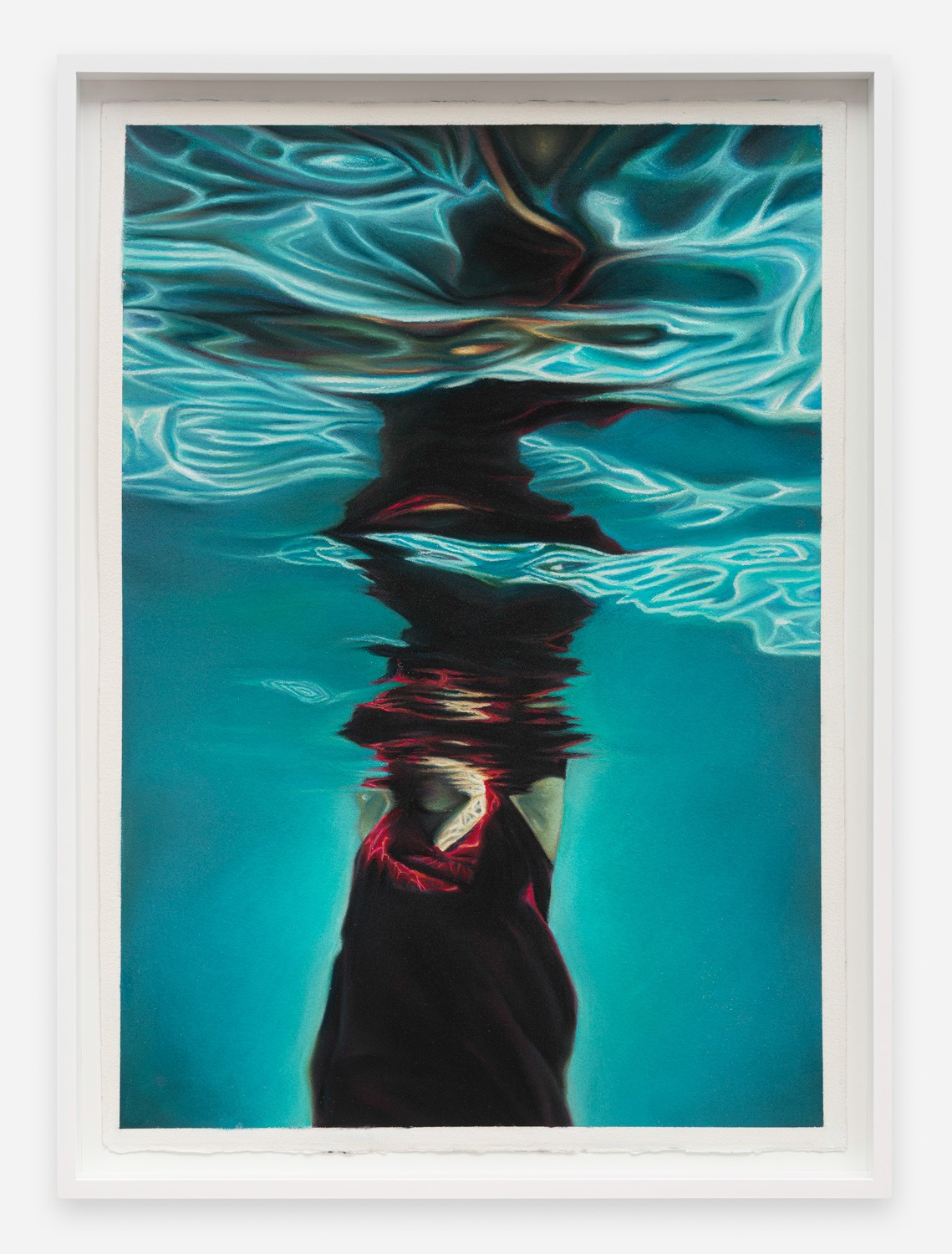
Work on paper by Calida Rawles

Calida Rawles

Atomic Will, 2022

Work on paper by Calida Rawles

Calida Rawles

Before The Whisper, 2022

Exhibition Artists

Portrait of Heidi Bucher

Heidi Bucher (b. 1926, Winterthur, Switzerland; d. 1993, Brunnen, Switzerland) was a Swiss artist who is best remembered for her innovative use of latex and exploration of the physical boundaries between the body and its surroundings. Serving simultaneously as means of historical preservation and metaphorical molting, Bucher’s Hauträume—or “roomskins”—act as indexes of the complicated relationship humans have to their bodies and pasts. Working across the United States, Switzerland, and the Canary Islands, Bucher forged a practice anchored in familial, cultural, and architectural histories and deeply entwined with contemporary concerns around the boundaries between public and private space, and femininity and the body. Though Bucher’s many bodies of work—from her early drawings and wearable sculptures to her later latex-encased objects and Hauträume—each reflect distinct artistic interests and origins, they all trace back to the artist’s mantra, which uniquely summarizes her career-long engagement with bodies and rooms: Räume sind Hüllen, sind Häute (Spaces are shells, are skins).

Beginning in the 1970s, Bucher embalmed clothing in a mixture of latex and mother of pearl, preserving the objects as artifacts of their time and creating a surface that appeared skin-like in both color and texture. Bucher primarily used women’s clothing, such as nightdresses and pantyhose, as a critical response to the rigid gender restrictions she had experienced during her childhood and adolescence. By the end of the decade, Bucher began applying her signature latex medium to the surfaces of domestic objects and spaces, aligning women’s clothing with these designated “feminine” spaces. Allowing the latex mixture to harden, then peeling it off, Bucher produced translucent skins that held elements of paint, rust, dirt, and the minute details and markings of the architecture. During the years that followed, Bucher produced several major bodies of work based on the domestic spaces of her past—her ancestral house in Winterthur, the study in her parents’ home, and her studio in Zurich. Each space she inhabited was rendered translucent and ghostly, like a visual memory that, due to the fragile nature of the latex material, would warp and discolor over time. Displayed suspended mid-air, the series of latex Hauträume are simultaneously monumental and fragile, mimicking the very process by which they are created; the removal of the latex from the architectural space required a great deal of both physical strength and delicate dexterity.

Portrait of Shirazeh Houshiary

Shirazeh Houshiary (b. 1955, Shiraz, Iran; lives and works in London, United Kingdom) makes painting, sculpture, and animation that seek to challenge viewers’ perceptions of time, space, and materiality. Her works often engage opposing ideas and states of being, including transparency and opacity, sound and silence, surface and depth, and presence and absence. From a distance, her paintings are reminiscent of a swirling galaxy, but as the viewer draws closer, the meticulousness, detail, and hidden Arabic letters that make up her amorphous forms begin to unfold. The universe, with its contradiction, paradox, and complexity is a core subject matter in her work. The Arabic words embedded in her compositions are a juxtaposition of the opposing phrases “I am” and “I am not,” oscillating freely between focused and unfocused states, where the meaning of our existence becomes superfluous and lost in Houshiary’s imagined cosmos.

Houshiary’s painting technique involves the successive layering of pigment and line, a laborious process that often takes several months to complete. Her surfaces are composed of intricate patterns that appear to pulse, undulate, and recede into the canvas, like a veil or membrane. She takes a similar methodical approach to her dynamic sculptures, constructing towers out of glass or aluminum bricks that, layer by layer, seem to emerge from the floor. Each vertical plane of bricks echoes the original shape of the structure’s footprint incrementally rotated to the maximum degree the form will allow before the resulting helix shape becomes unstable. For each work, Houshiary attempts to visualize subjects that are inherently intangible—an echo, human breath, or memory.

Portrait of Calida Rawles

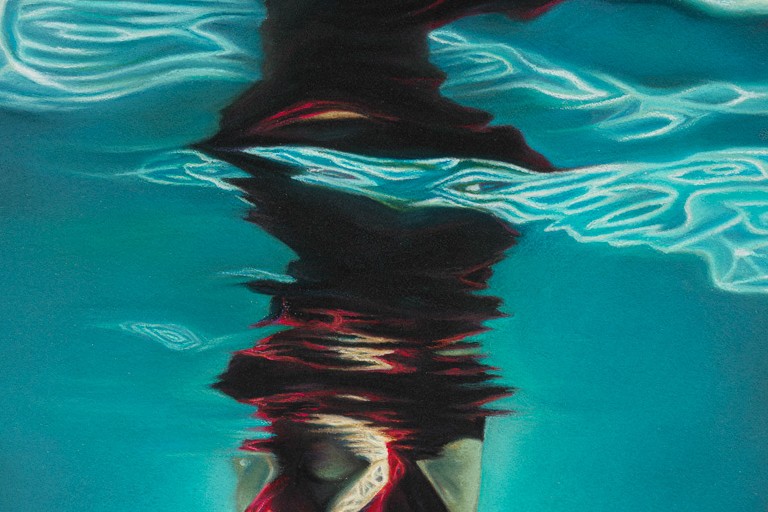
Calida Rawles (b. 1976, Wilmington, DE) is known for paintings that merge hyper-realism with poetic abstraction. Situating Black subjects in dynamic, fluid spaces, Rawles employs water as a vital, multifaceted material and historically charged space through which questions of identity, memory, healing, and belonging come into focus.

At times buoyant and ebullient, at others submerged and mysterious, her subjects float within exquisitely rendered landscapes of bubbles, ripples, and refracted light. For Rawles, water holds a profound duality: it can signify physical and spiritual healing while evoking histories of trauma, racial exclusion, and displacement. Drawing from history, mythology, philosophy, and politics, she uses this complexity to reimagine Black subjects beyond racialized tropes and envisions new possibilities for healing. At times referencing specific geographic locations, Rawles uses place to bring attention to the histories and specific events embedded within them, while water’s ability to alter perception acts as the central force of her practice. A ripple may obscure a face while revealing something less immediately visible.

Beneath the Surface | Lehmann Maupin