Skip to content

Alex Prager

The Museum of Modern Art

New York

Sep 29, 2010–Jan 10, 2011

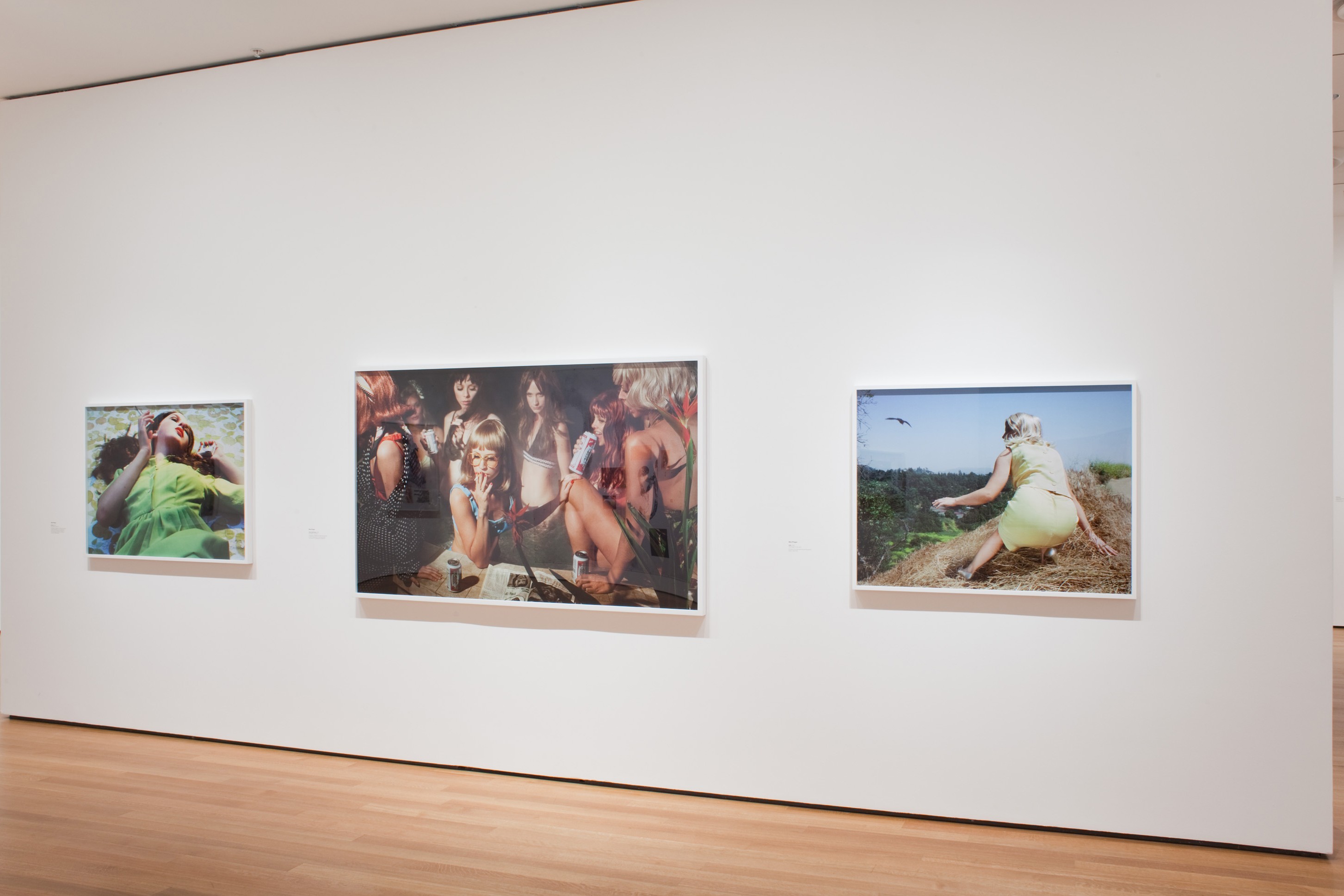
Installation view of Alex Prager in New Photography 2010 at MoMA

New York, NY

New Photography 2010 presents four artists— Roe Ethridge, Elad Lassry, Alex Prager, and Amanda Ross-Ho—whose photographs mine the inexhaustible reservoir of images found in print media and cinema. Ethridge takes his pictures in “editorial mode,” directly borrowing from commercial images already in circulation, including outtakes from his own illustrational magazine work. Lassry defines his practice as one consumed with pictures, meaning with generic images lifted from consumer society, such as Hollywood publicity stills and design illustrations. Ross-Ho’s hand-drilled sheetrock panels lined up with found pictures and mural-scale images of studio residues renegotiate the various stages of the creative process. Prager takes her cues from pulp fiction and the fashion images of Guy Bourdin to construct filmic narratives starring women disguised under synthetic wigs, dramatic makeup, and retro polyester attire. Infusing the seductive language of film and advertising with a touch of sly conceptualism, the artists included in New Photography 2010 explore the relationship between straight and constructed photograph, image and picture.

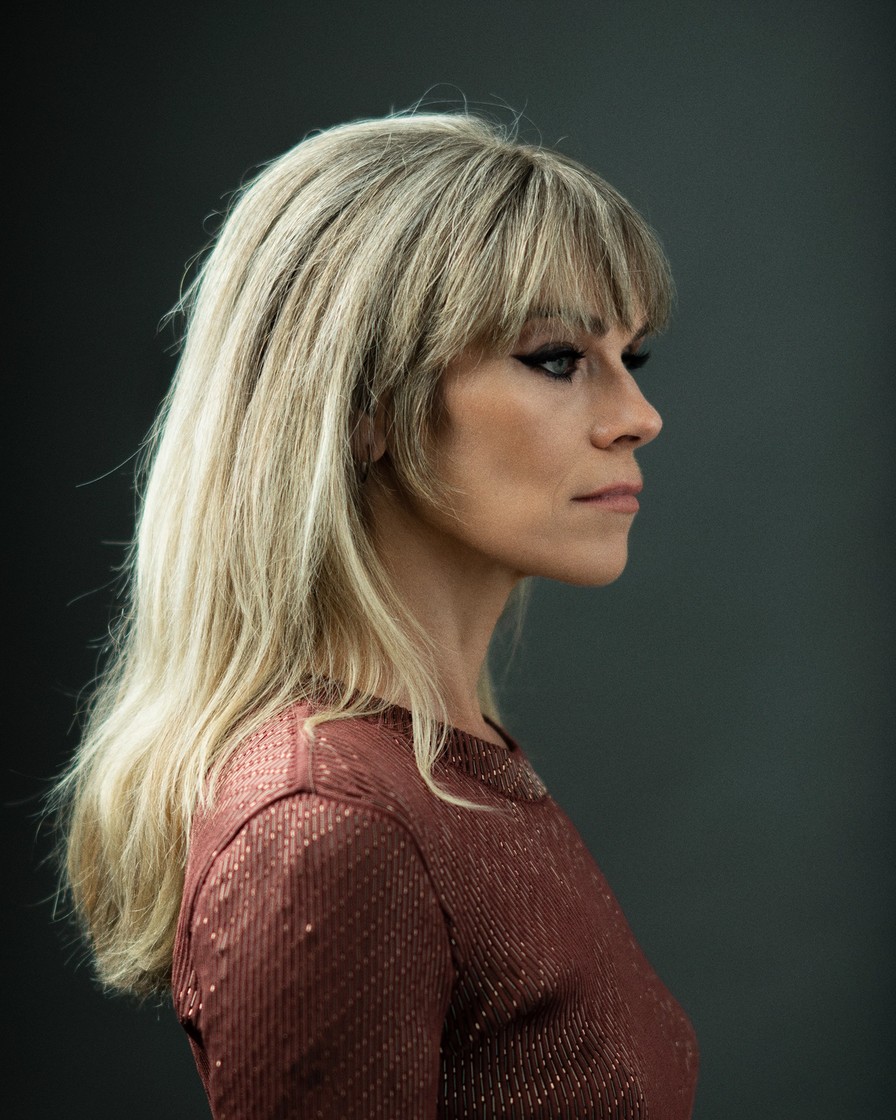
Portrait of Alex Prager

Alex Prager (b. 1979, Los Angeles, CA; lives and works in Los Angeles, CA) is an American artist, director and screenwriter based in Los Angeles. Prager is known for her uncanny images and films that blur the line between artifice and reality to explore the human condition. Prager has spent over two decades honing her signature style, which draws on traditional movie making techniques from golden-era period styles (like film noir and Technicolor), classical mythology, and the allegorical works of Dutch Renaissance painters Hieronymus Bosch and Pieter Brugel. Over time, large-scale productions have become synonymous with her work.

Working simultaneously across film, photography, and sculpture, Prager constructs highly emotional moments that feel like a fabricated memory or dream. Her distinctive use of archetypes, everyday objects, humor, and allegory—along with her signature technicolor facades—allow her to explore dark and complex topics. Existential concerns are central to her practice, including collective and individual identities and the impact of technology on society. Like the psychological works of artists including Alfred Hitchcock, Edward Hopper, Pipilotti Rist, August Sanders, and Bill Viola, Prager’s work invites the viewer to contemplate the human experience by revealing that the extraordinary lurks within the ordinary.

New Photography 2010 | Lehmann Maupin