Skip to content

Frieze New York Annex & Vision & Justice Tribute

Lehmann Maupin

May 4–8, 2021

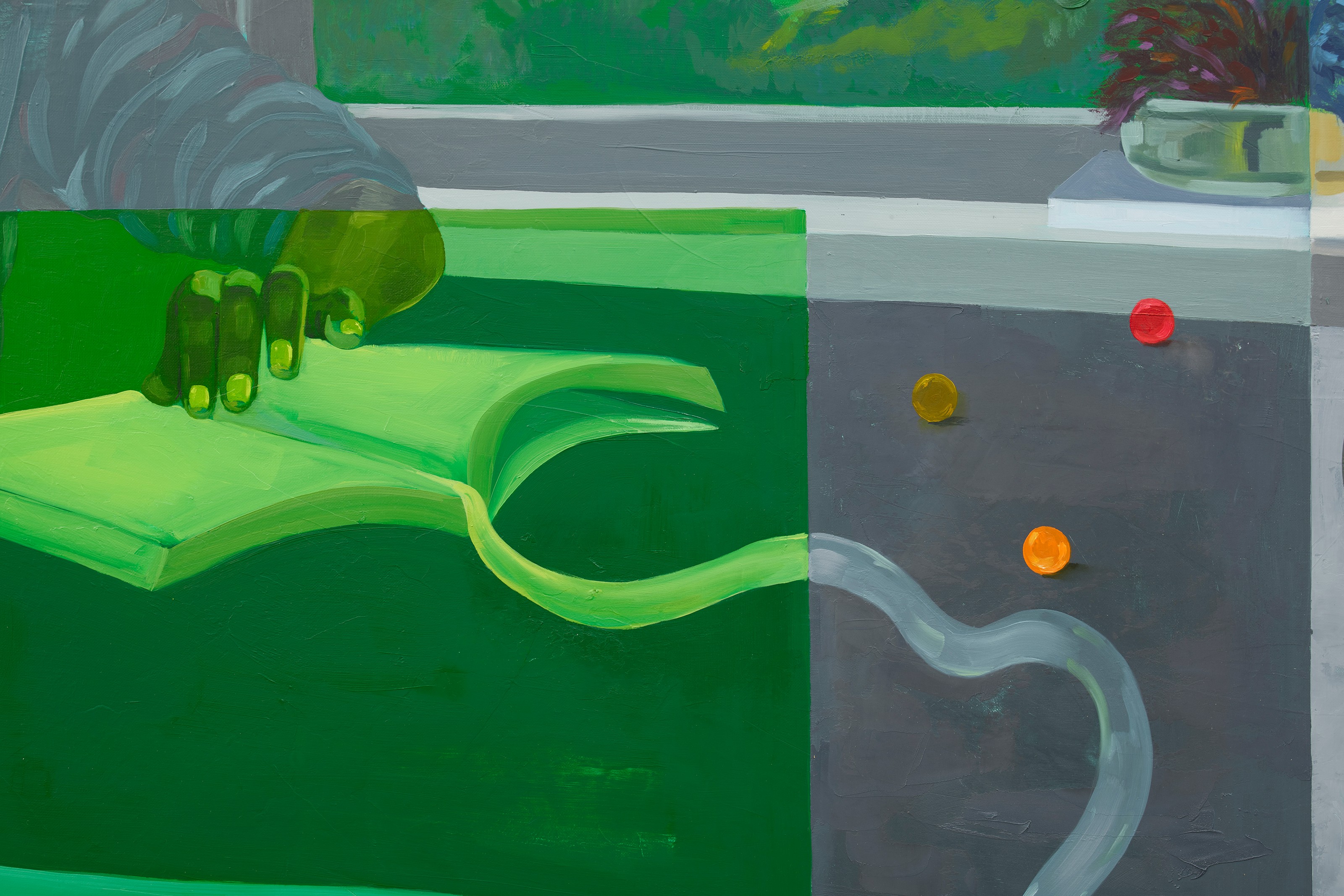
Detail of painting by Dominic Chambers

Lehmann Maupin

New York, NY

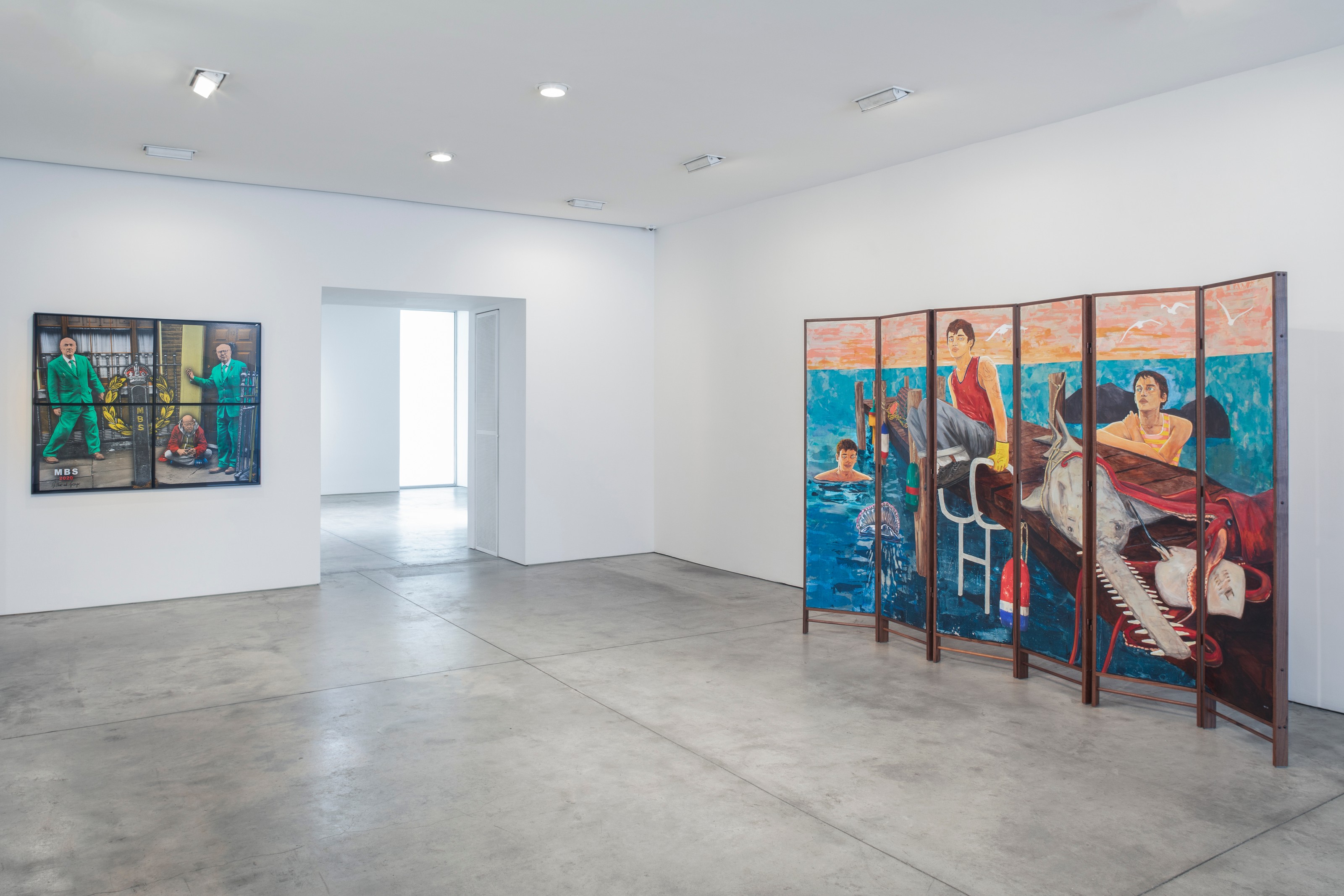
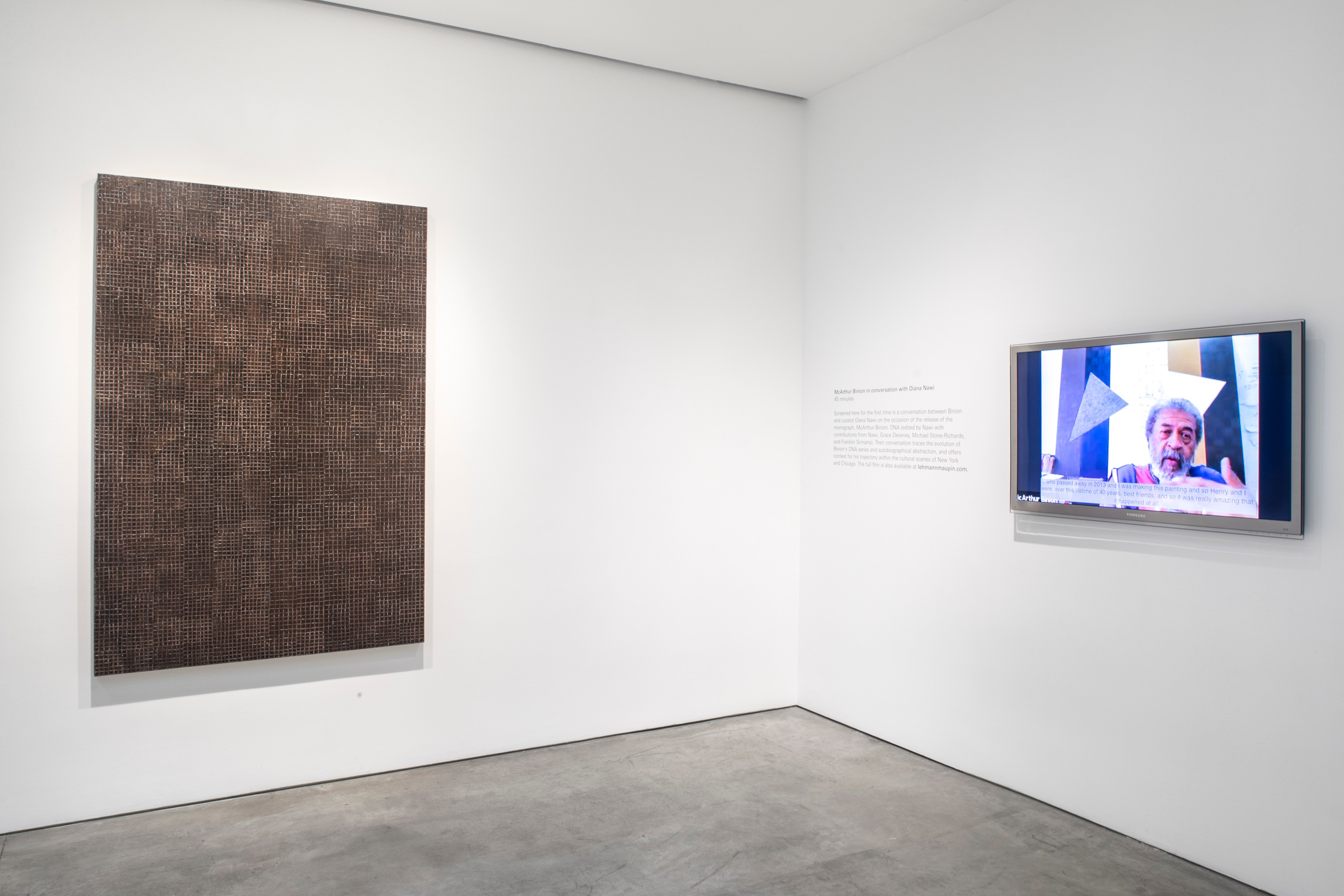
Offering greater accessibility to its program, the gallery will triple its footprint through Frieze New York Annex at its 536 West 22nd Street location. Focusing on the artists featured at The Shed, this showcase provides expanded context for the works on view at the fair. Notably, the gallery will dedicate a section of the Annex to artist McArthur Binion in support of Frieze’s tribute to the Vision & Justice Project.

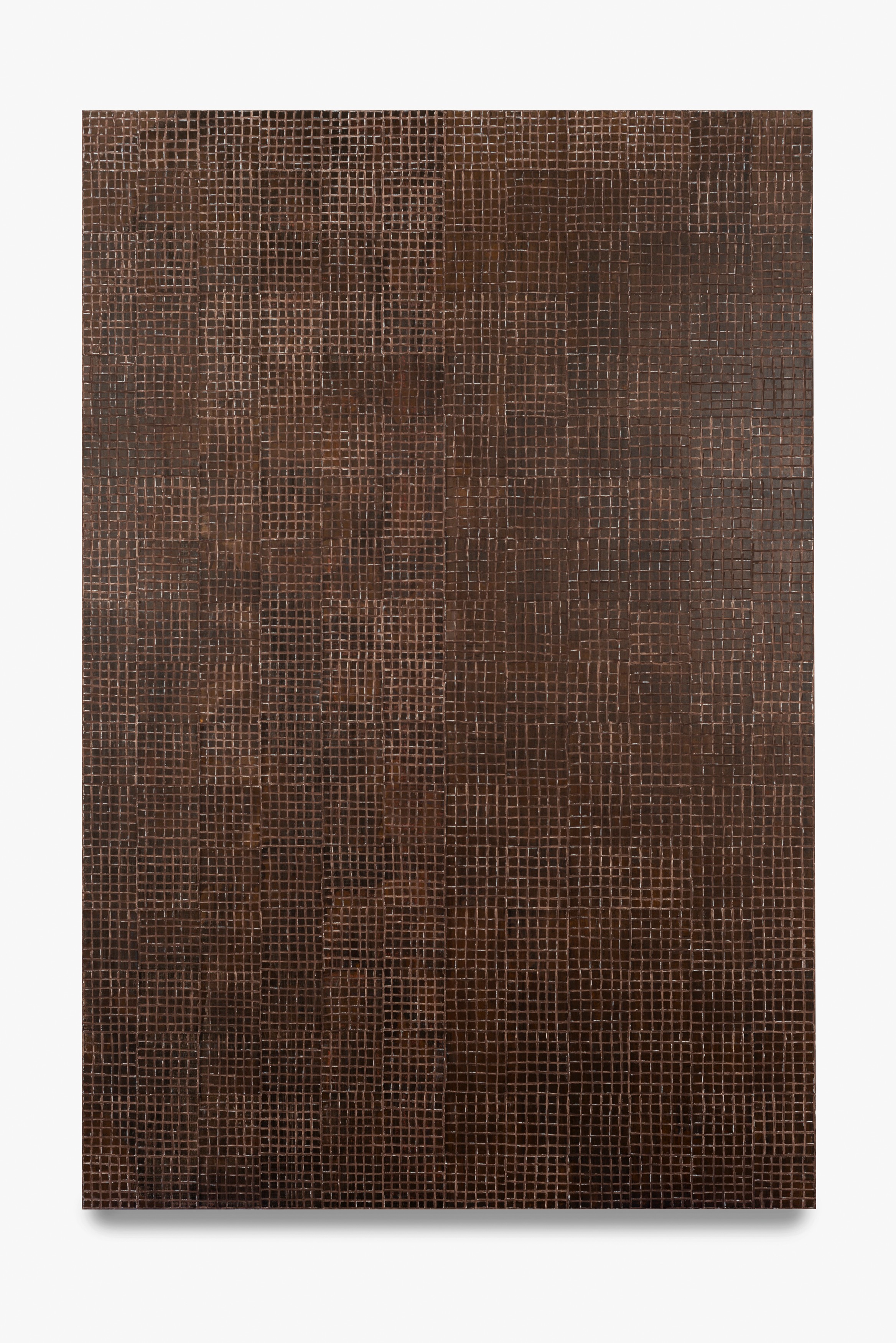
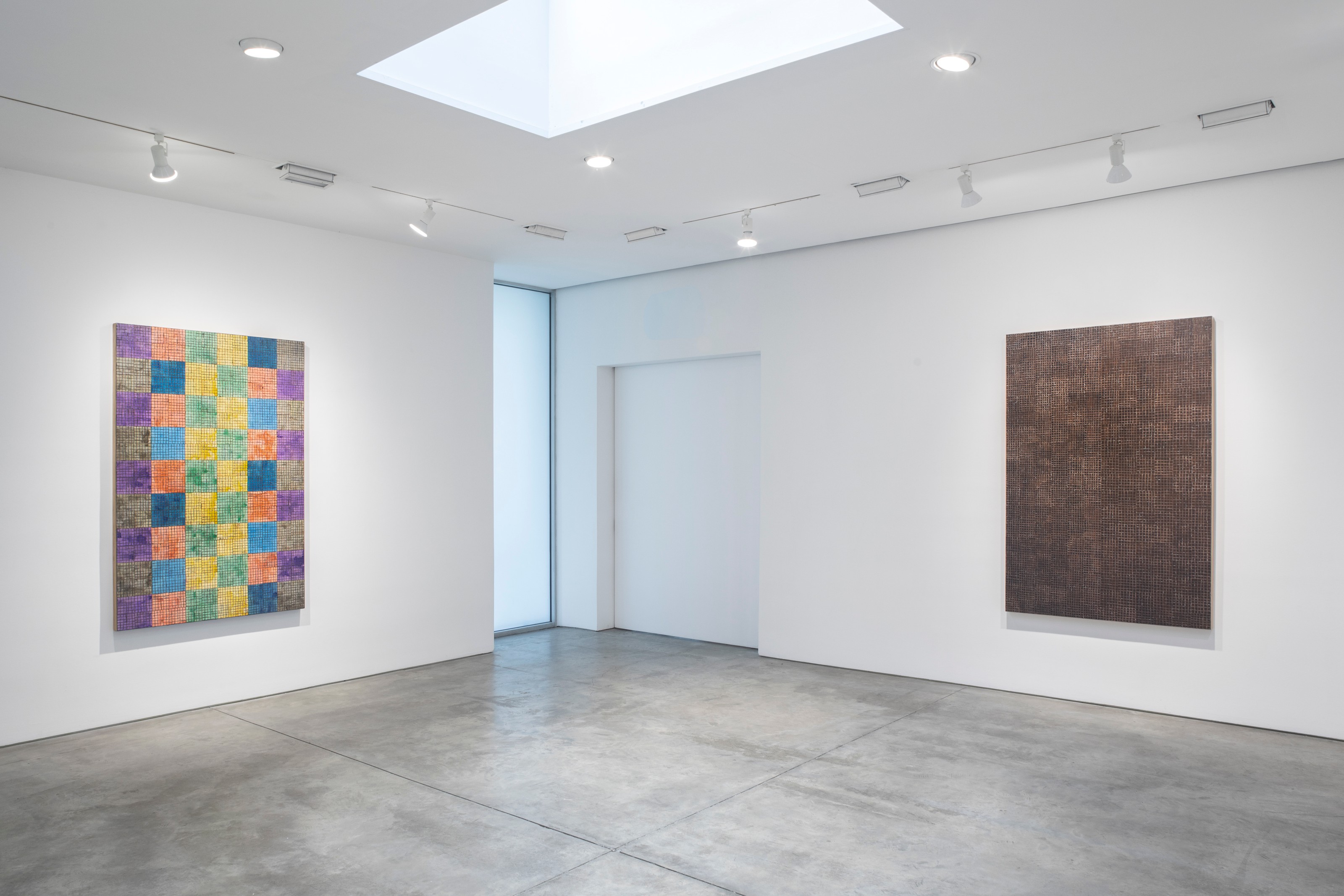
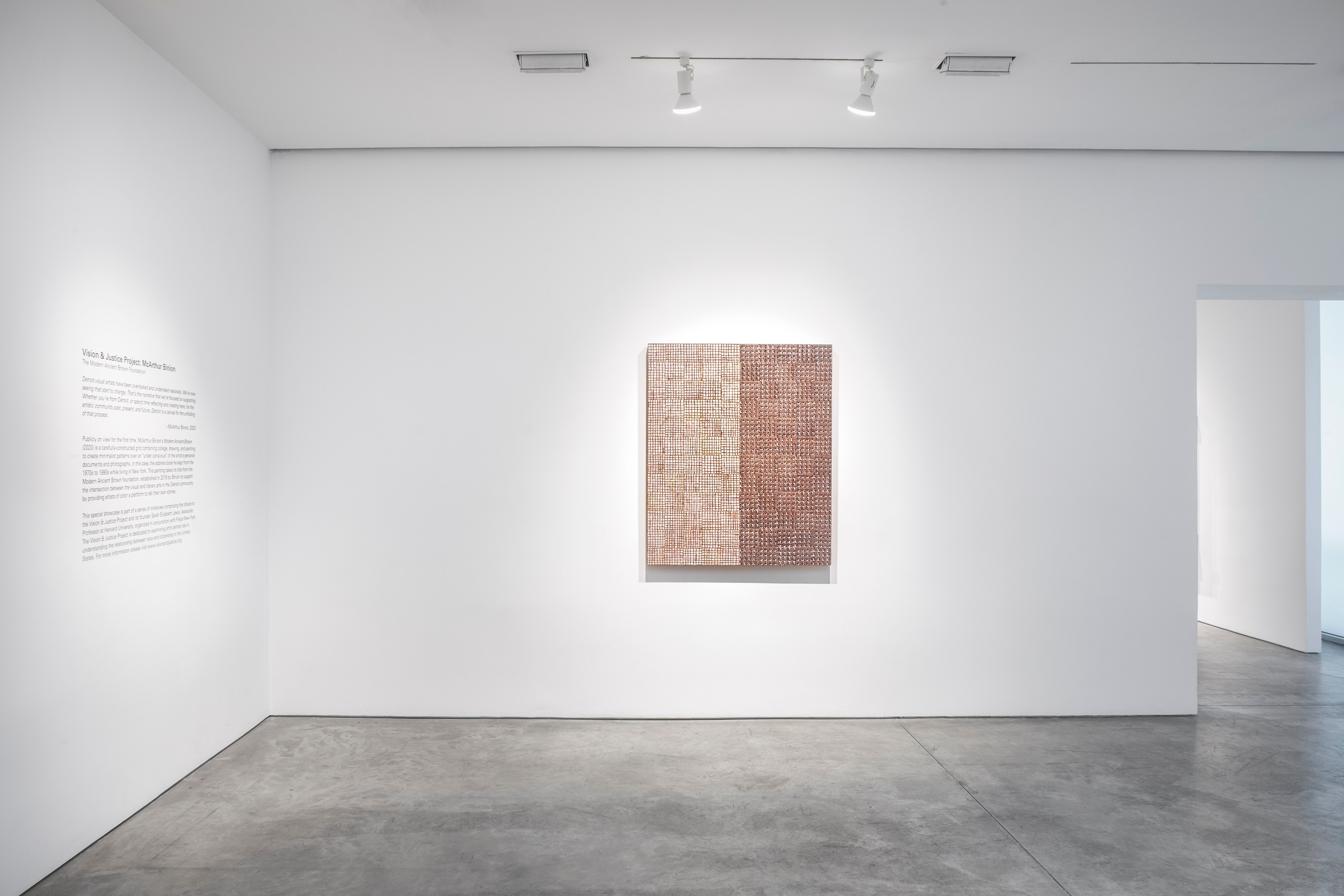
Publicly on view for the first time, Binion’s Modern:Ancient:Brown (2020) is a carefully-constructed grid composition combining collage, drawing, and painting to create minimalist patterns over an “under surface” of the artist’s personal documents and photographs. This painting borrows its title from the Modern Ancient Brown foundation, established in 2019 by Binion to support the intersection between the visual and literary arts in the Detroit community by providing artists of color a platform to tell their own stories.⁠ The foundation will launch a residency program in Summer 2021. A portion of the proceeds from the sale of this artwork will be donated to Binion's Modern Ancient Brown Foundation.

Installation view of Frieze New York Annex & Vision & Justice Tribute, at Lehmann Maupin New York
Installation Views: 1 of 5
Painting by McArthur Binion

McArthur Binion

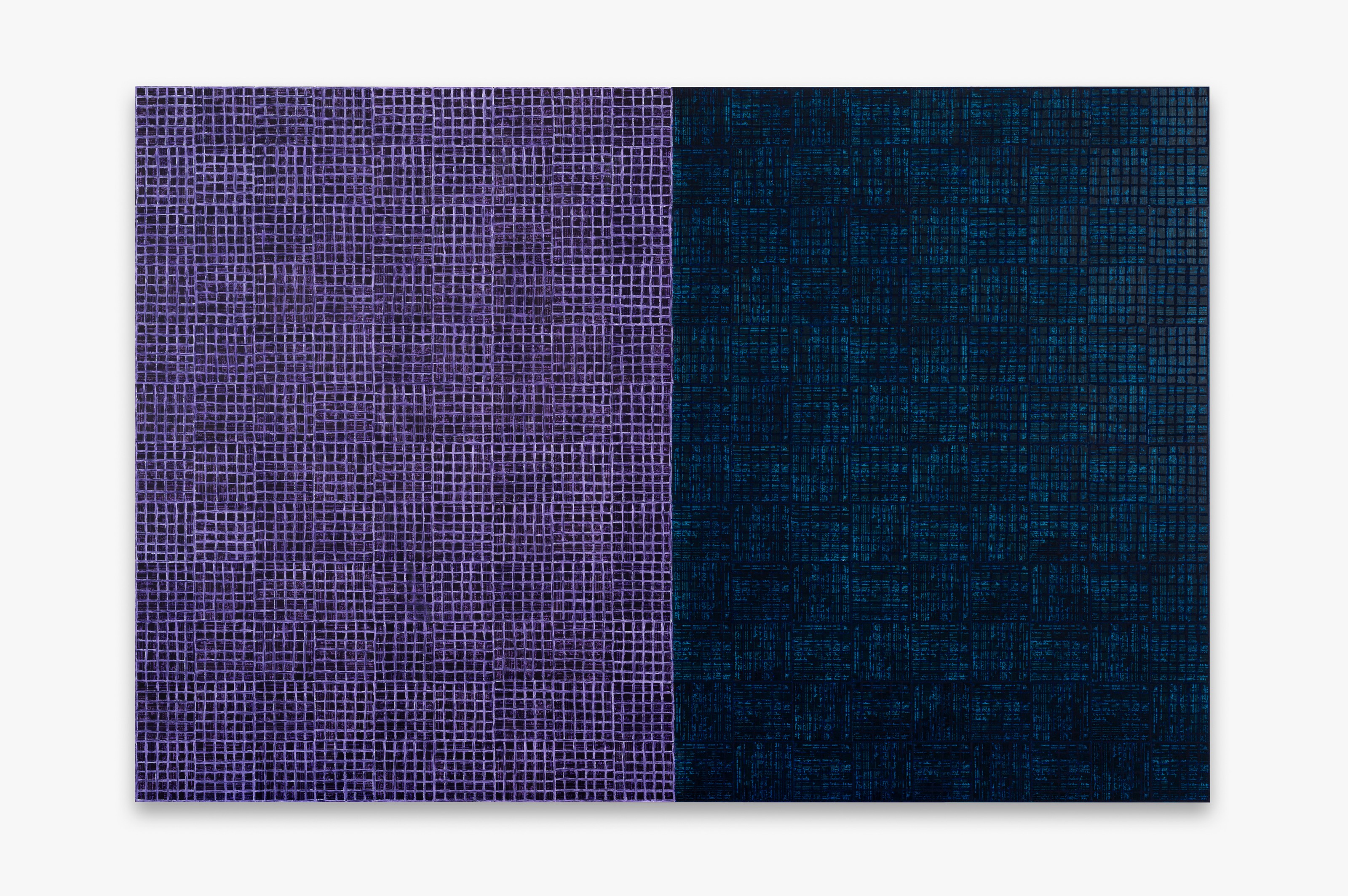
DNA:Work, 2020

Painting by McArthur Binion

McArthur Binion

DNA:Study, 2019

Installation view of Frieze New York Annex & Vision & Justice Tribute, at Lehmann Maupin New York
Installation Views: 1 of 5
Painting by McArthur Binion

McArthur Binion

Modern:Ancient:Brown, 2020

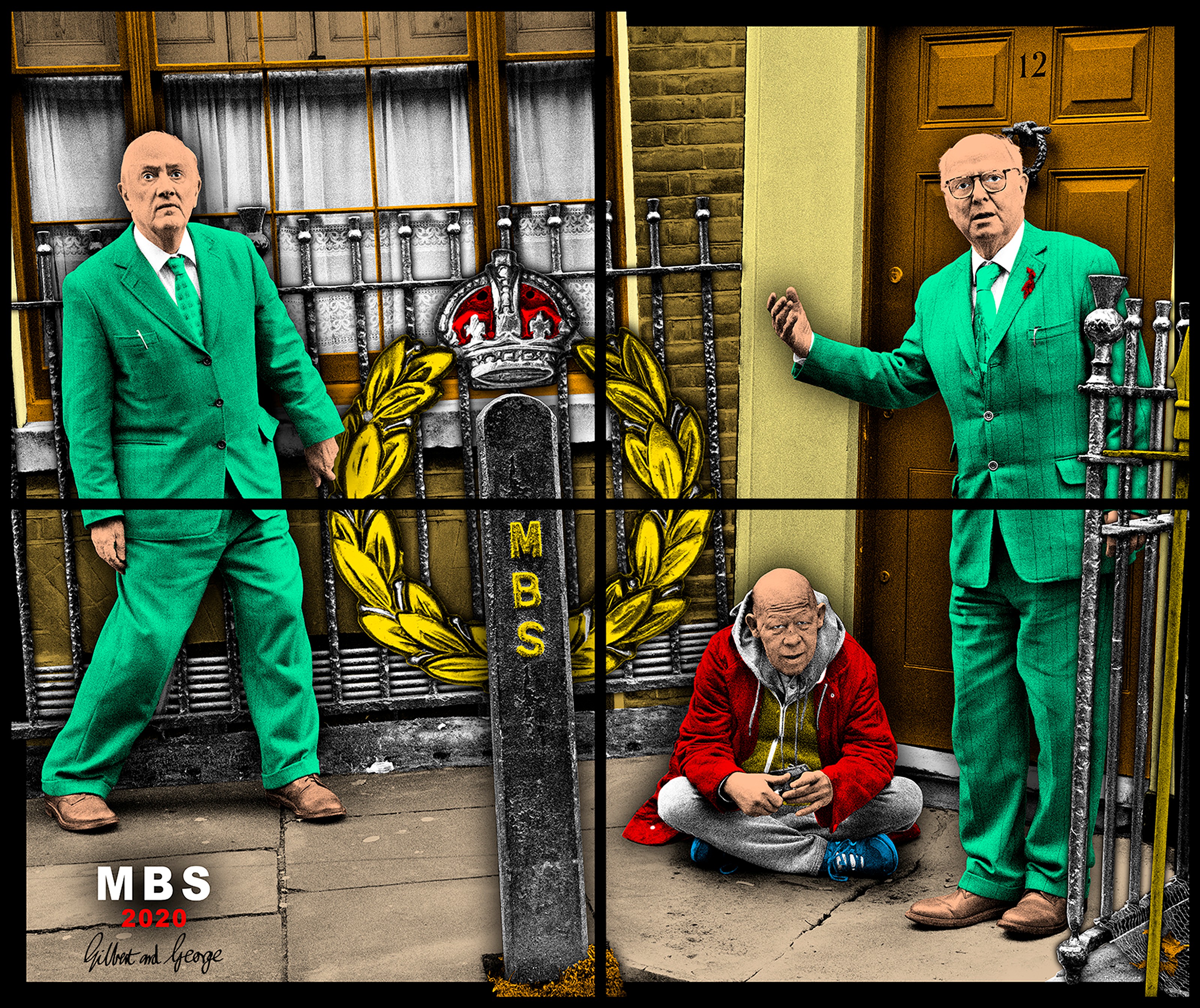
New Normal Pictures by Gilbert & George

Gilbert & George

MBS, 2020

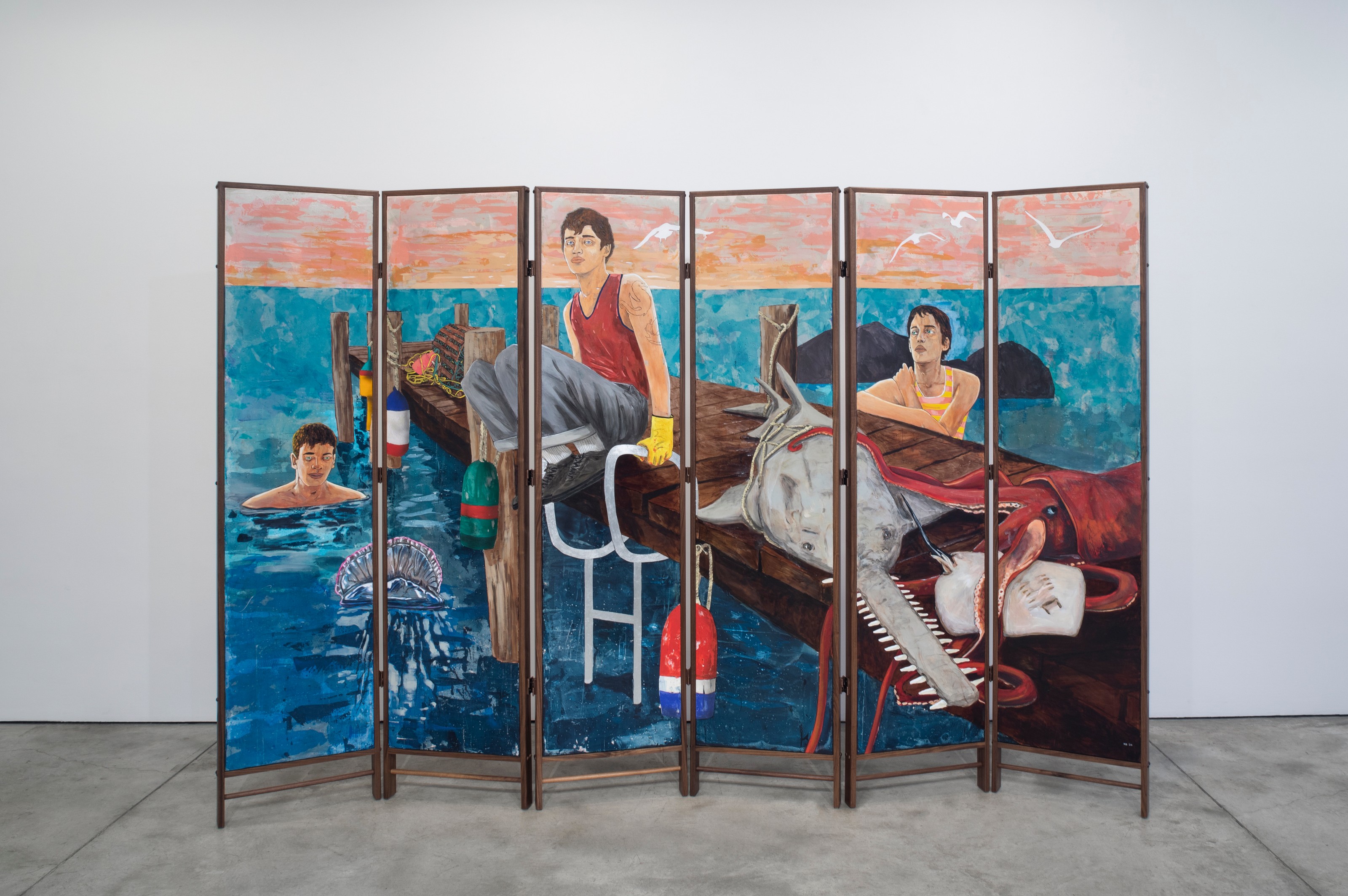
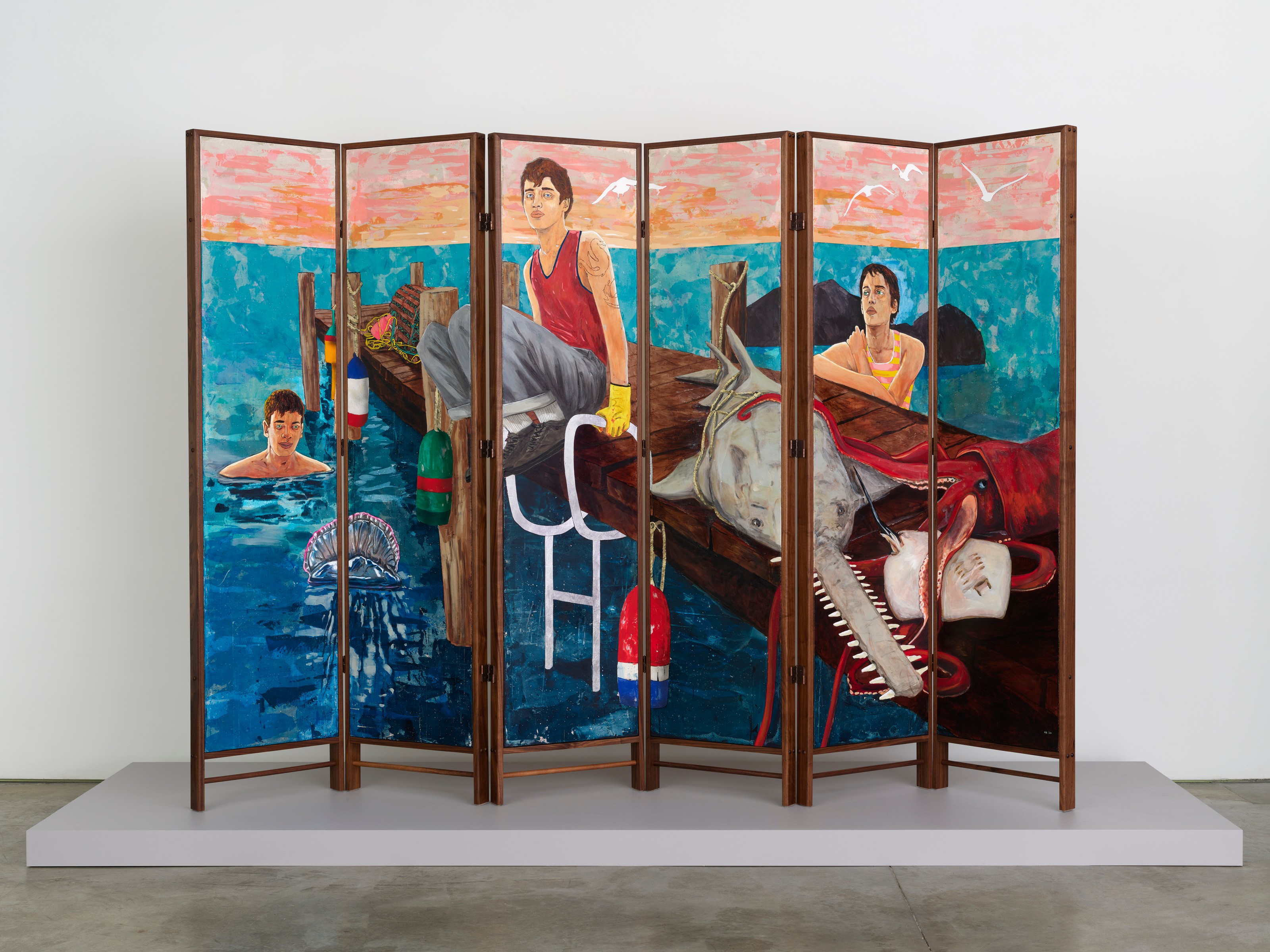
Screen by Hernan Bas

Hernan Bas

The Day’s Catch, 2021

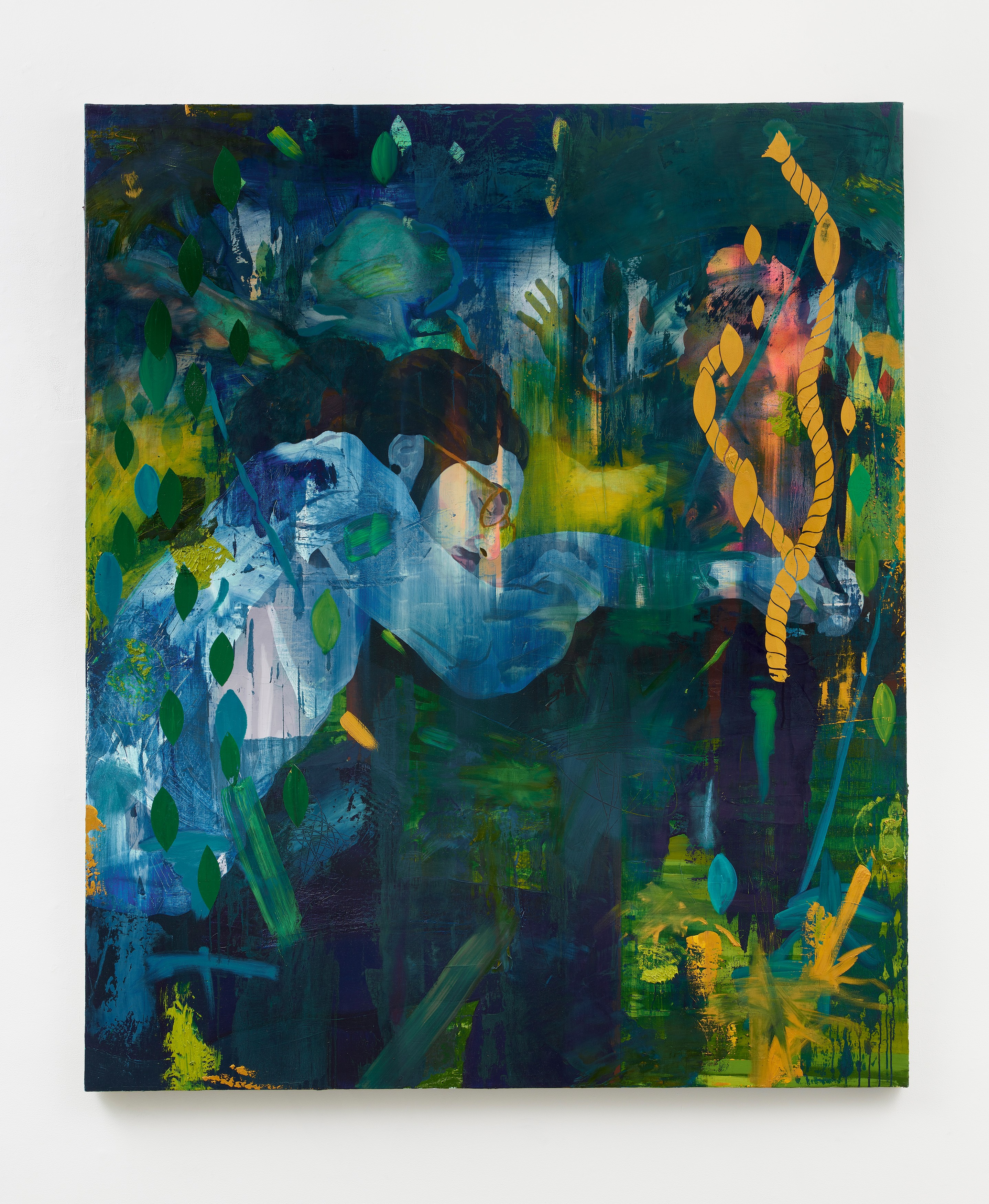
Painting by Dominic Chambers

Dominic Chambers

Gabriel’s Resting Place, 2021

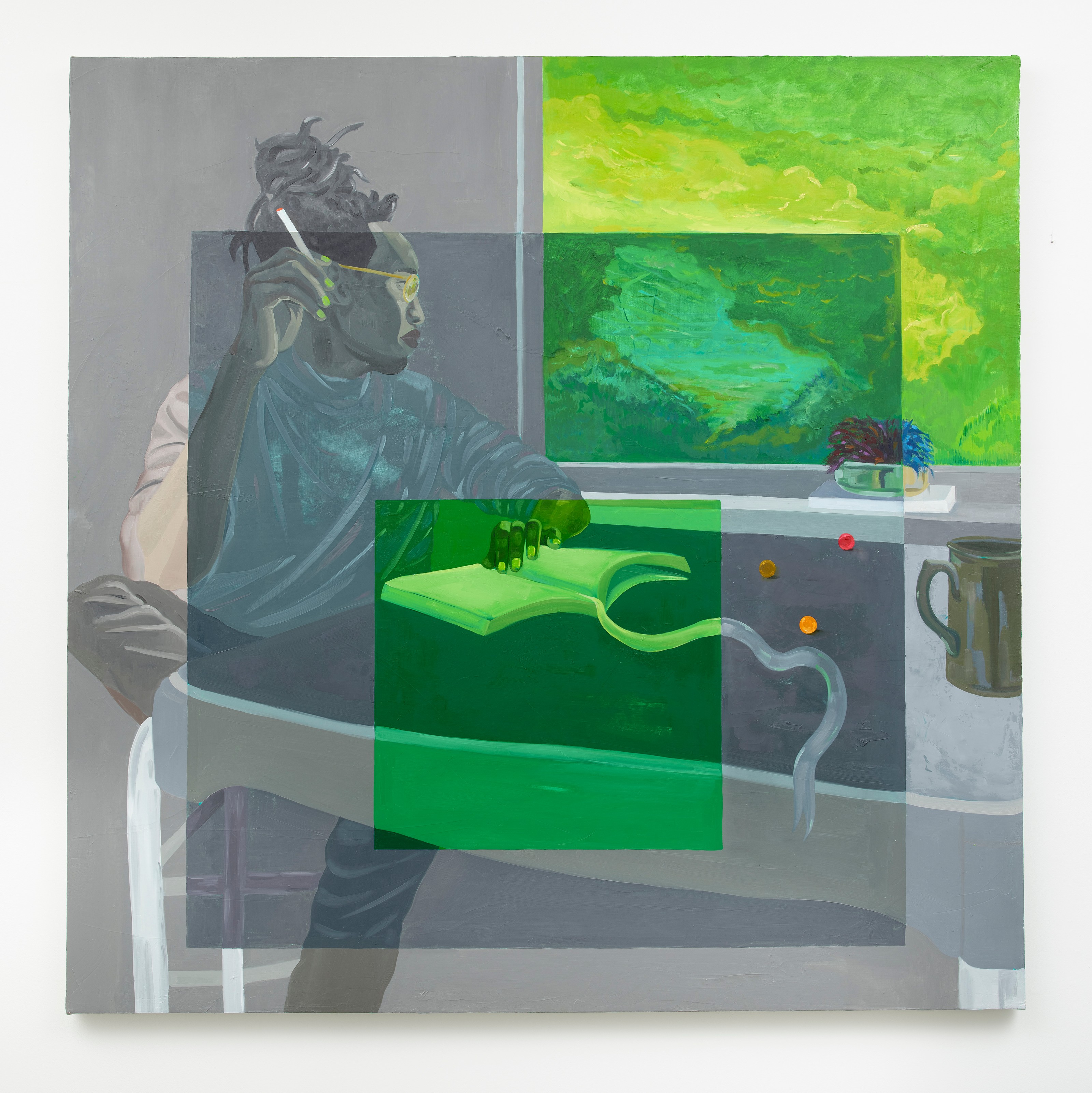
Painting by Dominic Chambers

Dominic Chambers

After Albers (Africanus), 2021

Painting by McArthur Binion

McArthur Binion

Modern:Ancient:Brown, 2021

Exhibition Artists

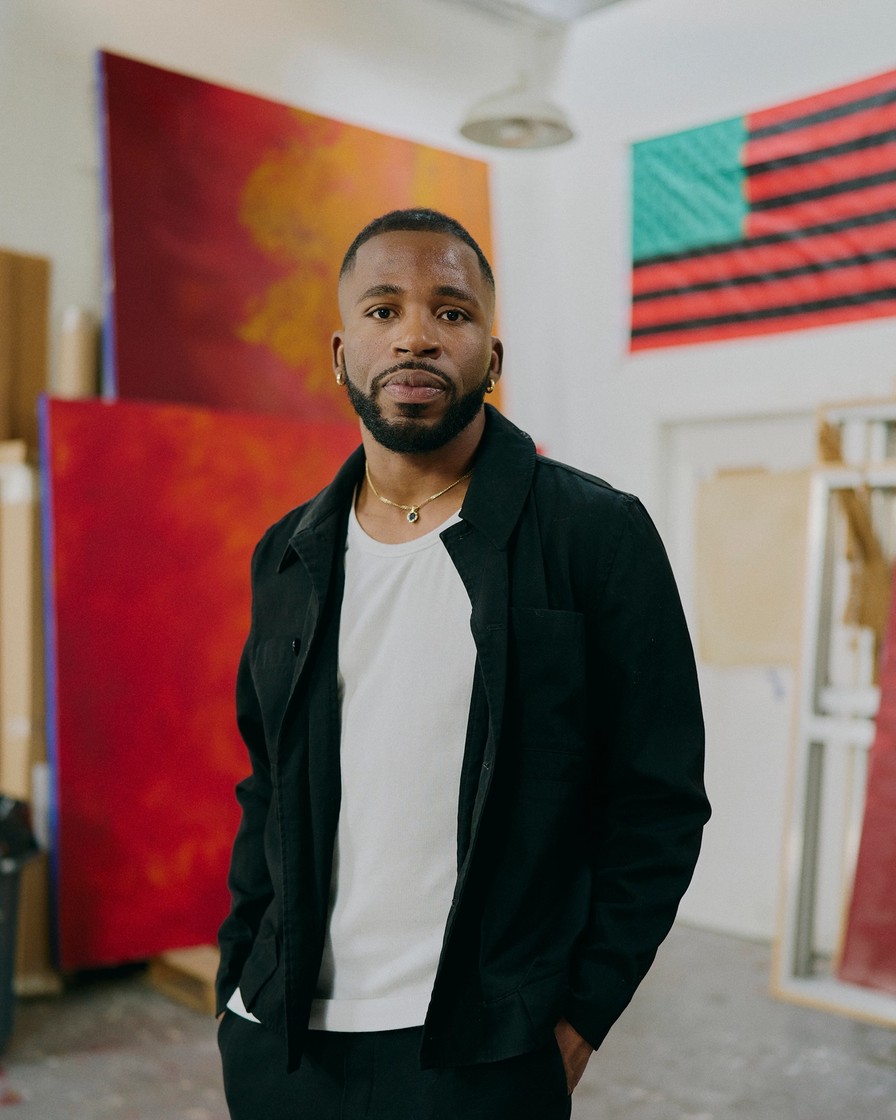
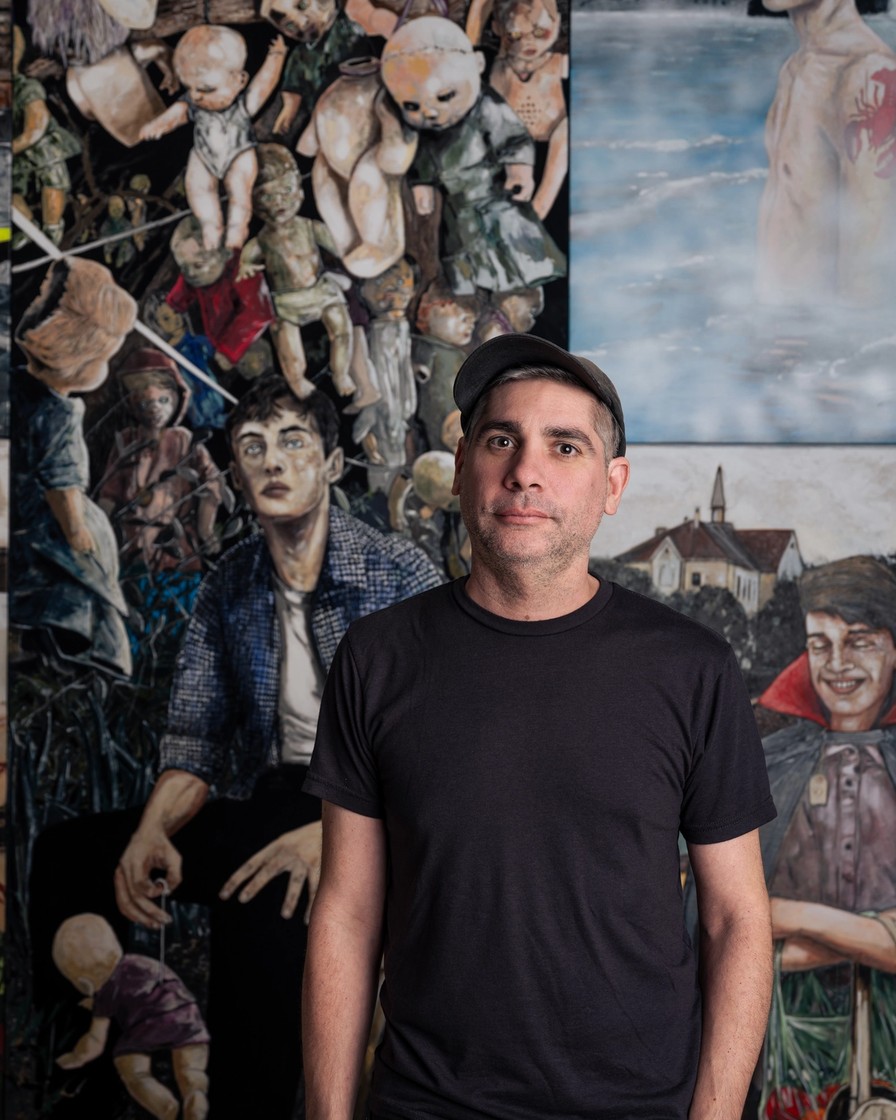
Portrait of Dominic Chambers

Dominic Chambers (b. 1993 St. Louis, MO; lives and works in New Haven, CT) creates vibrant paintings that simultaneously engage art historical models, such as color-field painting and gestural abstraction, and contemporary concerns around race, identity, and the necessity for leisure and reflection. Interested in how art can function as a mode for understanding, recontextualizing, or renegotiating one’s relationship to the world, the artist sees painting as a critical and intellectual endeavor, as much as an aesthetic one. A writer himself, Chambers draws inspiration from literature, especially Magical Realism and the writing of W.E.B. Du Bois, particularly Du Bois’ The Souls of Black Folk, and one of its central themes―the veil. A product of racial injustice that is a metaphorical lens through which Black bodies are observed and experienced, references to the veil appear throughout the artist’s work, whether in large swaths of color that obscure his figures or in the recurring use of a raindrop motif as both an active and passive element in his canvasses.

Chambers sees color as a protagonist in his paintings that is as important to unlocking their meaning as his subjects, and his deft manipulation of the tension and interplay between contrasting colors gives his work a subtle electric charge. In his most recent series, Leave Room for the Wind, Chambers situates his subjects in vivid landscapes that evoke shifting, monochromatic dreamscapes, and reference the mutability of our environment. The richly-hued paintings in this body of work depict open fields saturated in primary hues of red, yellow, and blue. Many of these scenes are populated by figures flying kites―a profoundly domestic activity pursued solely for its own sake, unconnected with external recognition or reward. In these works and throughout his oeuvre, Chambers proposes that enjoyment, stillness, or wonder can act as a gateway to private life and reminds us that leisure and recreation are critical to replenishing our own interiority.
Portrait of Hernan Bas

Hernan Bas (b. 1978, Miami, FL; lives and works in Miami, FL) creates paintings, works on paper, videos, and installations that weave together adolescent adventures with classical poetry, religious stories, mythology, the paranormal, and literature. Influenced by the Romantic era of the 18th century that glorified the sublime beauty of nature and the Decadent movement of the 19th century that evoked romantic nihilism, skepticism, excess, and artificiality, Bas’ early work often portrayed nearly hidden adolescent male figures, deep in contemplation amidst vast otherworldly landscapes. As the figure and the interiors they occupied became more and more prominent throughout Bas’ work, so did the social and cultural context within which they were living. Spanning a wide range of time periods and themes, Bas investigates inquisition, desire, and obsessions and invites the viewer to recognize their own curiosities and oddities.

While the young male figure remains prominent throughout Bas’ oeuvre, in his more recent work individual paintings become an in-depth investigation into a singular critical subject, addressing topics such as LGBTQIA+ activism and desire, politics, news, conspiracy theories, and the occult. Providing a unique perspective on American subculture and a contemporary version of History Painting, they allow us to consider the relevance of seemingly inconsequential moments in the past and present and offer space for critical reflection. For his November 2019 exhibition with Lehmann Maupin, TIME LIFE, Bas used the Time-Life Book series Mysteries of the Unknown as his inspiration. Published between 1987 and 1991, each book focused on a different paranormal topic, such as ghosts, UFOs, psychic powers, and dreams. Navigating the liminal space between reality and fiction, the grotesque and the beautiful, the odd and the mundane, Bas highlights cult phenomena from the past that offer insight into the political and social concerns of today.

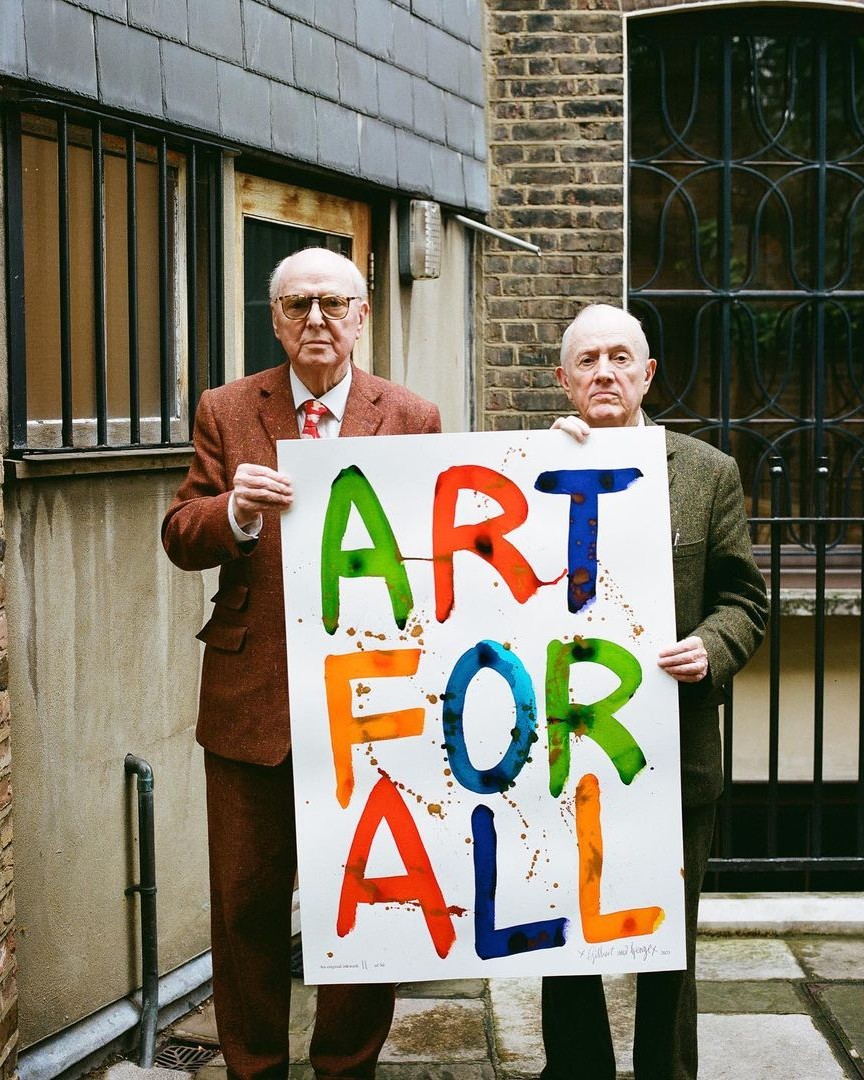
Portrait of Gilbert & George

Gilbert & George (b. 1943, San Martin de Tor, Italy & 1942, Plymouth, United Kingdom; lives and works in London, United Kingdom) met in 1967 in art school at Saint Martin’s, where they first developed their signature form of “living sculptures” by walking around the streets of London with their heads and hands coated with multi-color metallic powders. Since then, they have lived and worked together, their individual identities subsumed into a vision of animate sculpture, becoming representations of the universal human condition, which is a central theme in their work. Their embrace of video technology, along with their well-known photo-collage works, allowed Gilbert & George to extend their living sculptures beyond a particular time and place and broadcast their art to wider audiences, establishing their motto of “art for all.”

Shortly after art school, they moved to London’s East End, then a bustling immigrant and working-class neighborhood, which has served as their home and studio for almost 50 years. Their changing neighborhood, which has become a gentrified creative center, has significantly influenced their work. The artists often appear in their work as witnesses to life unfolding in the sociopolitical and urban conditions of this area. Through imagery specific to London and the East End in particular, Gilbert & George create an ongoing portrait of the city that includes street signs, ginkgo trees, graffiti, postering, and gum-stained sidewalks.

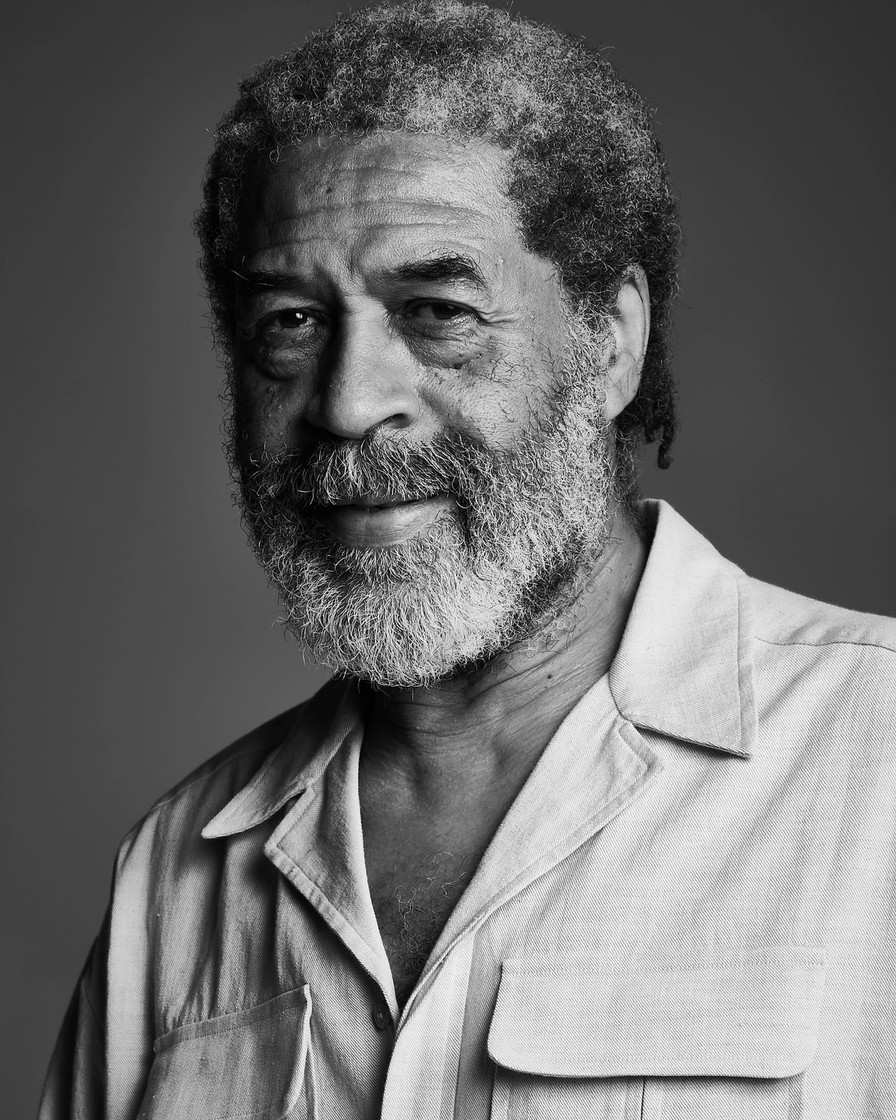
Portrait of McArthur Binion

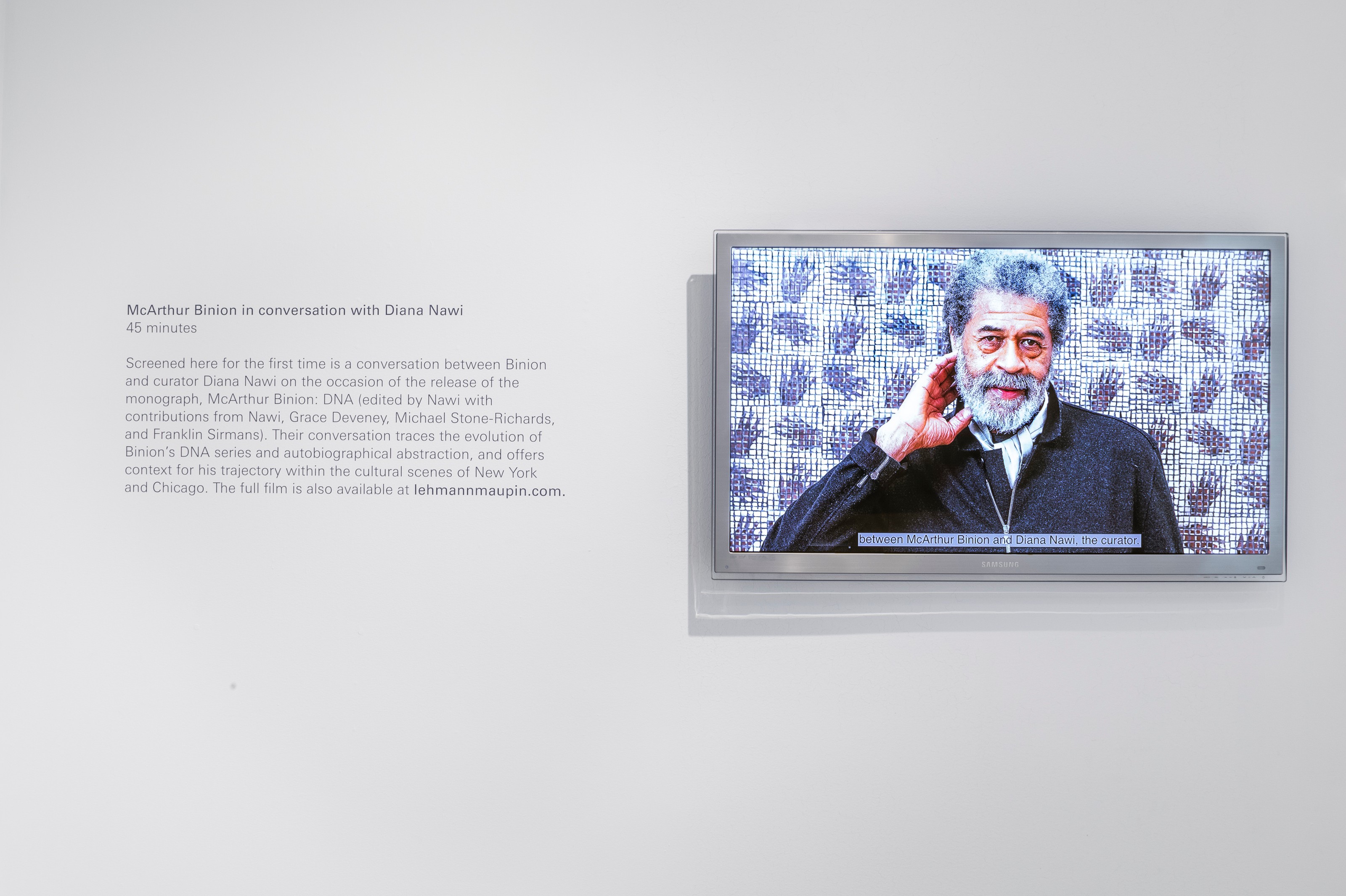
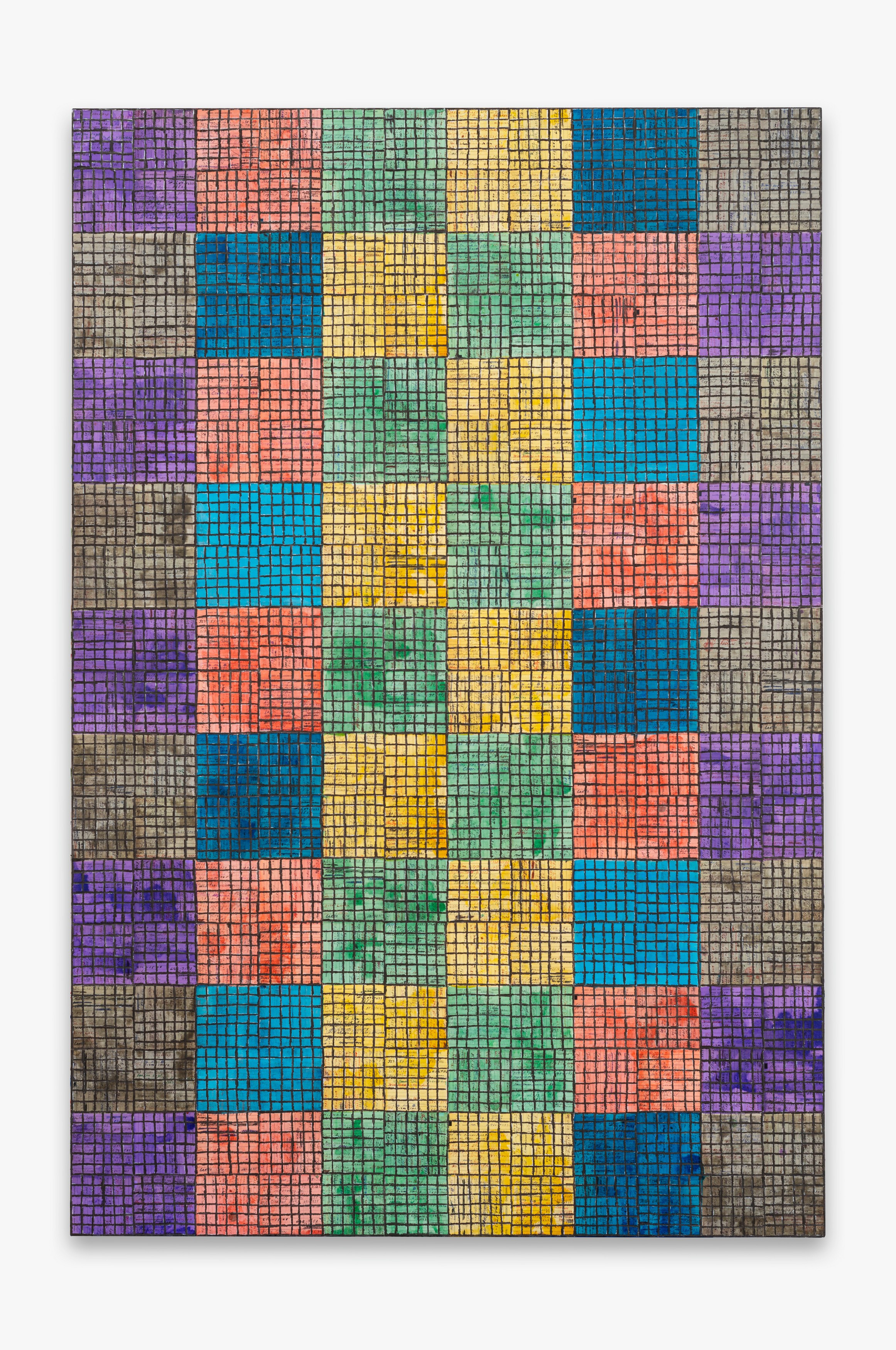
McArthur Binion (b. 1946, Macon, MS; lives and works in Chicago, IL) combines collage, drawing, and painting to create autobiographical abstractions of painted minimalist patterns over an “under surface” of personal documents and photographs. From photocopies of his birth certificate and pages from his address book, to pictures from his childhood and found photographs of lynchings, the poignant and charged images that constitute the tiled base of his work are concealed and abstracted by grids of oil stick. The complexly layered works, from a distance, appear to be monochromatic minimalist abstractions that have led many to compare his work to that of Jasper Johns, Robert Ryman, or Brice Marden. However, while his contemporaries focused more on materiality, abstraction, and in some cases the social and political climate of the time, Binion’s works are intensely personal and deeply dedicated to the rigorous process of making a painting. Upon closer inspection, these monochromatic abstractions come into focus: the perfect grid becomes a series of imperfect laboriously hand-drawn lines, behind which emerge intimate details of Binion’s identity and personal history. Binion’s gridded compositions impose rational order to the layers of personal history, allowing only fragments of information from his birth certificate to be read, or details of his mother’s face to be identified—but never enough to be immediately legible. Having begun his career as a writer, Binion is highly influenced by language and music, as can be seen in his titles and the ways in which he layers information to be “read” rather than simply seen. The tension that exists between the grid and the artist’s visible gestures is not unlike that of jazz music, which merges improvisation with the order of a musical composition.

Binion received his B.F.A. from Wayne State University, Detroit, MI in 1971 and his M.F.A. from the Cranbrook Academy of Art, Bloomfield Hills, MI in 1973. Select recent solo exhibitions of his work have been organized at the de la Cruz Gallery at Georgetown University (2025); Museo Novecento, Florence, Italy (2020); the Cranbrook Art Museum, Bloomfield Hills, MI (2018); Contemporary Arts Museum, Houston, TX (2012); and the University of Maryland University College Gallery, Adelphi, MD (2010).

Frieze New York Annex & Vision & Justice Tribute | Lehmann Maupin