跳到主要内容

Multiple Artists

Sublime Simulacra

Seoul

1月22日–2025年3月29日

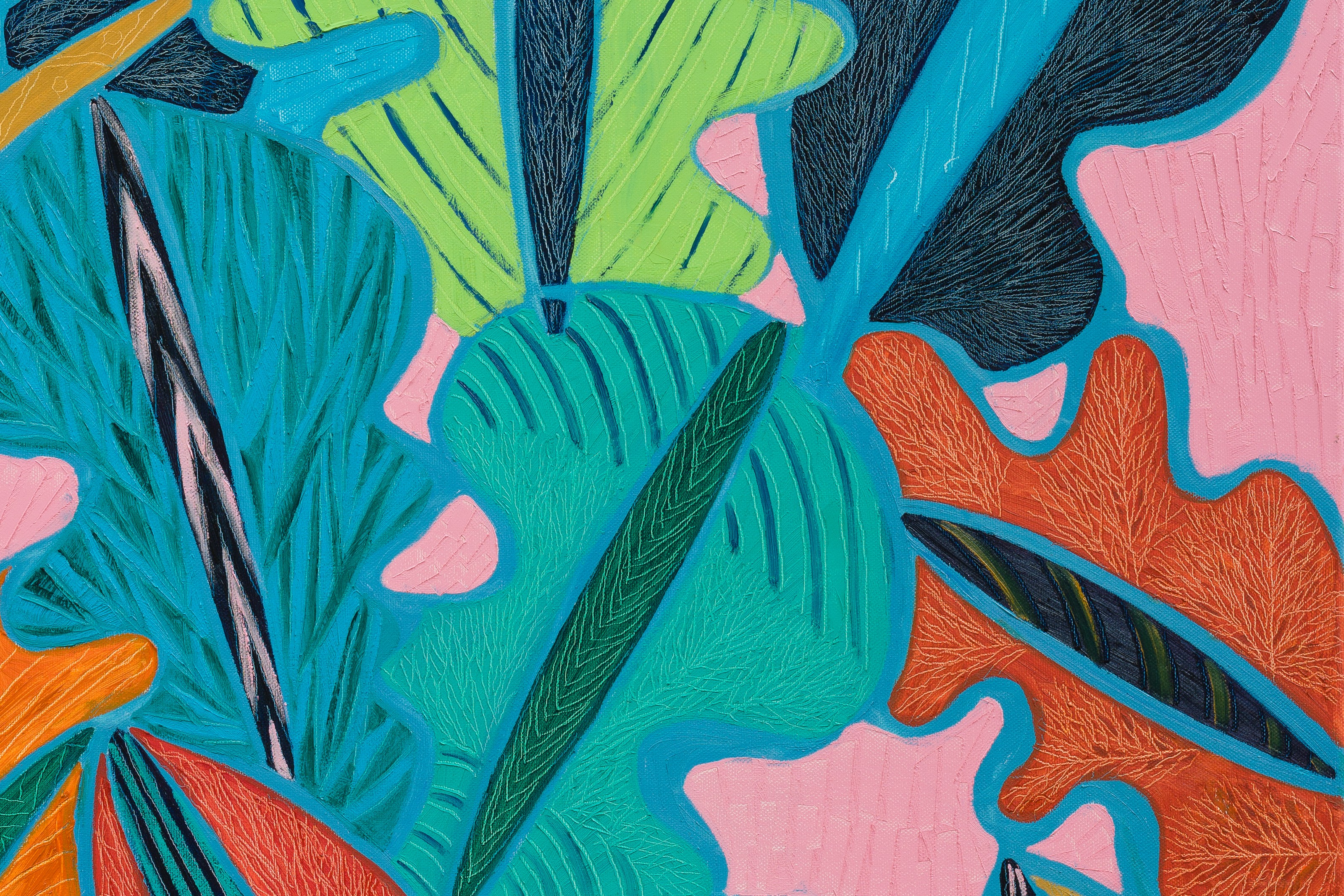
Painting by Kim Yun Shin

213 Itaewon-ro, Yongsan-gu

Seoul, 04349

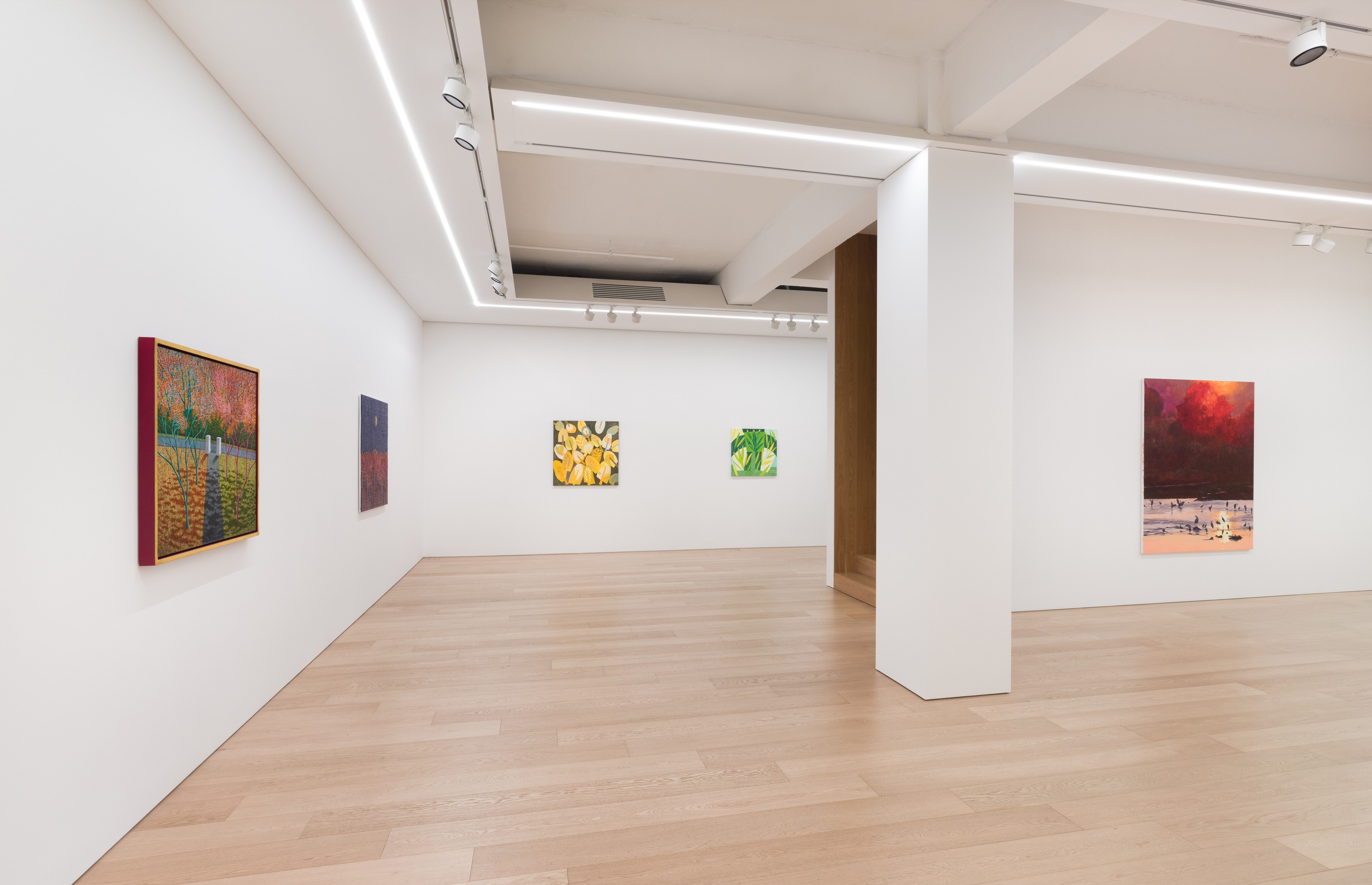
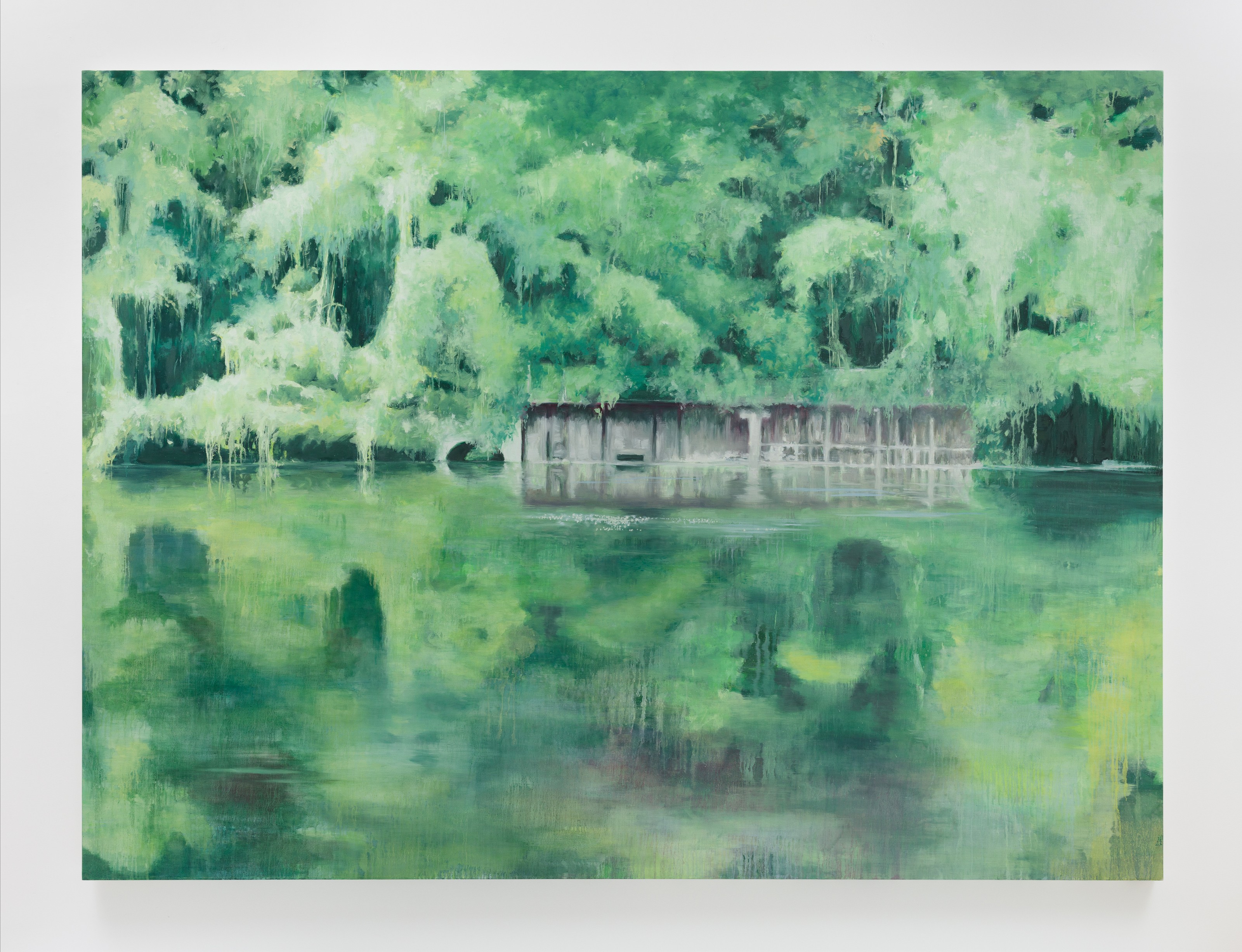
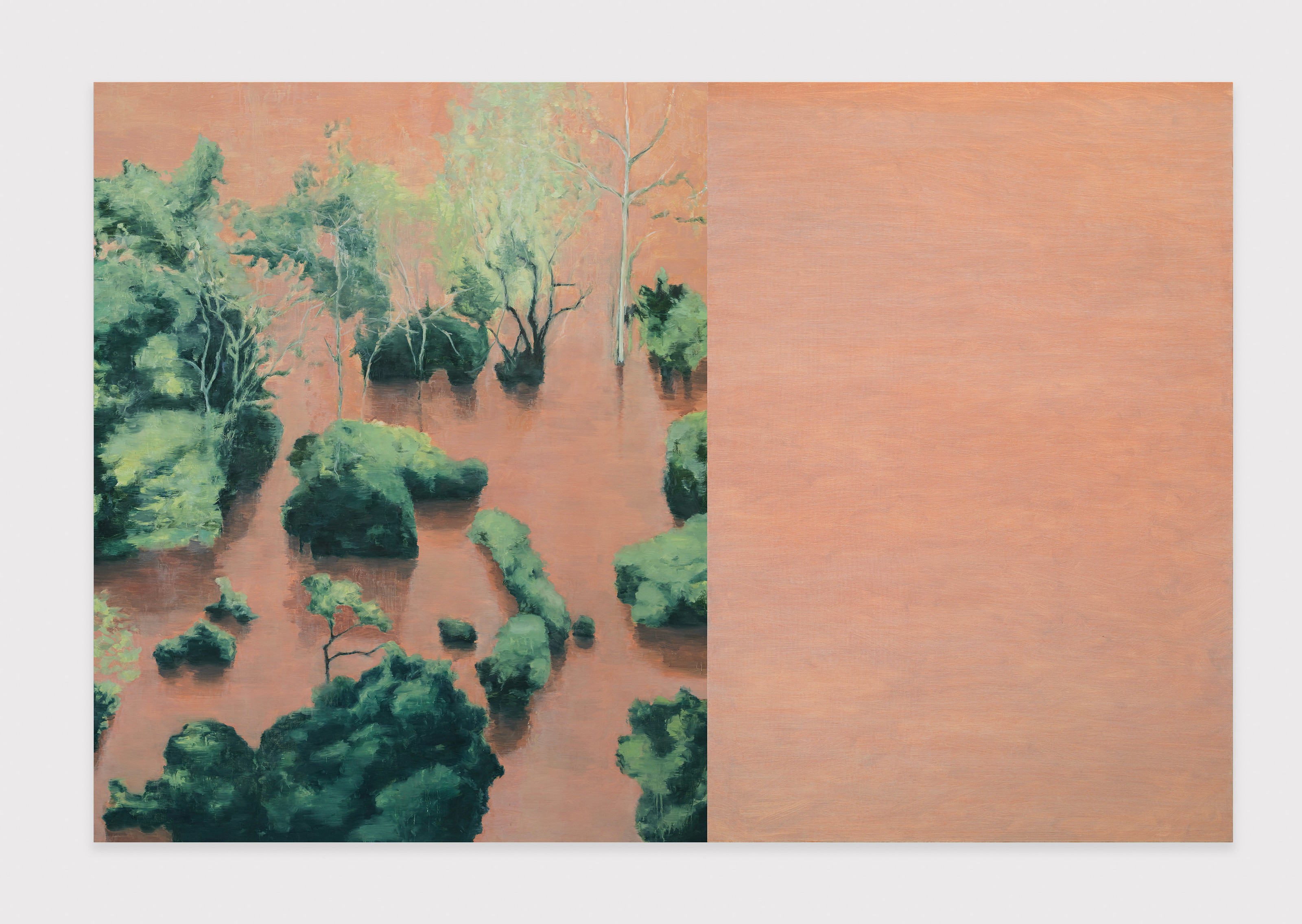
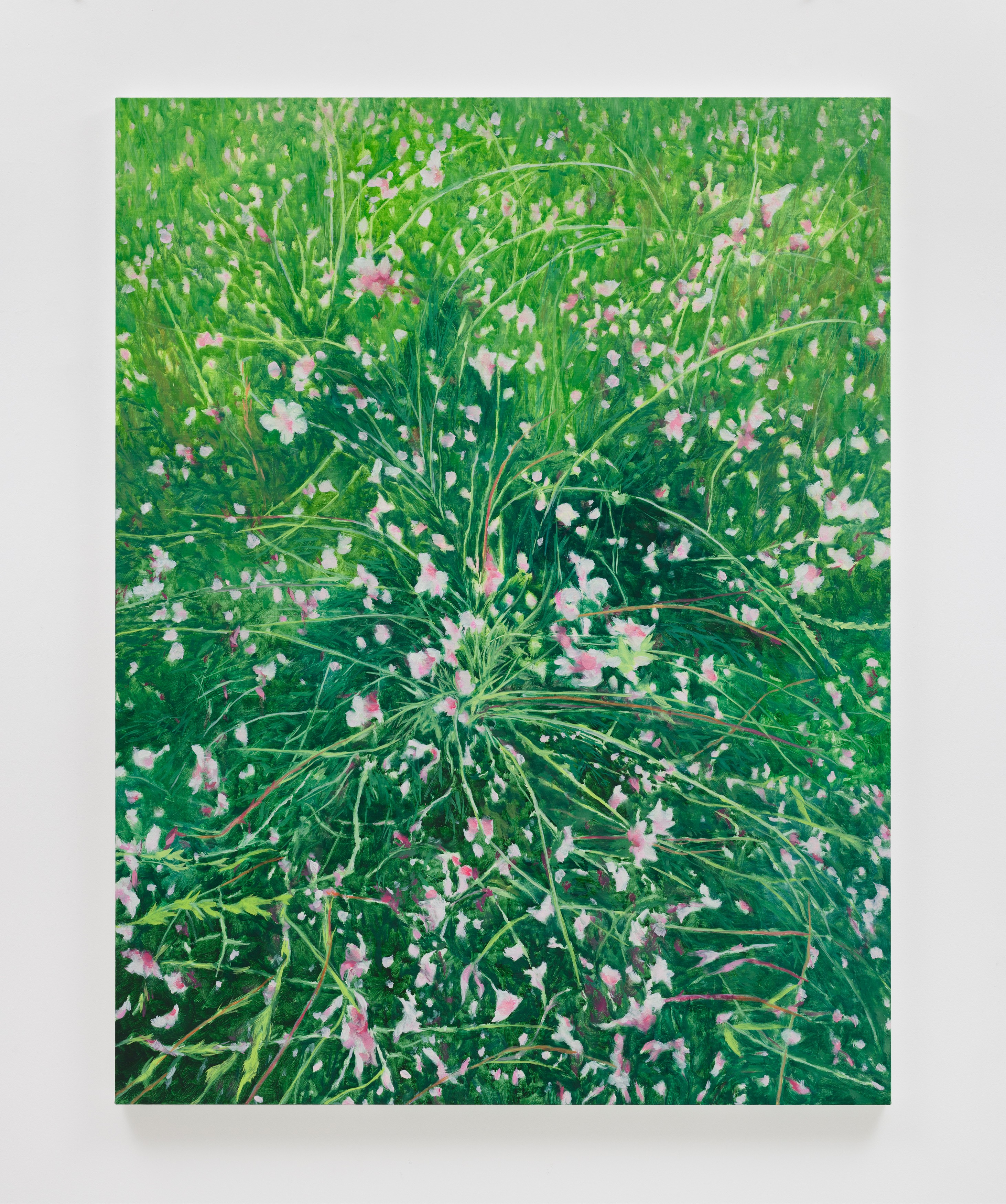
Lehmann Maupin is pleased to present Sublime Simulacra, a group exhibition curated by Andy St. Louis. Featuring works by Kim Yun Shin, Kim Chang Euk, Hong Soun, and Scott Kahn, the exhibition speculates on the potential for landscape paintings to generate shifts in the ways that images mediate our experience of the natural environment.

In Sublime Simulacra, the landscape serves as an inflection point for new modes of perception. The ultimate reality of images was first contested by Plato, who theorized that all representations can be categorized as one of two types: exact (“truthful”) reproductions or deliberately distorted (“false”) likenesses. Jean Baudrillard’s seminal 1981 treatise Simulacra and Simulation expanded upon Plato’s theory by introducing the notion of the simulacrum, defined as an imitation that fails to make reference to its original. In postmodern artistic discourse, simulacra are typically conceptualized as representations of representations—copies based on other copies—that do not derive from empirical experience, thus blurring the line between the actual and the imaginary. This fundamental inability to distinguish objective reality from subjective representation informs much of postmodernist thought, which polemicizes the mediation of the real through simulacra. According to Baudrillard, the apotheosis of this phenomenon occurs when a representation is so lifelike that it creates its own reality, or hyperreality, effectively destroying the hegemony of the real and rewiring the cognitive connection between perception and belief.

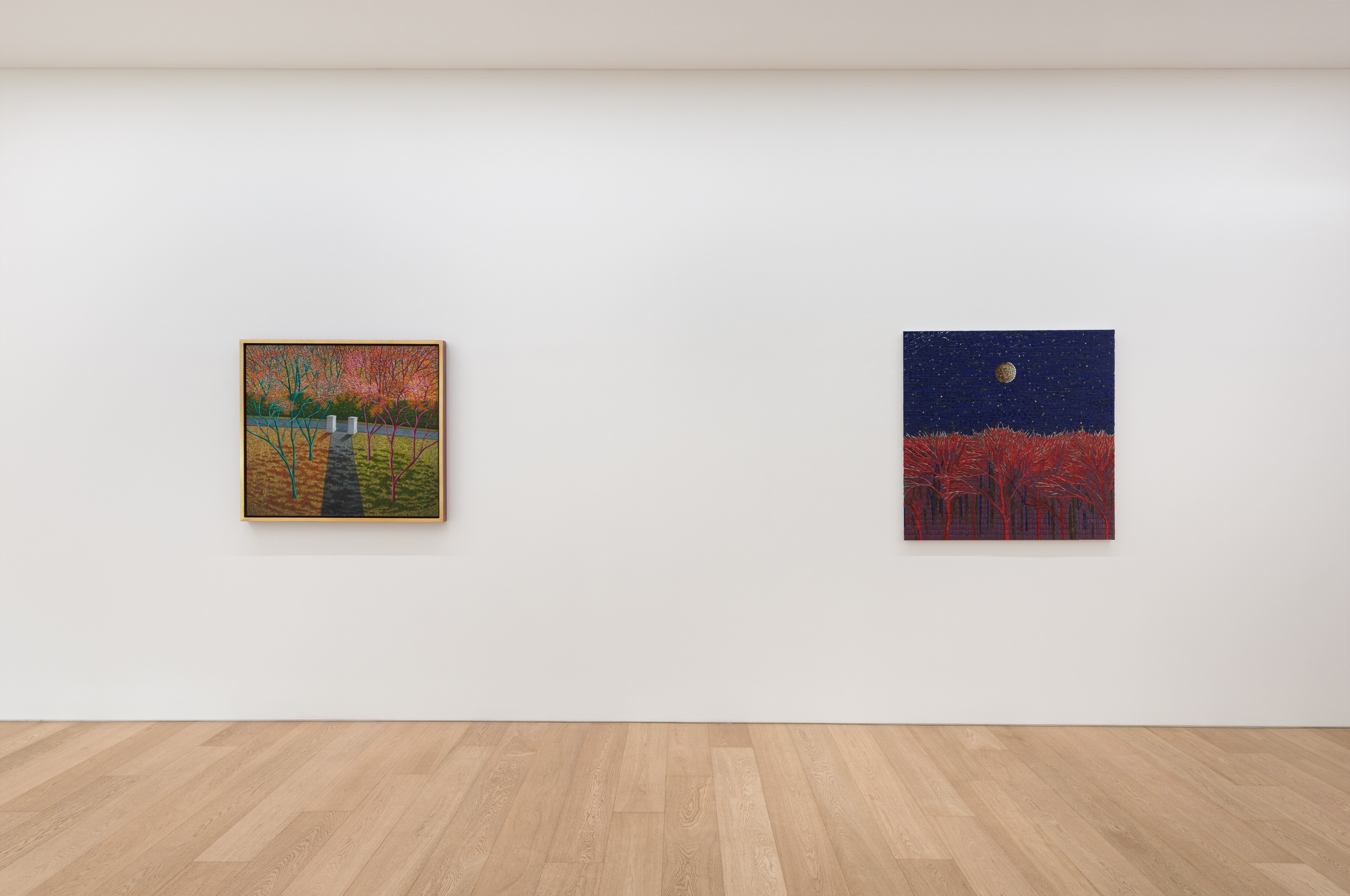
Installation view of Sublime Simulacra at Lehmann Maupin Seoul
Installation Views
1/3:
Painting by Hong Soun

Hong Soun

Over there, Days-241261, 2024

Painting by Hong Soun

Hong Soun

Unfamiliar Familiar Landscape-24091, 2024

Painting by Hong Soun

Hong Soun

Rio Grande do sul. Sep 5. 2023, 2023

Painting by Hong Soun

Hong Soun

Over there, Days-241262, 2024

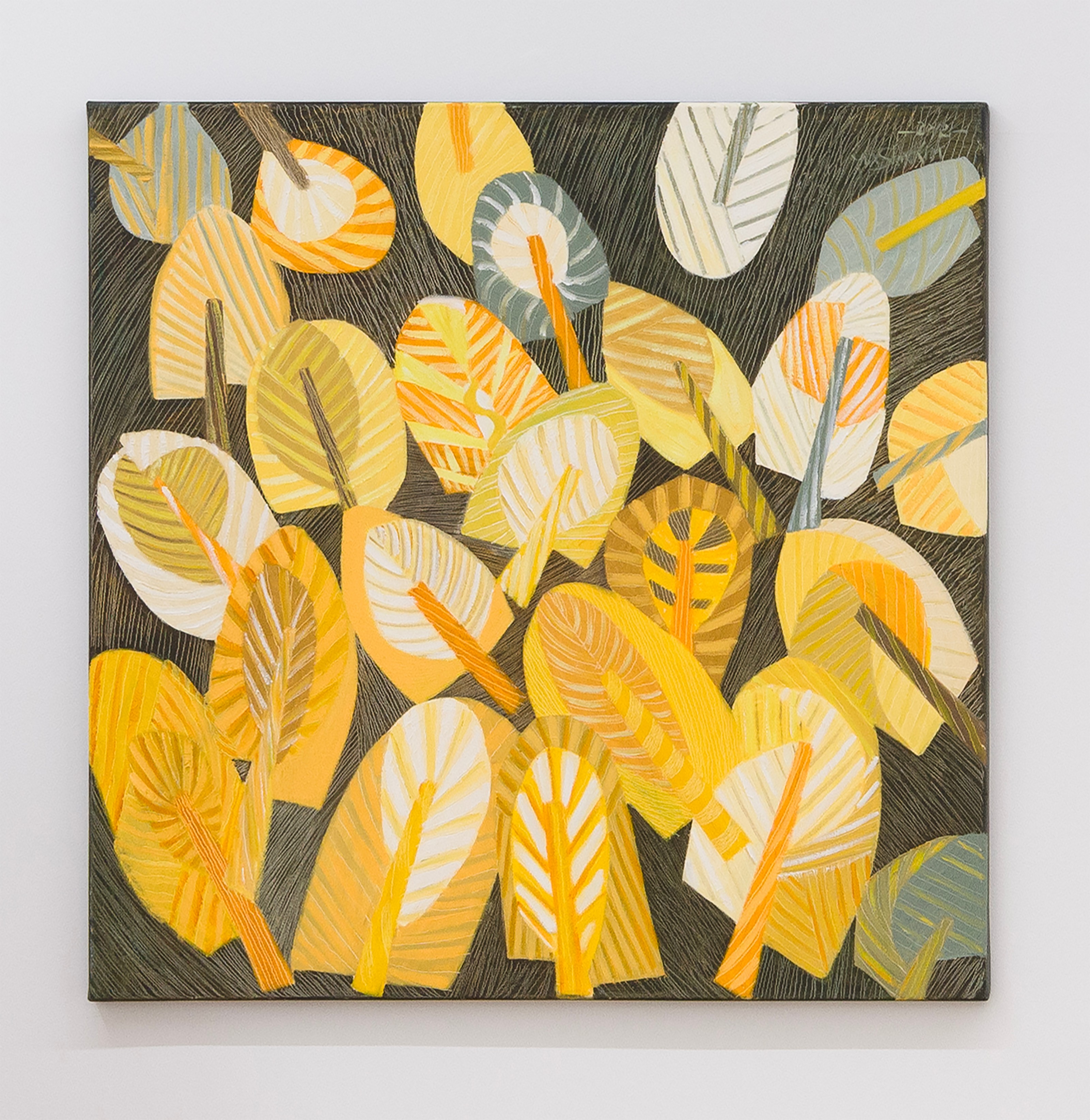
Painting by Kim Yun Shin

金允信

Song of My Soul 2012-50, 2012

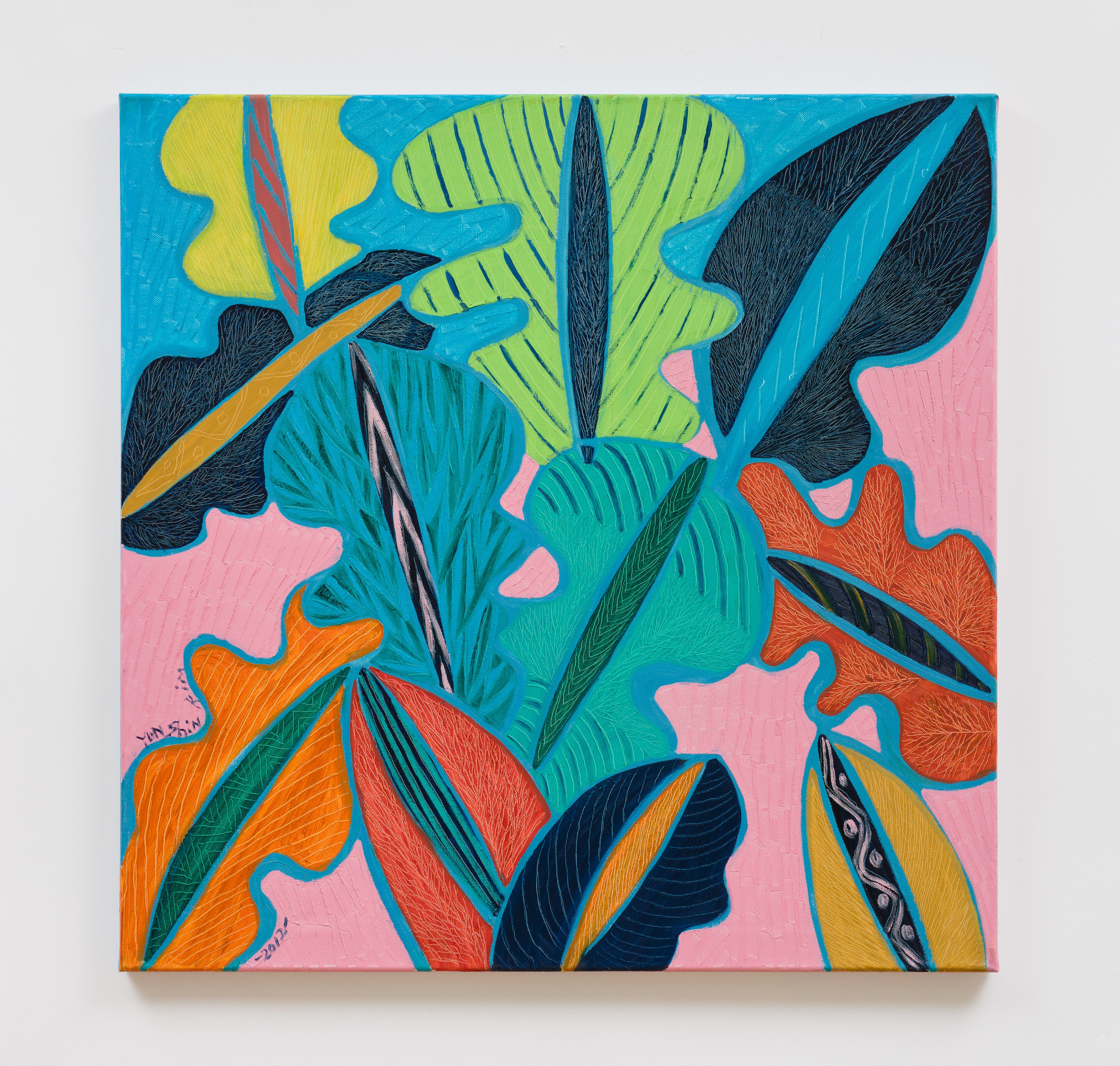
Painting by Kim Yun Shin

金允信

Song of My Soul 2012-37, 2012

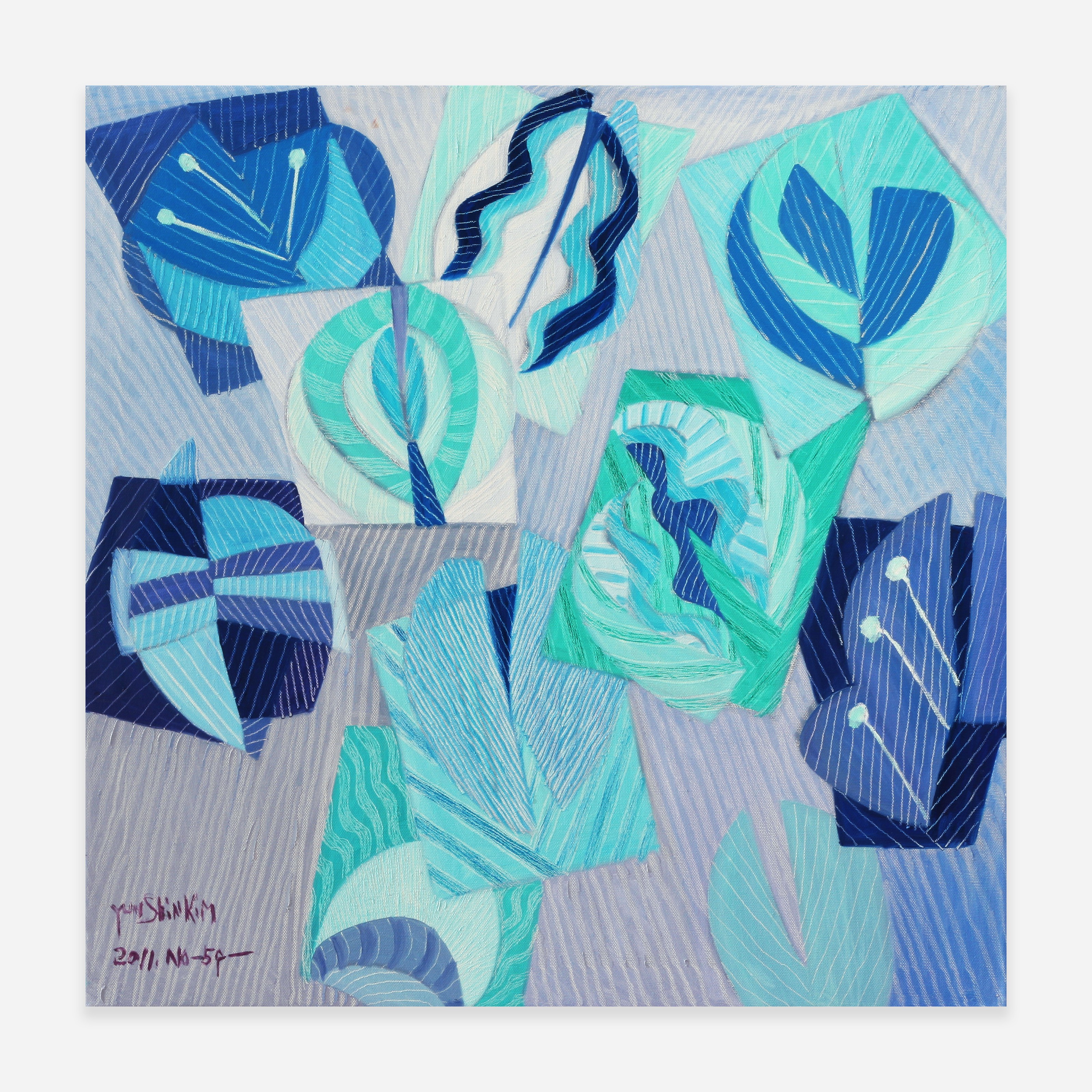
Painting by Kim Yun Shin

金允信

Song of My Soul 2011-59, 2011

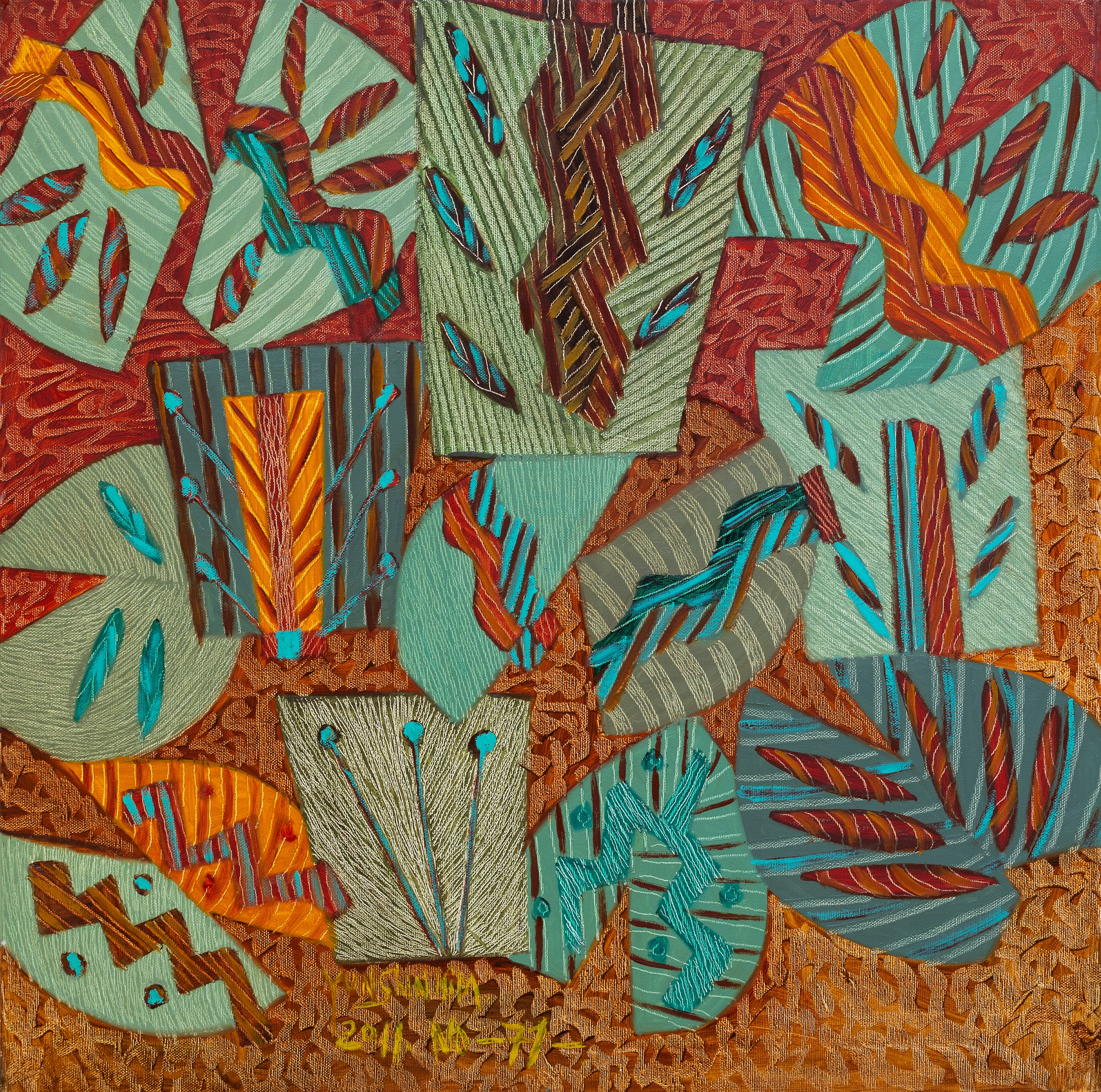
Painting by Kim Yun Shin

金允信

Song of My Soul 2011-71, 2011

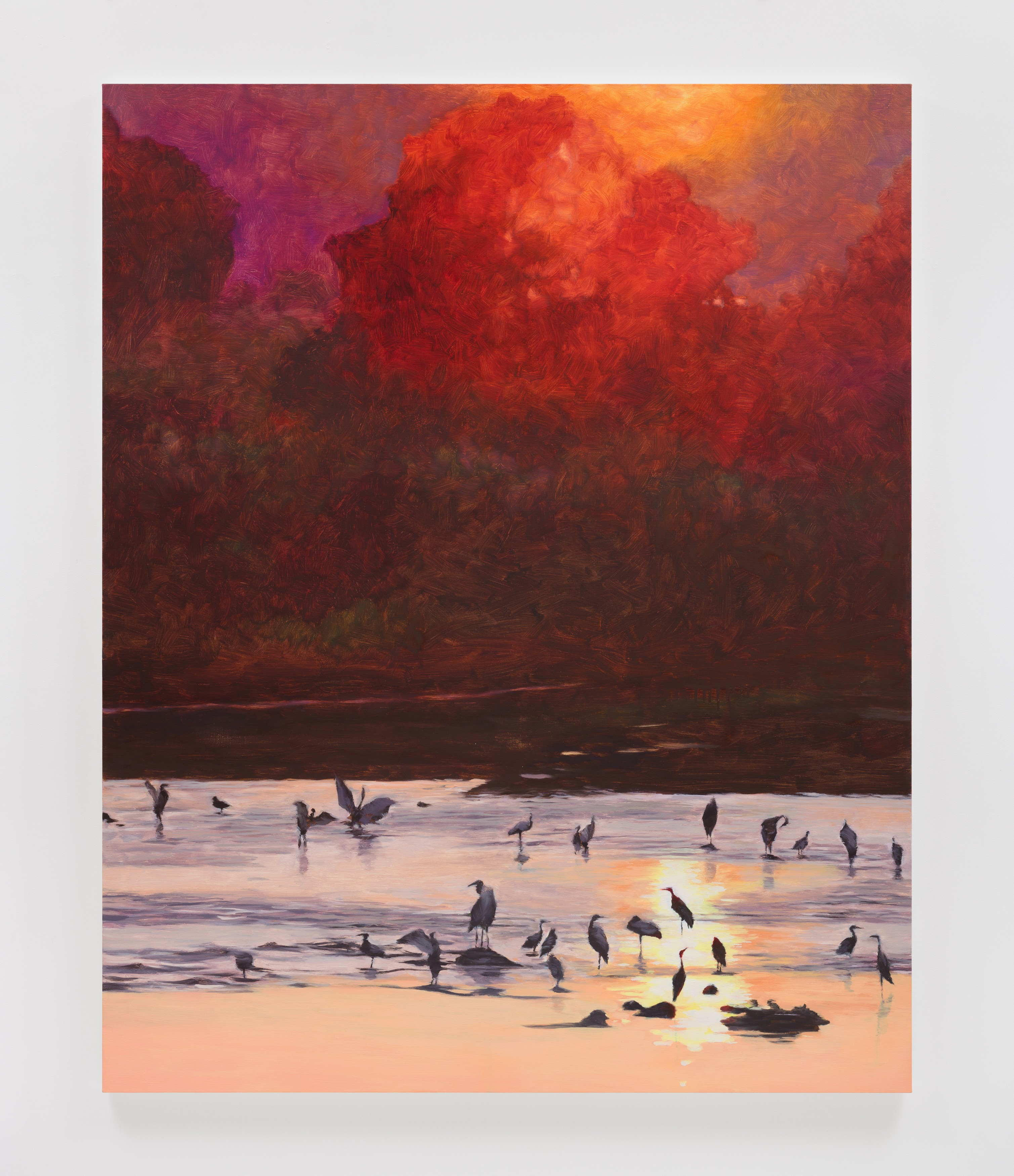
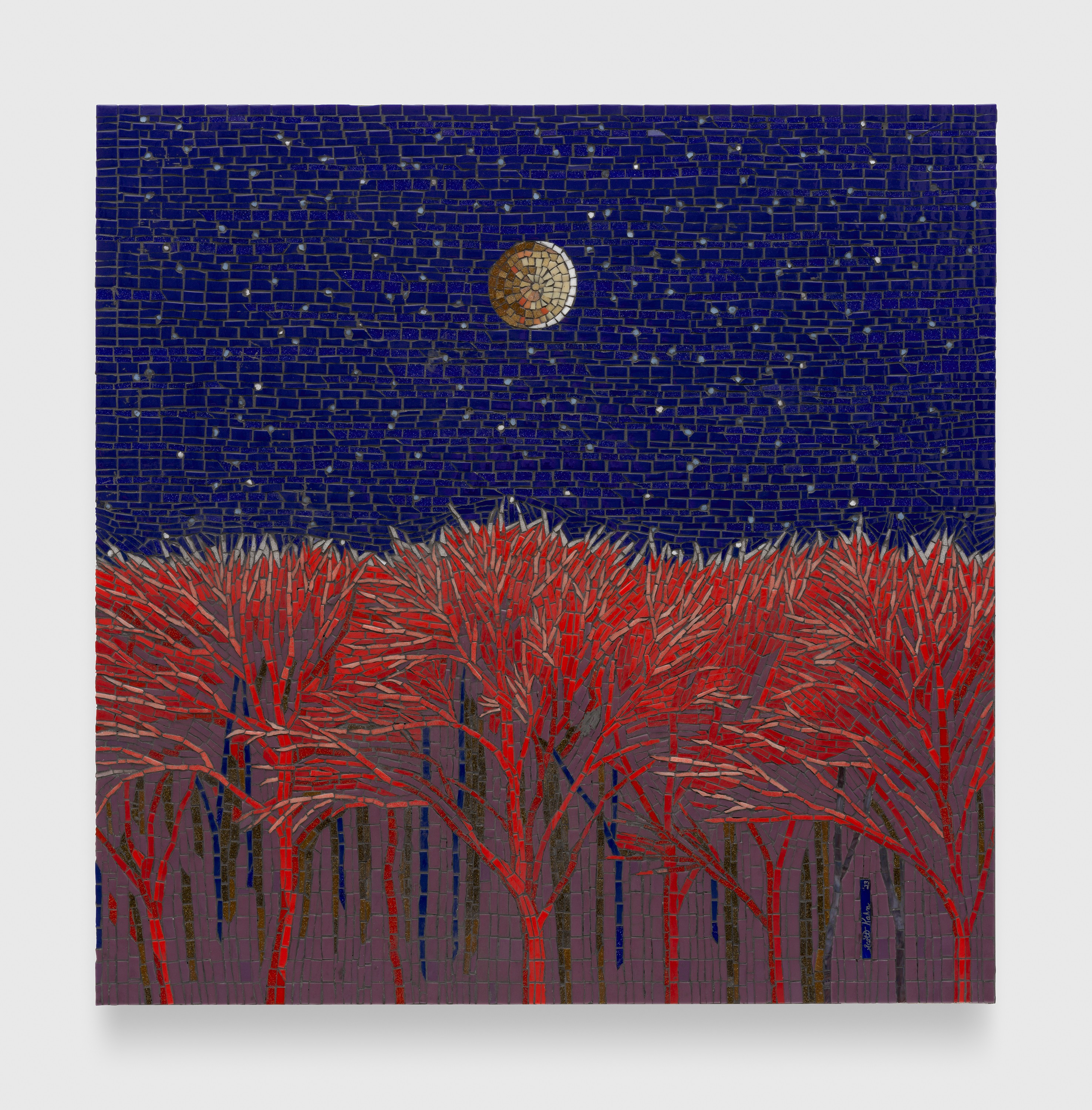
Painting by Scott Kahn

Scott Kahn

Early Dawn, 2023

Painting by Scott Kahn

Scott Kahn

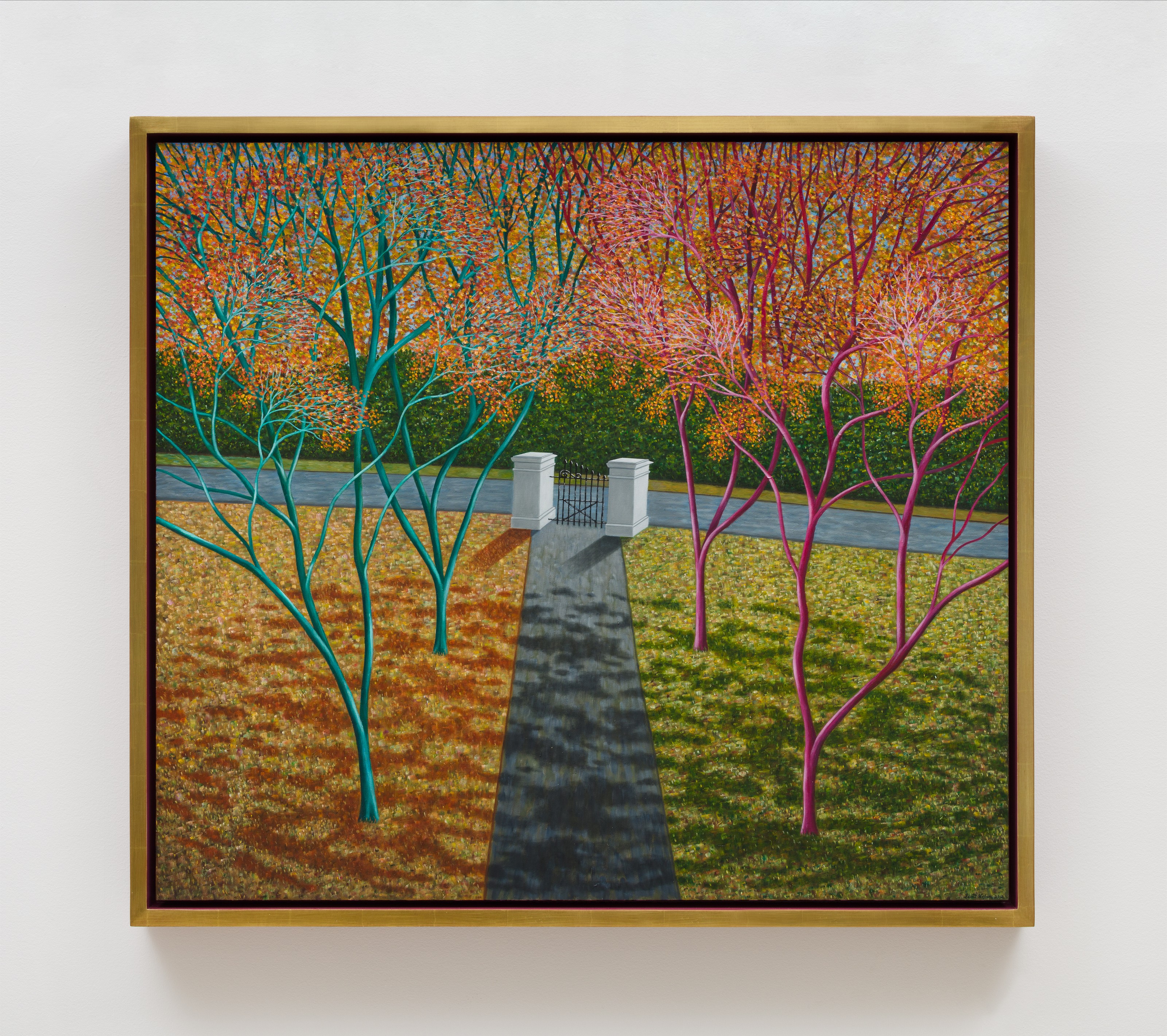
The Gate, 2021-2022

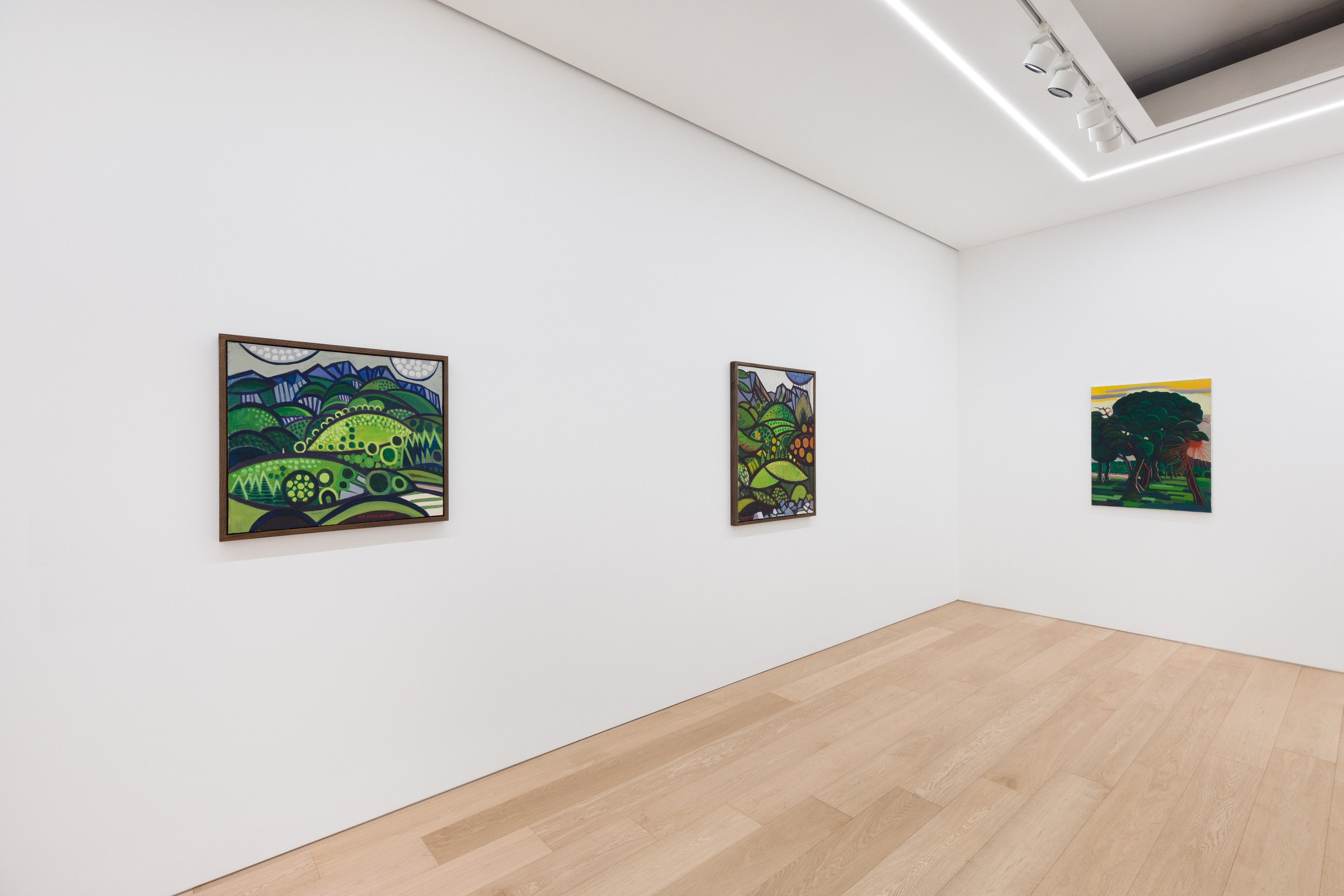
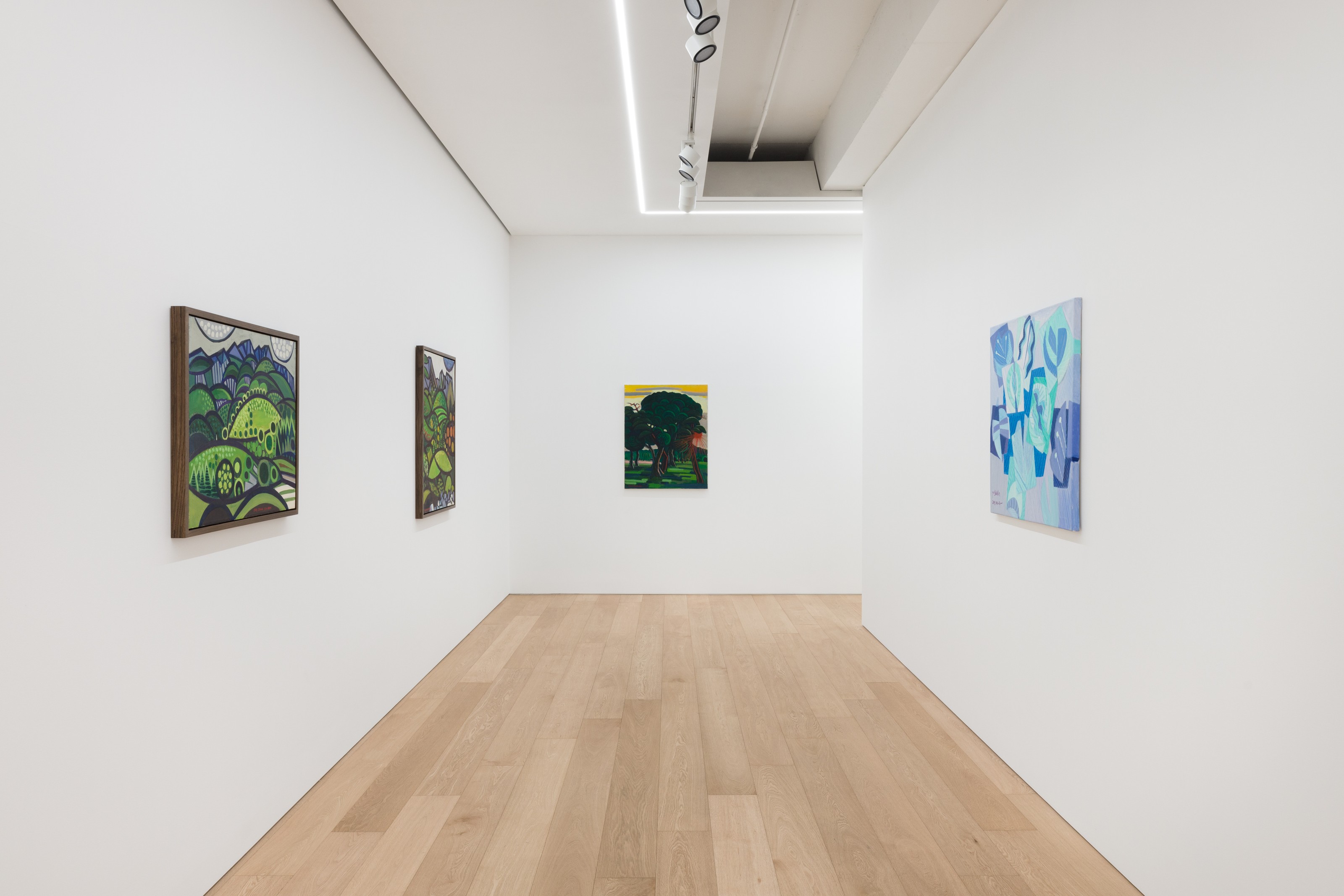
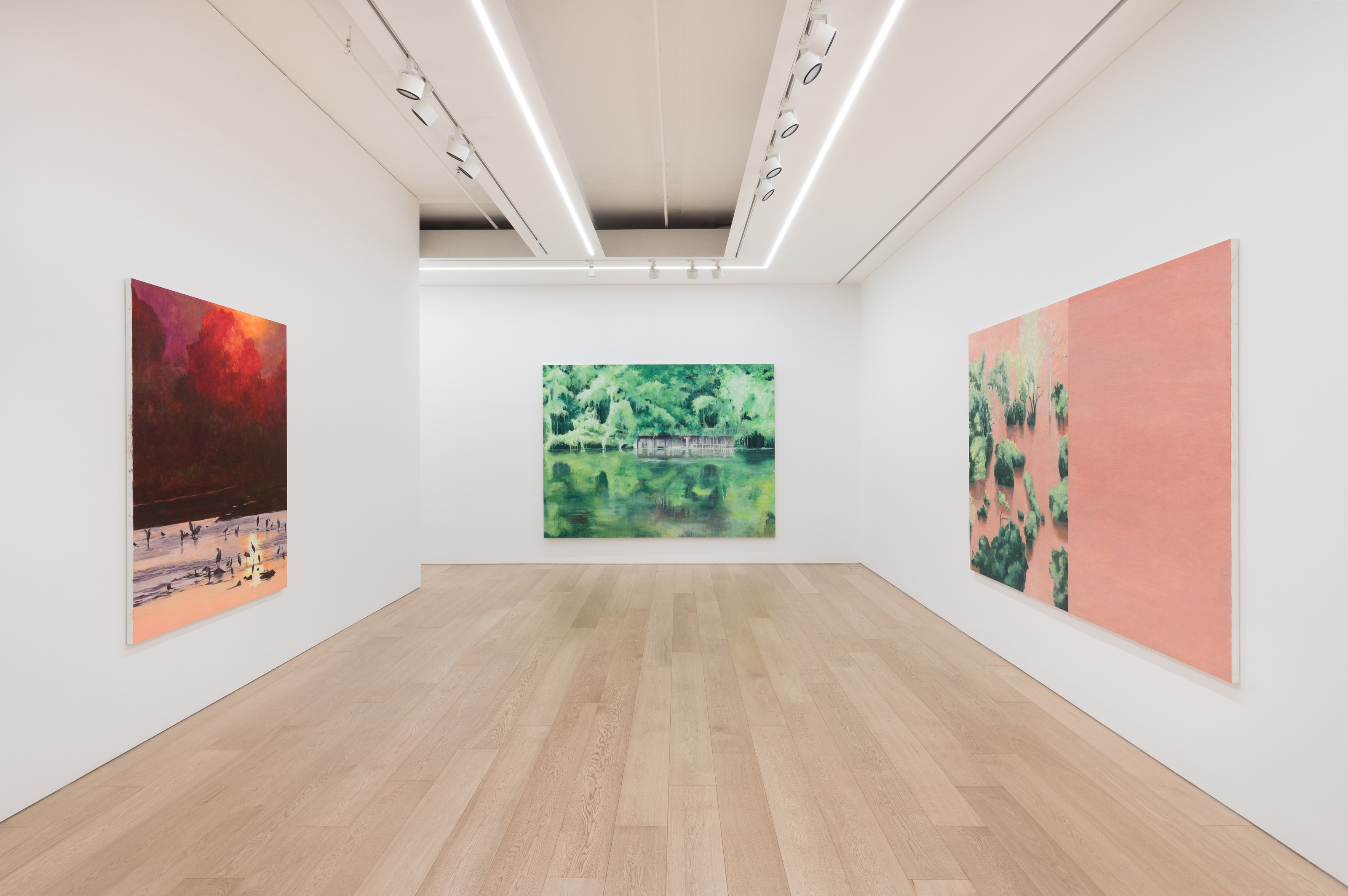
Installation view of Sublime Simulacra at Lehmann Maupin Seoul
Installation Views
1/2:
Painting by Scott Kahn

Scott Kahn

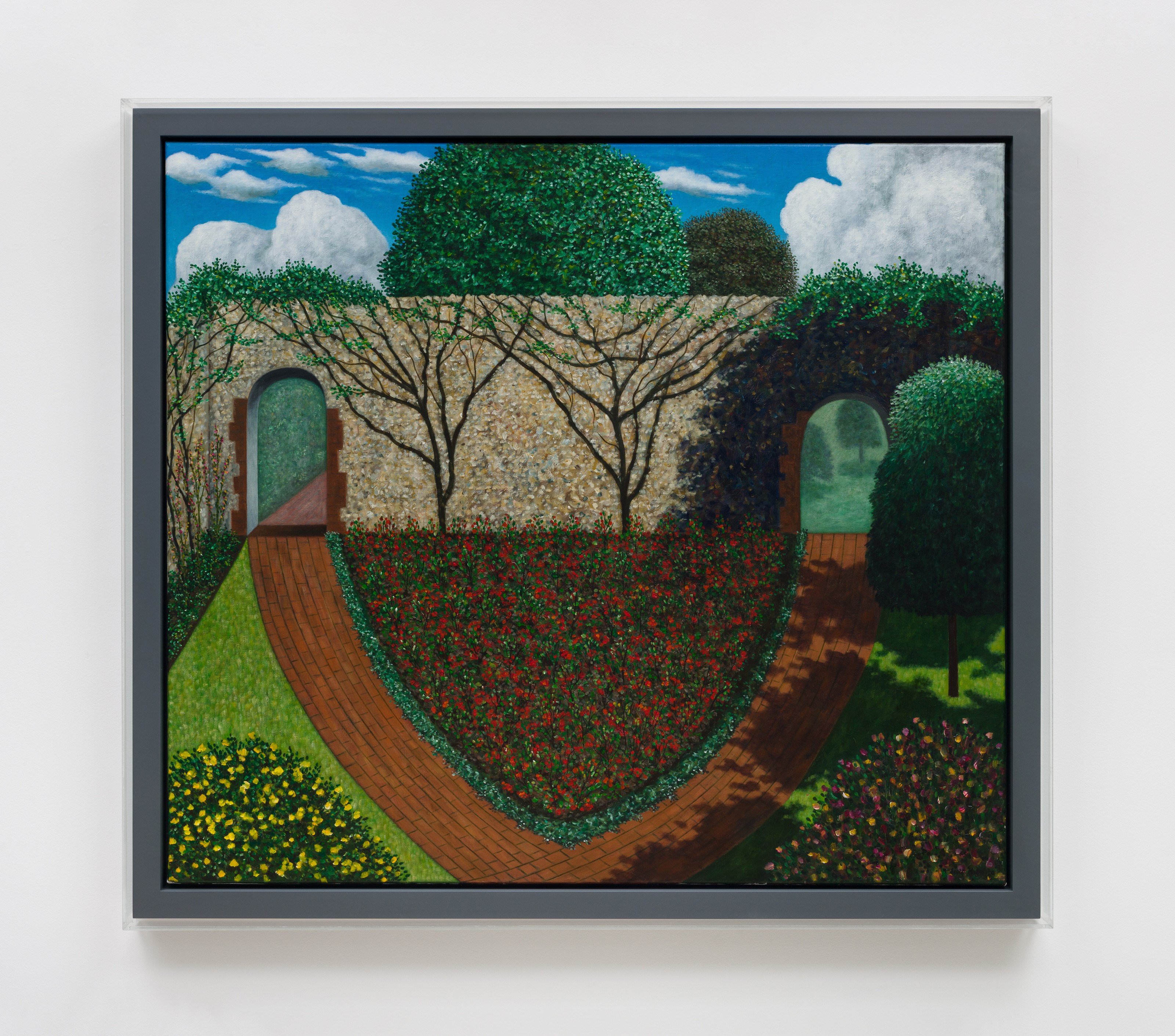
Kipling Gardens, 2000

Painting by Scott Kahn

Scott Kahn

Lunar Eclipse (Blue Sky), 2023

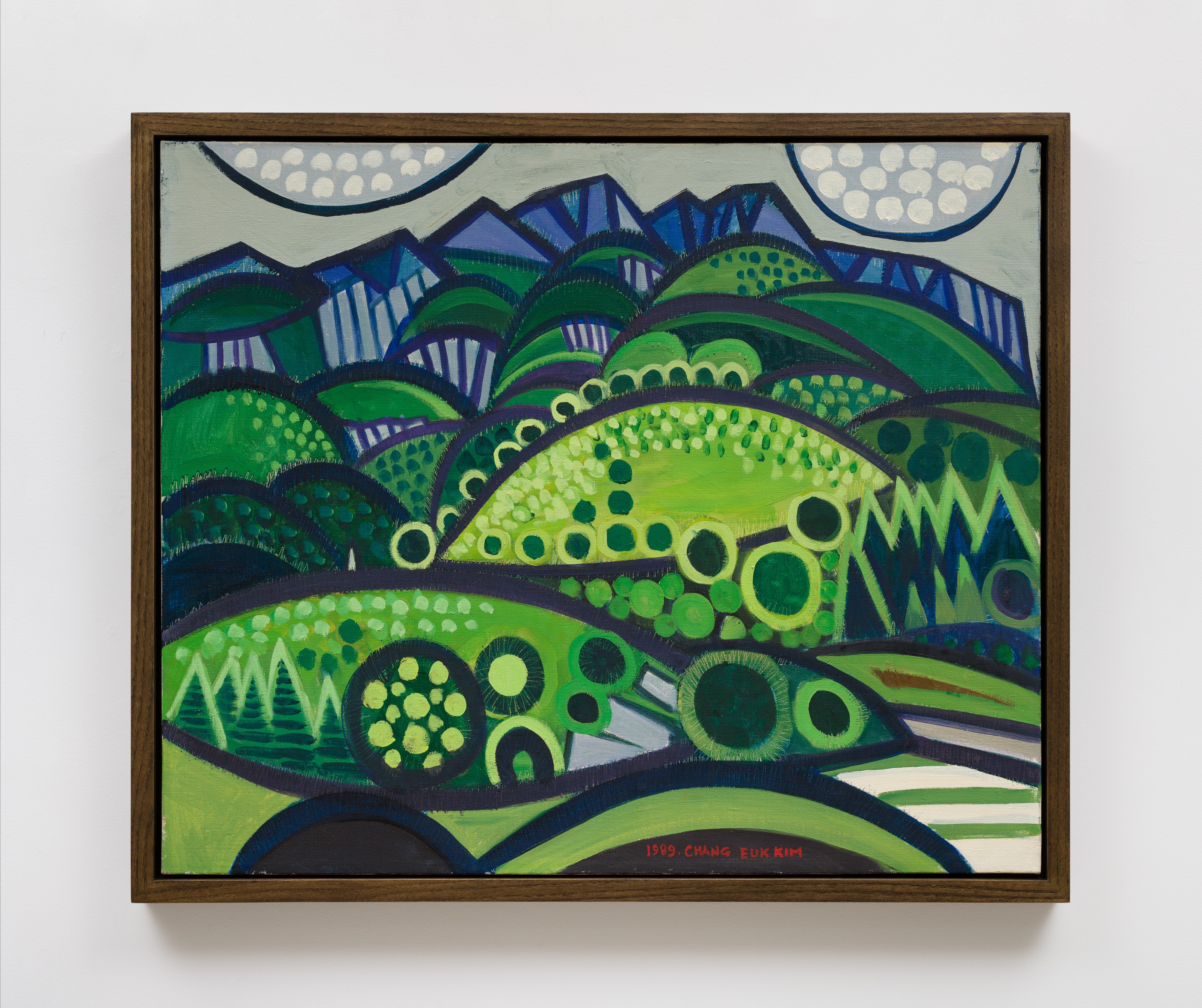
Painting by Kim Chang Euk

Kim Chang Euk

Abstract Scenery No. 2, 1989

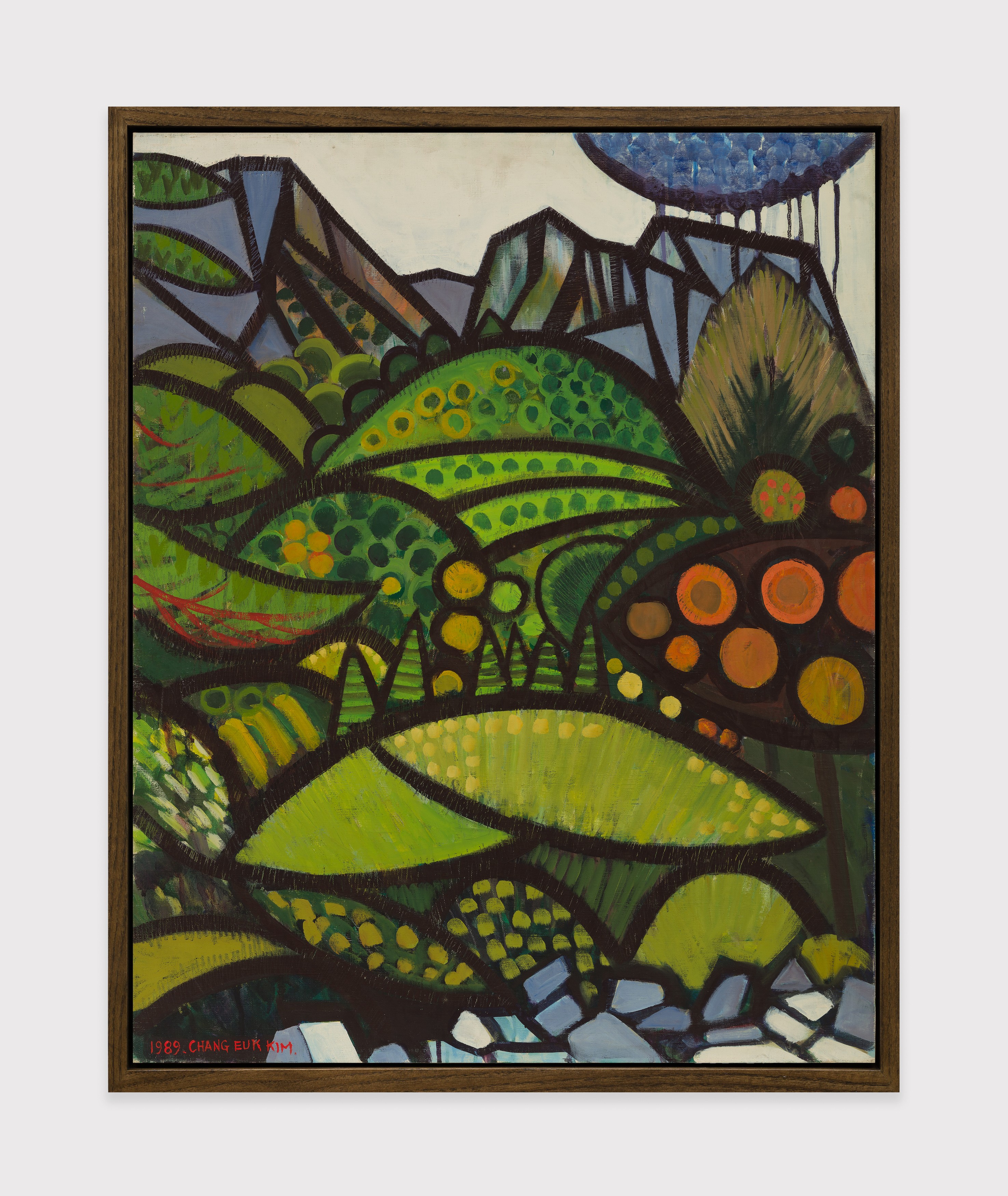
Painting by Kim Chang Euk

Kim Chang Euk

Abstract Scenery No. 1, 1989

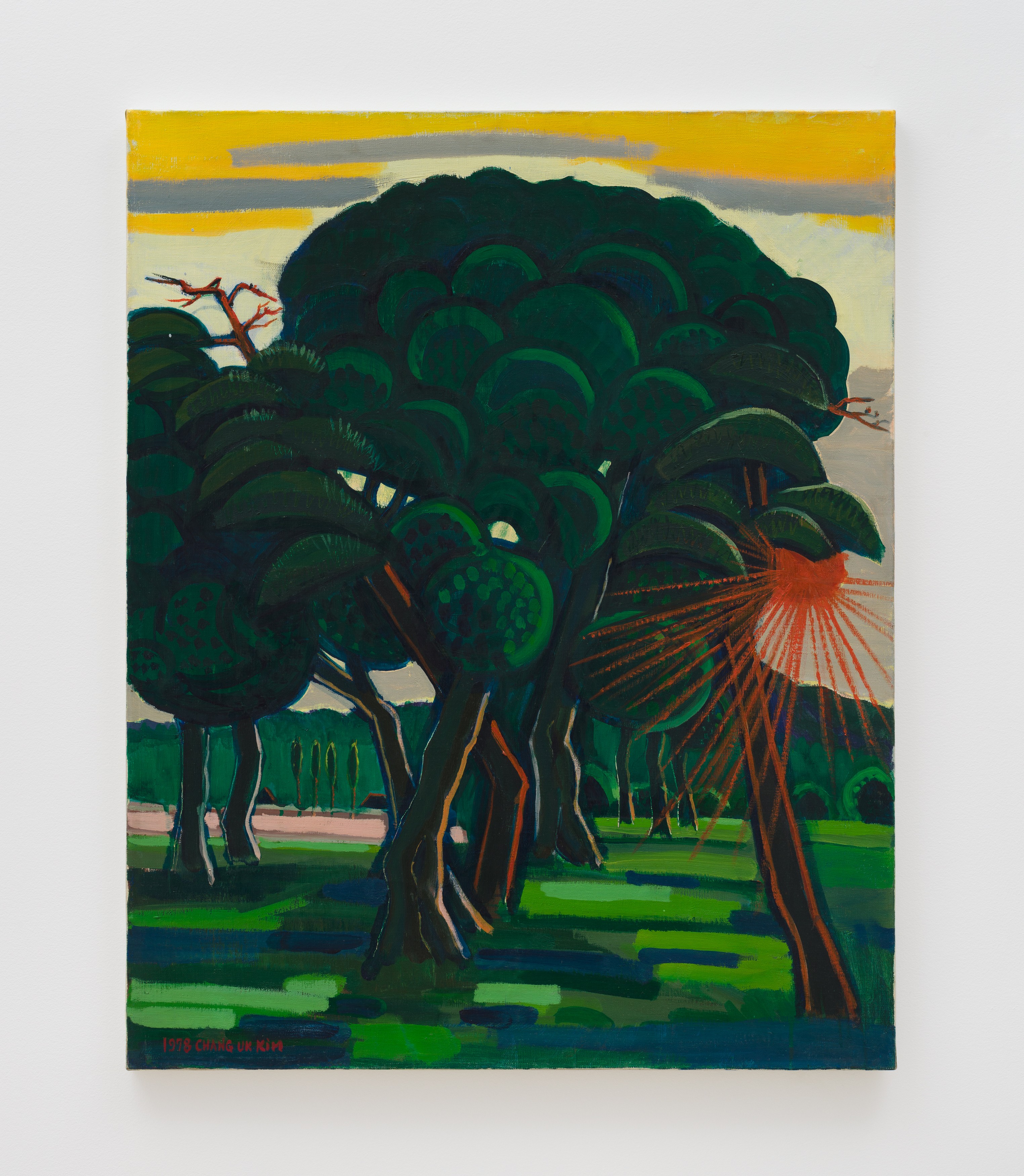
Painting by Kim Chang Euk

Kim Chang Euk

Gyerim Forest, 1978

媒体聚焦

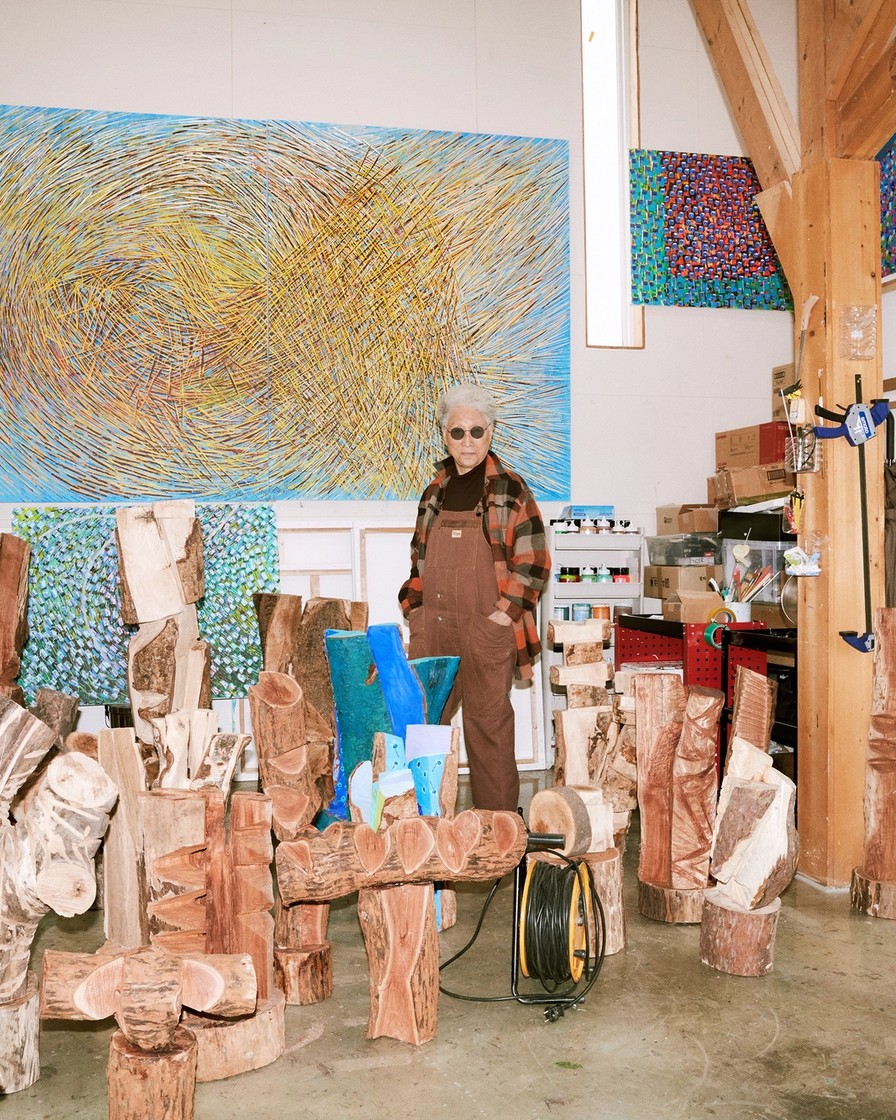
Portrait of Kim Yun Shin

Kim Yun Shin (b. 1935, Wonsan, North Korea; lives and works in Seoul, South Korea) is a multidisciplinary artist known for her dynamic sculpture and painting, which often unfold through a series of interactions with nature. Growing up amidst the backdrop of Korea’s tumultuous history in the 20th century, Kim has established herself as a pioneering figure in the post-war South Korean art scene, overcoming societal norms to carve out a space for herself as a first-generation woman sculptor. Despite facing challenges in a male-dominated field, she ventured to Paris to pursue her artistic aspirations, taught at various universities, and co-founded the Korean Sculptress Association in 1974 to support emerging artists. Partly influenced by her nomadic early life, her work reflects a fearless exploration of diasporic cultures—from France, Mexico, and Brazil, to her adoptive home of Argentina, where she established Museo Kim Yun Shin, the first Korean immigrant art museum. Her journey from turbulent beginnings during the Japanese colonial period and Korean War to becoming a trailblazer in Korean contemporary art reflects the artist’s personal resilience and commitment to artistic innovation.

Across six decades, Kim has developed an aesthetic that engages with the fundamental qualities of materials and nature, navigating themes of confrontation, introspection, and coexistence. Central to her artistic expression is the use of solid wood, a primary medium through which Kim envisions the structural and spiritual elements of antiquity and the primordial world. In doing so, she visualizes the intersection between nature, time, and history, reconsidering the very essence of human existence. Her early sculptures from the 1970s are deeply rooted in traditional Korean hanok architecture, which uses a distinctive technique that joins wooden blocks without nails. In her Stacking Wishes series, the artist also explores traditions of vertical stacking in Korean and Latin American totemism. This notion of organic connection and her interest in East Asian philosophy merge in her iconic Add Two Add One, Divide Two Divide One series, which she began in the late 1970s. The terms “add” and “divide” originate from the philosophical concept of yin (division and fragmentation) and yang (addition and integration). Through a meticulous yet intuitive process—in which Kim “adds” her soul into the solid wood and “divides” the space between the bark and inner wood to create a complete whole—the artist delves into raw materiality and uncovers a newfound vitality.

Sublime Simulacra | Lehmann Maupin