跳到主要内容

納利·華德

Deste Foundation Project Space

Hydra

6月23日–2026年10月31日

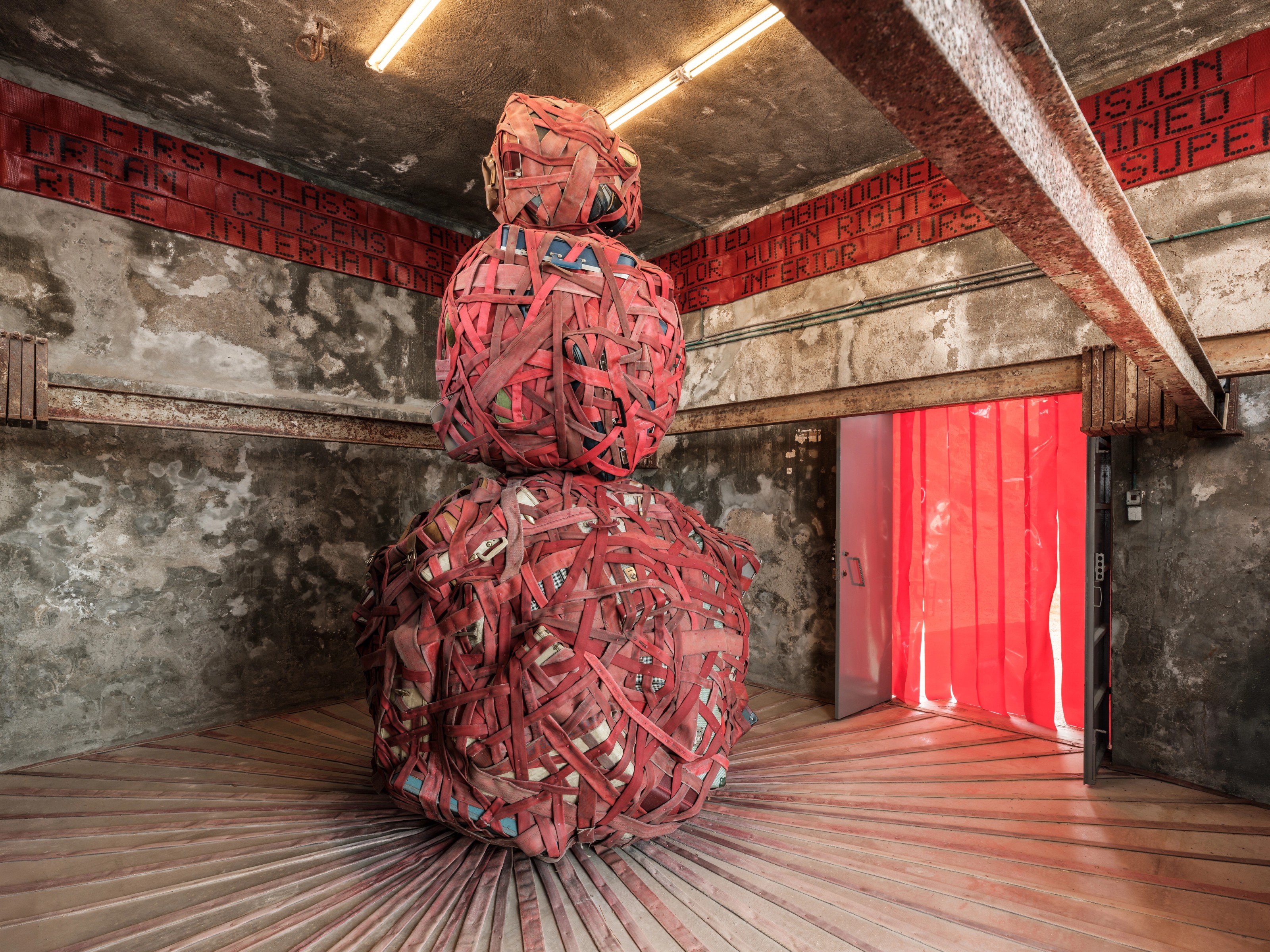
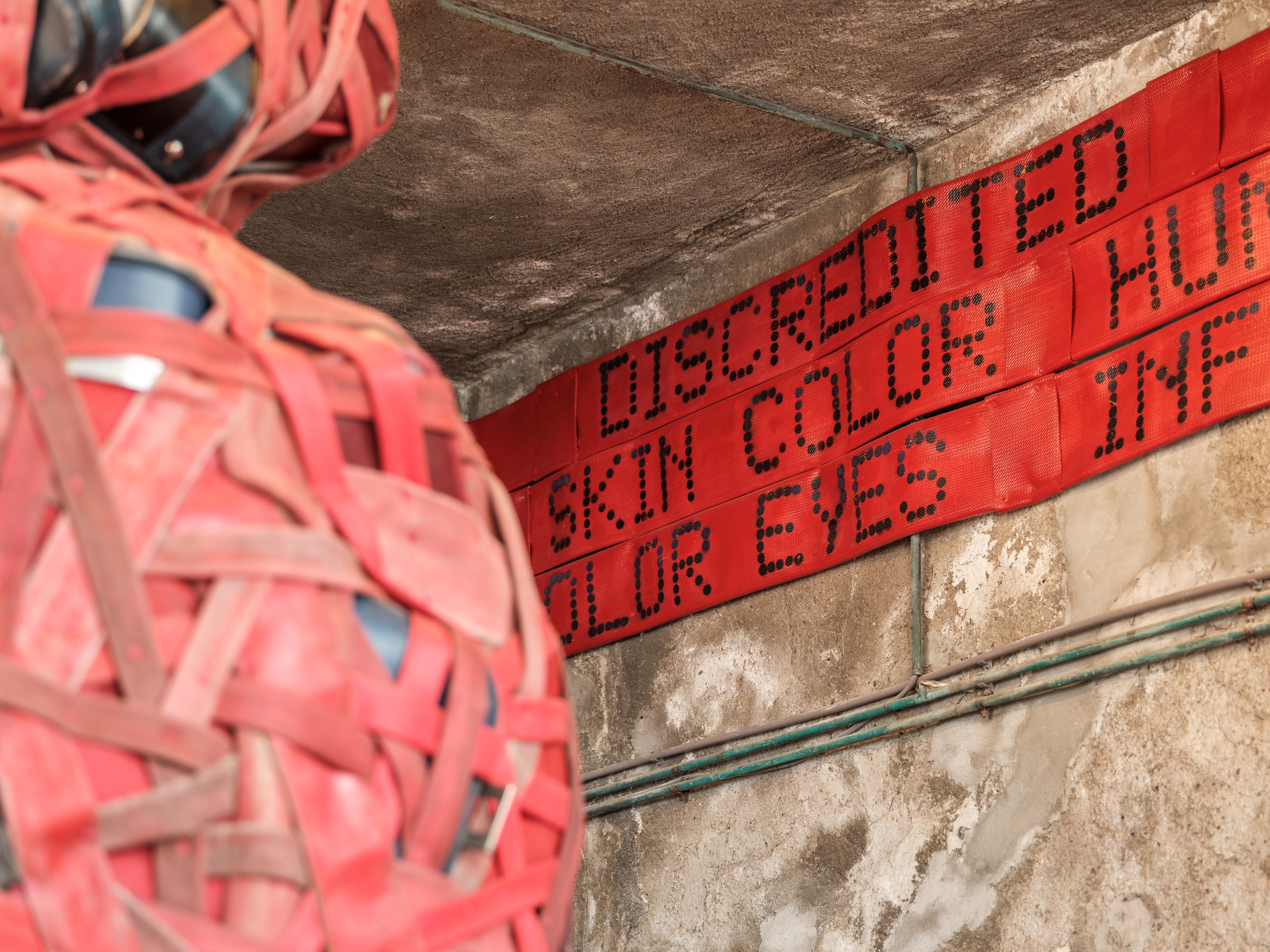
Nari Ward installation detail

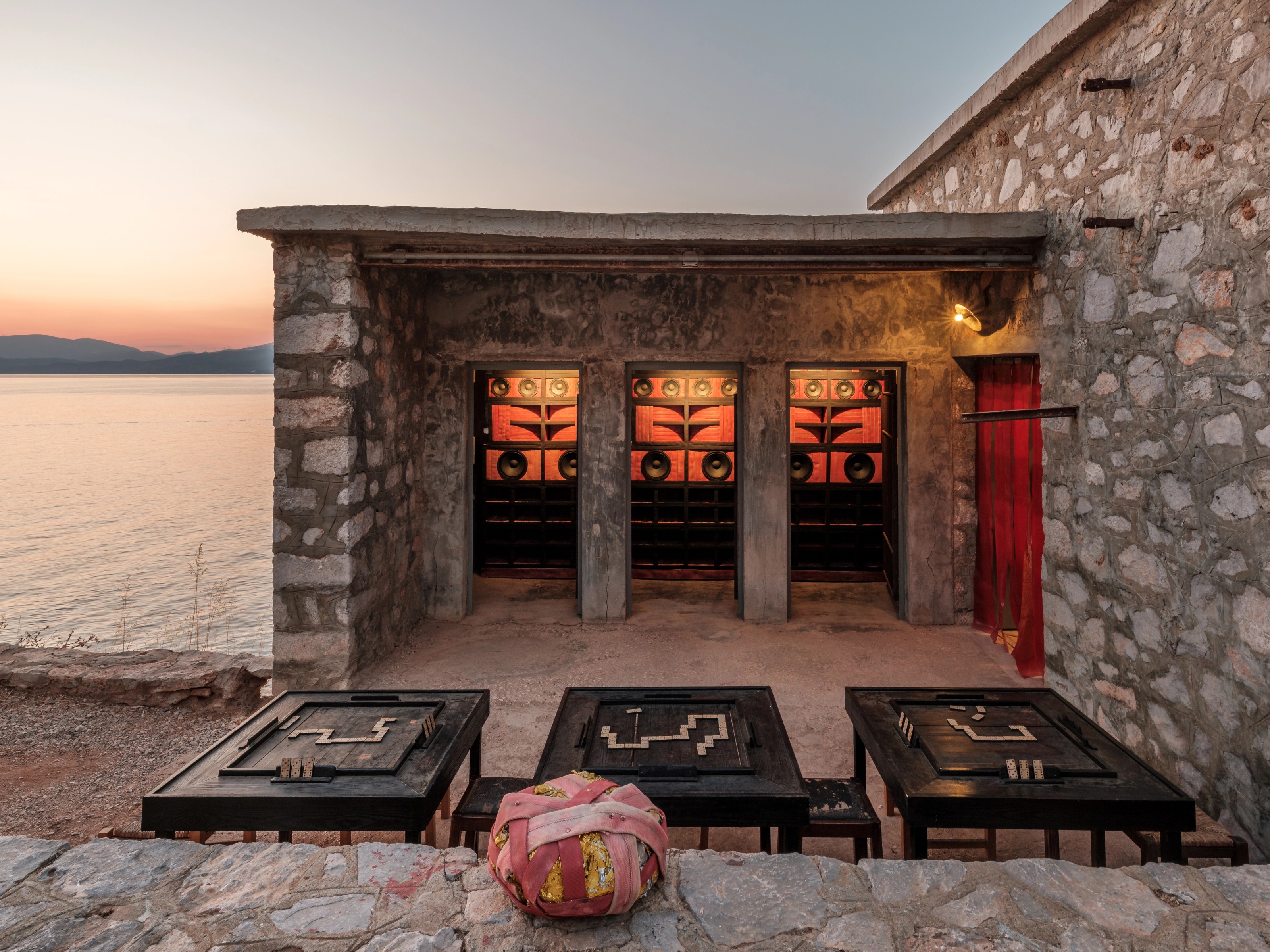
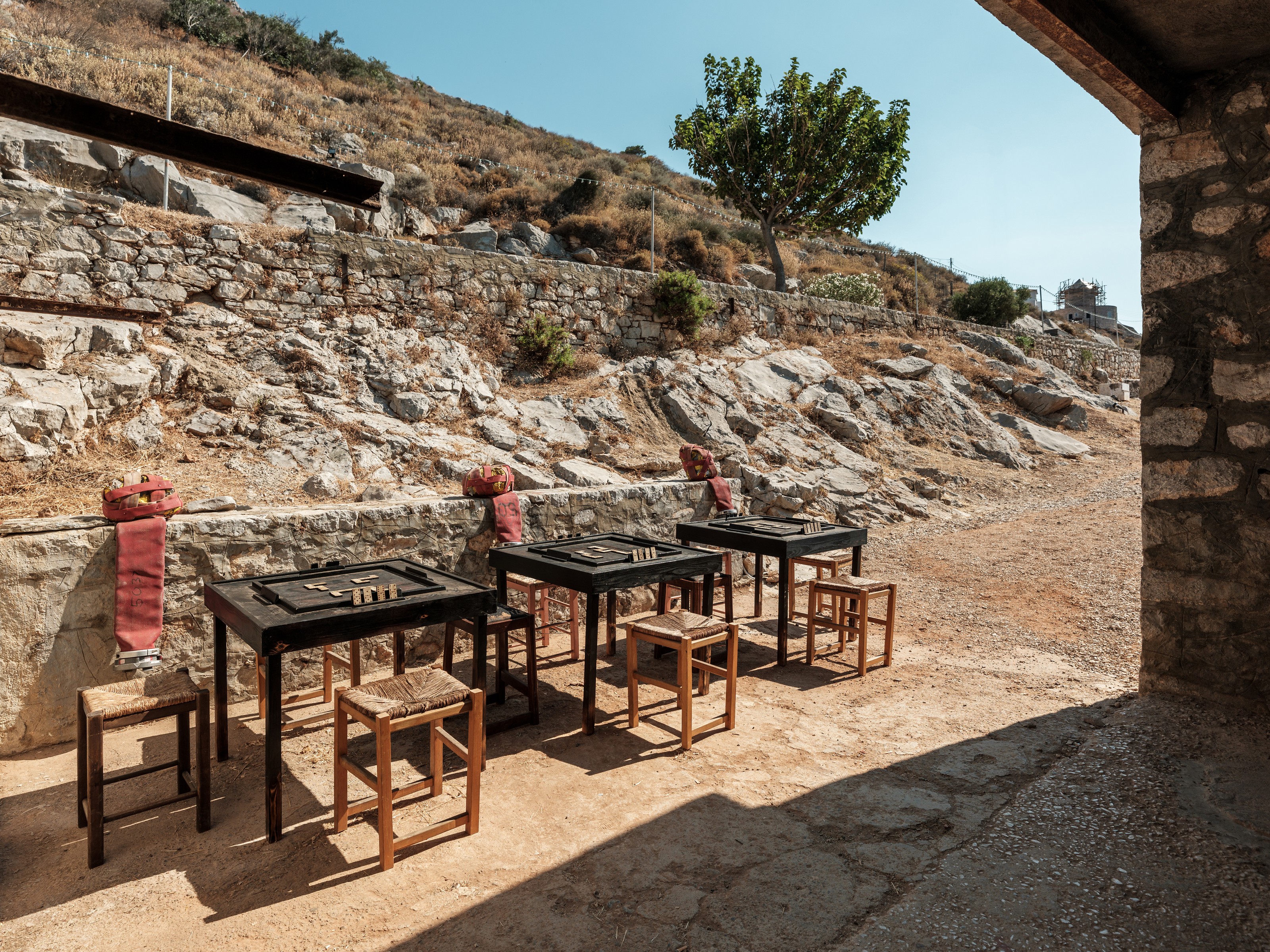
This year, the Slaughterhouse Project on Hydra will feature Until That Day, an exhibition by Nari Ward (b. 1963, St. Andrew, Jamaica; lives and works in New York), who is renowned for his sculptural installations composed of discarded material found and collected in his neighborhood. By re-contextualizing these found objects, Ward creates thought-provoking juxtapositions that address social and political issues surrounding race, poverty, and consumer culture.

Nari Ward
Installation Views: 1/4

Until That Day addresses the social and political realities of the African population in Greece, a community that has lived in the region throughout the twentieth and twenty-first centuries. For the exhibition at the Slaughterhouse on Hydra, I invited Aggelos Aggelou—a singer whose music reflects the storied traditions of the Greek folk genre rebetika—as well as other Afro-Greek musicians to perform a response to the 1963 address by His Majesty Haile Selassie I, Emperor of Ethiopia, to the United Nations, a speech in which he pleads for global cooperation between nations. The title of the exhibition takes its name from Selassie’s refrain: “until that day, the dream of lasting peace and world citizenship and the rule of international morality will remain but a fleeting illusion, to be pursued but never attained.” Selassie’s warning—which Bob Marley adapted in the lyrics to his 1976 song “War”—was that humanity will never reach its full potential unless we recognize and uplift each other across national and racial boundaries. This has resonances across world history, including the present-day alienation and disenfranchisement of African immigrants and refugees within Greek society. It is my hope—especially as the world plunges deeper into nationalism and xenophobia—that this project will shine a light not only on the struggles of the Afro-Greeks but also on their vibrant and varied cultural contributions. Their presence in this country makes it stronger; we will sing of it “until that day” it is embraced.

—Nari Ward

Nari Ward Sculpture

納利·華德

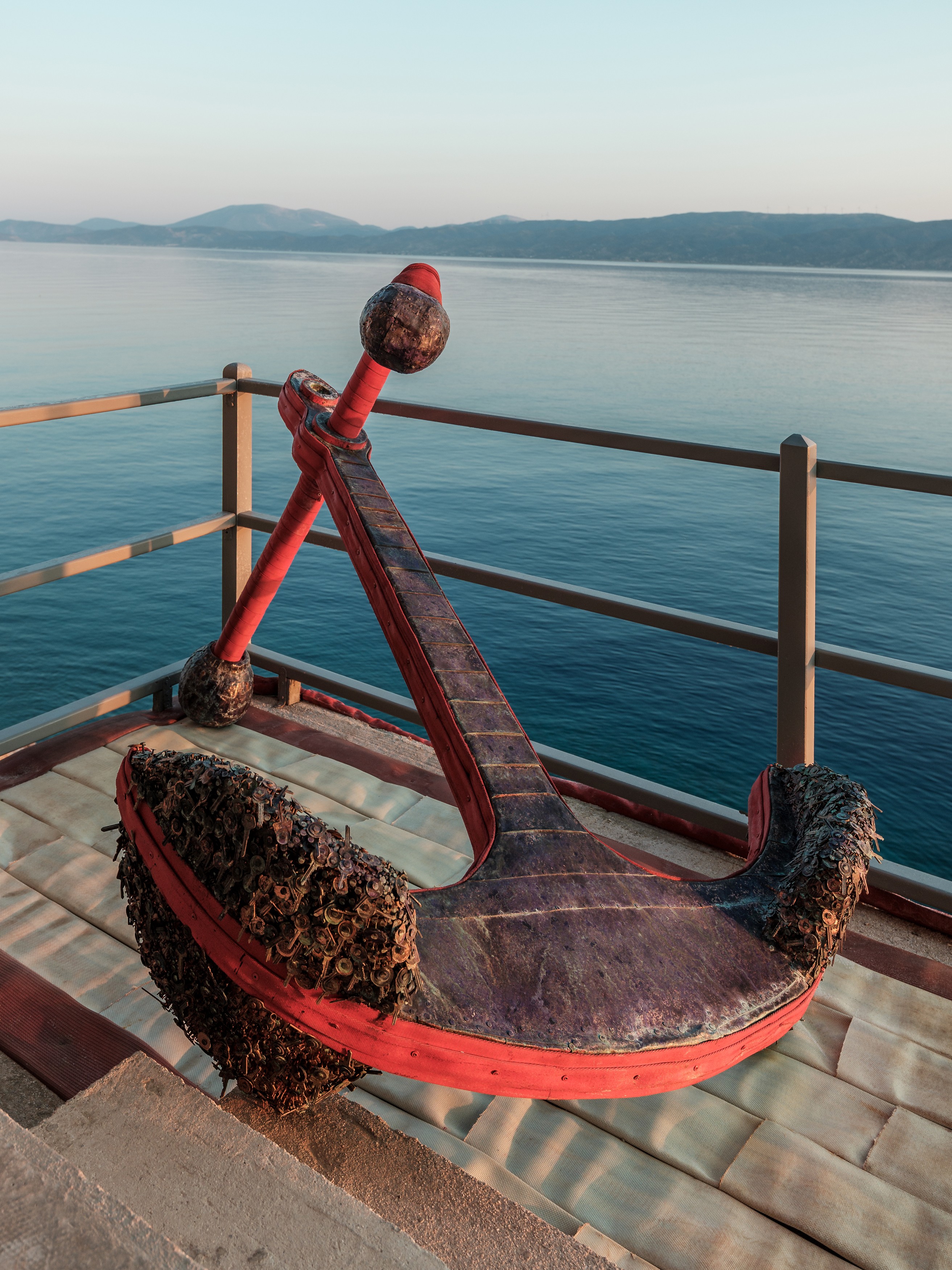
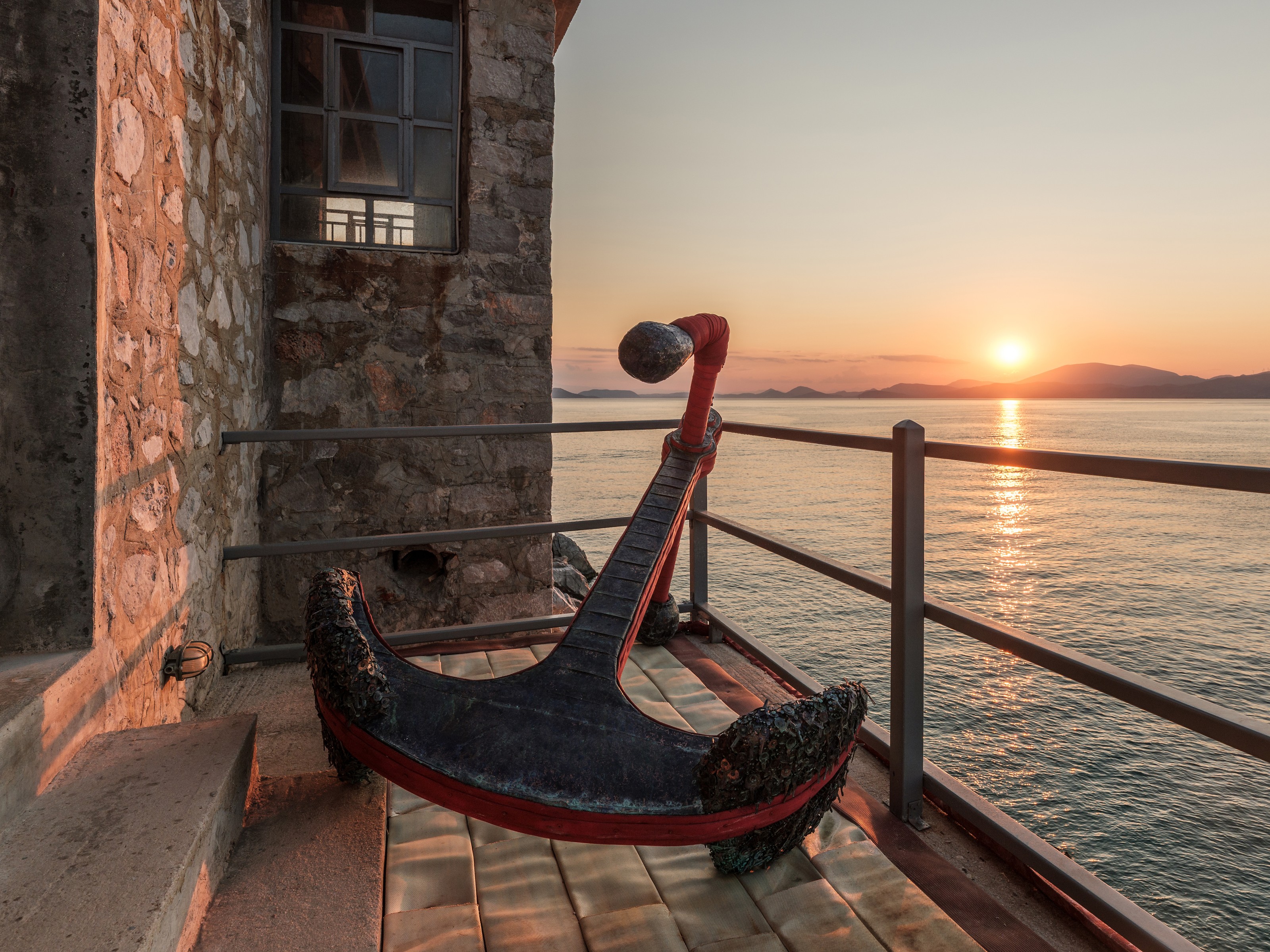
Power Anchor, 2026

Nari Ward Sculpture
Nari Ward Sculpture

納利·華德

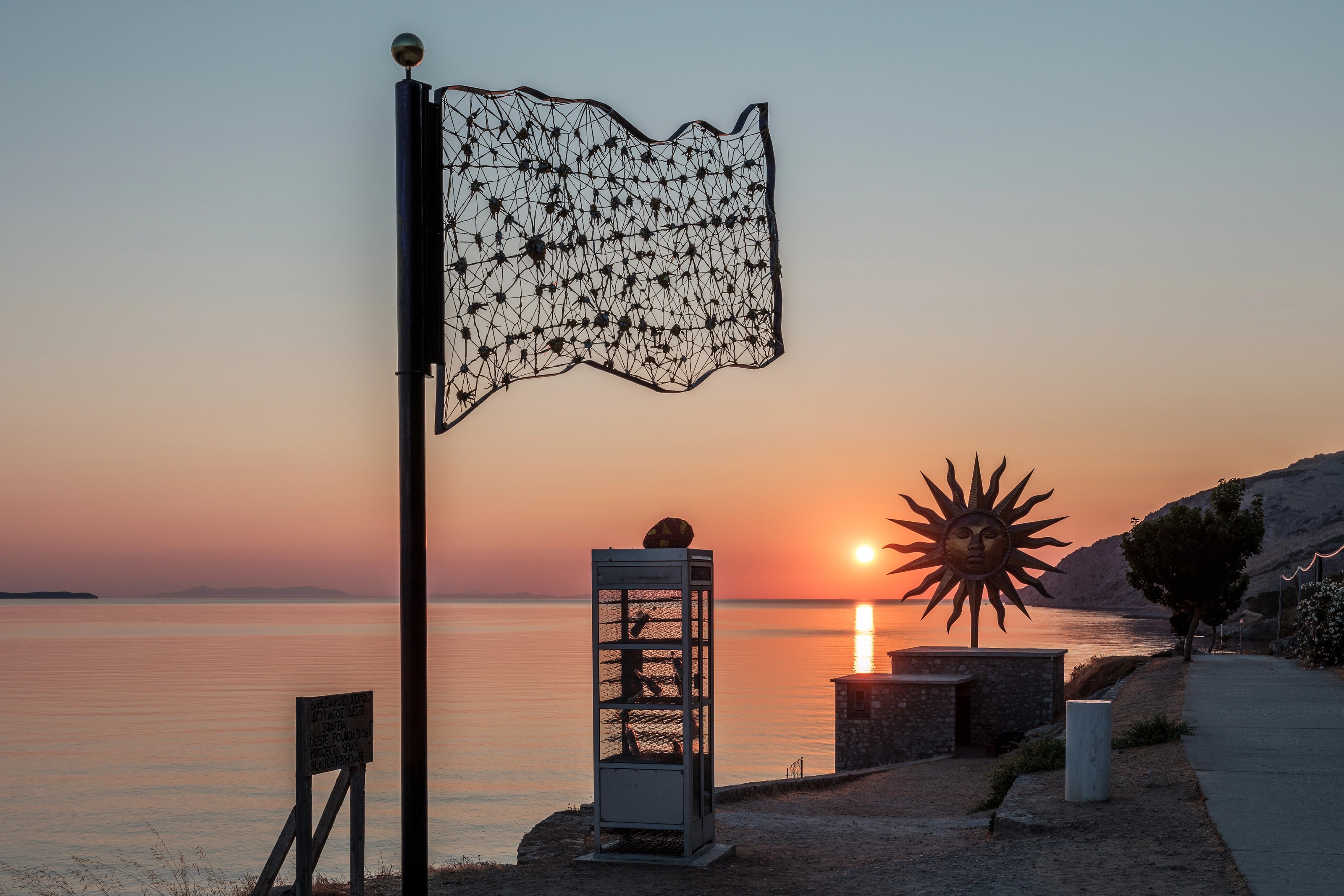
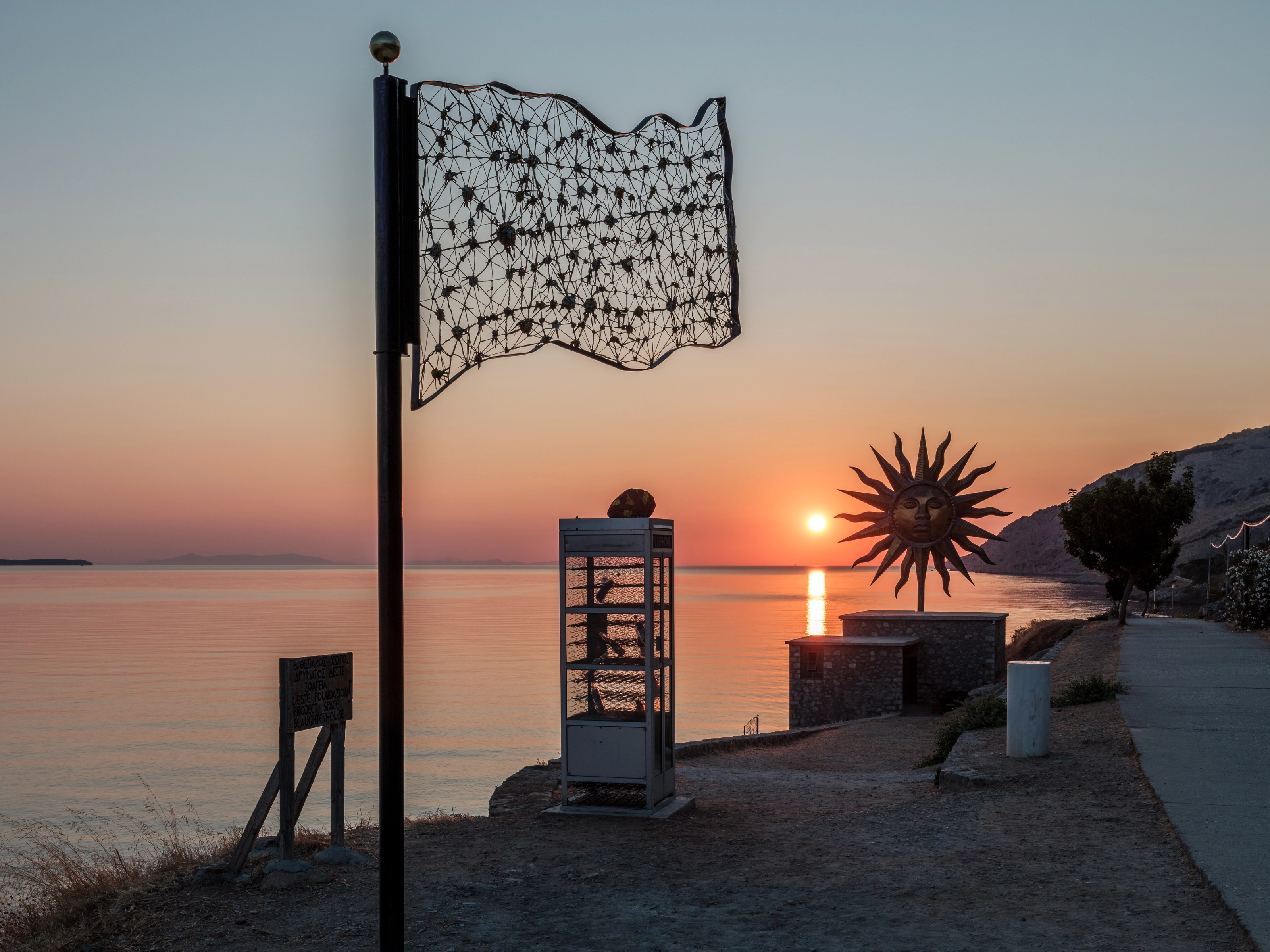
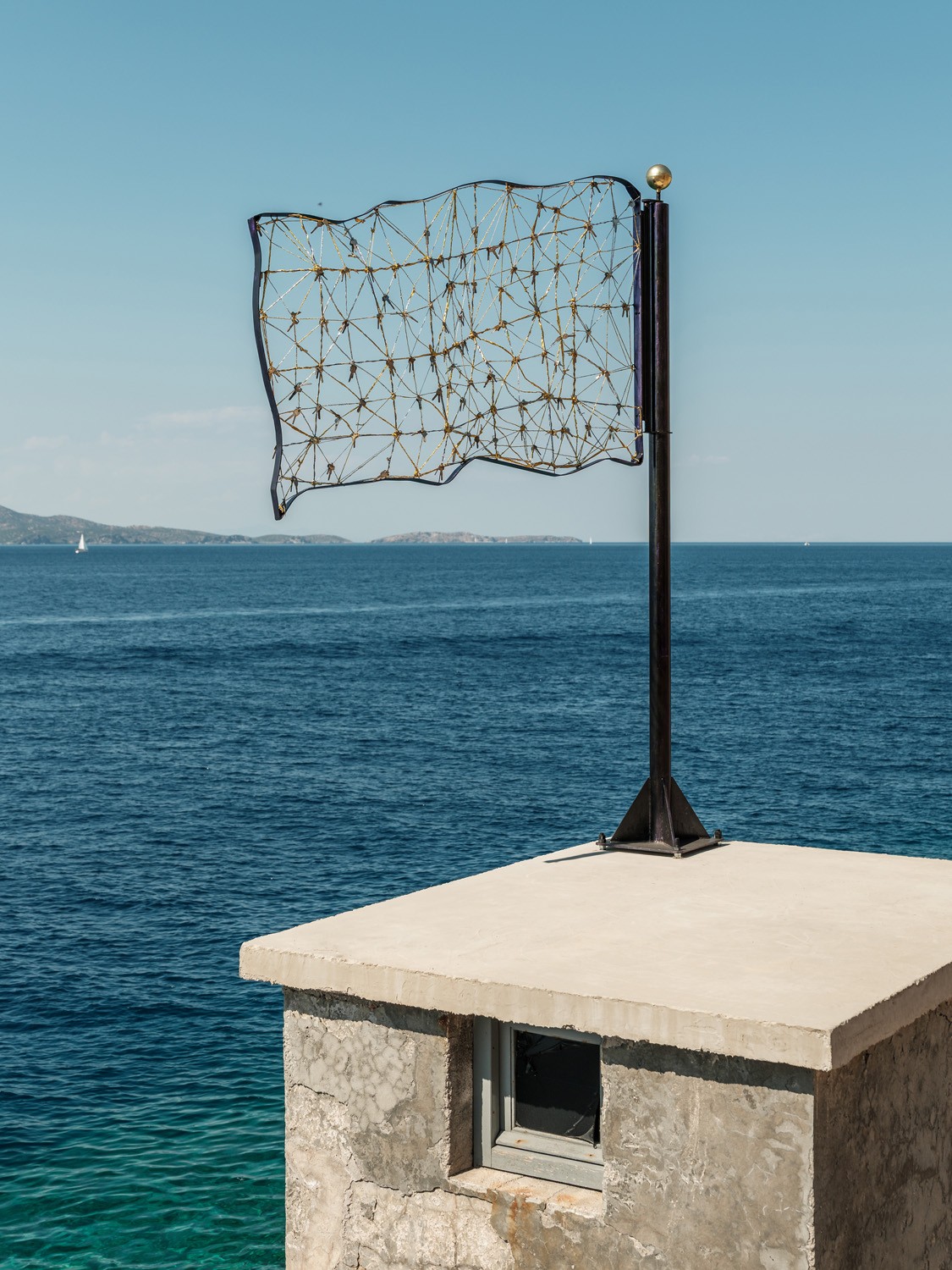
Travel Flag, below, 2026

Nari Ward
Installation Views: 1/4

媒体聚焦

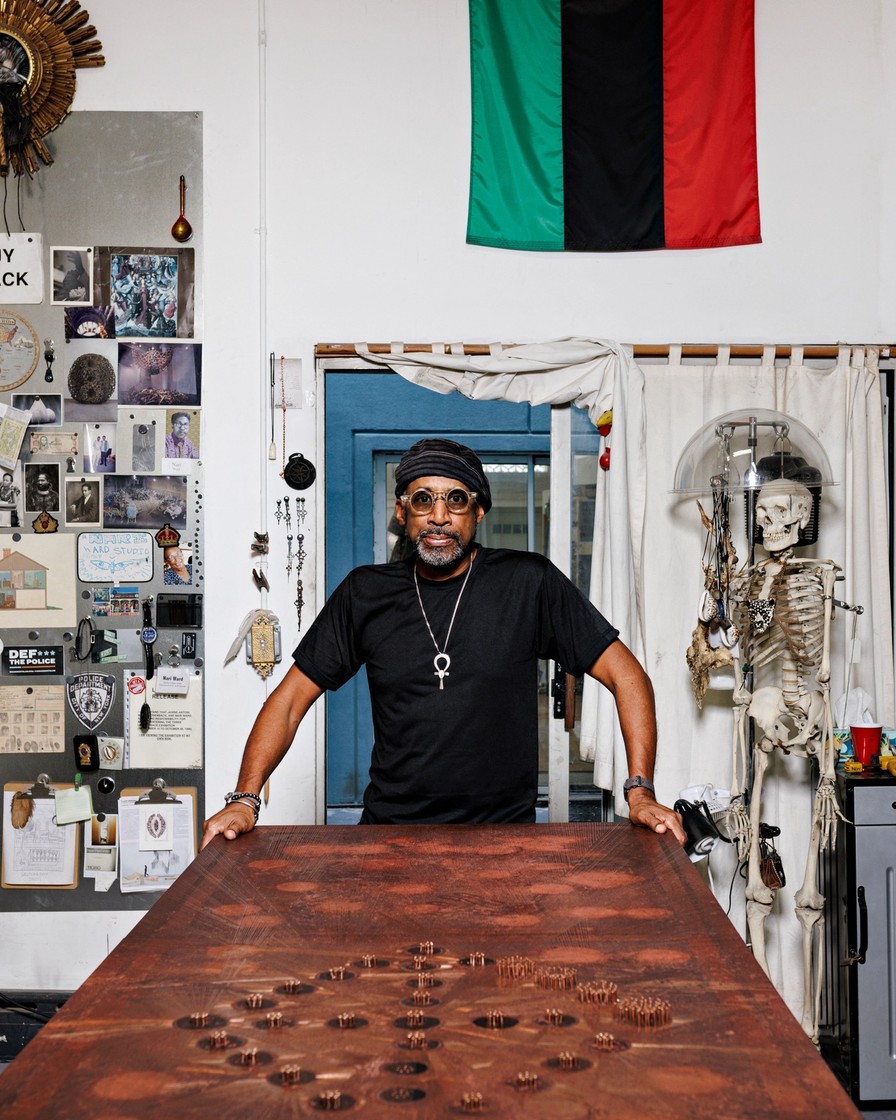
Portrait of Nari Ward

納利·華德 (1963 年生於牙買加聖安德魯,現居於紐約)利用他從城市收集得來的物料創作戲劇性的雕塑式裝置藝術。他重新利用物件如嬰兒車、購物車、水瓶、門、電視套裝、收銀機、鞋帶等。華德重新塑造這些從城市收集回來的物件引導觀眾思考,並帶出複雜和隱喻的意義—審視周圍環境的種族、貧窮和消費文化所產生的問題。他偏向由觀眾對其作品提出個人的闡釋,為作品留下開放性的意義。

華德的最代表性的作品是「Amazing Grace」,制作於1993年時他駐場在美國紐約哈林區畫室博物館,作品回應早期九十年代愛滋病和毒品流行的問題。華德以365個遺棄的嬰兒車制作這個大型裝置—嬰兒車經常被美國紐約哈林區露宿者去運送他們的物質—華德用哈林區廢棄消防局中撿到的消防喉綁起嬰兒車。華德設置福音歌手瑪哈莉雅傑克森《奇異恩典》的錄音重覆播放,環繞在展場之中。歌詞講述救贖和變化,帶出樂觀和希望。與他的大部分作品一樣,這個裝置探索主題都有關於他工作地區的物料和社區環境。這年展於2013年曾被美國新當代藝術博物館Studio 231藝術空間和多個歐州地方重新制造。隨著每一個裝置內容上的轉變,作品的重要性都因每個城區的社群不同地與作品聯系而改變。

了解艺术家