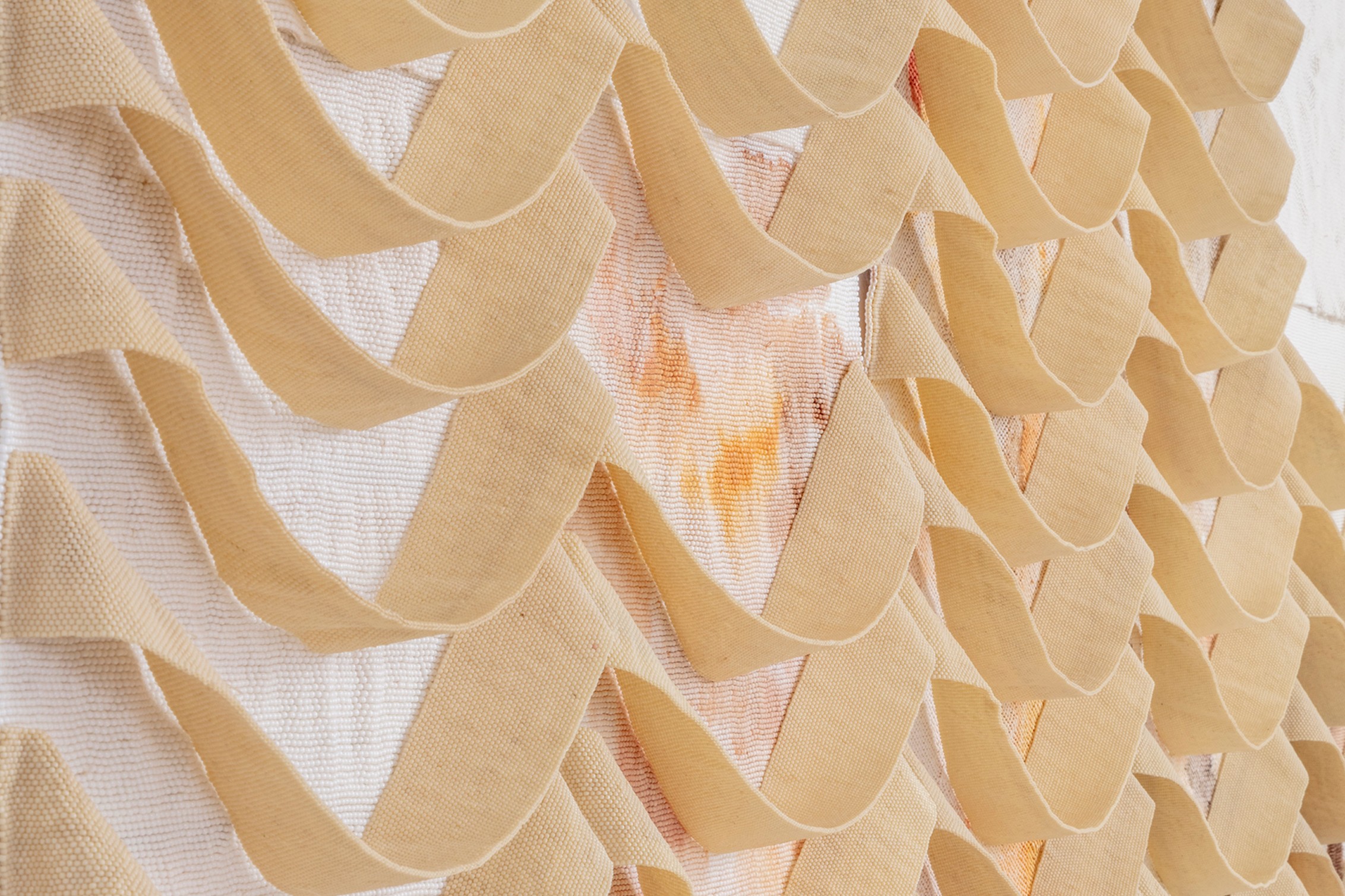
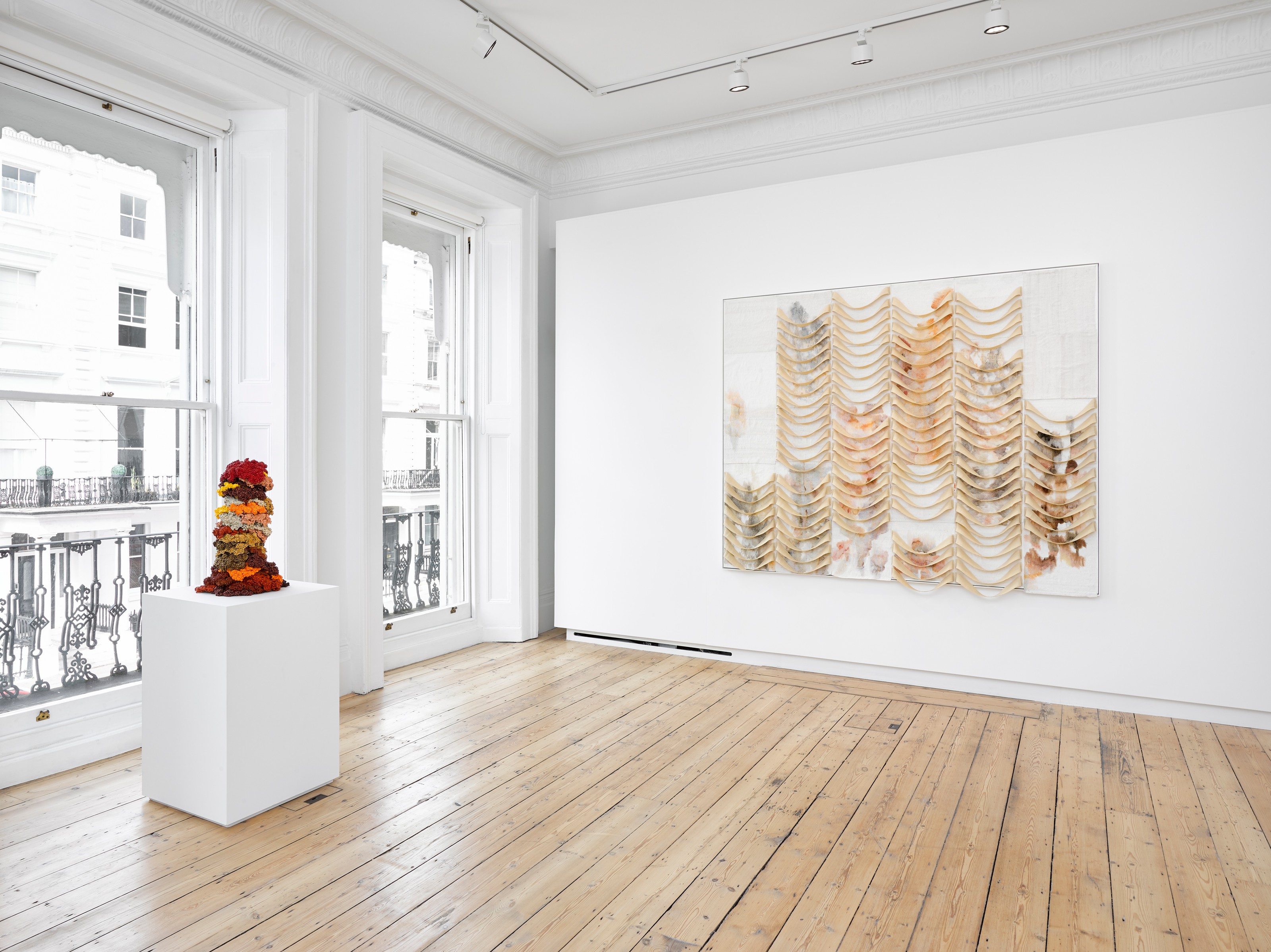
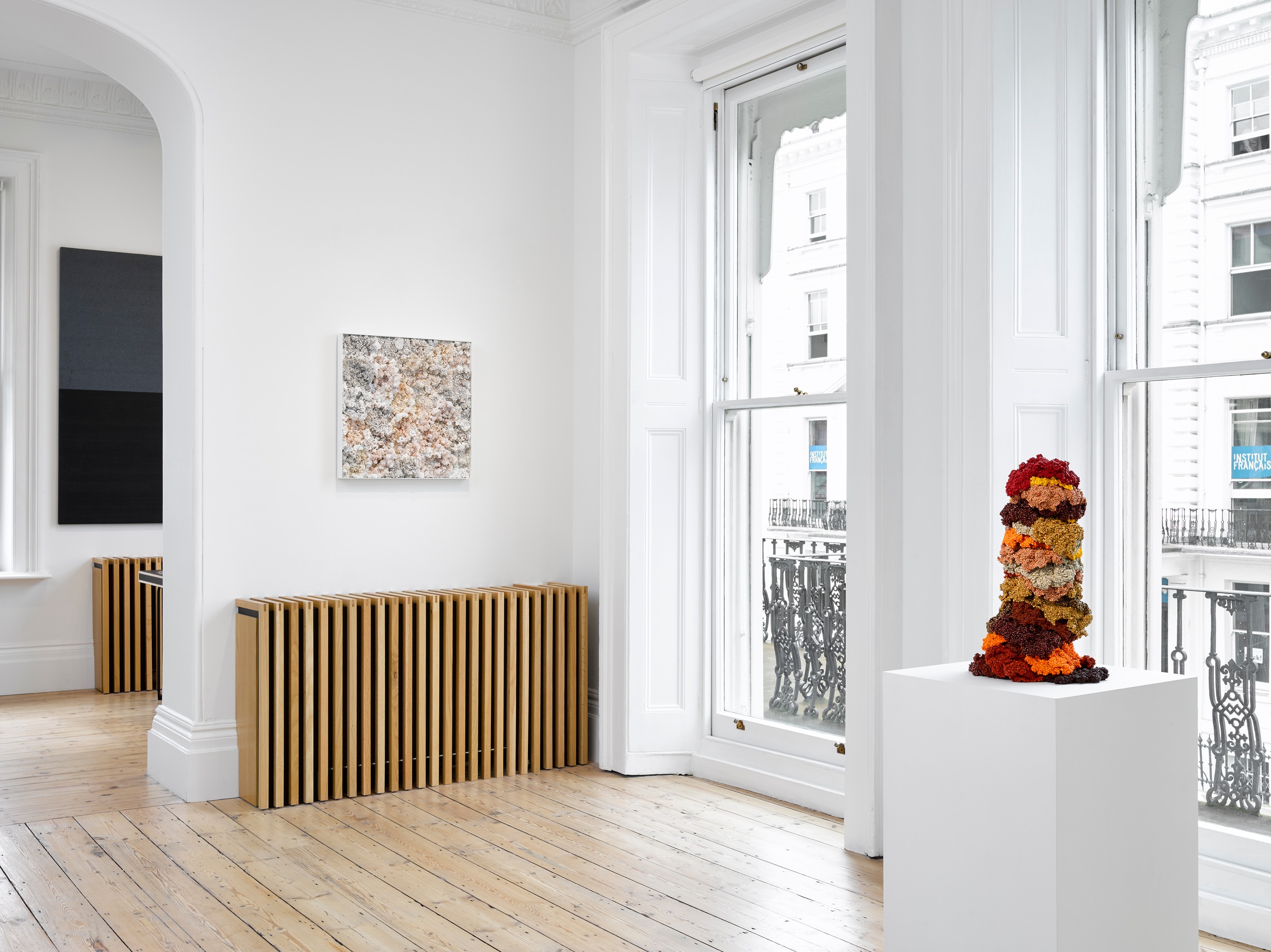
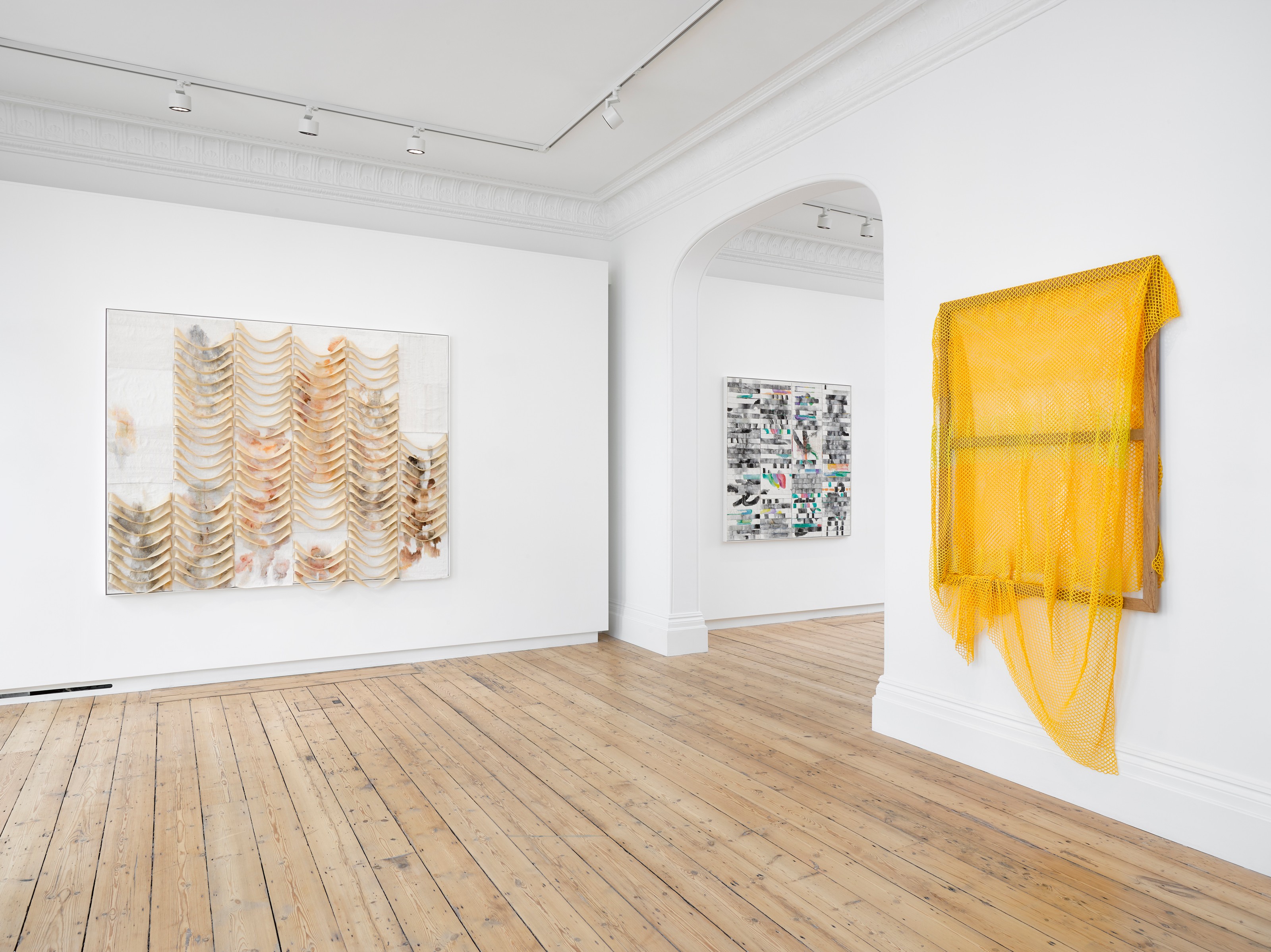
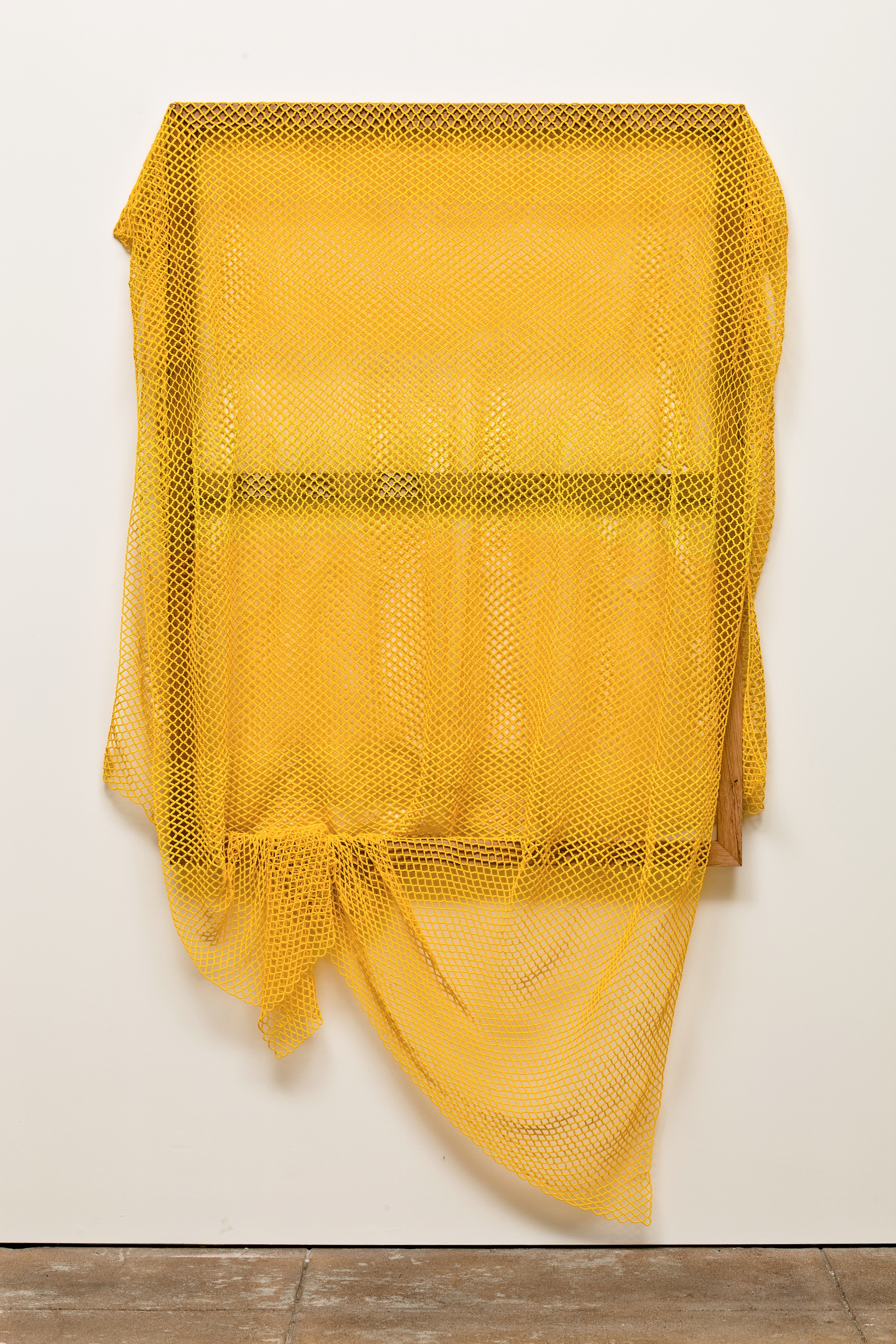
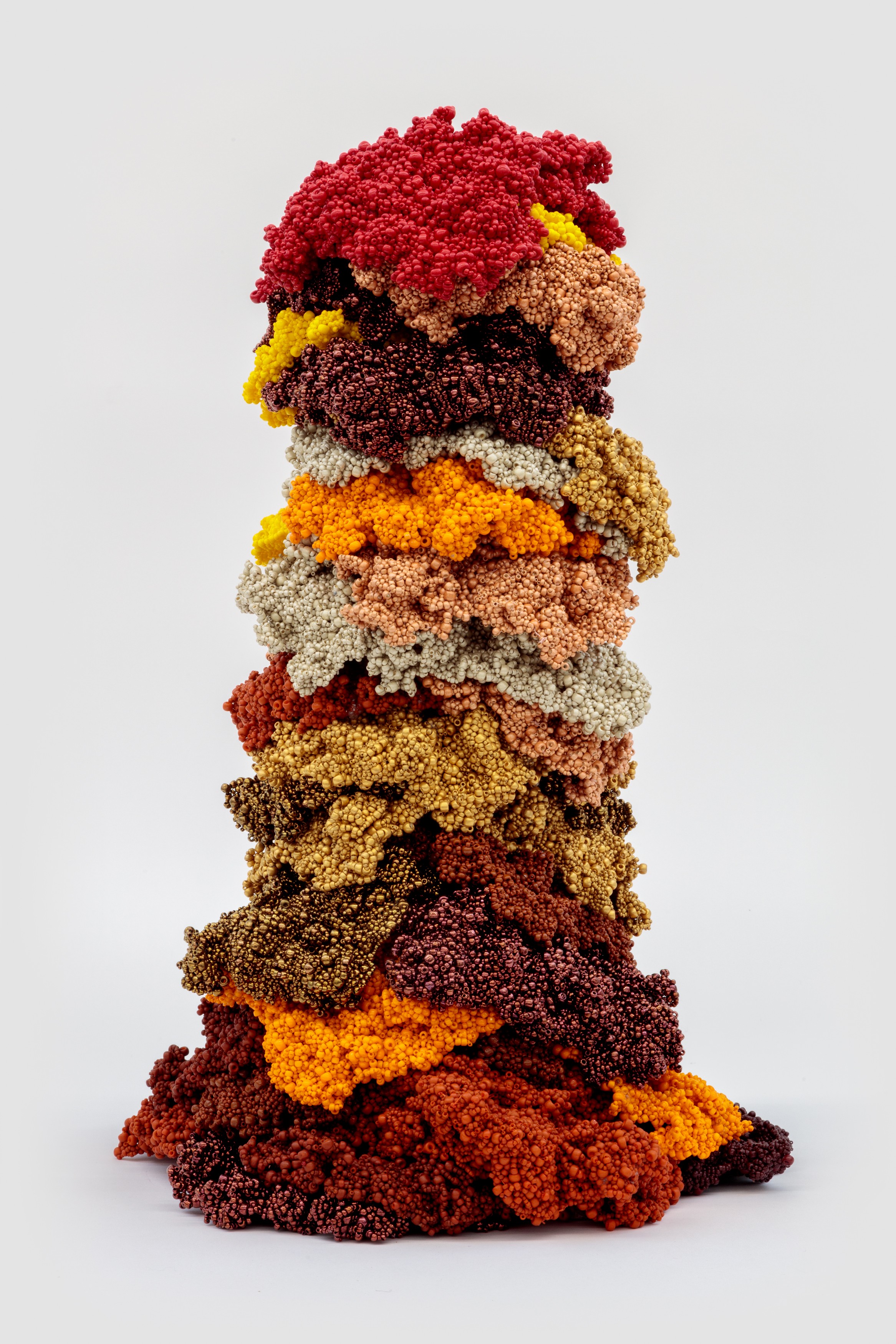
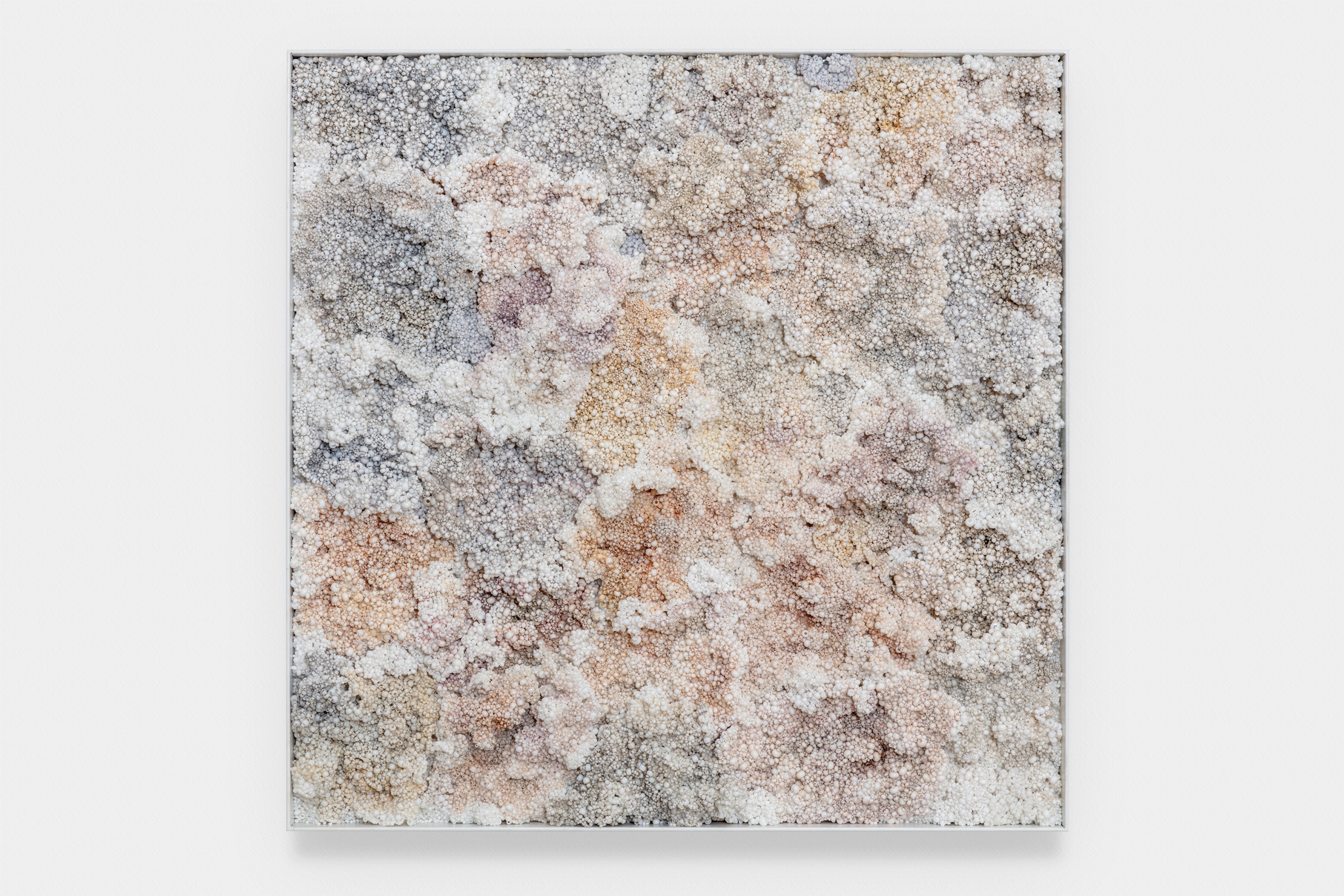
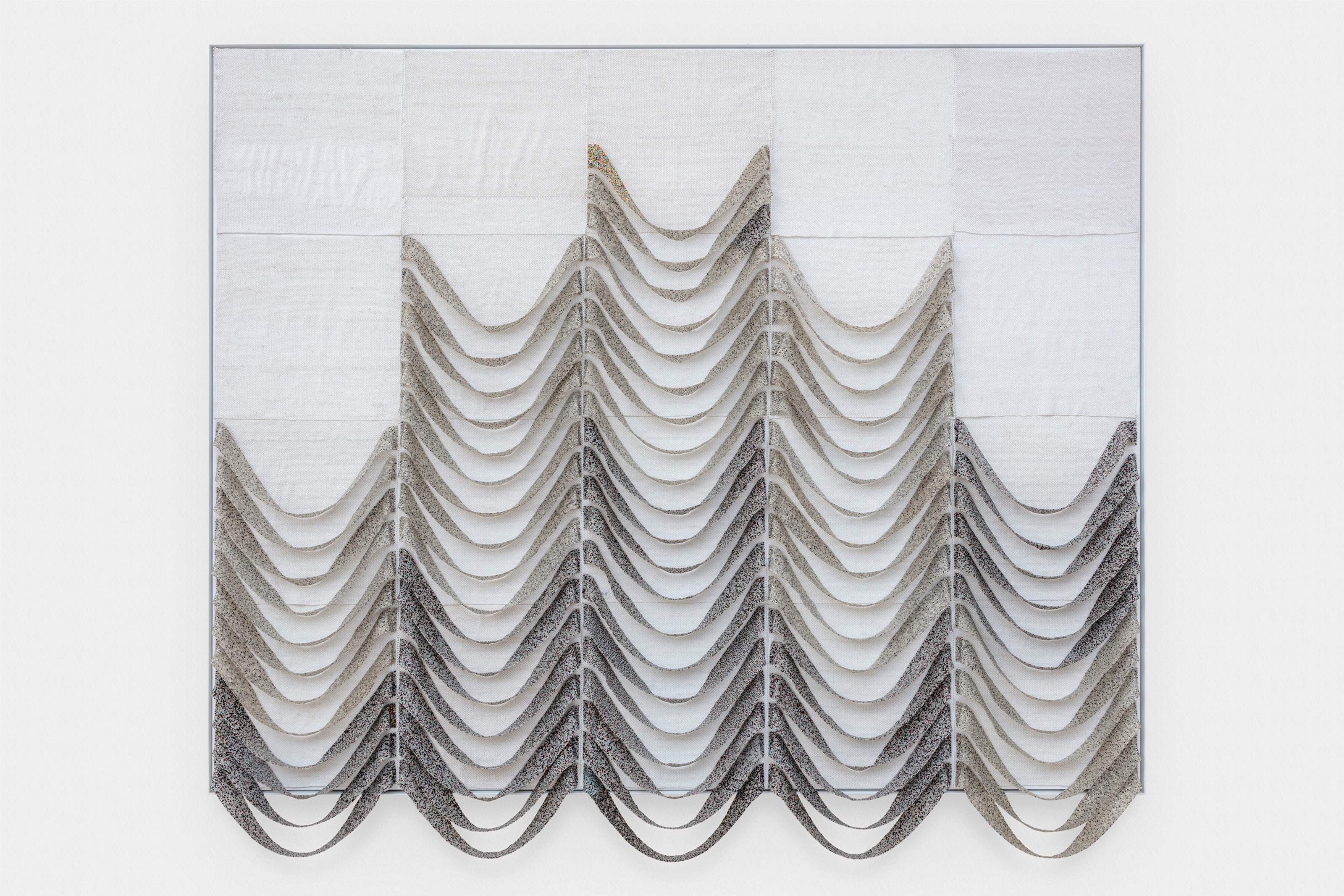
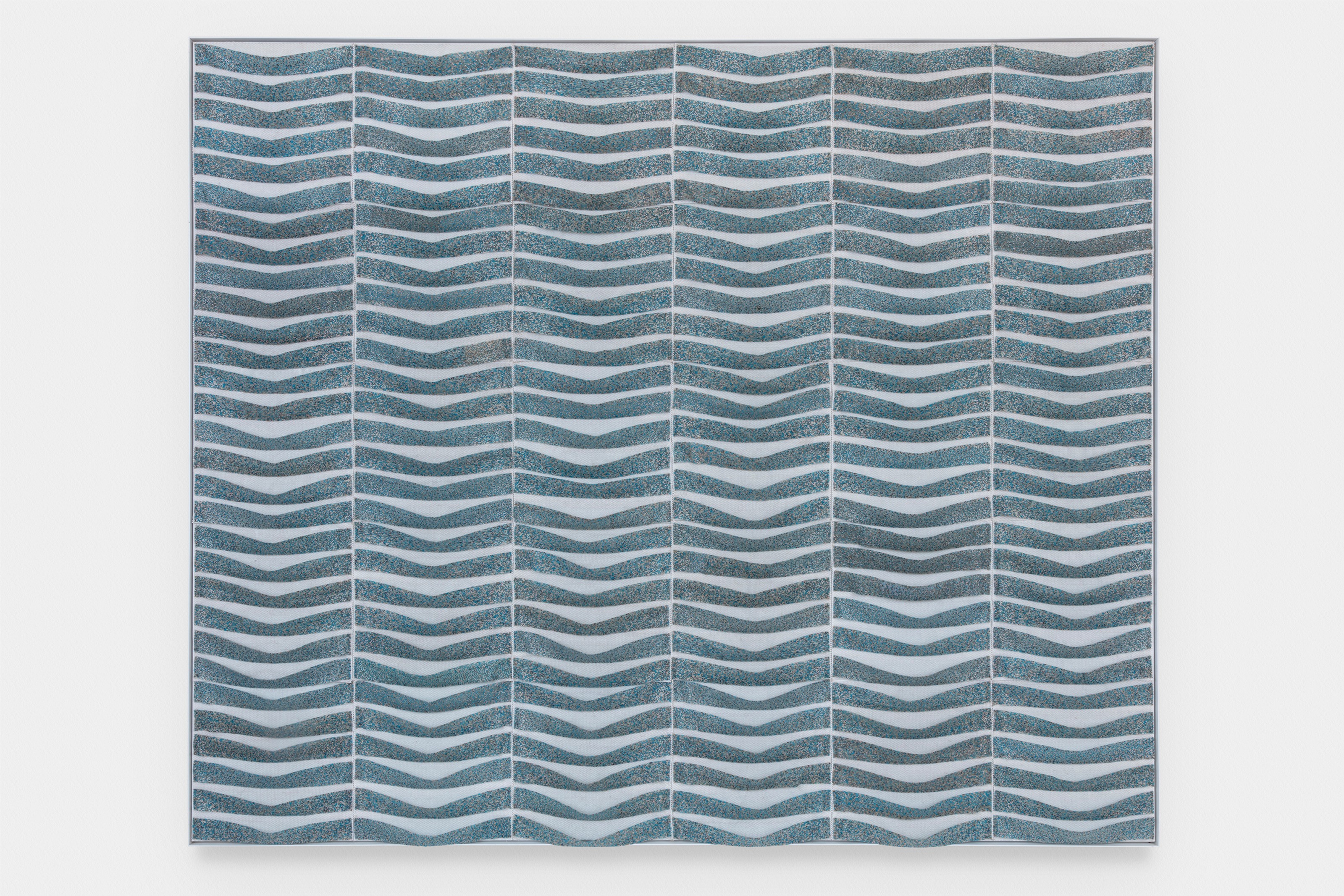
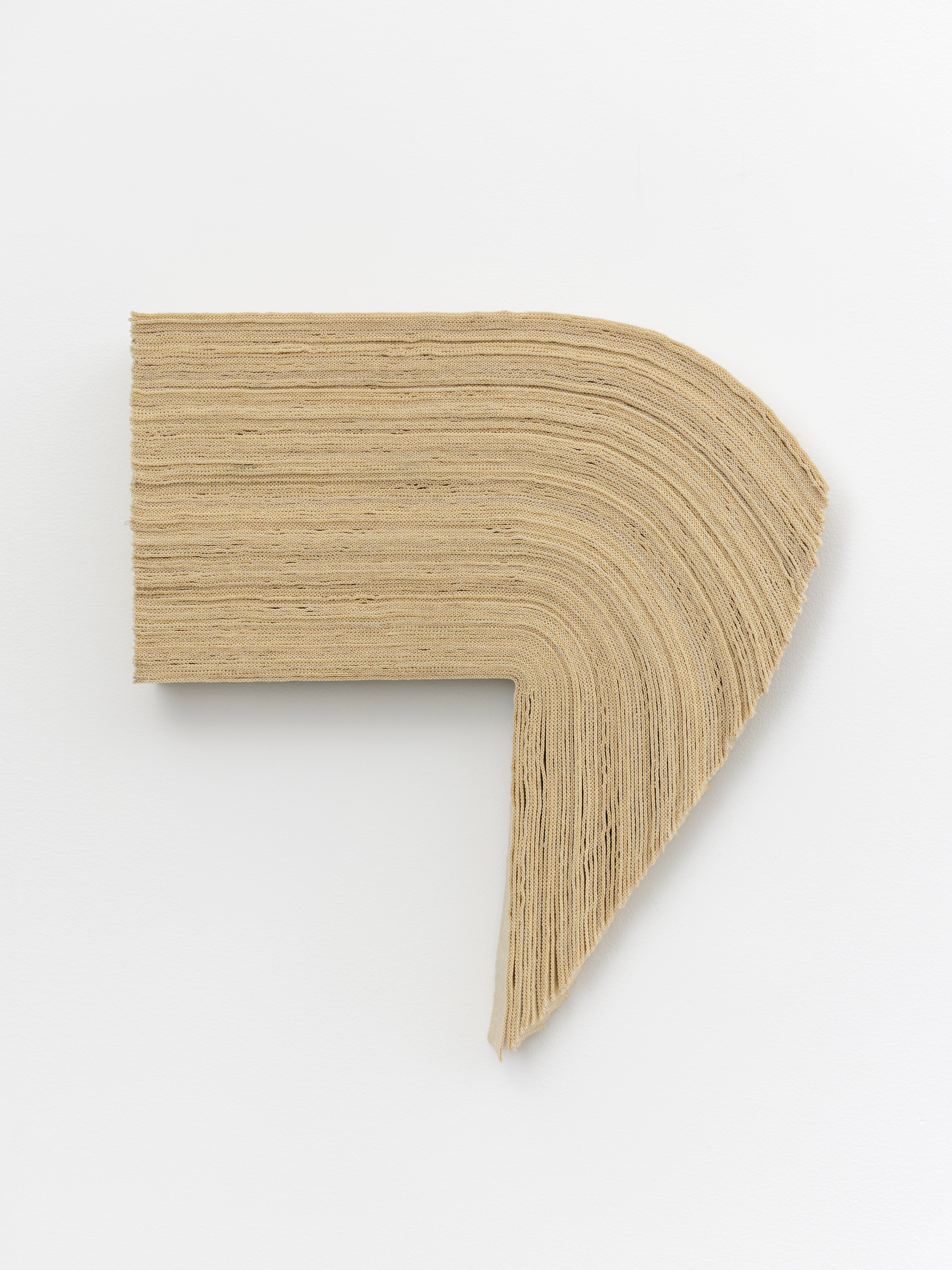
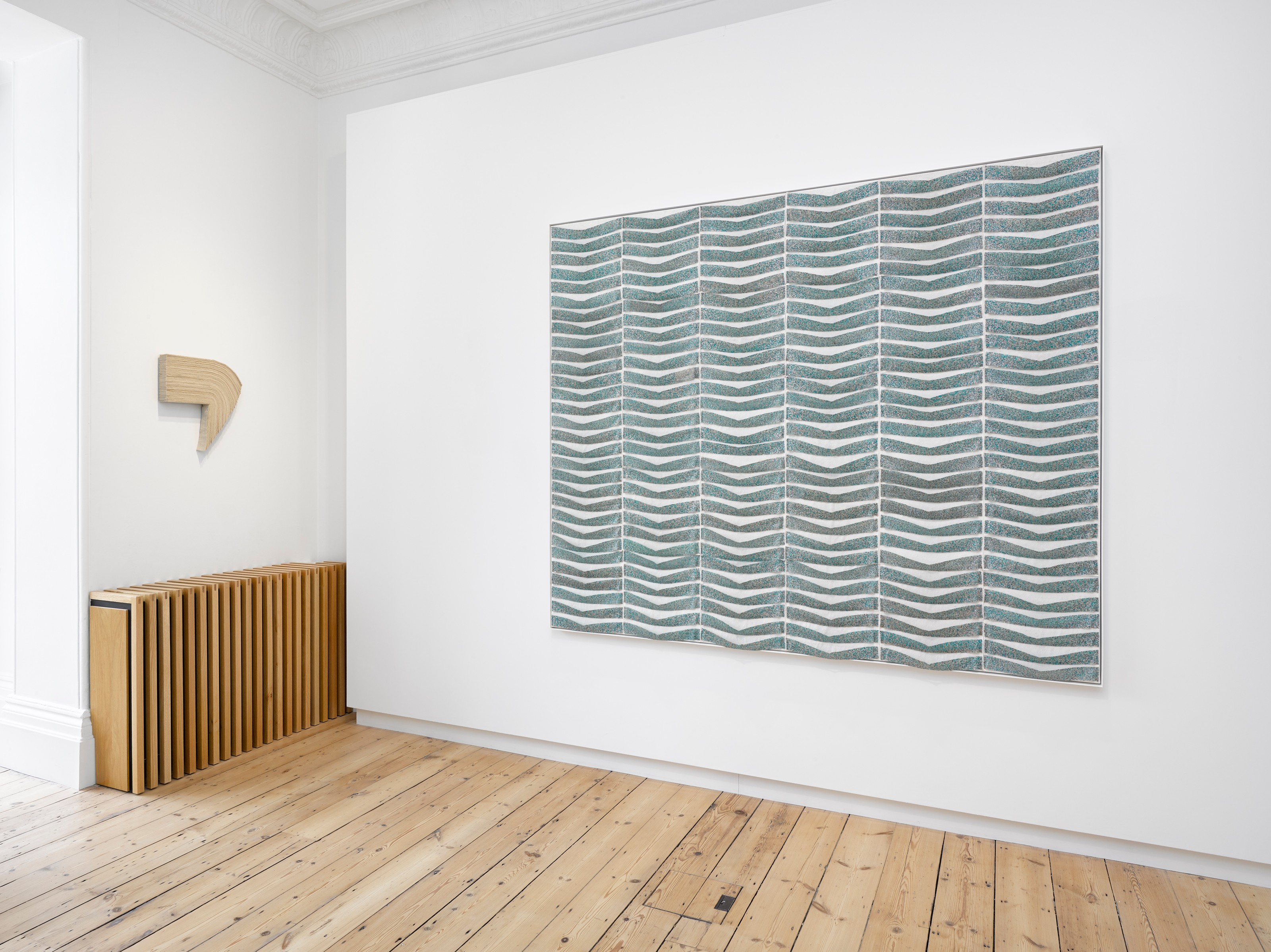
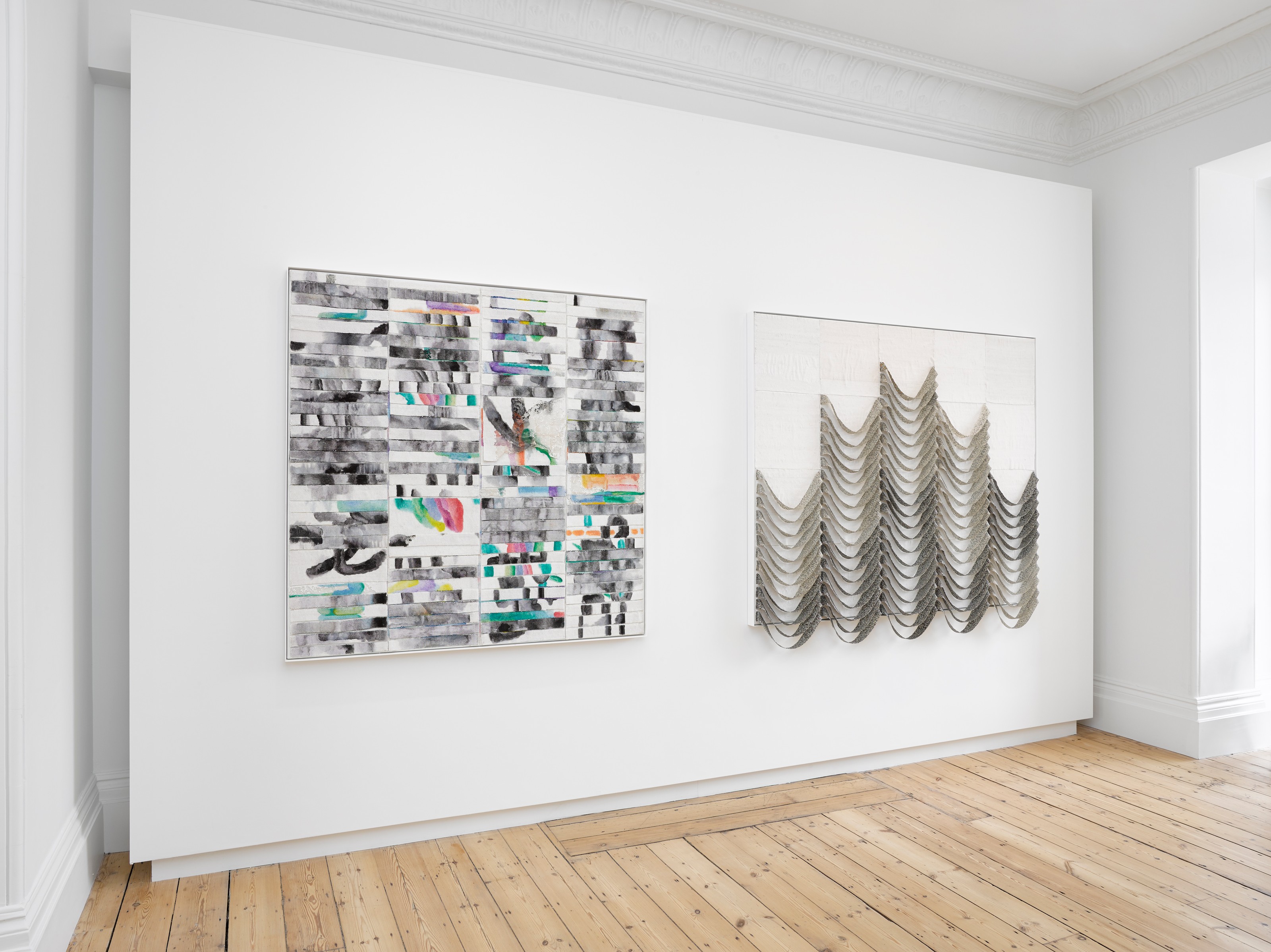
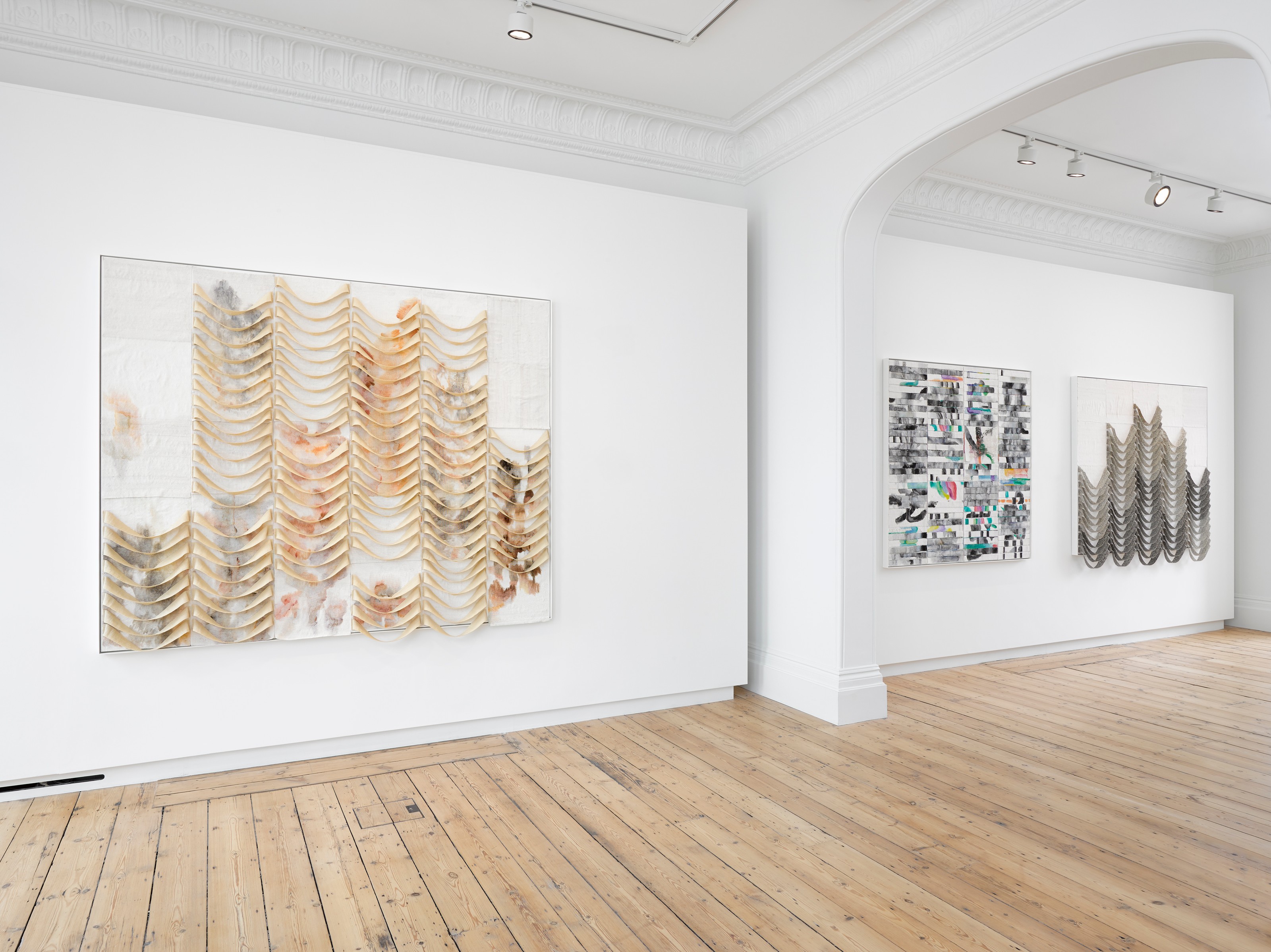
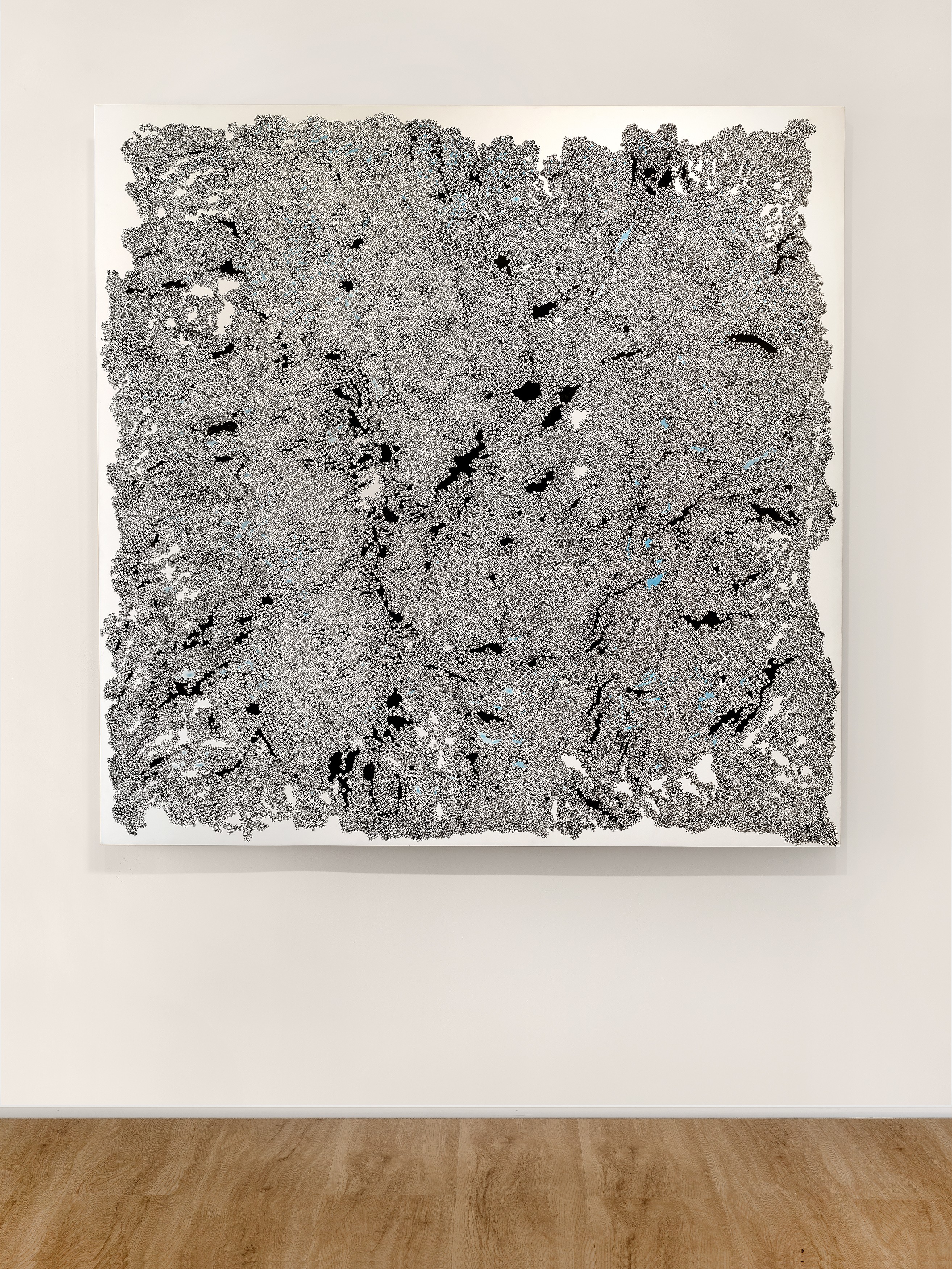
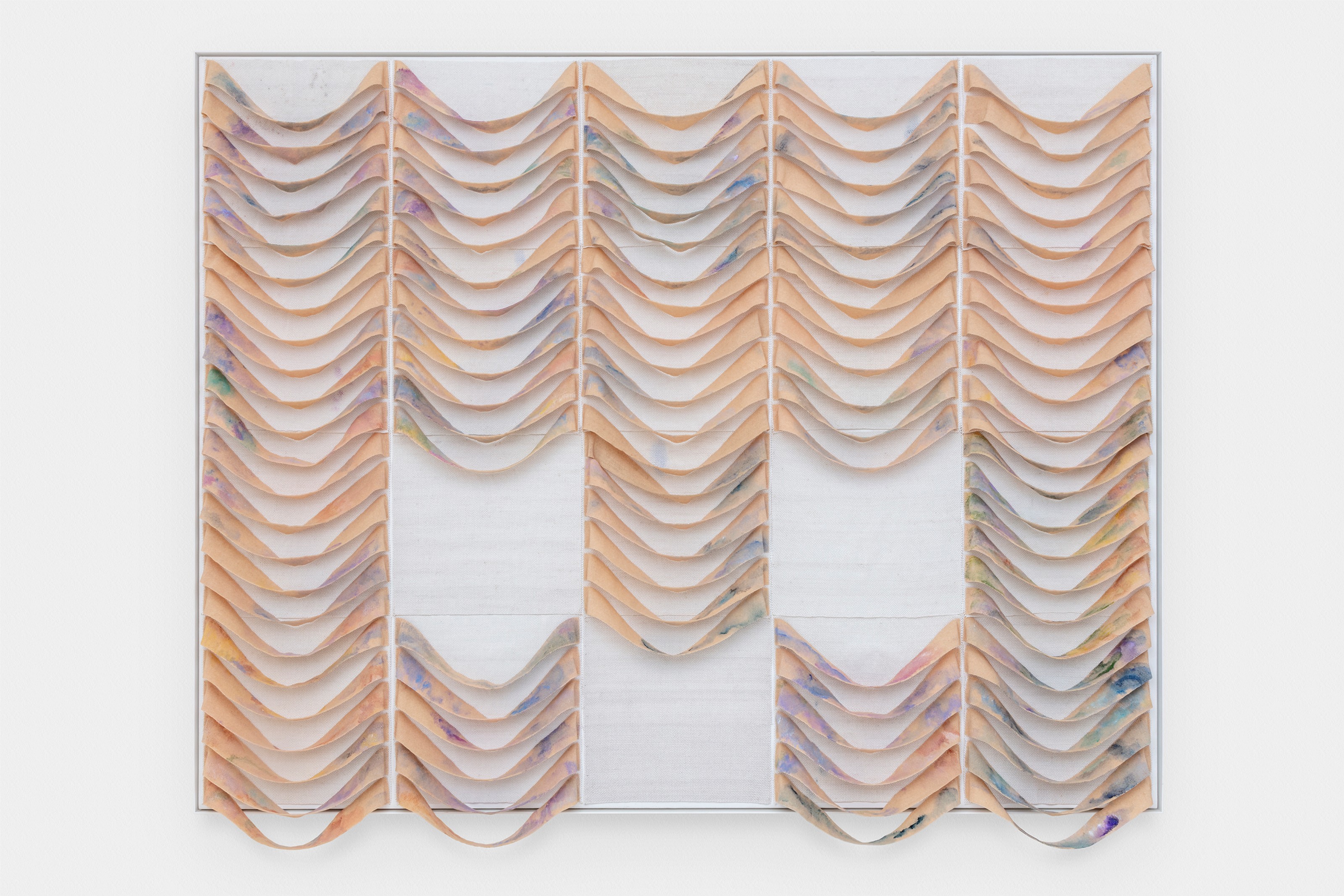
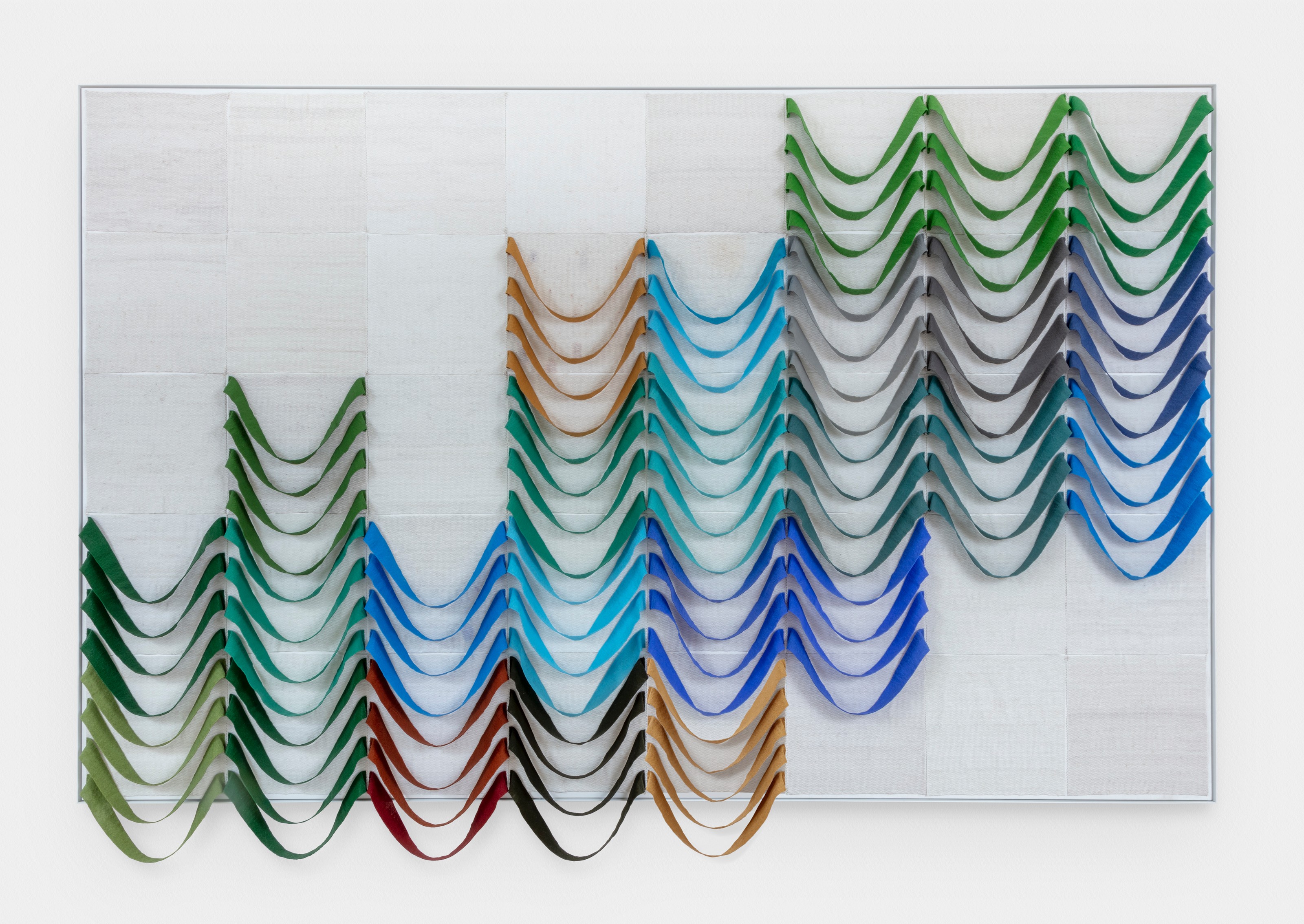
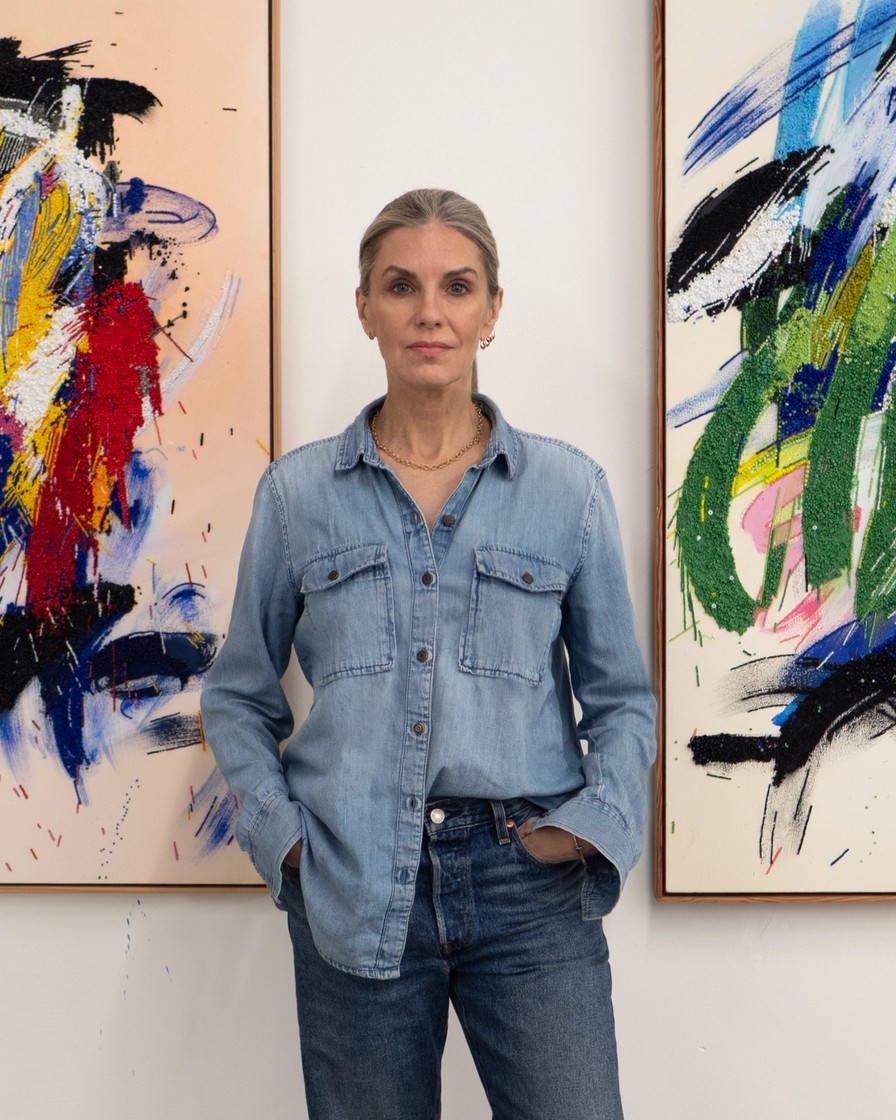
Lehmann Maupin London will present Desire Lines, an exhibition of work by Los Angeles-based artist Liza Lou. The artist’s fifth exhibition with the gallery will feature 10 works that poetically illustrate Lou’s engagement with the natural environment, abstraction, and her own oeuvre spanning 30 years. From the very beginning of her career in the early 1990s to today, Lou has established a rigorous exploration of materiality and beauty in a labor-intensive practice that melds elements of both fine art and craft. Kitchen (1991–1996), Lou’s first major work, shown at the Victoria and Albert Museum in an exhibition organized by the Serpentine in 2001 and currently on view as part of the Whitney Museum of American Art's Making Knowing: Craft in Art exhibition, is a pioneering sculpture made entirely of glass beads and represents five years of individual labor, placing Lou at the forefront of contemporary artists engaged with materiality and craft. This exhibition showcases new work made during the past year alongside earlier works that exemplify her transformative use of material and inform the work she is making today.
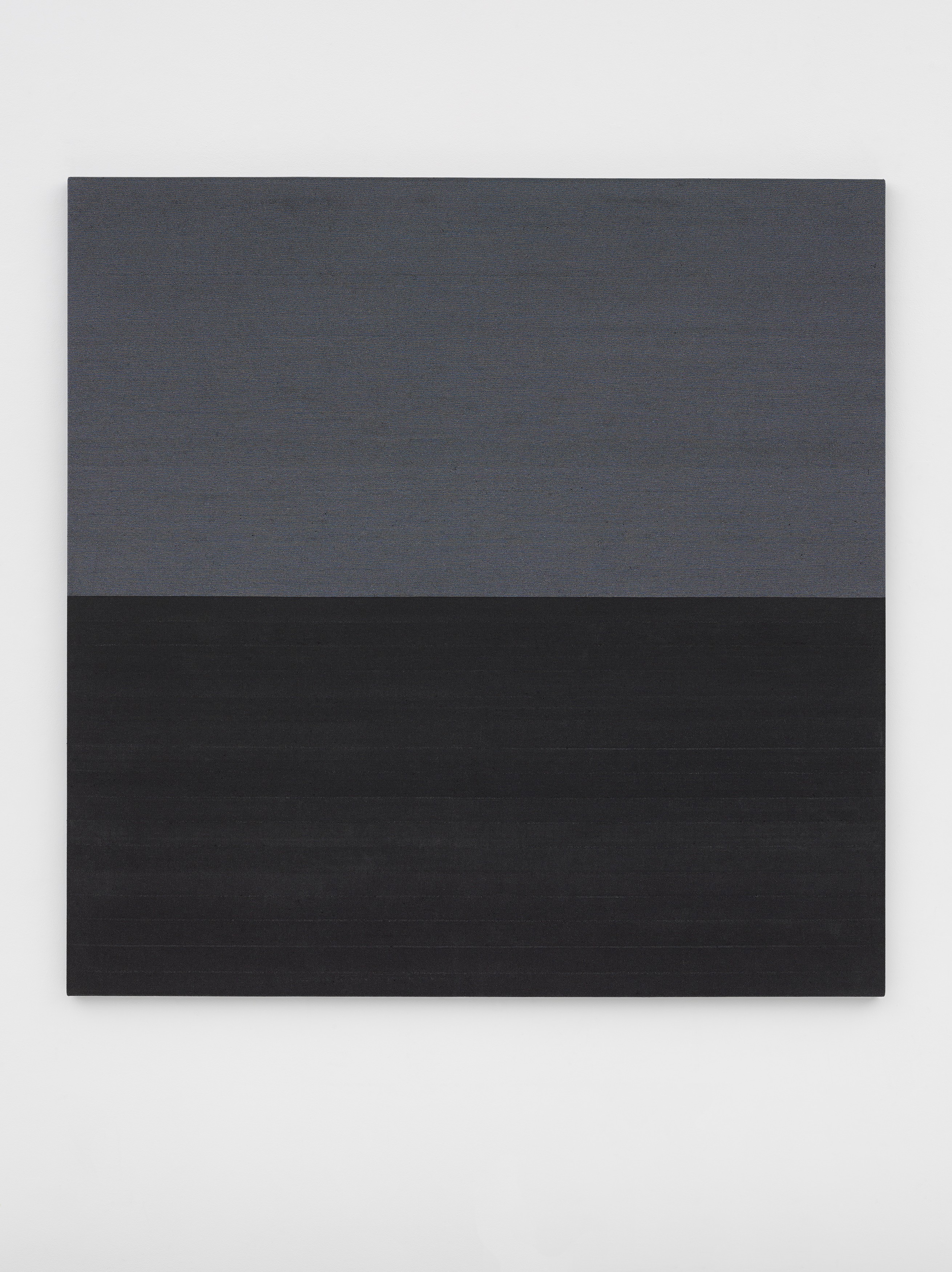
Desire Lines—the title of the exhibition—is a term commonly used in landscape architecture planning to name the egress that occurs naturally as people (or animals) move instinctually through an environment, creating unplanned paths. Lou has engaged this concept since 2010, beginning with her Solid | Divide series made in KwaZulu-Natal, South Africa, where the artist maintained a studio from 2005–2020. Carbon Gunmetal | Divide (2012) is a bichromatic composition that evokes the horizon line of the Indian Ocean. This bead-woven canvas is marked by varied horizontal streaks, the result of natural oils transferred from the hand of the artist and her assistants through constant holding, touching, measuring, and sewing. Over time, the threads that comprise the warp and weft of the work alter the perceived color of the glass beads and create spontaneous veins and variations—conceptual and material “desire lines.” For Lou, these pigmented paths created through process become part subject and part medium of her closely woven paintings and installations.