跳到主要内容

Multiple Artists

The 36th Bienal de São Paulo

São Paulo

2025年9月6日–2026年1月11日

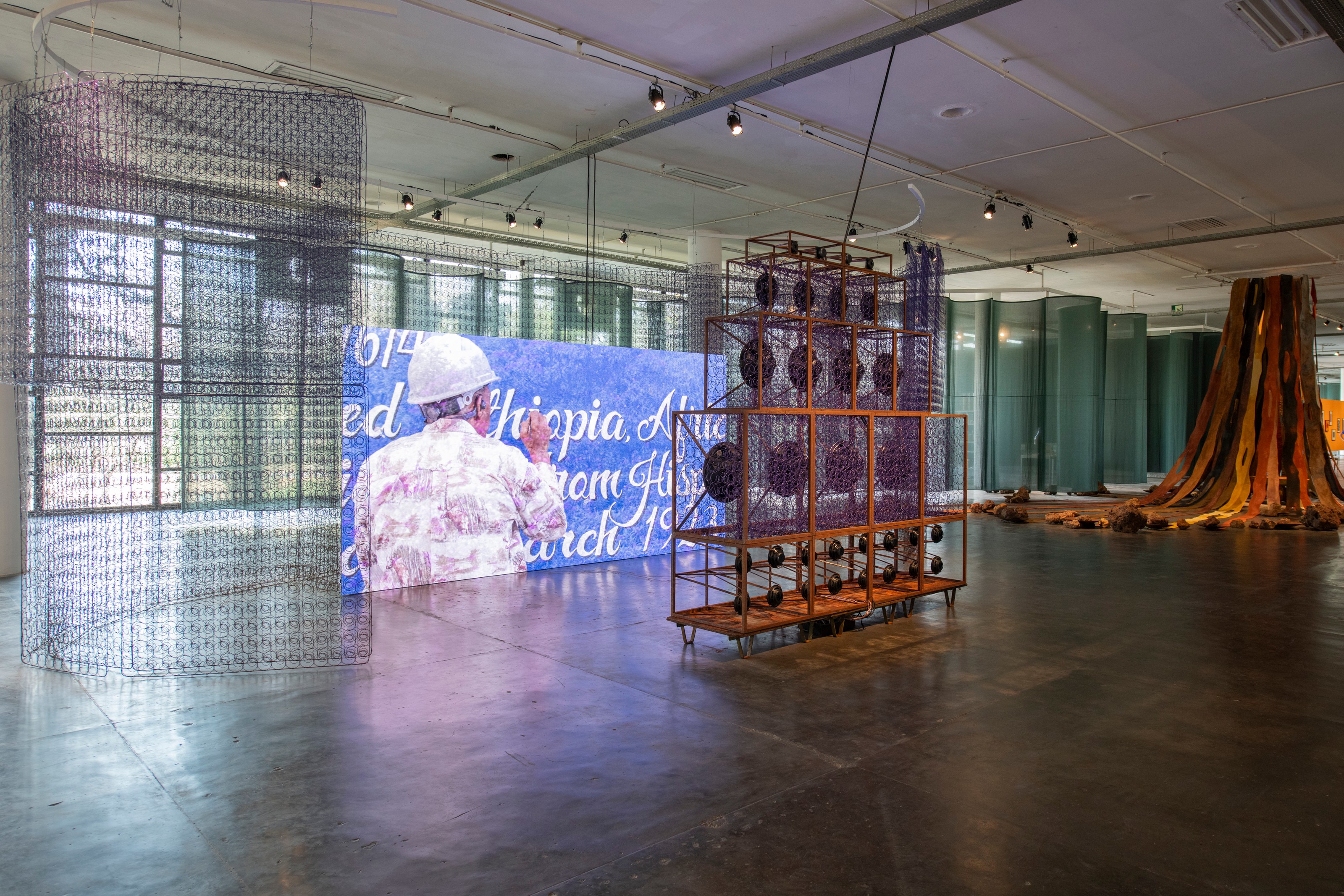
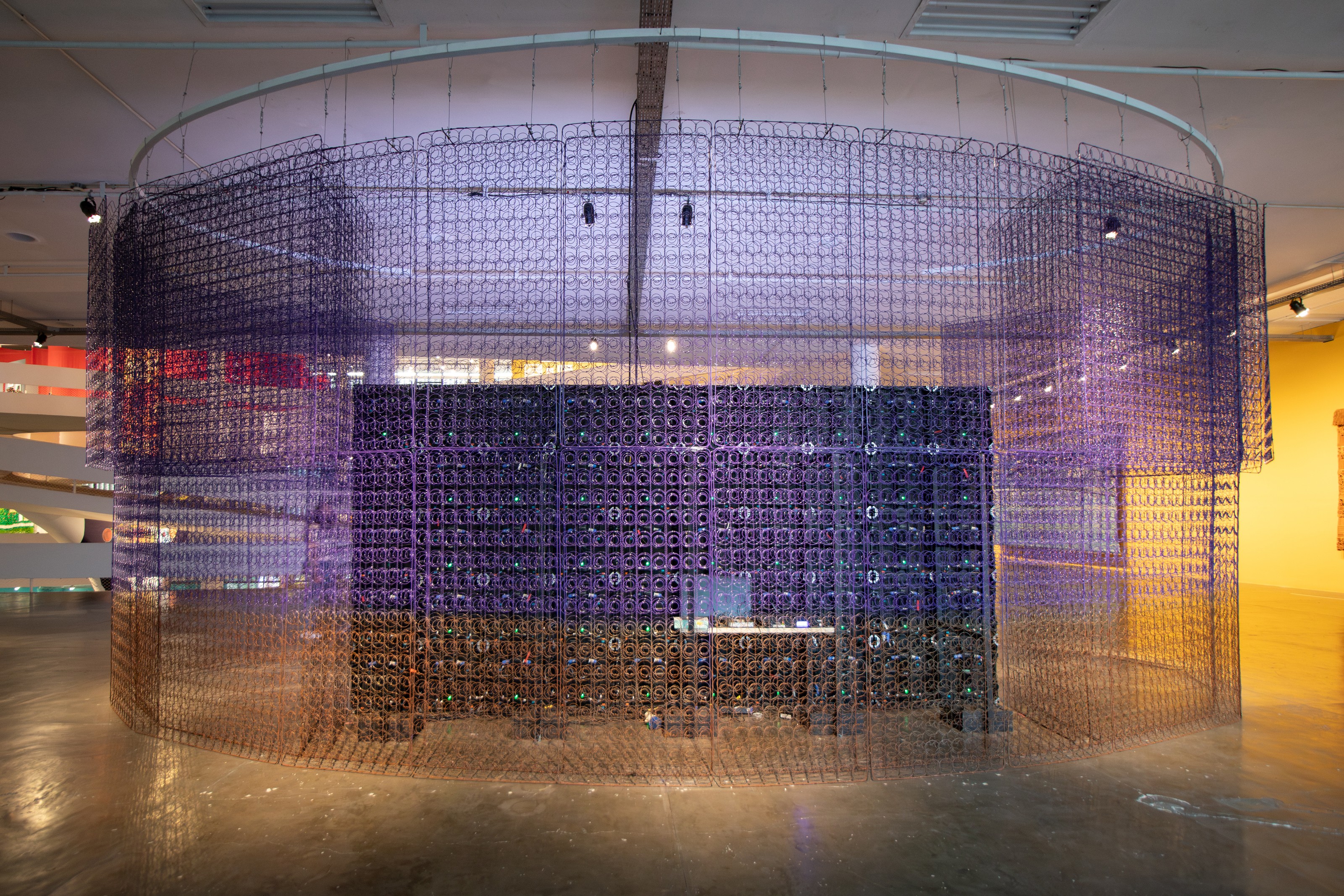
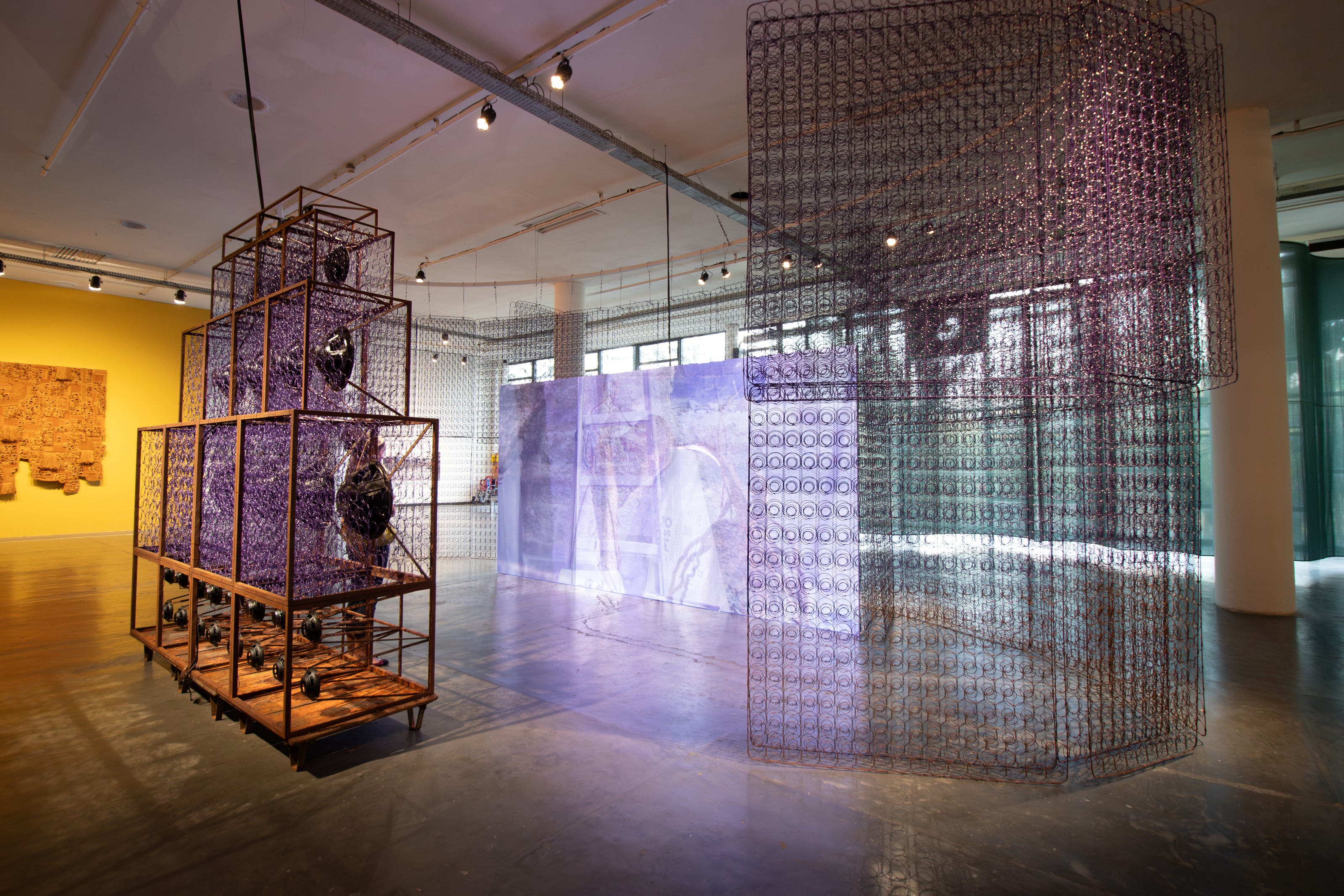
Nari Ward: Spring Seed Installation

São Paulo

The 36th Bienal de São Paulo – Not All Travellers Walk Roads–Of Humanity as Practice opens on September 6, with free admission until January 11, 2026. With the opening of the exhibition, the Bienal also launches its public program, the Conjugations: a series of debates, gatherings, performances, and activations, some of which are developed in collaboration with cultural institutions from various parts of the world and presented at the Bienal Pavilion throughout the exhibition’s four-month run.

The initiative seeks to explore how these institutions, grounded in different geographies, conjugate the notion of humanity through their everyday practices. Each organization invited curates a meeting in São Paulo involving thinkers, artists, performers, and diverse audiences, activating global connections with the local context.

Kader Attia: La Valise Oubliée
Installation Views: 1/3

Kader Attia: Curatorial Statement

Kader Attia is a French-Algerian multidisciplinary artist whose research-based approach has been instrumental for decolonial strategies – to backlash colonial history and museums. His interest and subjects found a turning point since he focused on creating tools for repair and care, either of objects, bodies, representations, and memories.

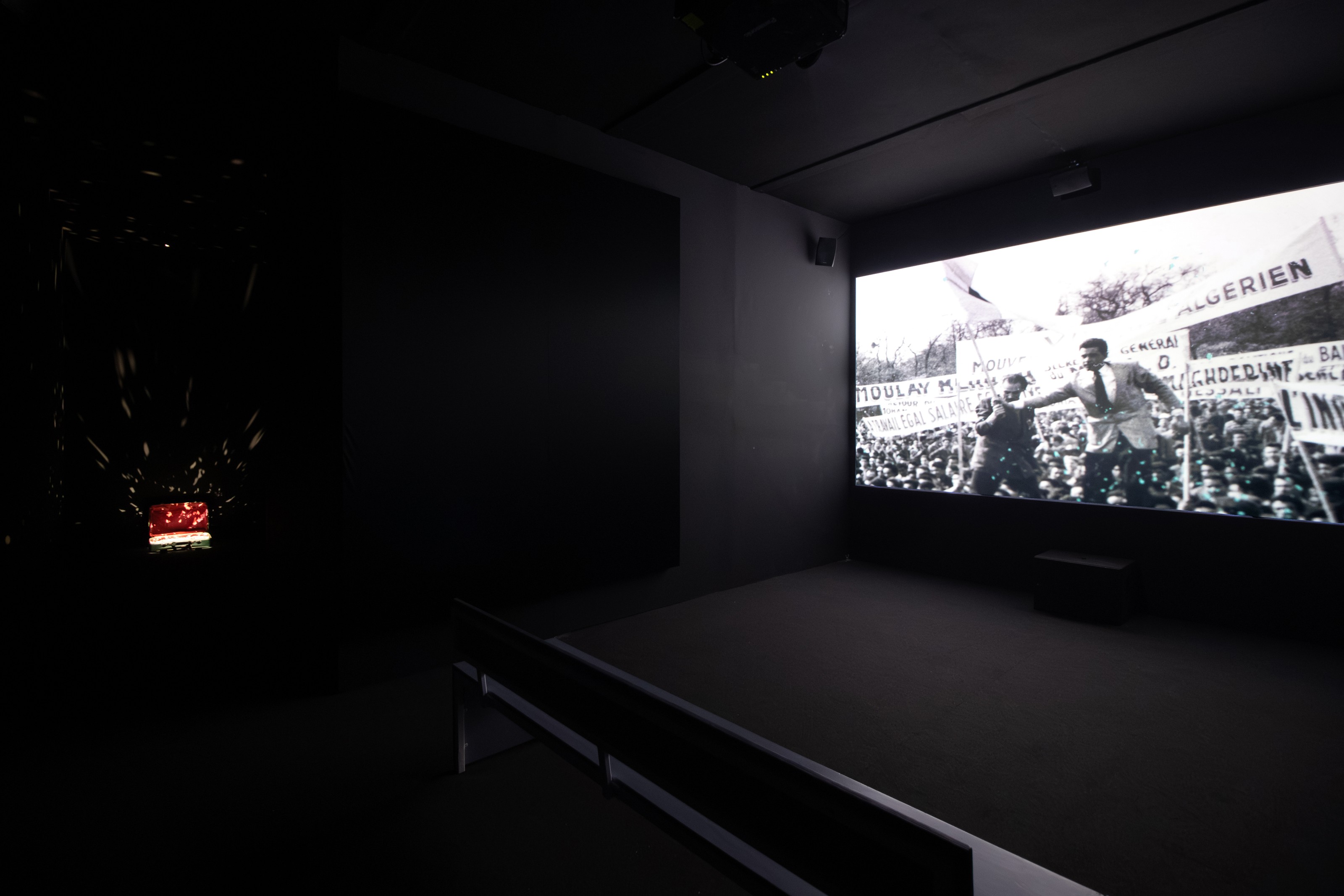
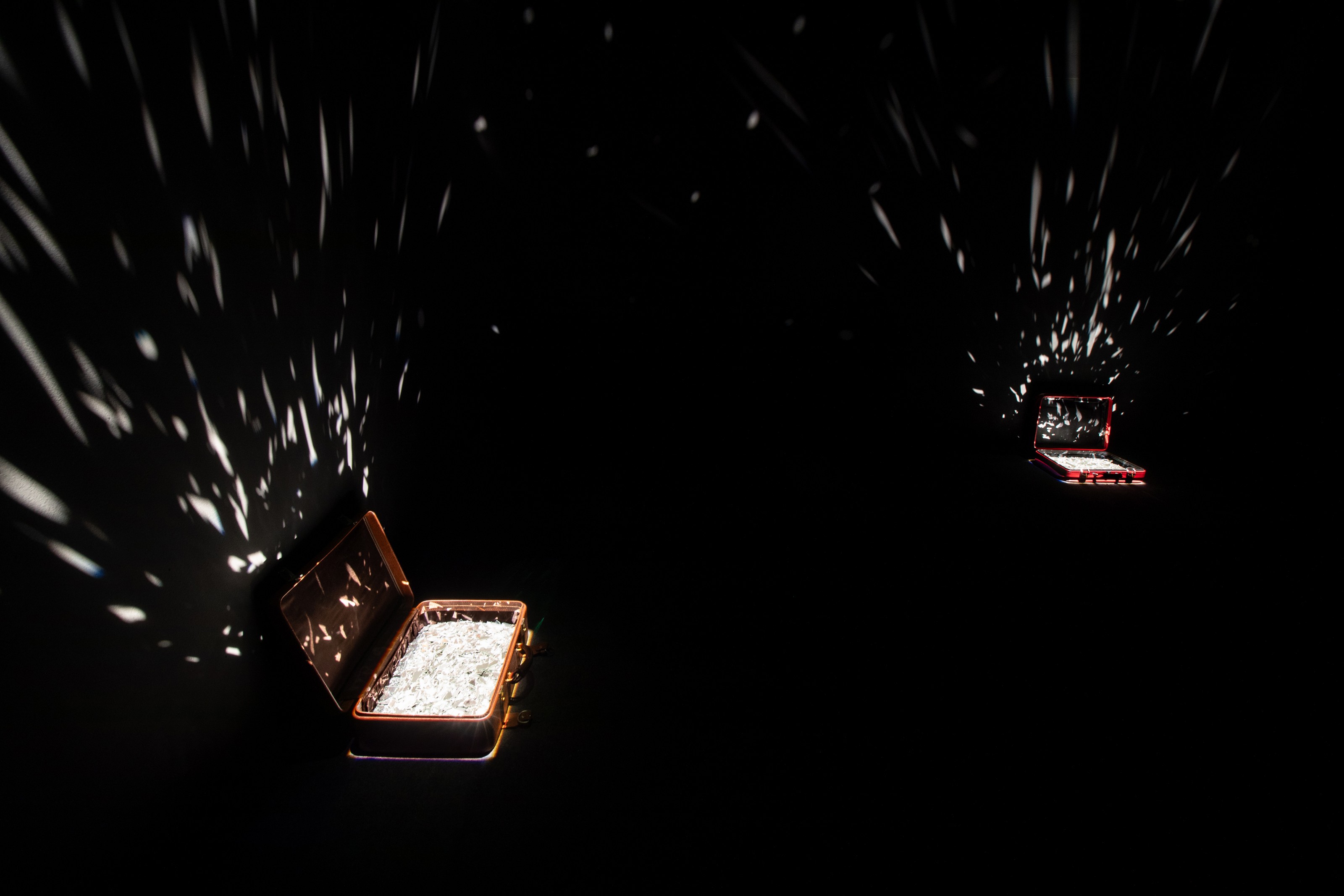
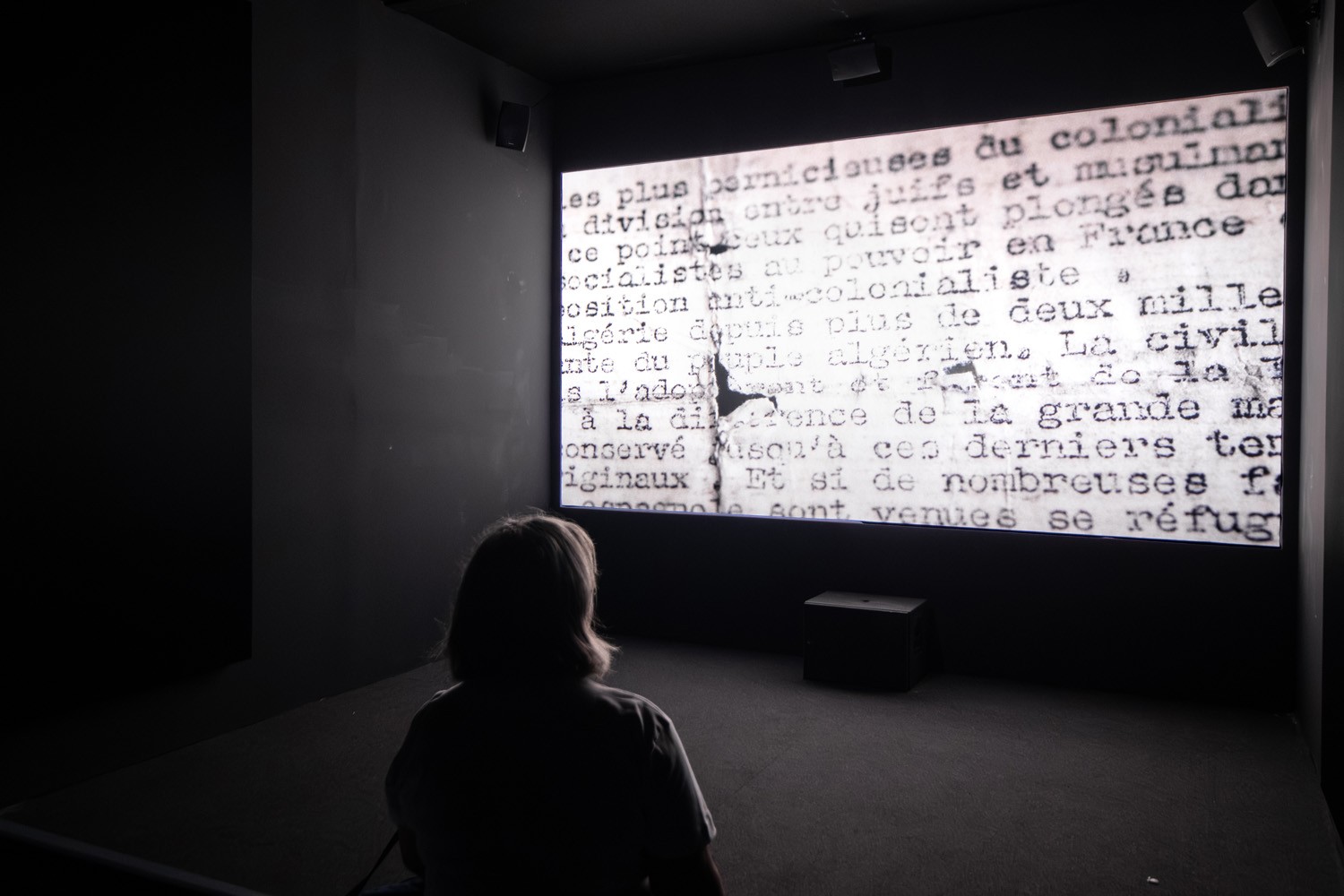
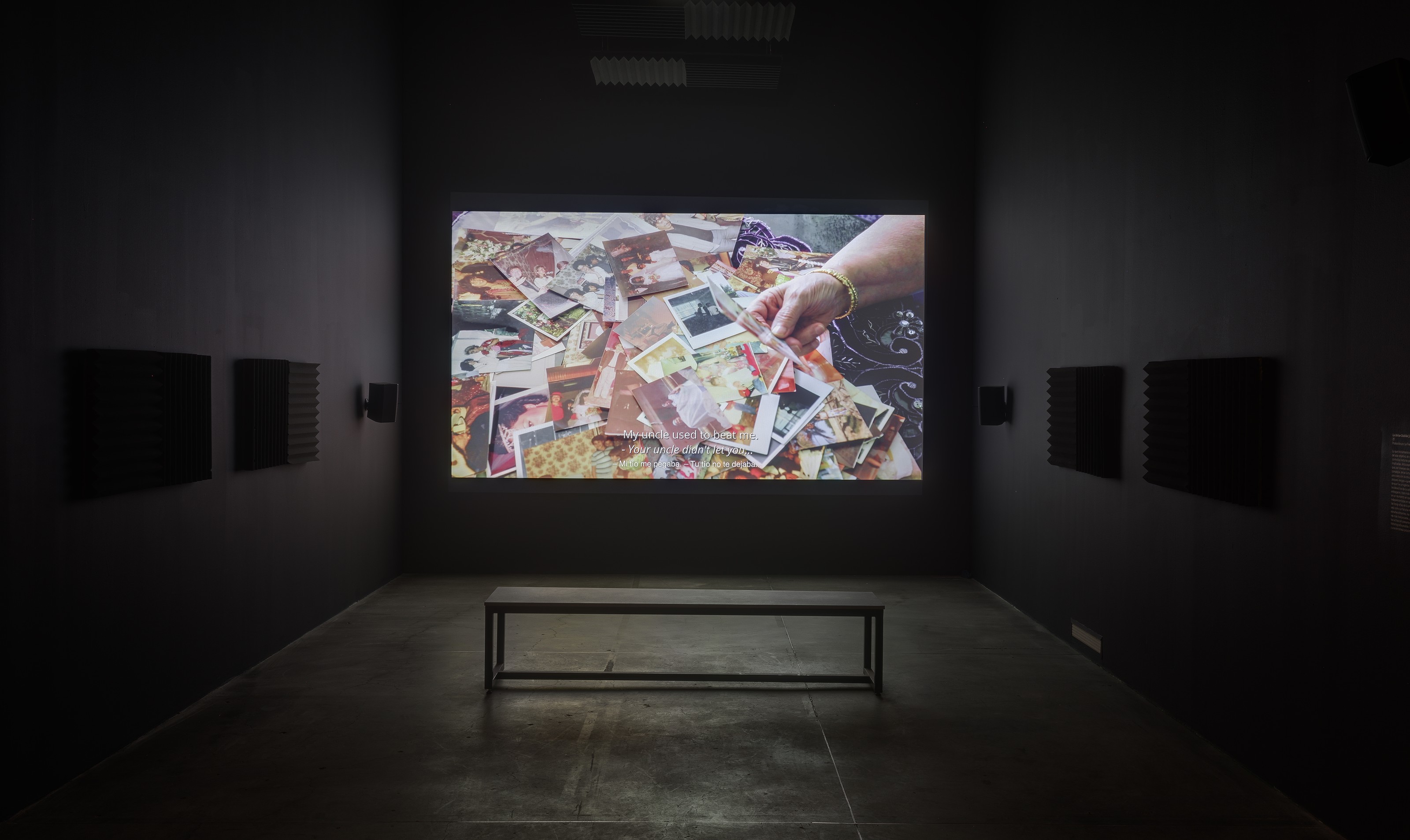
La Valise oubliée [The Forgotten Suitcase] (2024) interweaves individual and collective histories of the Algerian War (1954-1962), during which hundreds of thousands of Algerians were killed. This recent video work by Kader Attia takes the suitcase as a dynamic metaphor of both the past unveiled and the future to be edited (playing with the potentialities of an unfinished narrative). Attia unpacks three suitcases, three individual stories that interweave threads of our collective history: those of French artist and Algerian sympathizer Jean-Jacques Lebel, feminist decolonial thinker Françoise Vergès, and Attia’s mother. The memorabilia removed from the luggage evokes intense, sometimes traumatic memories – from a secret letter by a member of the Algerian National Liberation Front (entrusted to Lebel) to a photo album belonging to the controversial lawyer Jacques Vergès (Françoise Vergès’s uncle), who defended Algerian militants during the war, to photographs of the artist’s mother. By juxtaposing different narrative levels and threads, Attia tells the story both of his family and of the countless nameless men and women who resisted and organized in the shadows against colonialism.

As often in Kader Attia’s work, the awakening of consciousness about the immensity of the destruction and loss under colonialism (either through ecology, architecture, or economy…) goes with a traumatic experience of counting, reenacting, and archiving the dead or the wound. Hence a general ghostly memory is efficiently enacted in his installations and video works; as exercises of exorcism.

Having grown up between France and Algeria, Kader Attia uses his own transcultural experience (including the neocolonial suburban lower class condition) as an introspective research eventually becoming a tool against neocolonial power structures. From The Repair of Occident to Extra-Occidental Cultures (2012), shown at dOCUMENTA (13), Kassel, to the recent Un descenso al paraiso [A Descent into Paradise] (2025), at MUAC, Mexico City, Kader Attia’s art of repair walks on the thin line between dis-membering and re-membering.
—Morad Montazami

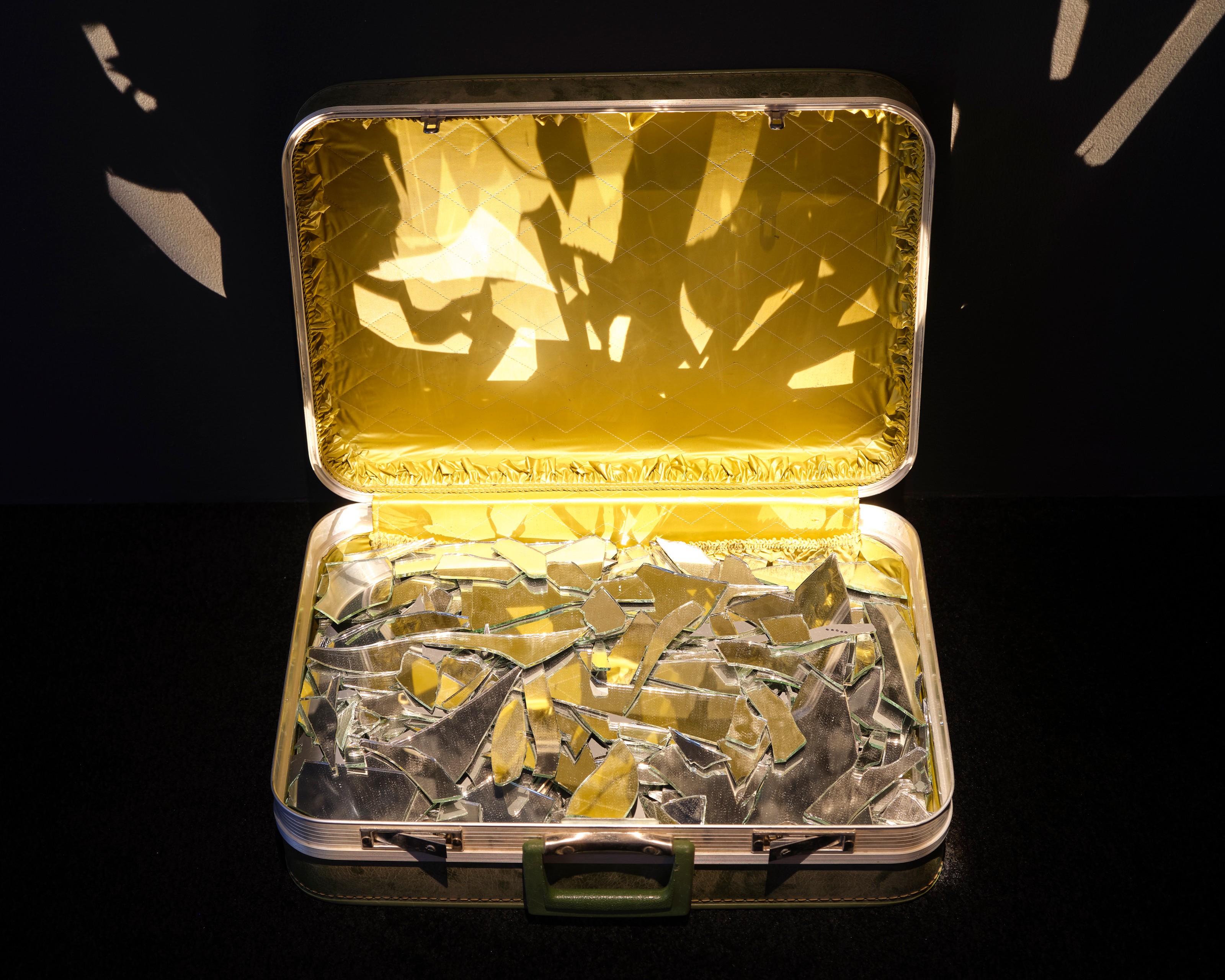
Sculpture by Kader Attia

卡德‧阿提亞

Untitled (Green Suitcase), 2025

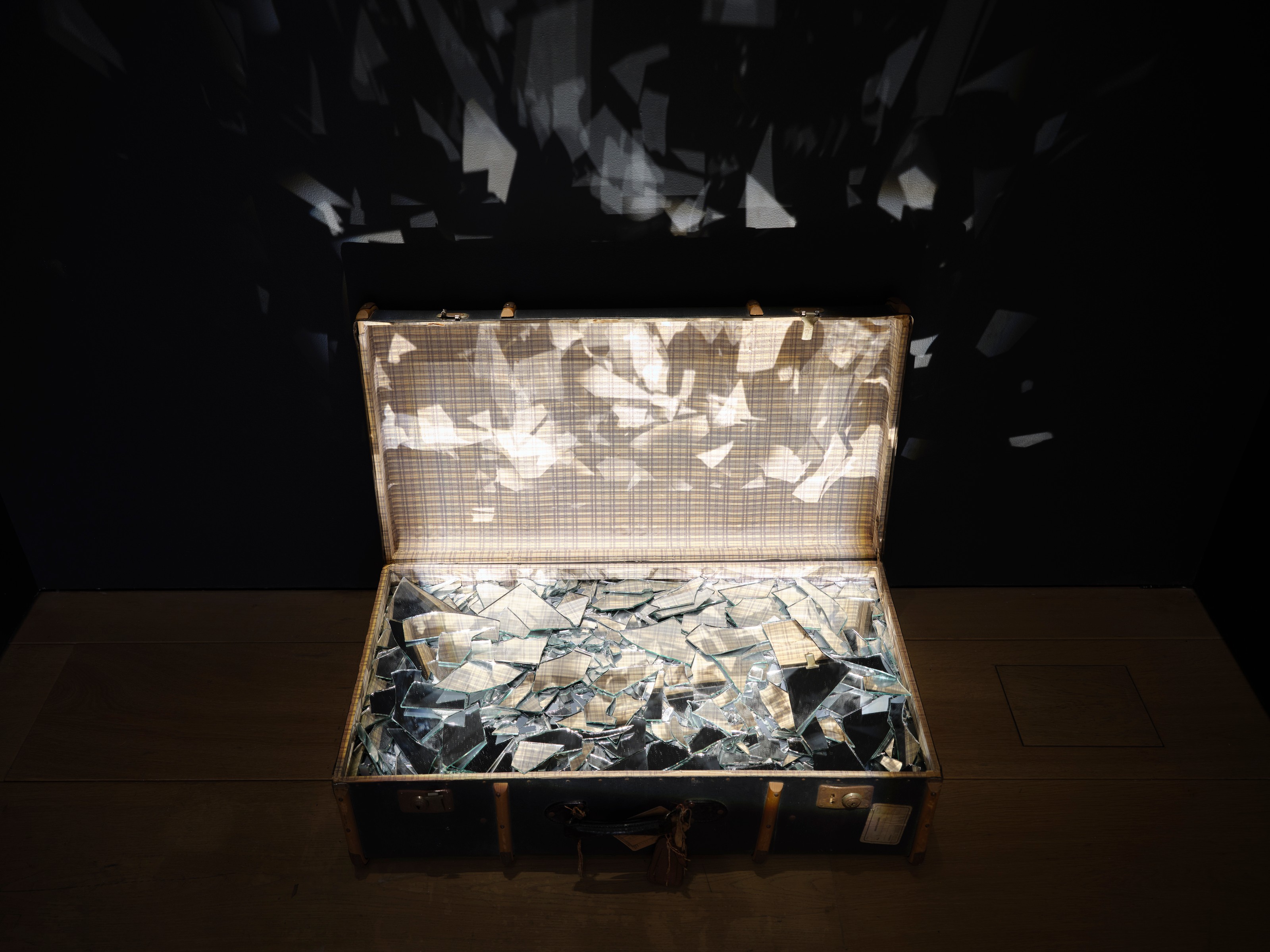
Sculpture by Kader Attia

卡德‧阿提亞

Untitled, 2025

Film by Kader Attia

卡德‧阿提亞

La Valise Oubliée, 2024

Nari Ward: Spring Seed
Installation Views: 1/4

Nari Ward: Curatorial Statement

Nari Ward gathers stories from objects and places, transforming them into powerful narratives. The materials he chooses – whether discarded strollers, shoelaces, worn firehoses, or cotton balls – carry layered histories and echoes of lived experiences. Like an archaeologist of the everyday, Ward excavates remnants of consumer culture, societal trauma, and diasporic stories, exposing tensions between memory and forgetting, identity and belonging. Through his multidisciplinary and inventive practice, he converts these abandoned relics into spaces of reflection and reclamation, bridging personal and collective memory, private and public stories, and addressing questions of social justice, power, and overlooked histories.

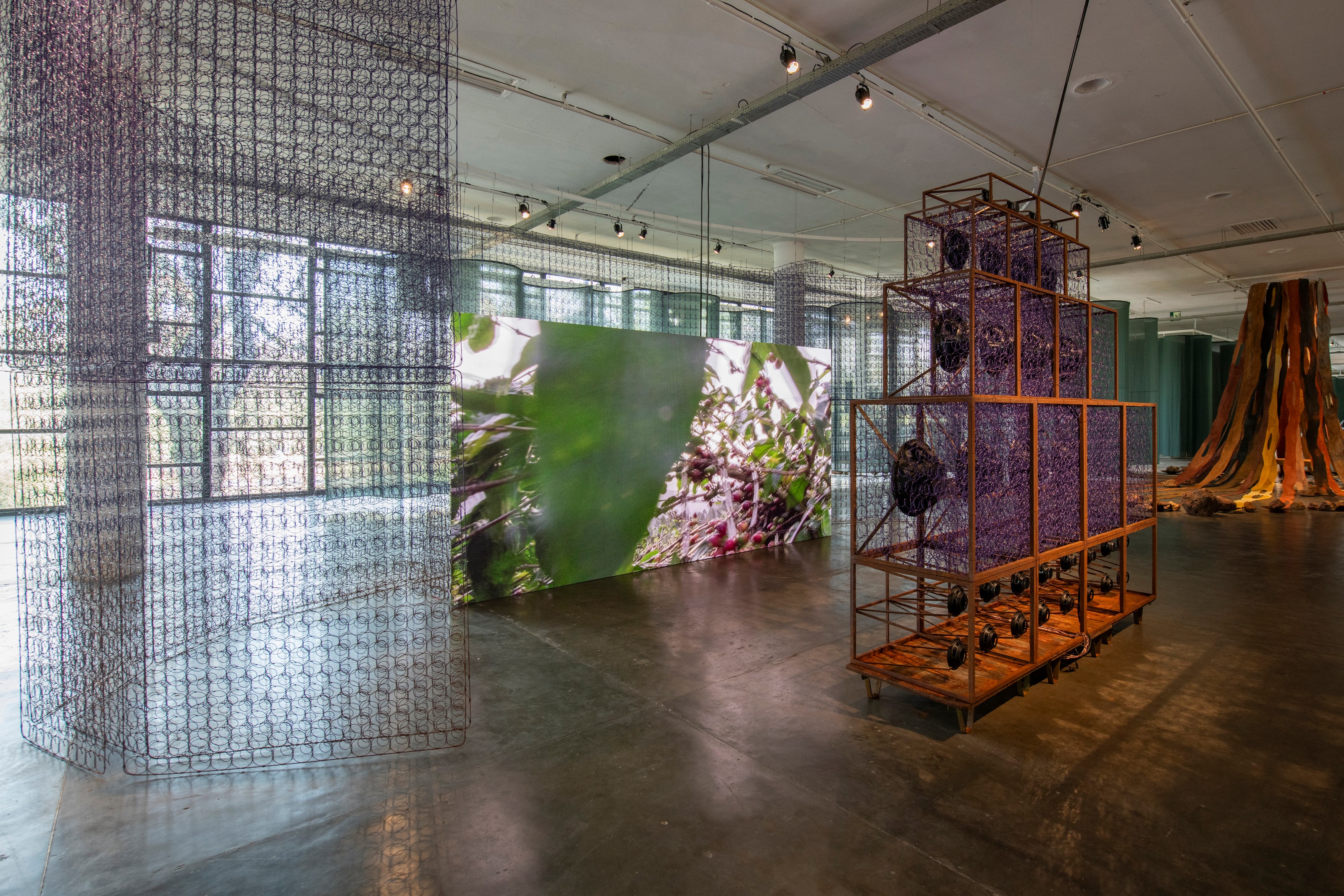
Spring Seed (2025), his new project for the 36th Bienal de São Paulo, traces the intangible cultural and commercial entanglements of Jamaica – where Ward was born and raised before migrating to New York at the age of twelve – Brazil, and Japan through the trajectory of coffee, a commodity deeply tied to labor economies, global consumerism, and colonial histories, yet equally associated with desire and leisure. At the center of the installation, an enclosed arena made of bedsprings houses a new video that interweaves footage from Ward’s trips to São Paulo’s Liberdade neighborhood (its Japanese-Brazilian community), Bahia, and Jamaica’s Blue Mountain coffee region. A symbol of luxury and exclusivity, Blue Mountain coffee is cultivated in small quantities, with most of its production exported to Japan, where it is prized for its rarity and refinement. Within this intimate space, which viewers need to enter, an altar-like speaker system, draped in ironed cotton covers infused with Blue Mountain coffee grinds, functions as both a sculptural and multi-sensorial element, layering sound recordings from São Paulo’s Chapel of Our Lady of Souls of the Afflicted – built on an ancestral Black and Indigenous gravesite. These sonic and visual textures resonate with Ward’s earlier works, such as the video Spellbound (2015), which explored Savannah, Georgia’s fraught histories of slavery, colonialism, resilience, and emancipation.

Through his charged assemblages, Ward not only reclaims discarded materials but also reimagines the potential they carry. Spring Seed extends this ongoing exploration into collectivity, mapping unseen flows and exchanges while complicating dominant narratives. By weaving together visual language, sound, and scent, and by employing moving images – a medium inherently capable of traversing time and space – Ward embraces a non-linear approach that activates the viewers’ imagination, revealing the energies and hidden forces that shape a sense of community and belonging. In doing so, he creates a space where memory resists erasure, and the past speaks powerfully to the present – just as a seed springs to life.
—Roberta Tenconi

Exhibition Artists

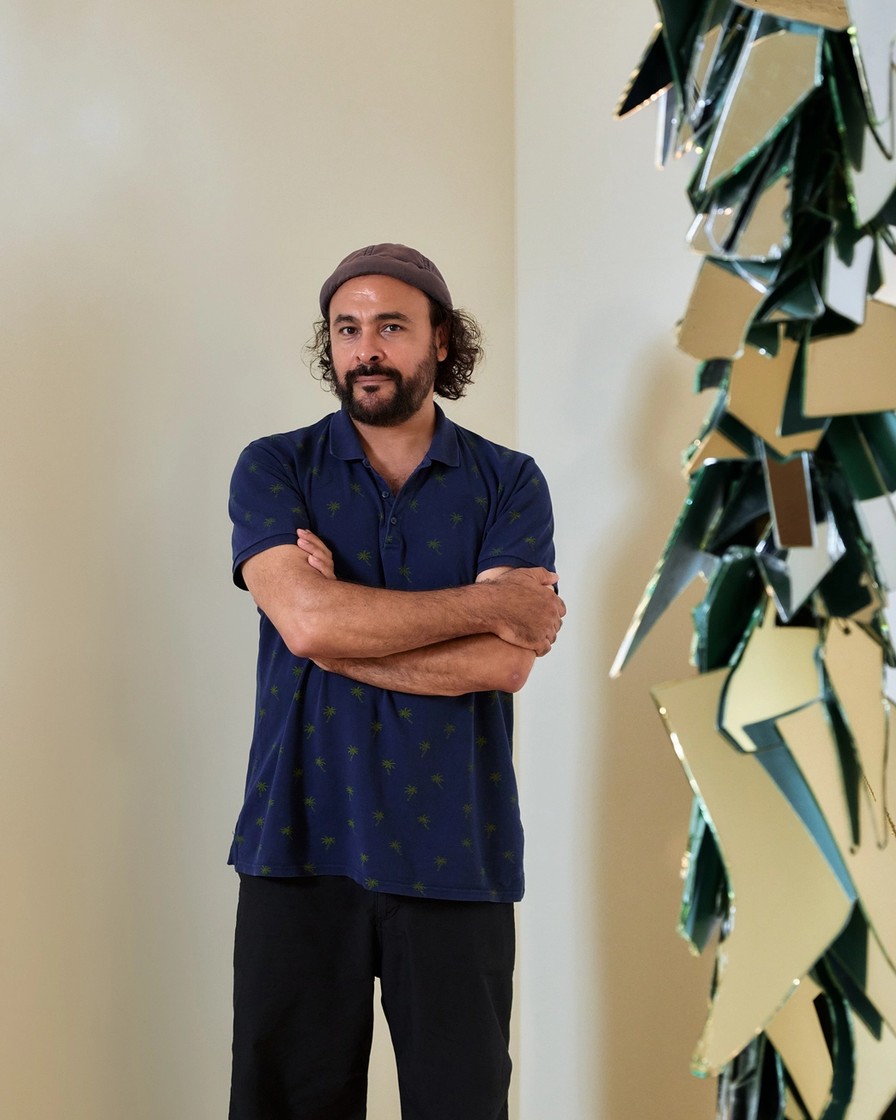
Portrait of Kader Attia

卡德·阿提亞(1970年生於法國;目前於德國柏林定居及從事藝術創作)的童年在巴黎郊區以及阿爾及利亞度過,而這段跨文化的經歷則成為了他往後充滿活力的藝術創作的一個根基與起點。阿提亞善於在作品裏反思不同文化的美學與價值觀。他以一種詩意、有象征意味的藝術語言探索西方文化霸權與殖民侵略對非西方文化國家的影響與後果。阿提亞在探討殖民時代歷史的同時,也試圖在當今全球化的背景下重新思索我們在殖民時代的政治身份。

阿提亞分別在1993年、1994年和1998年於法國巴黎國立應用藝術學院、西班牙巴塞羅那的馬薩納藝術與設計學院及法國巴黎國立高等裝飾藝術學院獲得學位。他曾在眾多美術館及博物館舉行個人展覽,包括卡塔爾多哈馬塔夫:阿拉伯現代藝術博物館(2021年)、荷蘭烏得勒支BAK—當代藝術(2021年)、瑞士蘇黎世美術館(2020年)、巴西聖保羅龐貝亞(2020年)、美國柏克萊藝術博物館及太平洋電影資料館(BAMPFA)(2019年)、英國倫敦海沃德畫廊(2019年)、法國巴黎法國馬恩河谷省當代藝術博物館(2018年)、西班牙巴塞羅納米羅基金會美術館(2018年)、加拿大多倫多「發電廠」博物館(2018年)、美國新罕布什爾州胡德藝術博物館(2018年)、法國巴黎東京宮(2018年)、澳大利亞悉尼澳大利亞當代藝術博館(2017年)、德國科布倫茨路德維希博物館(2017年)、美國華盛頓大學米爾德里德·萊恩·肯珀藝術博物館(2017年)、比利時根特當代藝術博物館(S.M.A.K.)(2017年)、法國巴黎龐畢度中心(2016年)、德國法蘭克福現代藝術博物館(2016年)、瑞士洛桑州立美術館(2015年)、德國柏林KW當代藝術研究院(2013年)、英國倫敦白教堂畫廊(2013年)、法國巴黎現代藝術博物館(2012年)、美國波士頓當代美術研究所(2007年)及法國裏昂現代藝術博物館(2006年)。他亦曾參與多個群體展覽,包括德國柏林格羅皮烏斯·鮑的「YOYI! Care, Repair, Heal」(2022年)、韓國首爾三星美術館的「Human, 7 Questions」(2021年)、西班牙畢爾巴鄂畢爾包古根漢美術館的「The Roaring Twenties」(2021年)、法國巴黎國家凱布朗利博物館的「Africa Reborn」(2021年)、瑞士蘇黎世美術館的「Smoke and Mirrors: The Roaring Twenties」(2020年)、德國柏林格羅皮烏斯·鮑的「Down to Earth」(2020年)、法國巴黎龐畢度中心的「Global(e) Resistance」(2020年)、丹麥奧爾胡斯ARoS奧胡斯藝術博物館的「Mythologies - The Beginning and End of Civilizations」(2020年)、法國巴黎東京宮的「Our World is Burning」(2020年)、阿聯酋杜拜Jameel藝術中心的「Phantom Limb」(2019年)、波士頓當代藝術中心的「When Home Won’t Let You Stay: Migration Through Contemporary Art,」(2019年)、美國華盛頓菲利普美術館的「The Warmth of Other Suns: Stories of Global Displacements」(2019年)、中國上海第十二屆上海雙年展(2018年)、德國慕尼黑現代藝術陳列館(2017年)、維也納立奧波德博物館的「Foreign Gods: Fascination Africa and Oceania」(2016年)、紐約所羅門·R·古根海姆博物館的「But a Storm Is Blowing from Paradise: Contemporary Art of the Middle East and North Africa」(2016年)、德國漢堡堤壩之門美術館的「Picasso in Contemporary Art」(2015年)、巡回美國華盛頓特區史密森尼美國藝術博物館、美國薩凡納藝術設計學院藝術博物館和德國法蘭克福現代藝術博物館的「The Divine Comedy: Heaven, Purgatory, and Hell Revisited」(2014 - 2015年)、紐約新美術館的「Here and Elsewhere」(2014年)、紐約現代藝術博物館的「Performing Histories」(2012年)和英國倫敦泰特現代美術館的「Contested Terrains」(2011年)。
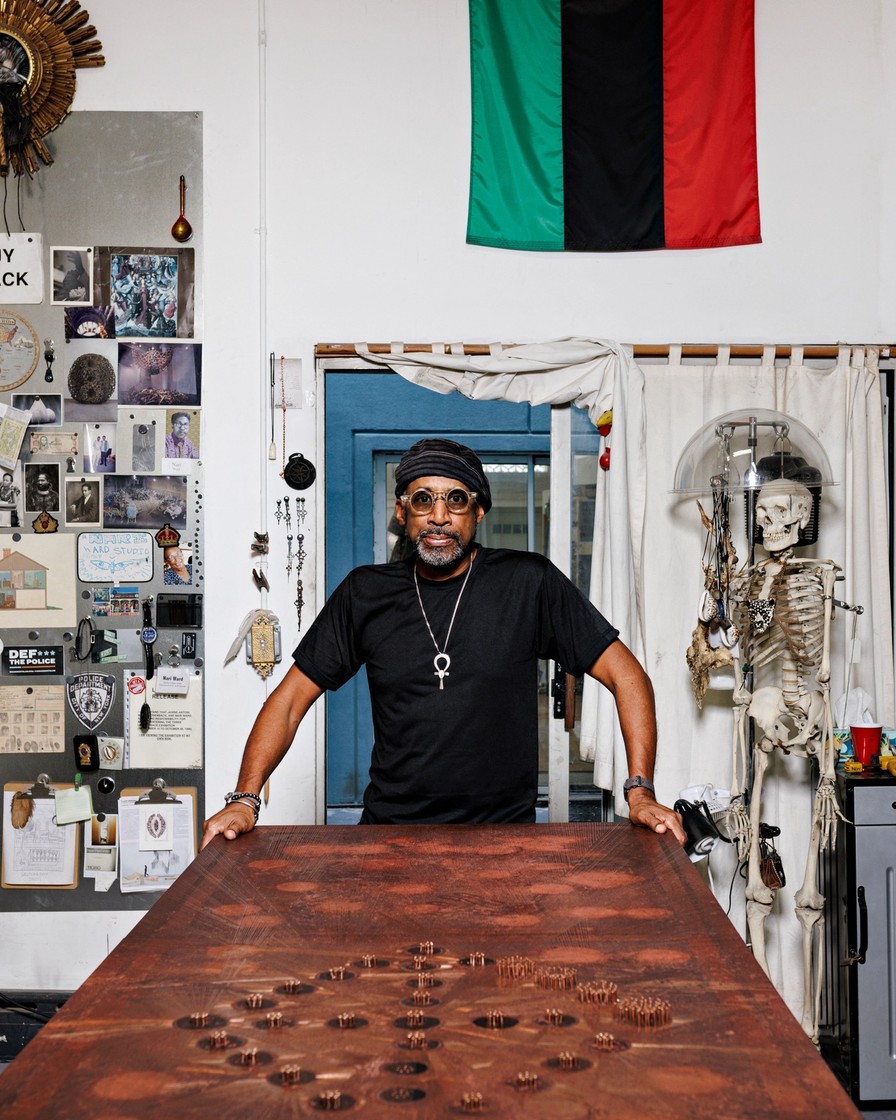
Portrait of Nari Ward

納利·華德 (1963 年生於牙買加聖安德魯,現居於紐約)利用他從城市收集得來的物料創作戲劇性的雕塑式裝置藝術。他重新利用物件如嬰兒車、購物車、水瓶、門、電視套裝、收銀機、鞋帶等。華德重新塑造這些從城市收集回來的物件引導觀眾思考,並帶出複雜和隱喻的意義—審視周圍環境的種族、貧窮和消費文化所產生的問題。他偏向由觀眾對其作品提出個人的闡釋,為作品留下開放性的意義。

華德的最代表性的作品是「Amazing Grace」,制作於1993年時他駐場在美國紐約哈林區畫室博物館,作品回應早期九十年代愛滋病和毒品流行的問題。華德以365個遺棄的嬰兒車制作這個大型裝置—嬰兒車經常被美國紐約哈林區露宿者去運送他們的物質—華德用哈林區廢棄消防局中撿到的消防喉綁起嬰兒車。華德設置福音歌手瑪哈莉雅傑克森《奇異恩典》的錄音重覆播放,環繞在展場之中。歌詞講述救贖和變化,帶出樂觀和希望。與他的大部分作品一樣,這個裝置探索主題都有關於他工作地區的物料和社區環境。這年展於2013年曾被美國新當代藝術博物館Studio 231藝術空間和多個歐州地方重新制造。隨著每一個裝置內容上的轉變,作品的重要性都因每個城區的社群不同地與作品聯系而改變。