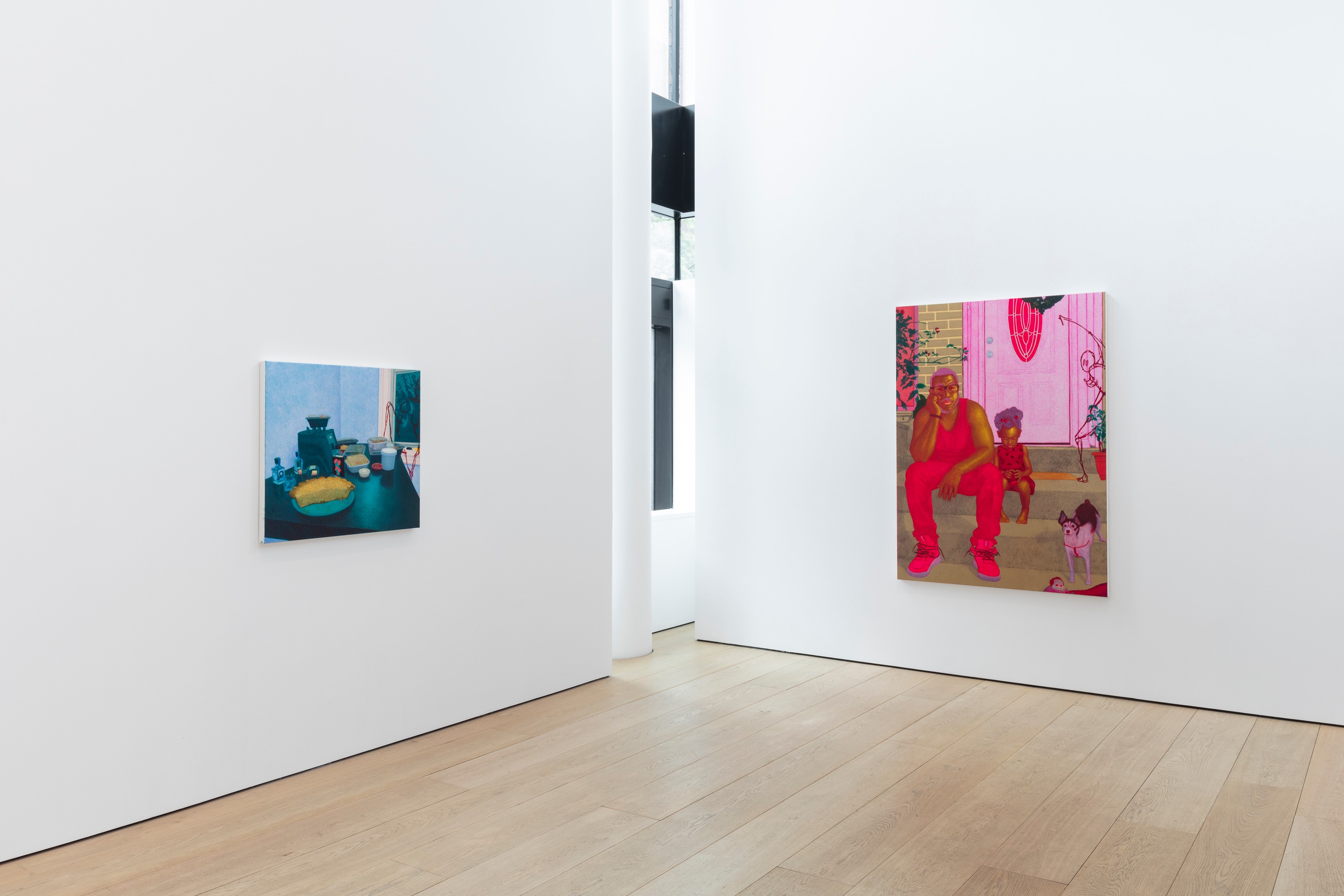
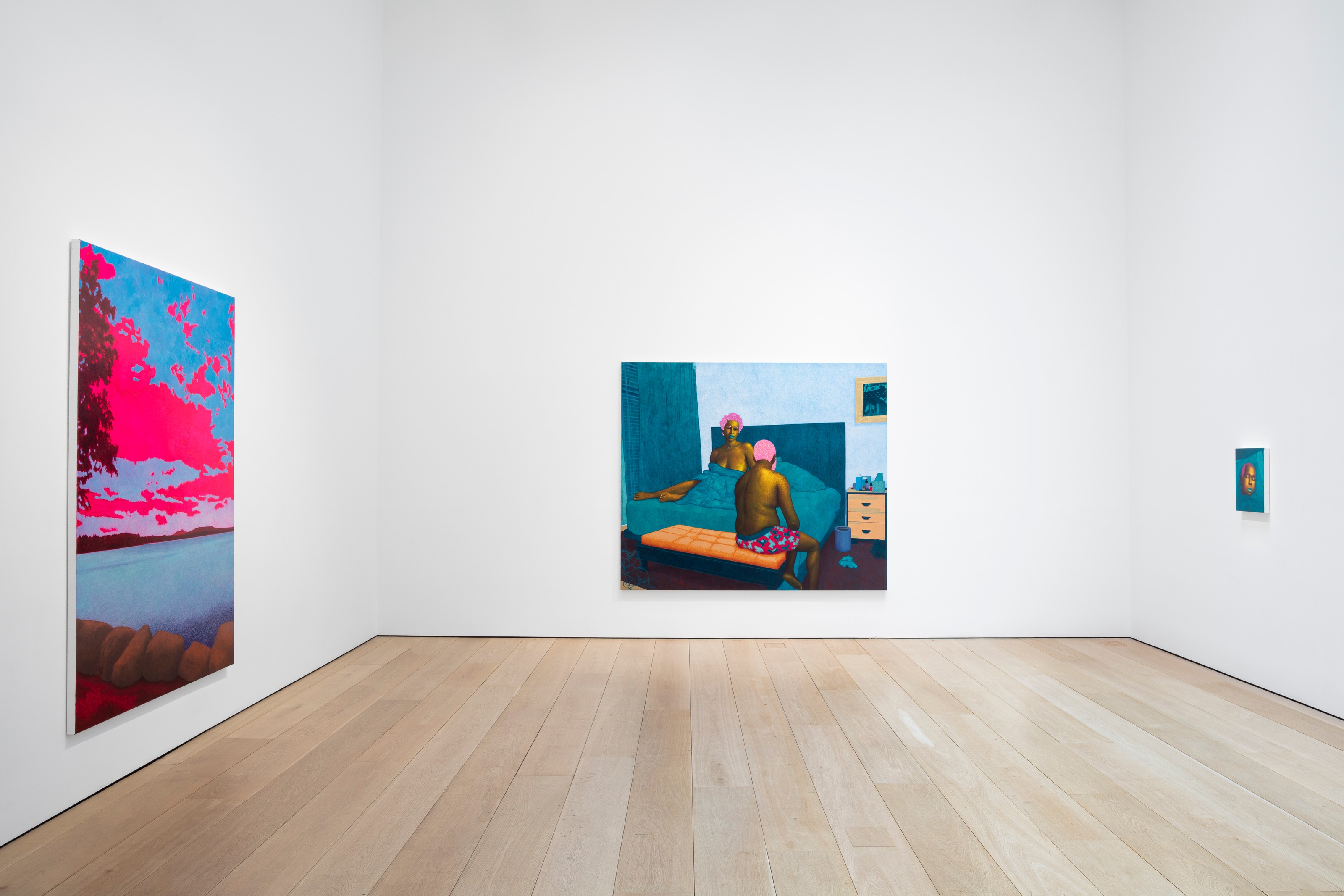
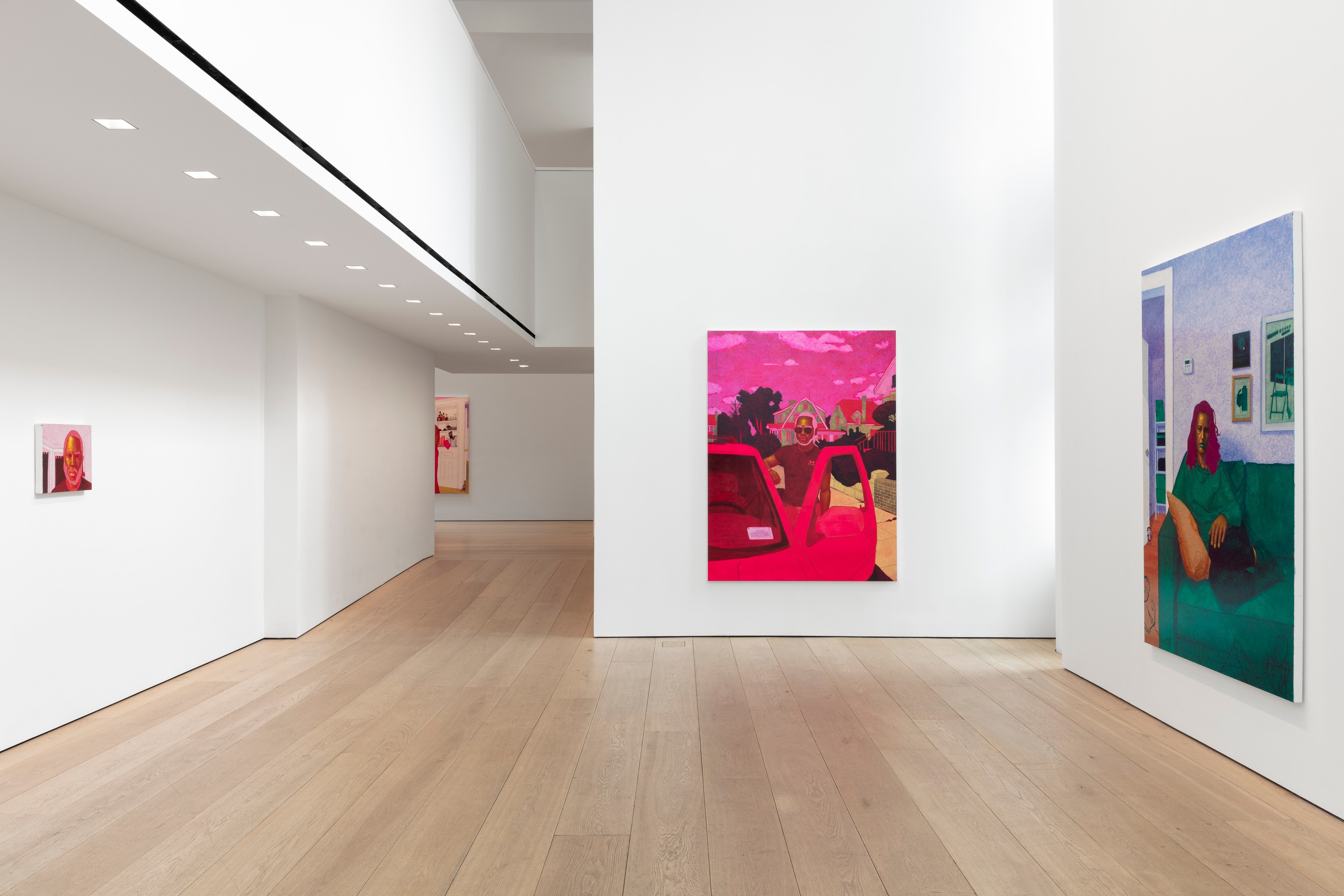
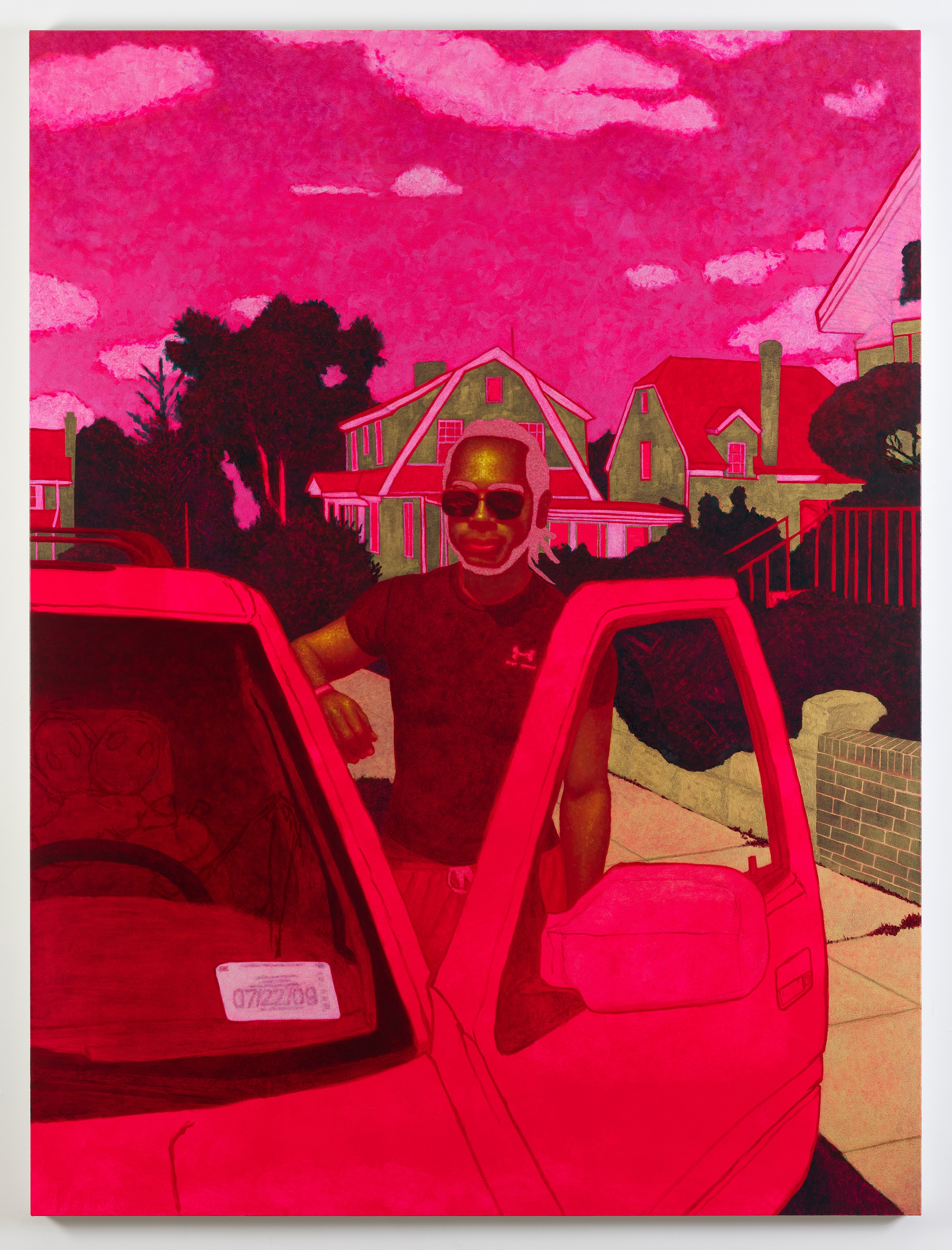
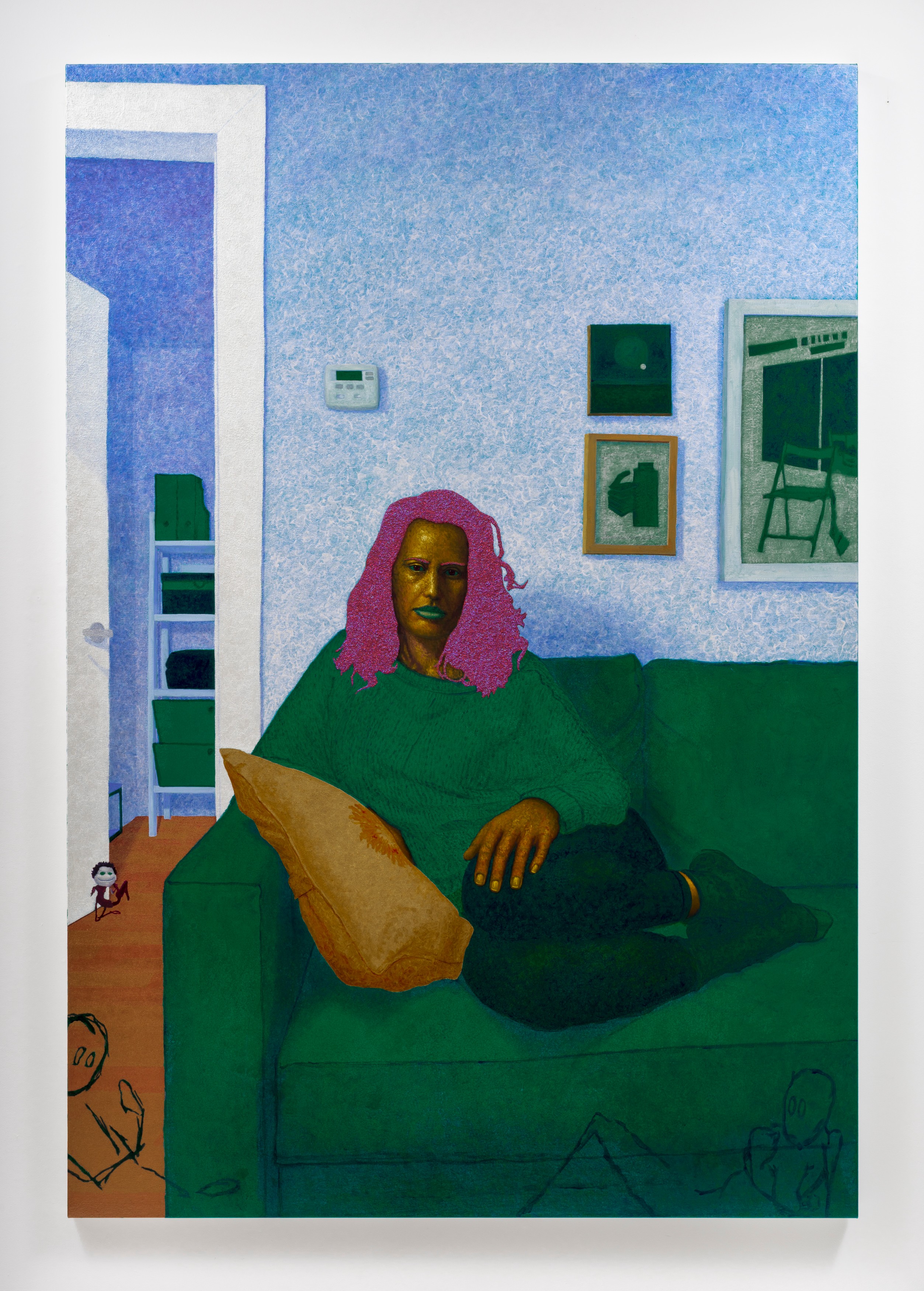
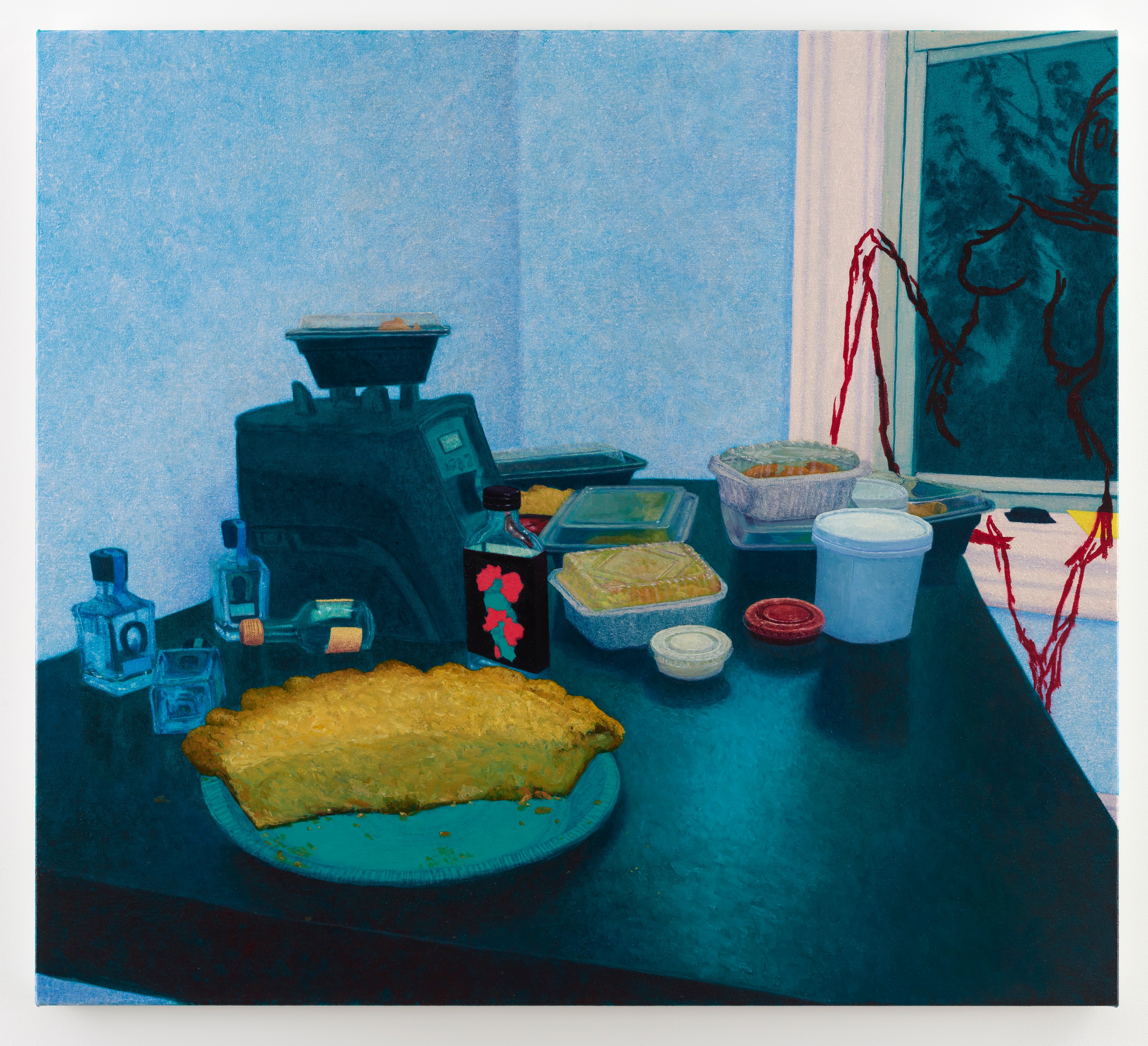
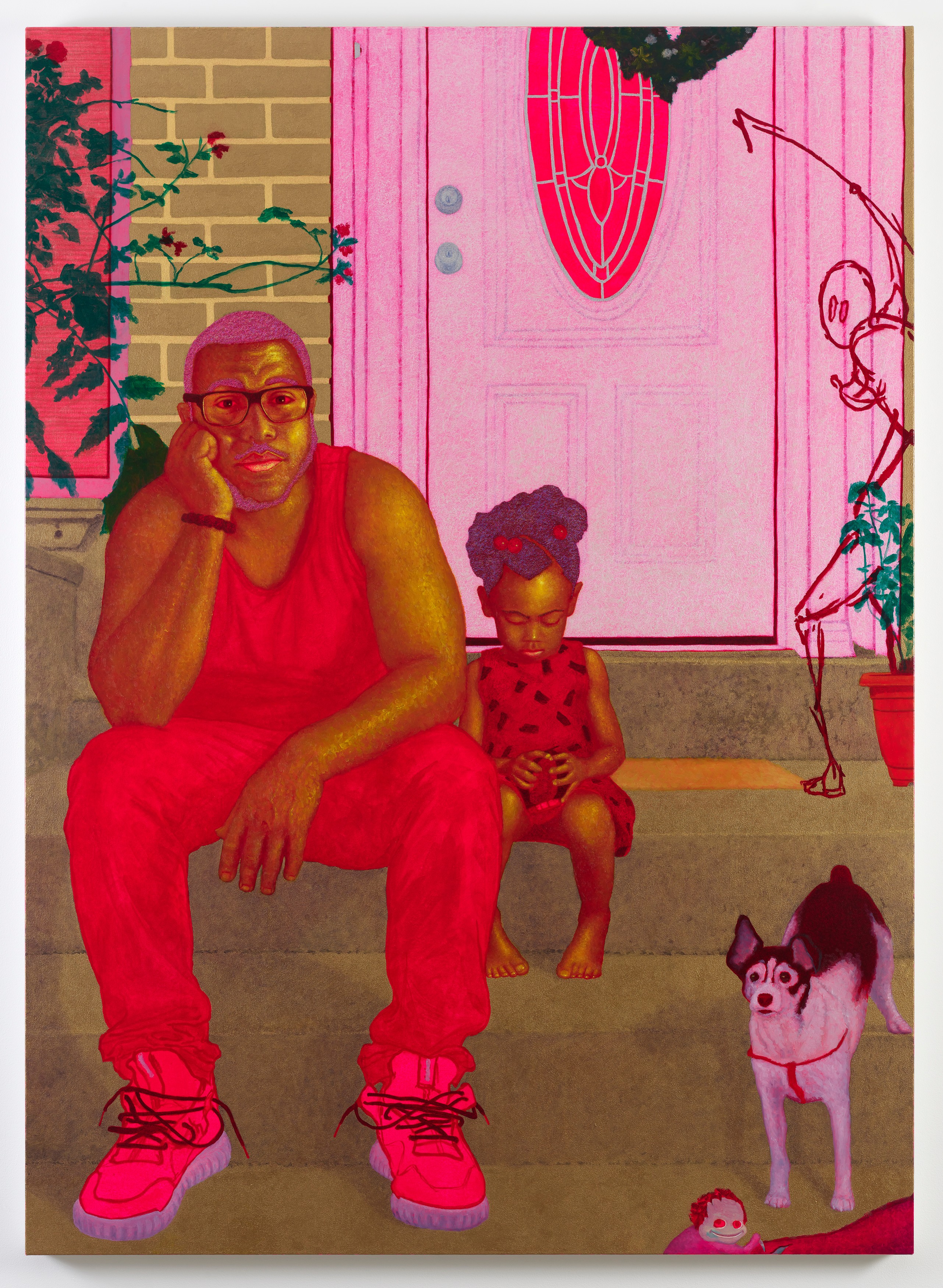
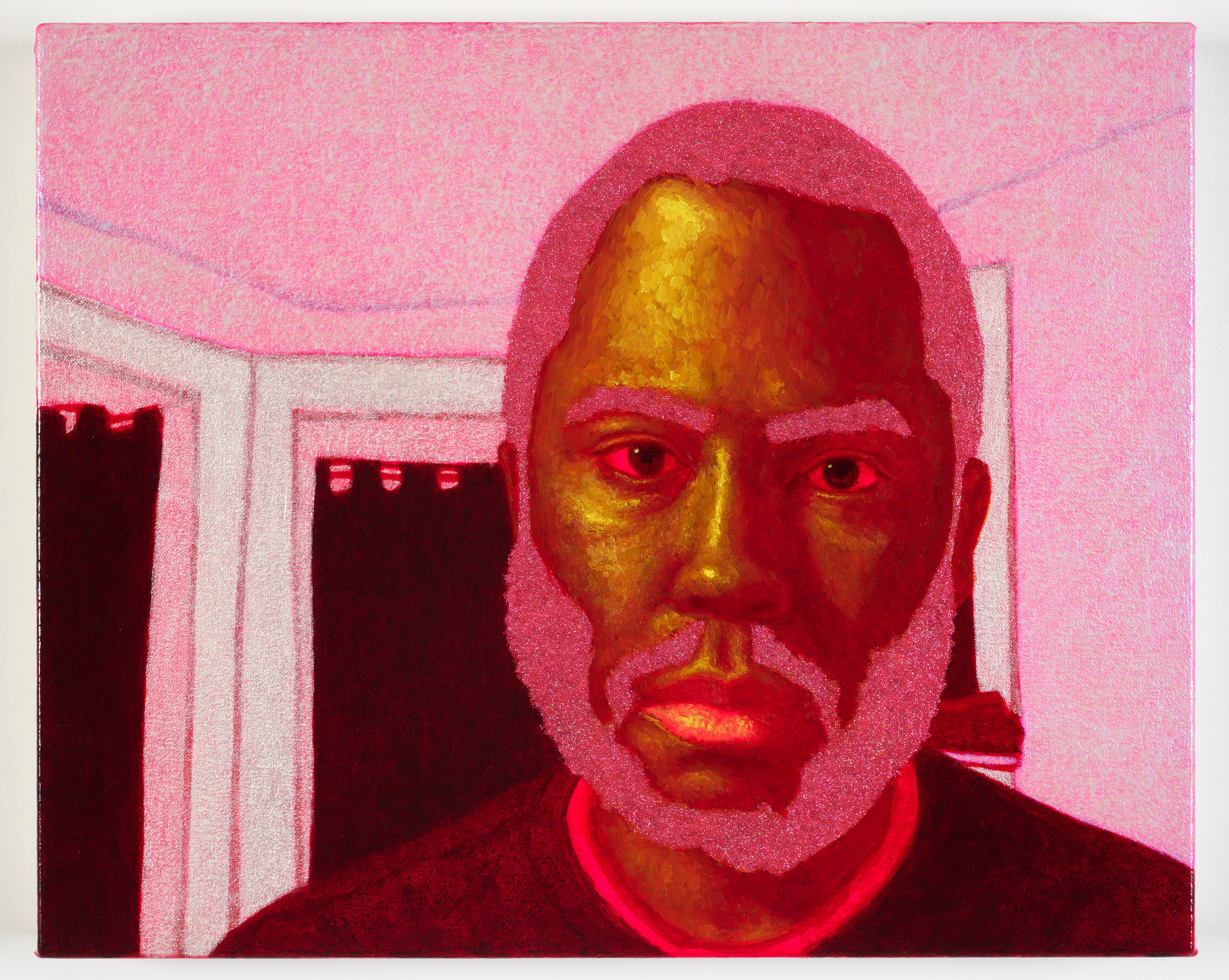
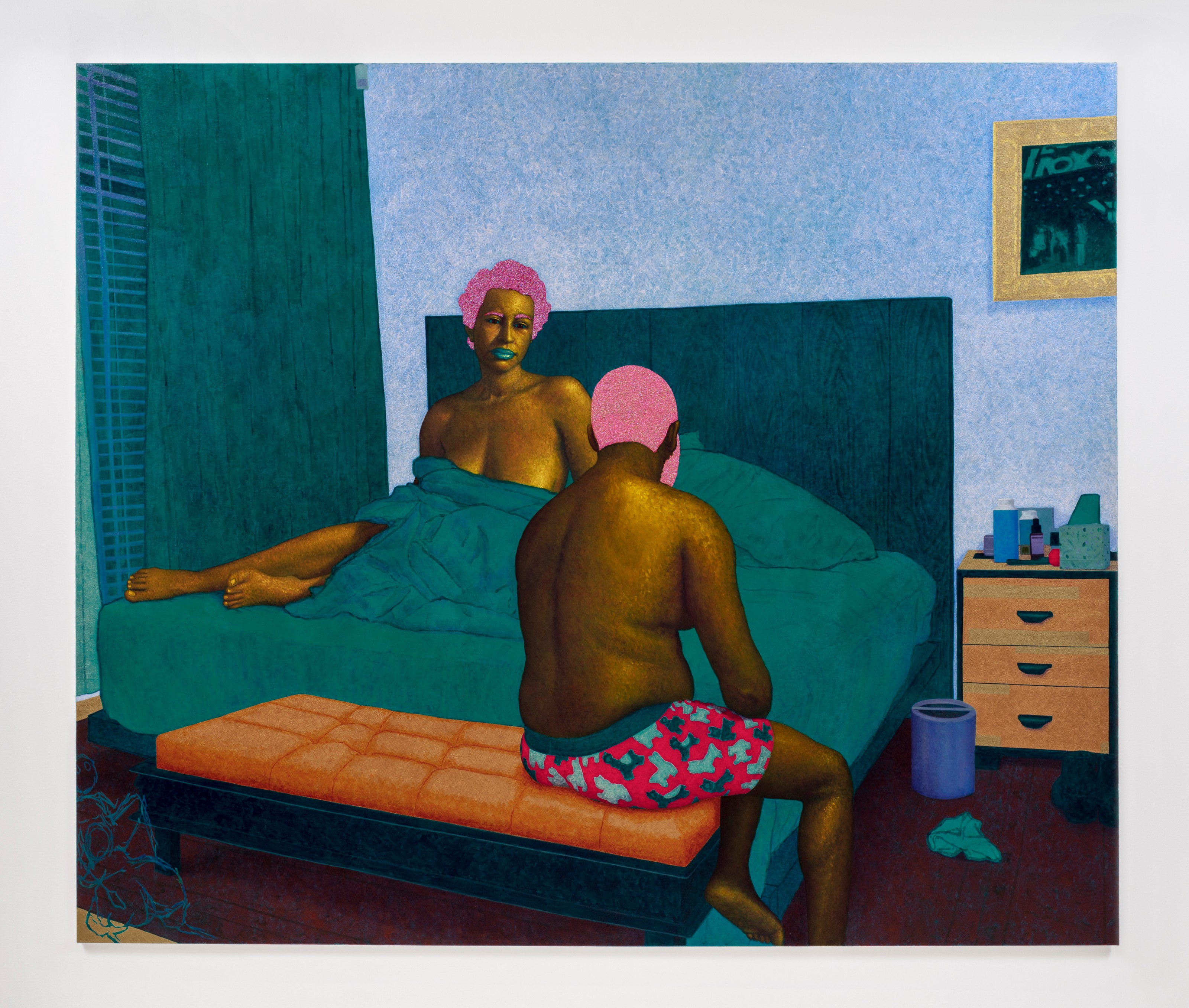
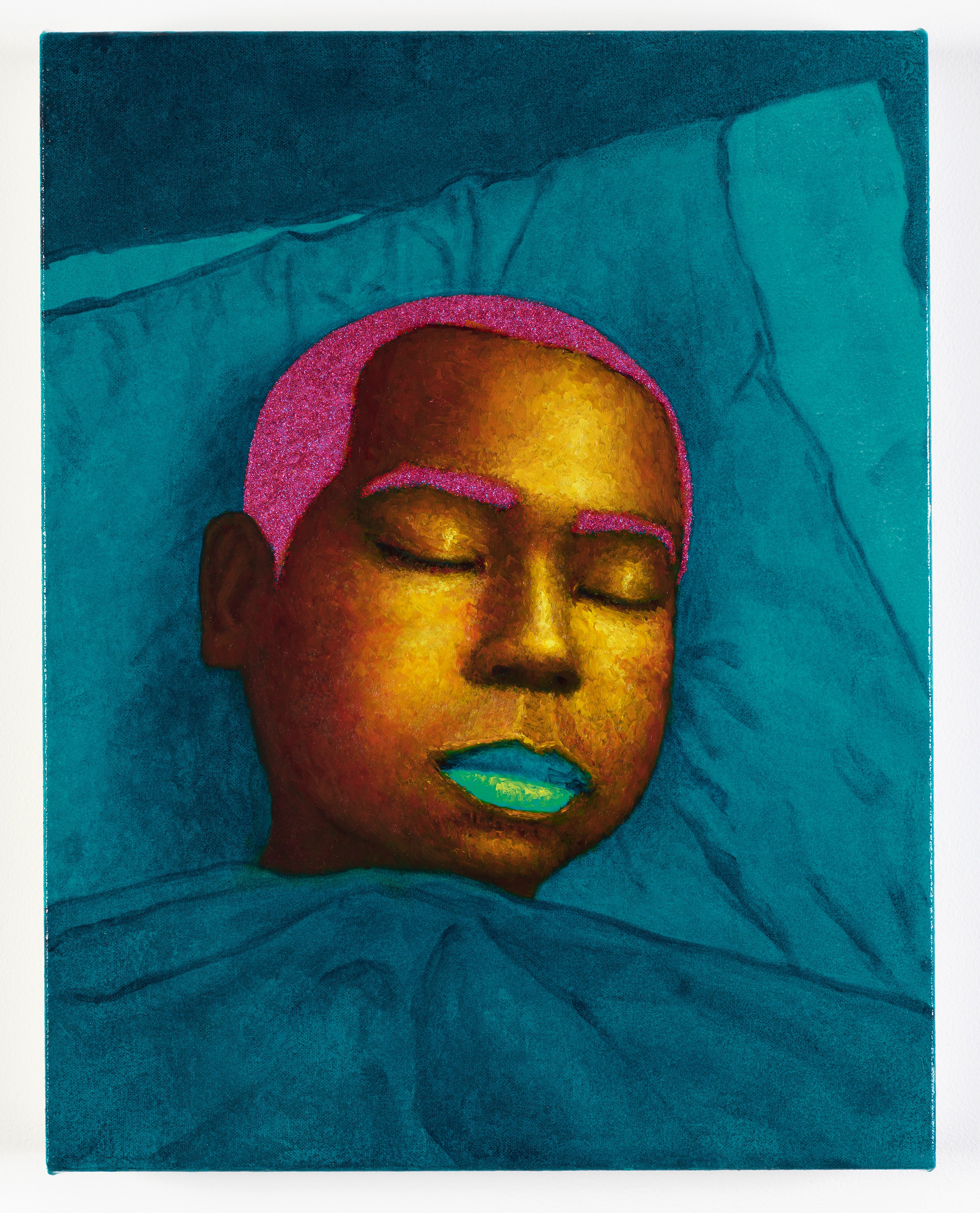
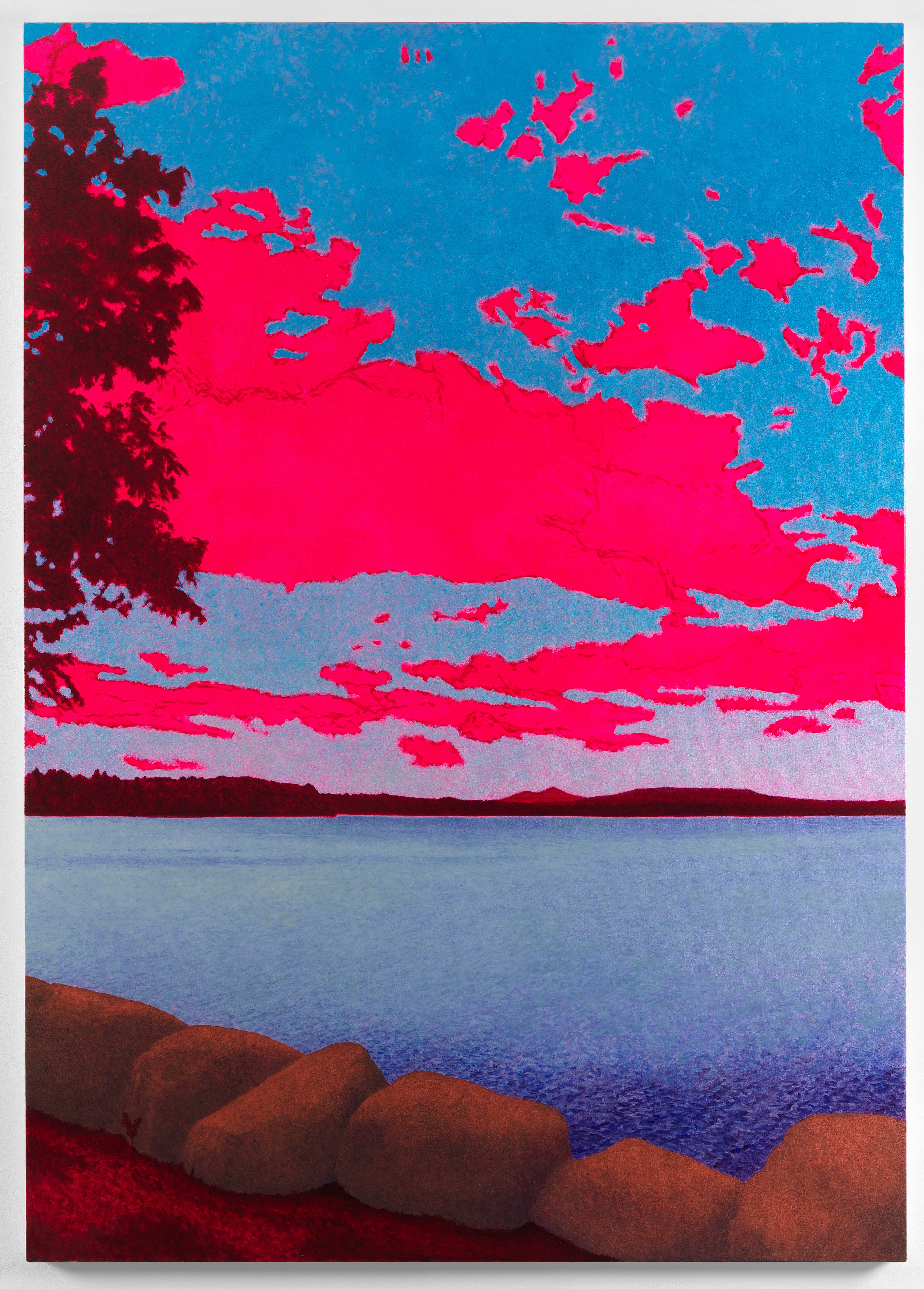
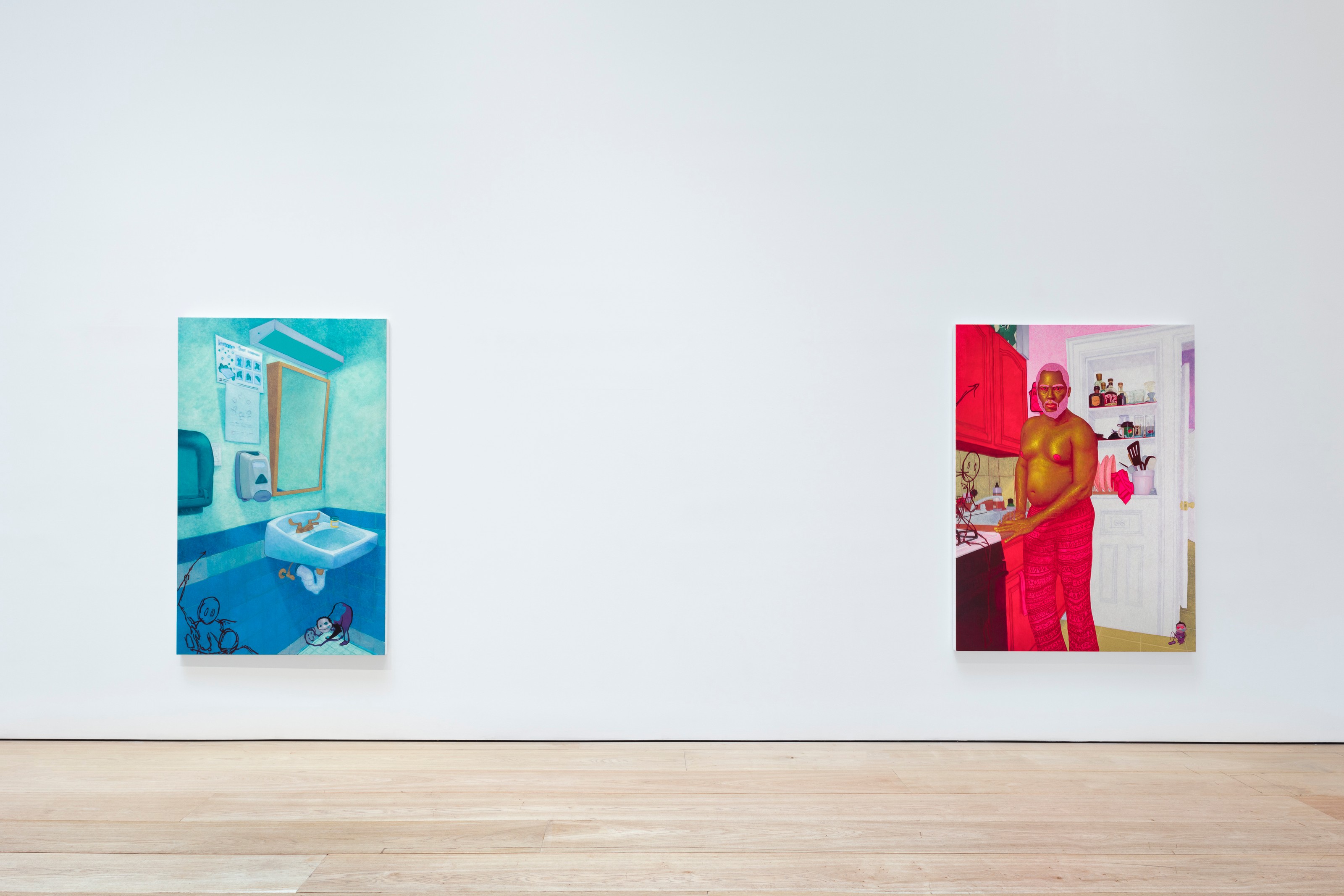
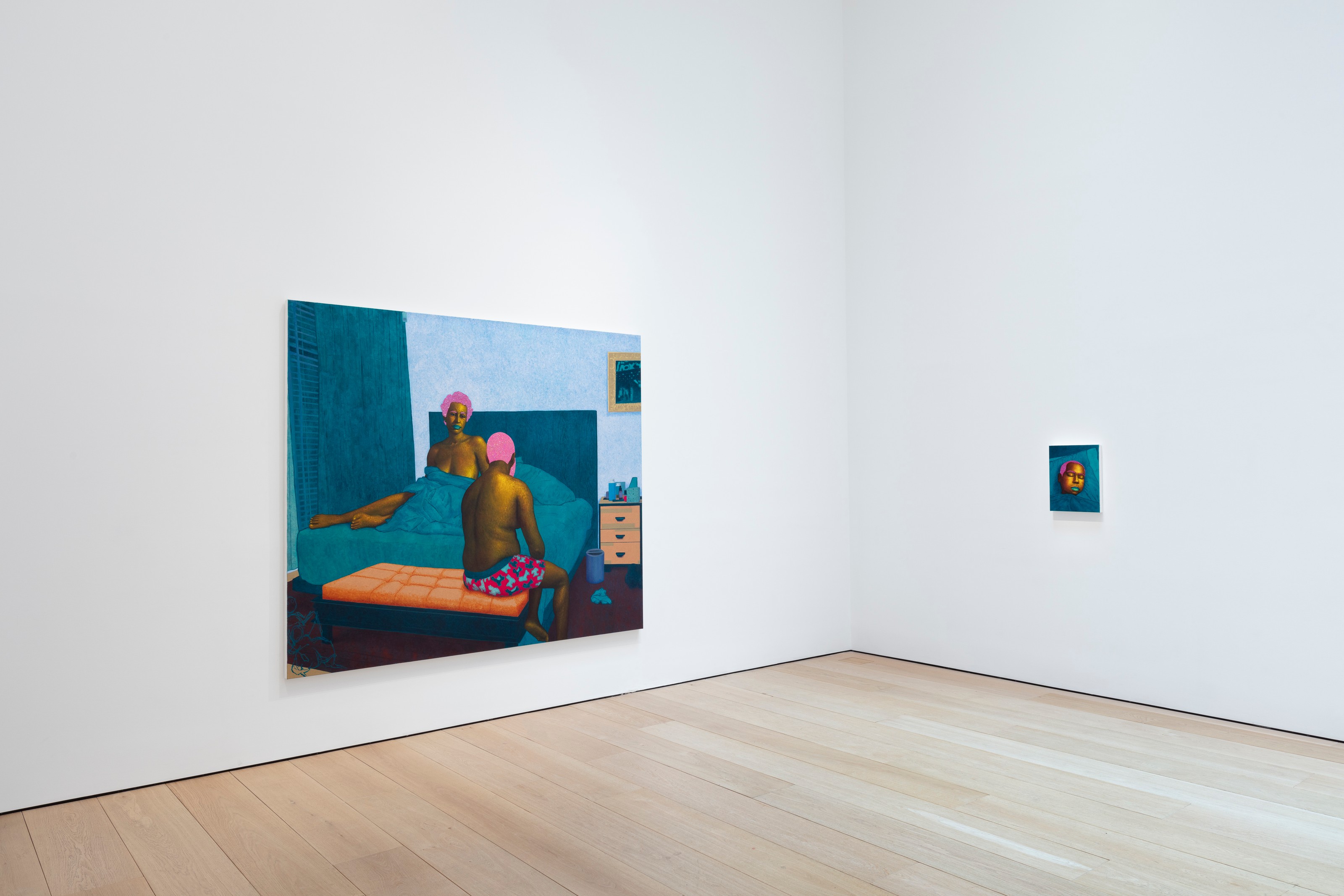
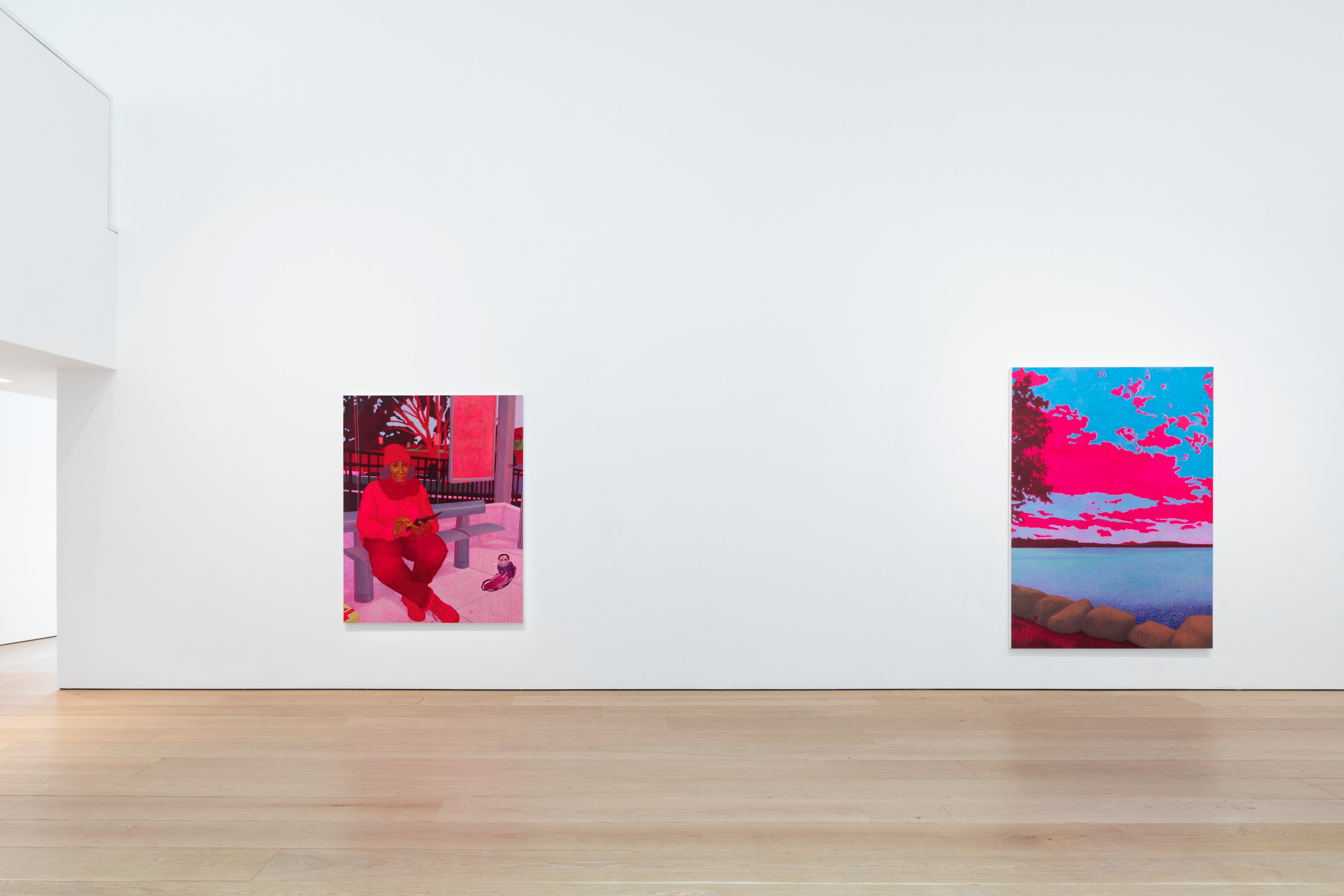
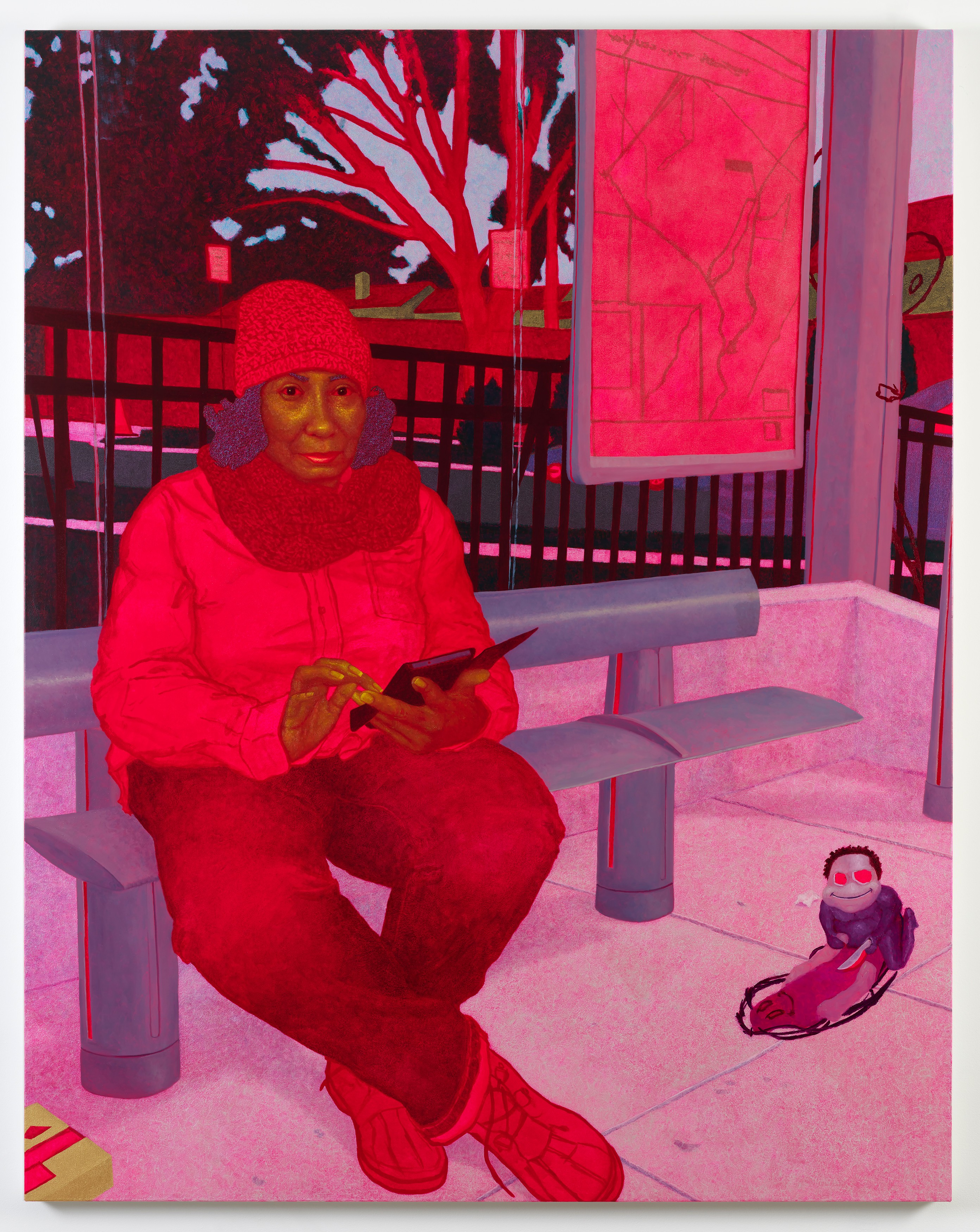
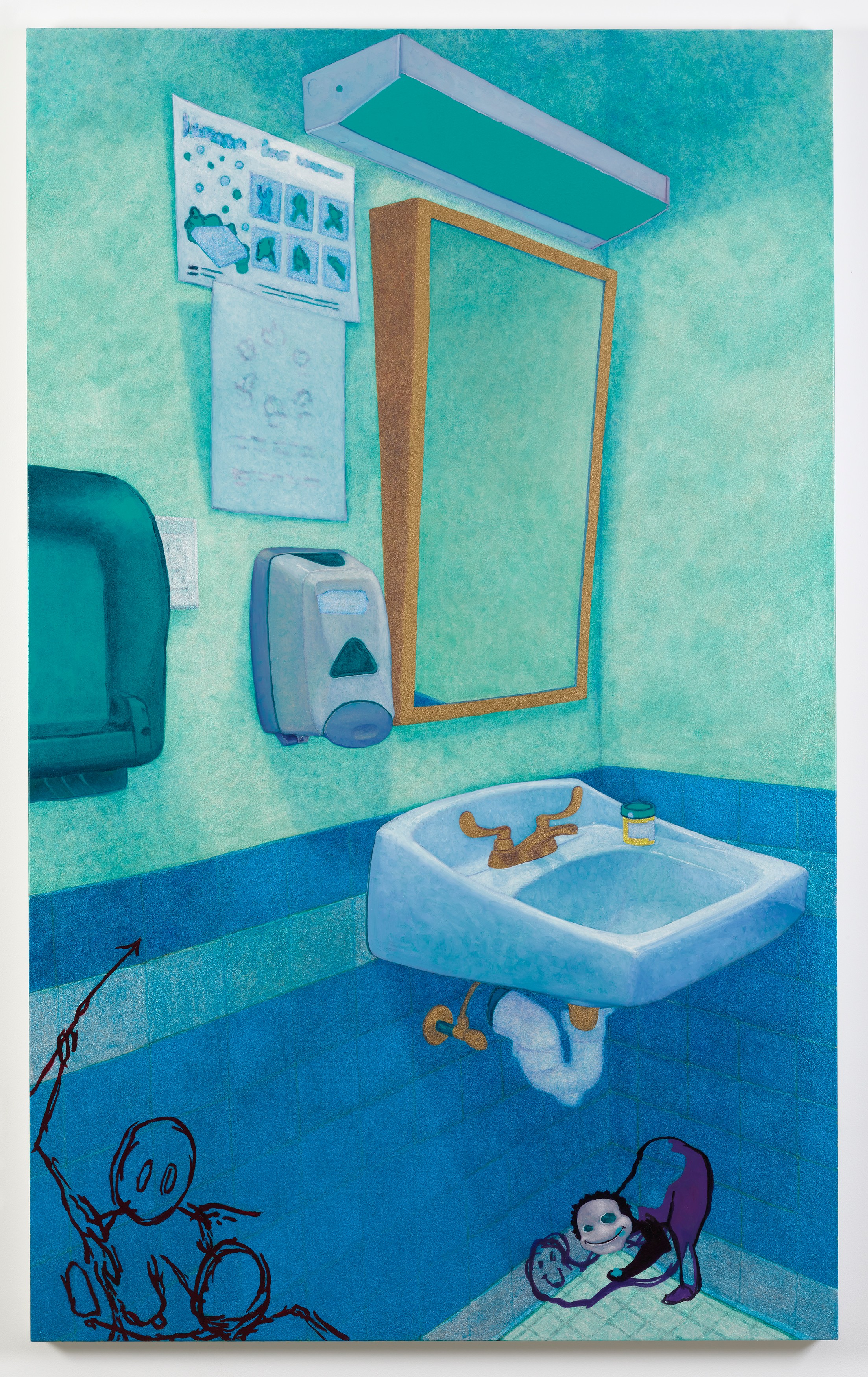
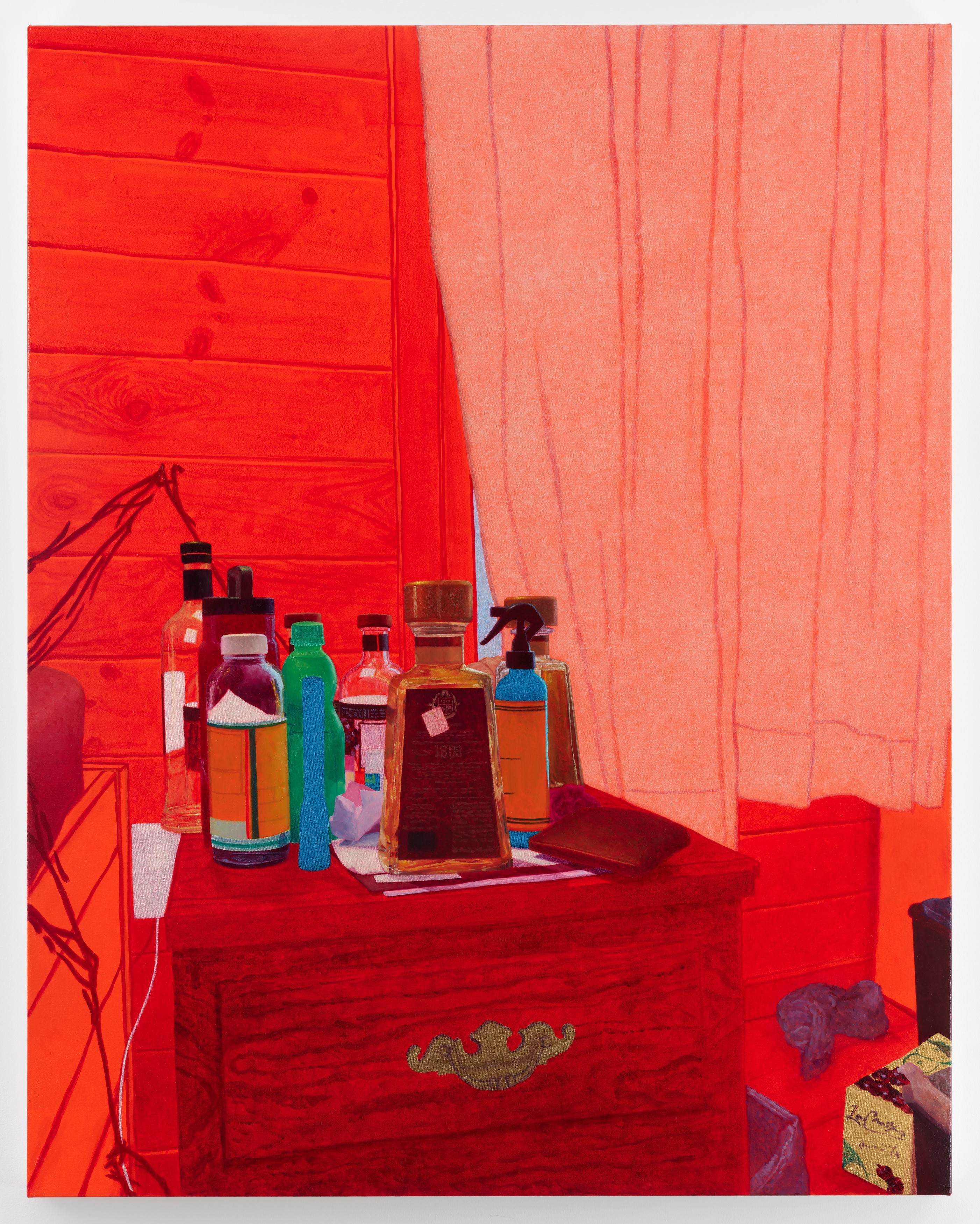
Lehmann Maupin is pleased to announce Hey Tomorrow, Do You Have Some Room For Me: Failure Is A Part Of Being Alive, the gallery’s first exhibition with New York-based painter Arcmanoro Niles. Featuring a series of new portraits, still lives, and a single landscape, this exhibition continues the artist’s critical investigation into the function and form of historically revered genres in painting. Niles is best known for his vivid, brightly-hued canvases that illustrate the seemingly mundane aspects of daily life―a man about to get into his car, a father and daughter sitting on their stoop with their dog, a woman waiting at a bus stop. His subjects are drawn from photographs of friends and relatives and from memories of his past, offering a highly personal record of contemporary life. The paintings, though autobiographical, engage with universal subjects of desire, hope, fear, and failure, while also recalling numerous art historical predecessors, including Italian and Dutch baroque, history painting, Color Field painting, and ancient Egyptian sculpture. For Hey Tomorrow, Niles has created a number of his distinct portraits, but the exhibition also features still lives and interiors that become surrogates for the figure―a cluttered bedside table, a urine test in a doctor’s office bathroom, or a kitchen table littered with liquor bottles and food containers.
The works in Hey Tomorrow each represent the many perceived failures that we experience during the course of our lives that, when taken as a whole, are simply what make us human. For Niles, these moments―getting kicked out of the house or an unplanned pregnancy―are not extraordinary events, but rather just part of the course of life. In Kicked Out the House for Living Fast (I Never Held Love in My Gaze so I Searched for it Every Couple of Days), 2021, a young man wearing sunglasses, an Under Armour t-shirt and sweatpants, pauses to look directly at the viewer before getting into his car. The scene is rendered in a fiery pink that alludes to the underlying emotional tone indicated by the title. In this work, Niles marks a key moment in his subject’s life―a difficult one, but also one of growth and transformation. “All of these moments in life that people look at as failures are just a part of growing up and can actually open new doors and lead to new phases in life,” the artist explains, “when I look back at my own experiences, they weren’t really failures at all.” As is typical of Niles’ work, in Kicked Out the House for Living Fast the figure’s brown skin is rendered with a gold-like tone, his hair a glimmering halo of hot pink glitter. This is a nod to the influence of baroque and religious painting, making Niles’ figures appear saint-like, but also formally allowing the artist to achieve a level of depth and tonality in his rendering of brown skin.