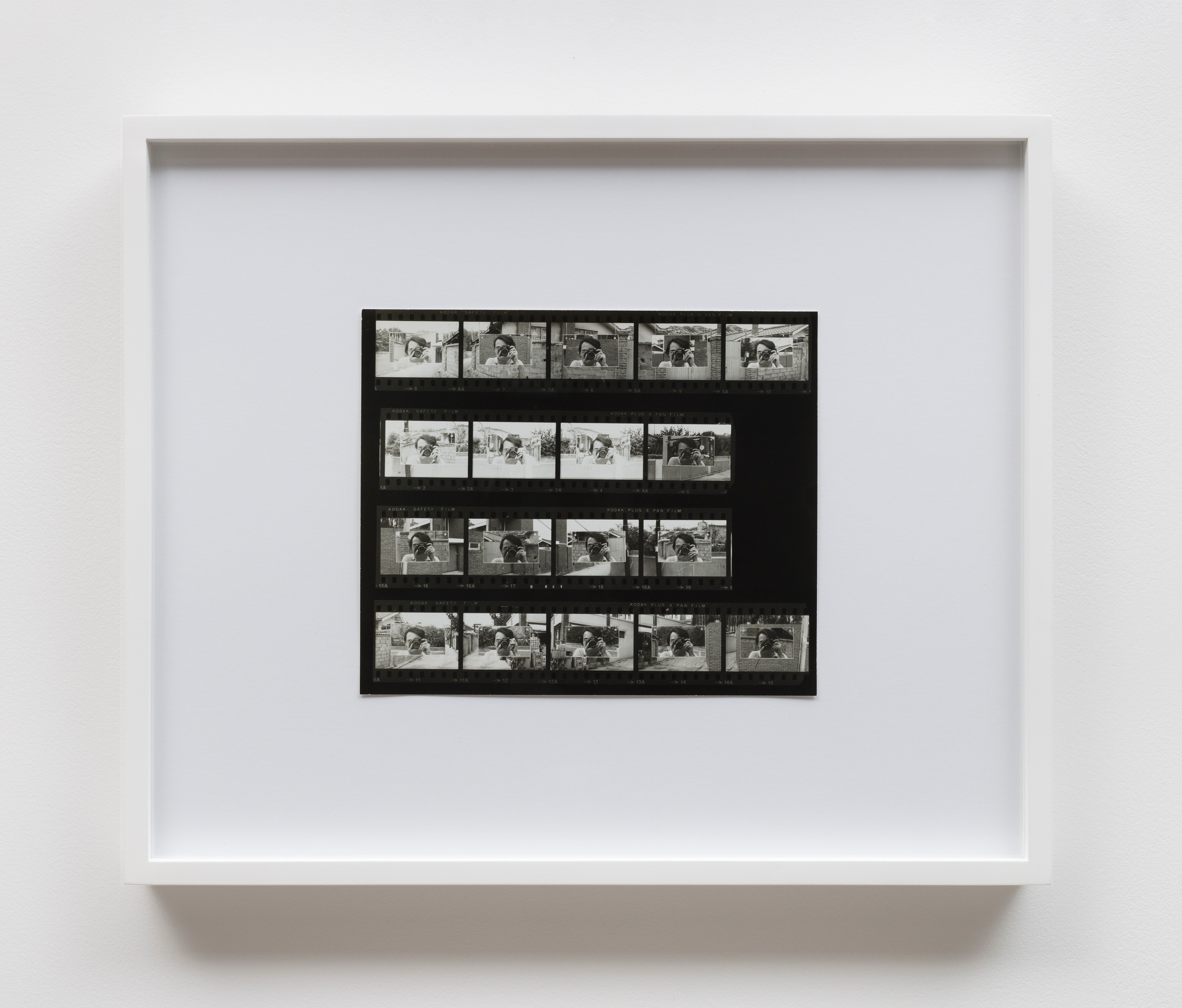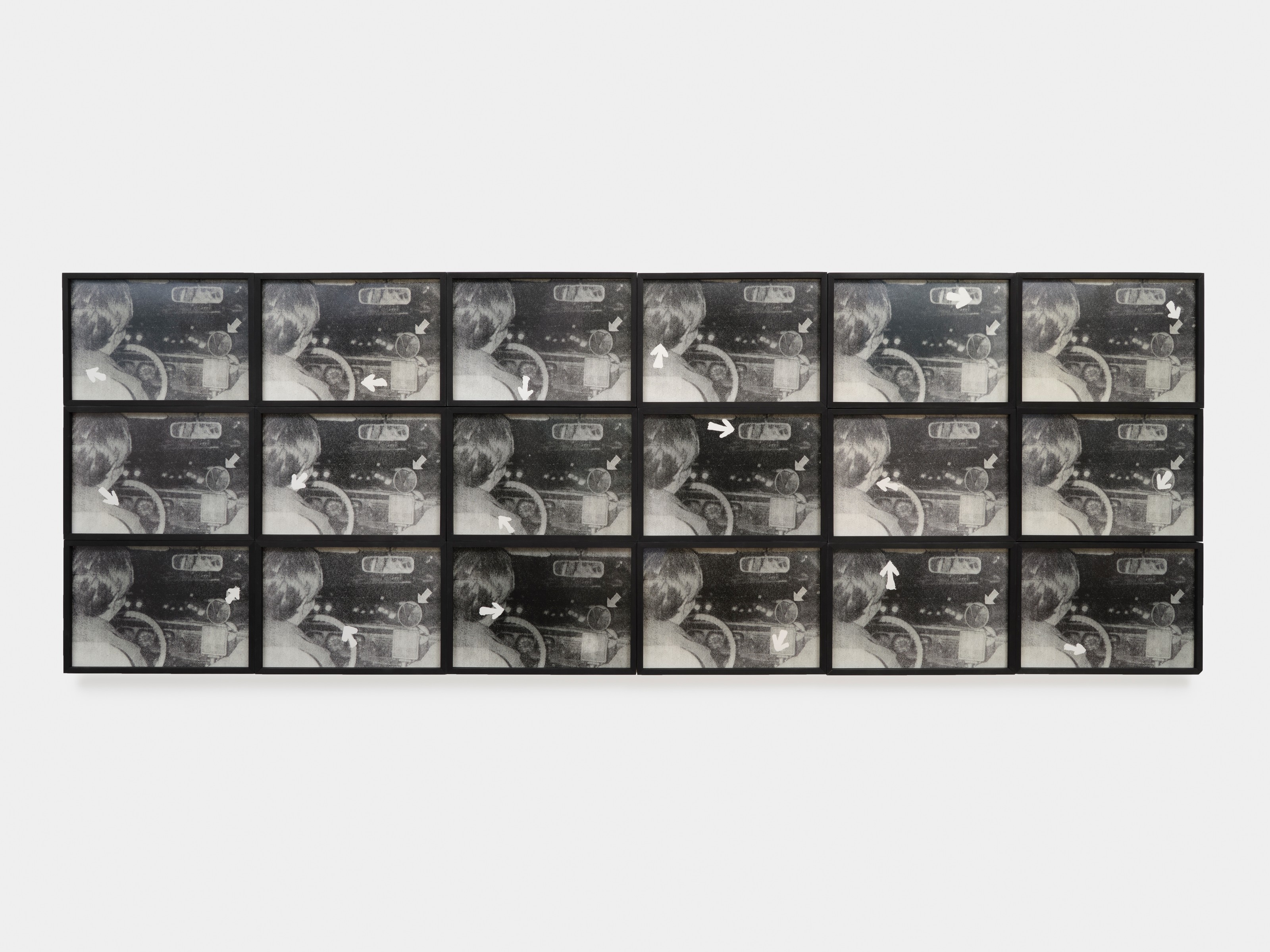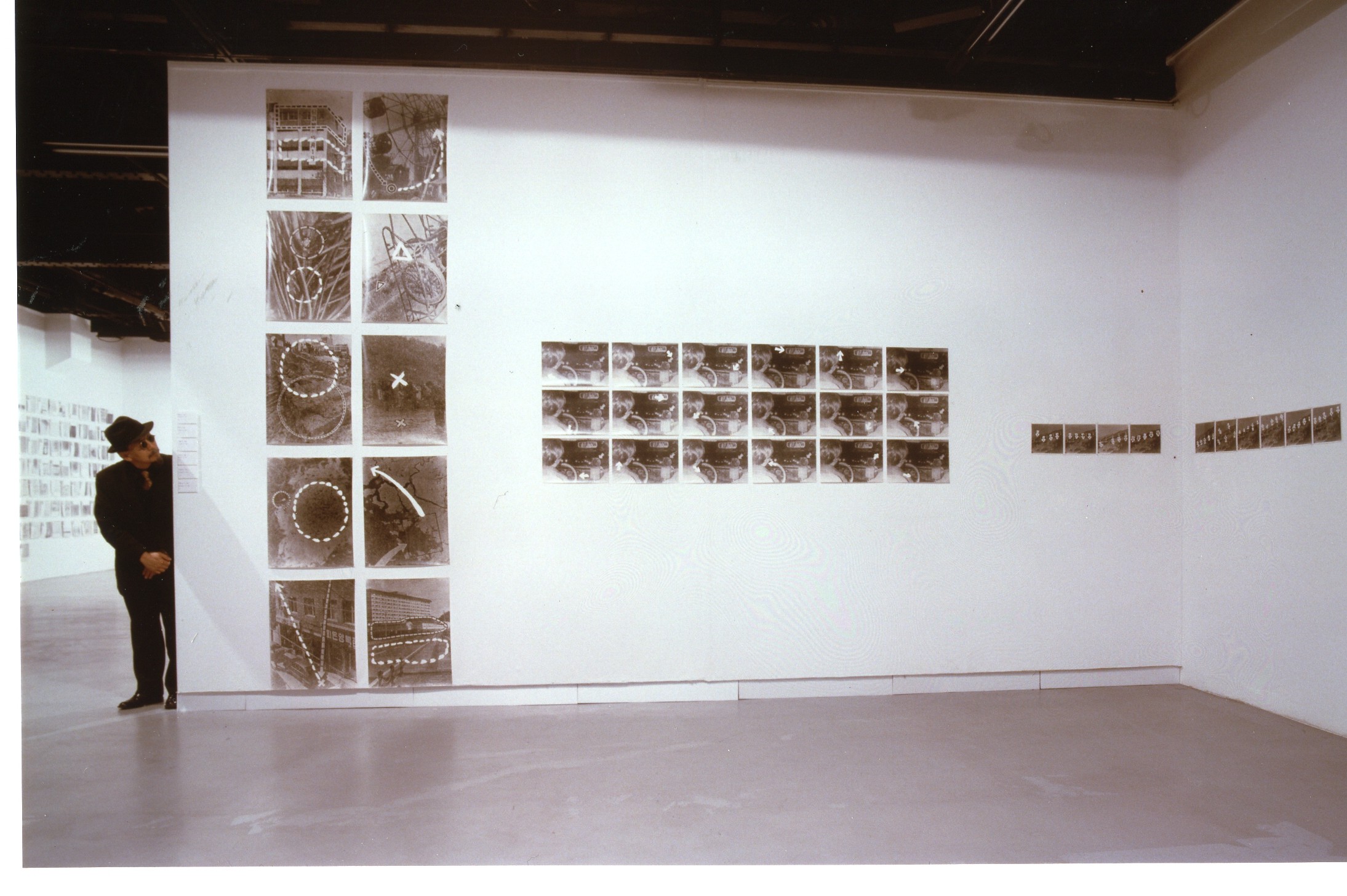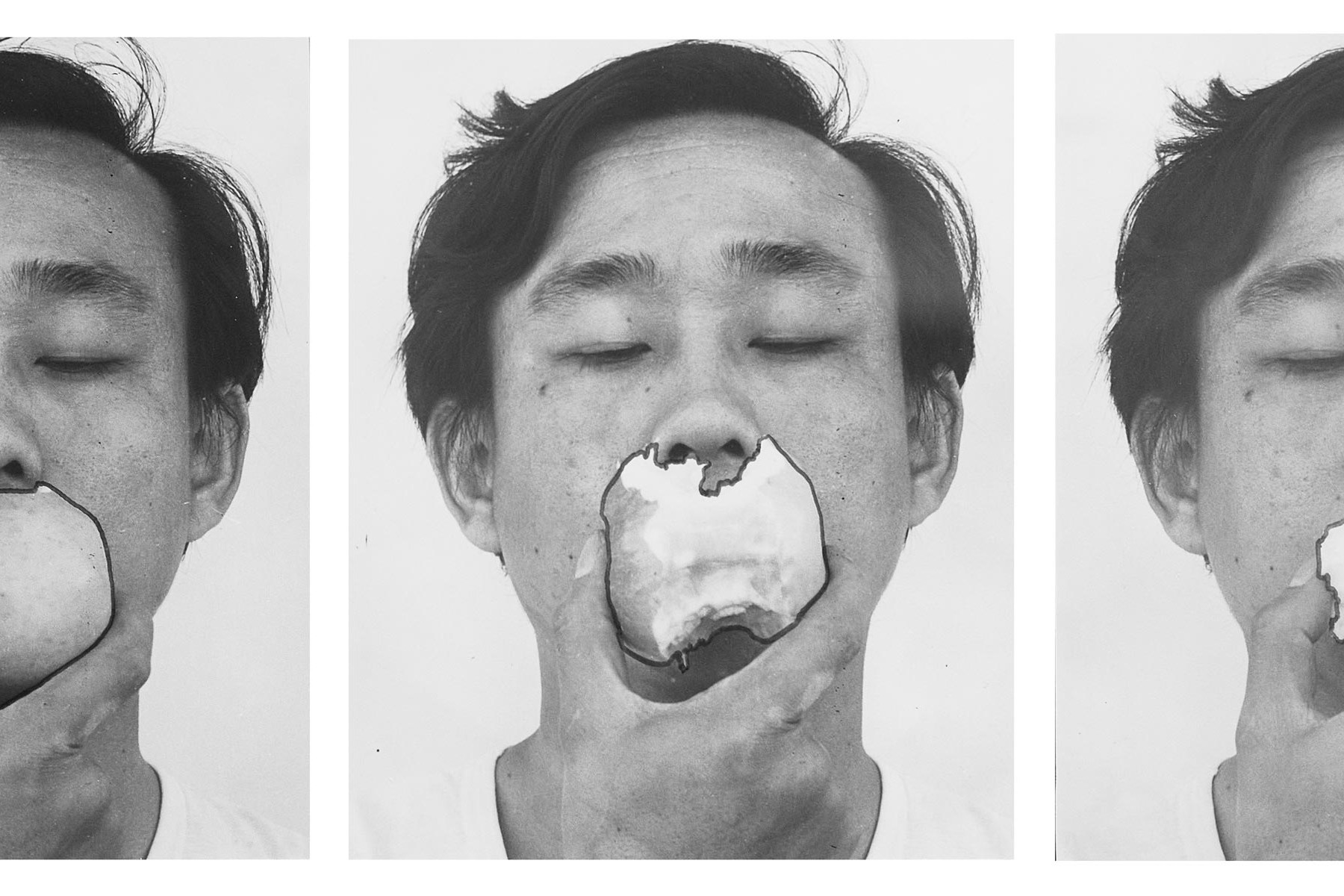
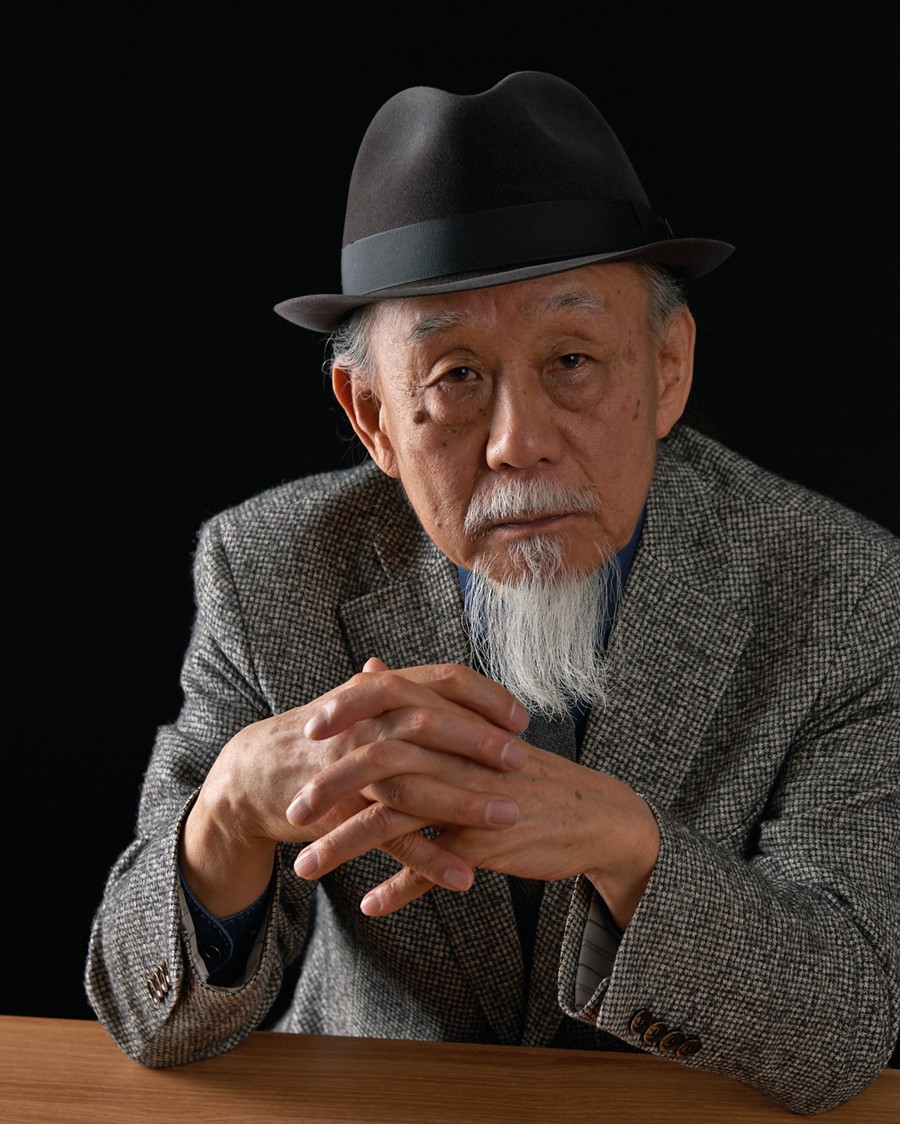
Sung Neung Kyung (b. 1944, Yesan, South Korea; lives and works in Seoul, South Korea) works across non-traditional media, including performance, photography, and archival practices, to examine constructions of knowledge and power. Working at the intersection of representation and the real, Sung’s oeuvre intervenes in the processes of communication, dissemination, and transmission. Through his resistance to traditional discourse, he seeks to challenge and dismantle various authorities, including political and artistic canonical systems. His practice is intrinsically process-oriented and deals in ephemera, frequently involving one-off events or performances; his work is often archived as photographs or contact prints and exhibited as a variety of photographic installations.
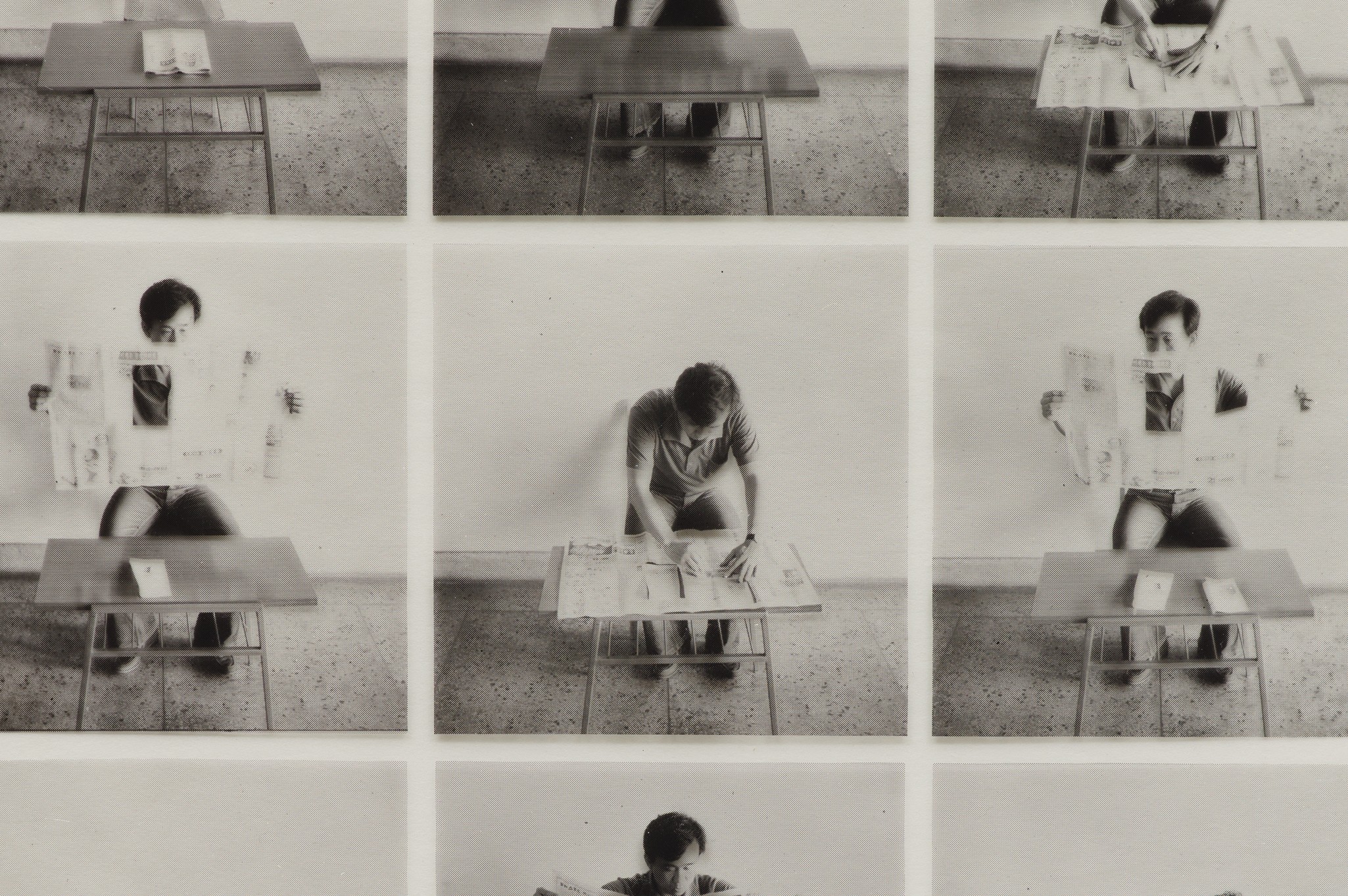
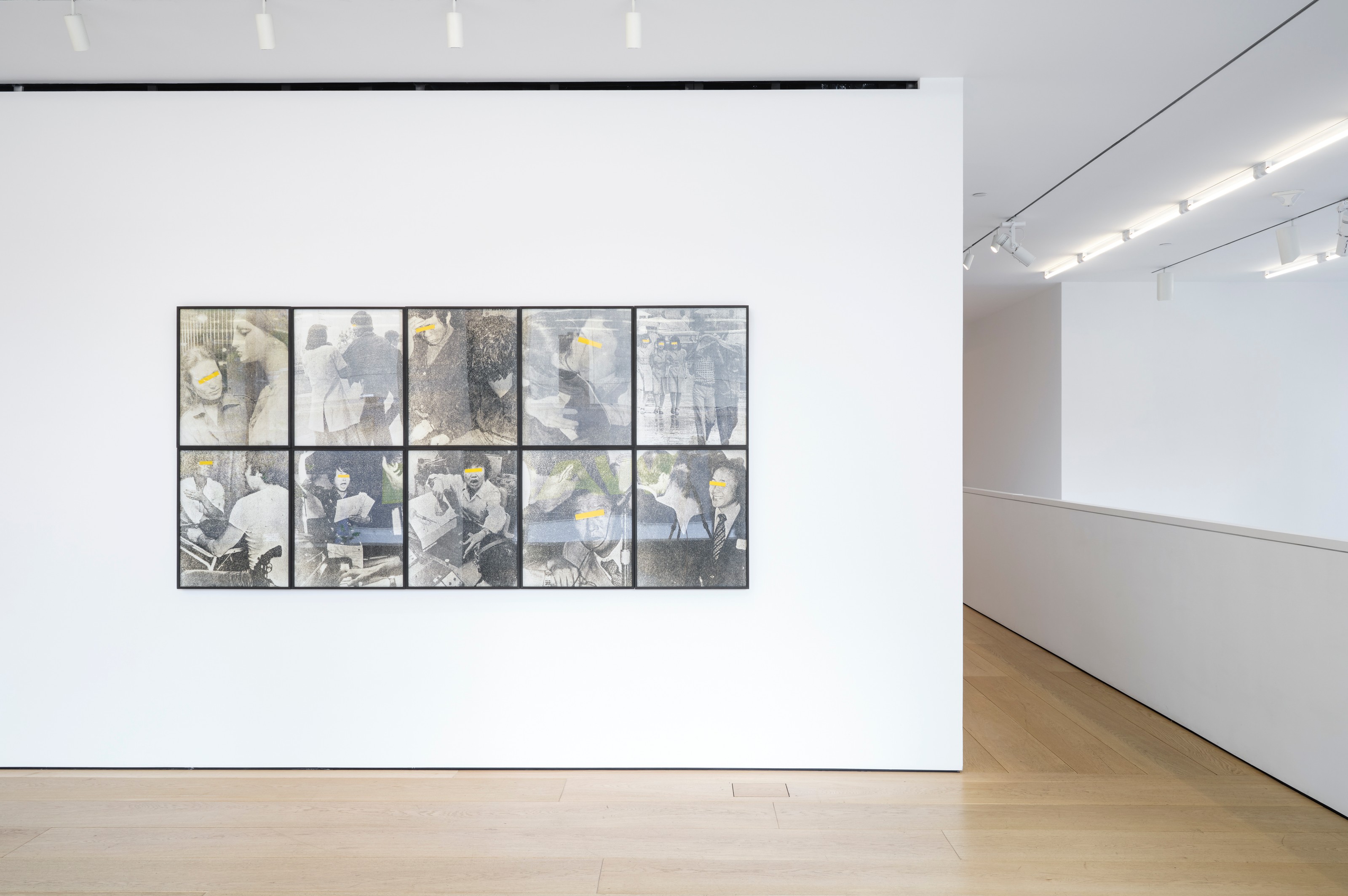
Sung is known for his involvement in the avant-garde Korean art group Space & Time (ST), an art and study collective active throughout the 70s and 80s that responded to both Western art and theory and a period of political turmoil in South Korea. Throughout his work, Sung engages hallmarks of Conceptualism; exploring dematerialization, text-based practice, and informational aesthetics, and he reformulates Conceptual tactics for a climate of urgency and unrest. In his seminal Newspapers: from June 1, 1974, on (1974), Sung carefully removed blocks of text from Korean newspapers with scissors, displaying the removed text alongside the cut pieces of newspaper. In his subsequent performance Reading newspaper (1976), Sung carefully “reads” the mangled remains of the periodicals. By performatively removing discursive context from the newspapers and rearranging text to suggest potential new meanings, Sung critiques government censorship of media. As he intercepts modes of dissemination, Sung thwarts long-held notions of language and power, and he cultivates alternative channels for knowledge production.