본문으로 건너뛰기

니콜라스 슬로보

54th International Venice Biennale

Venice

6월 4일–2011년 11월 27일

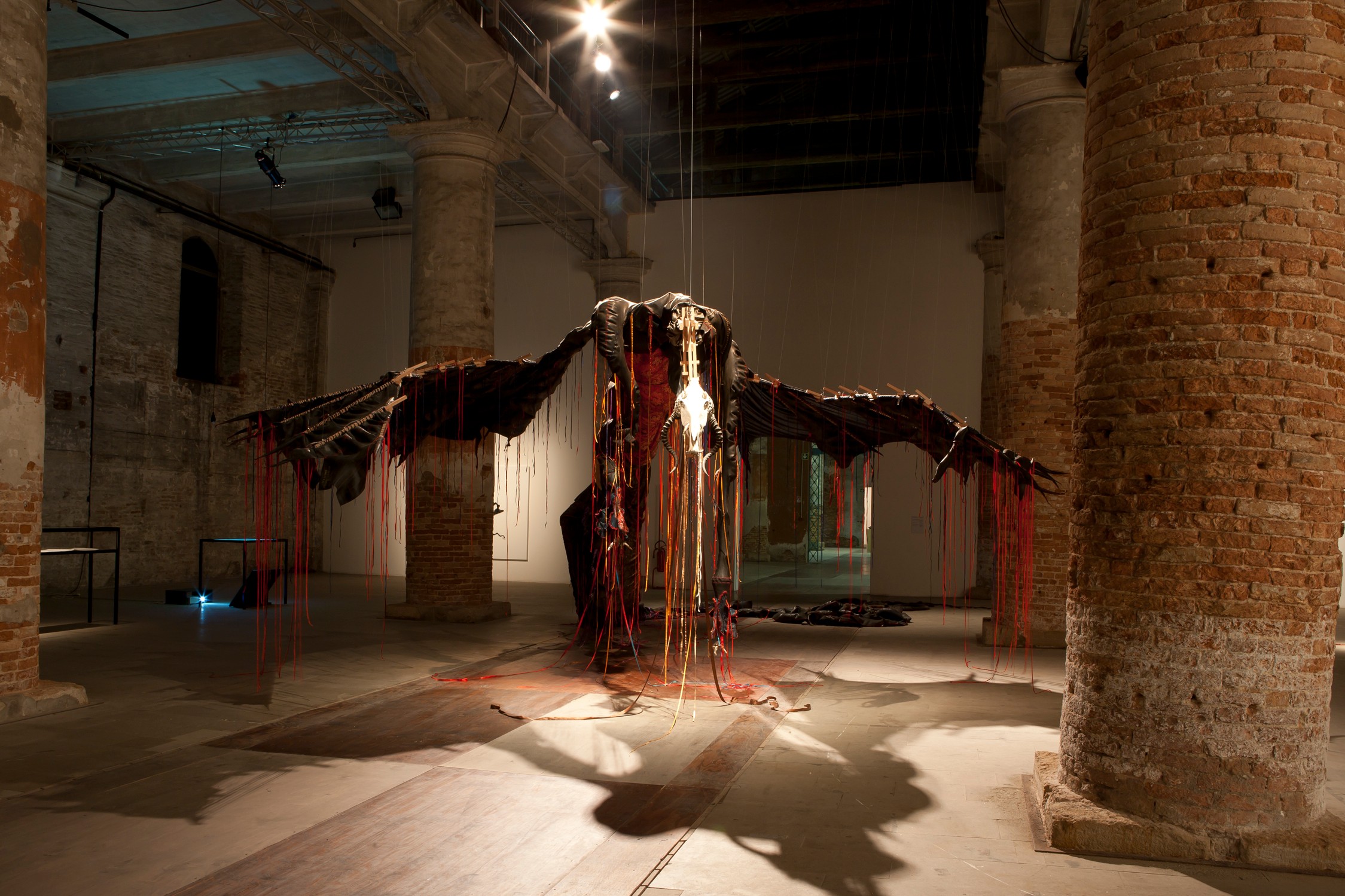
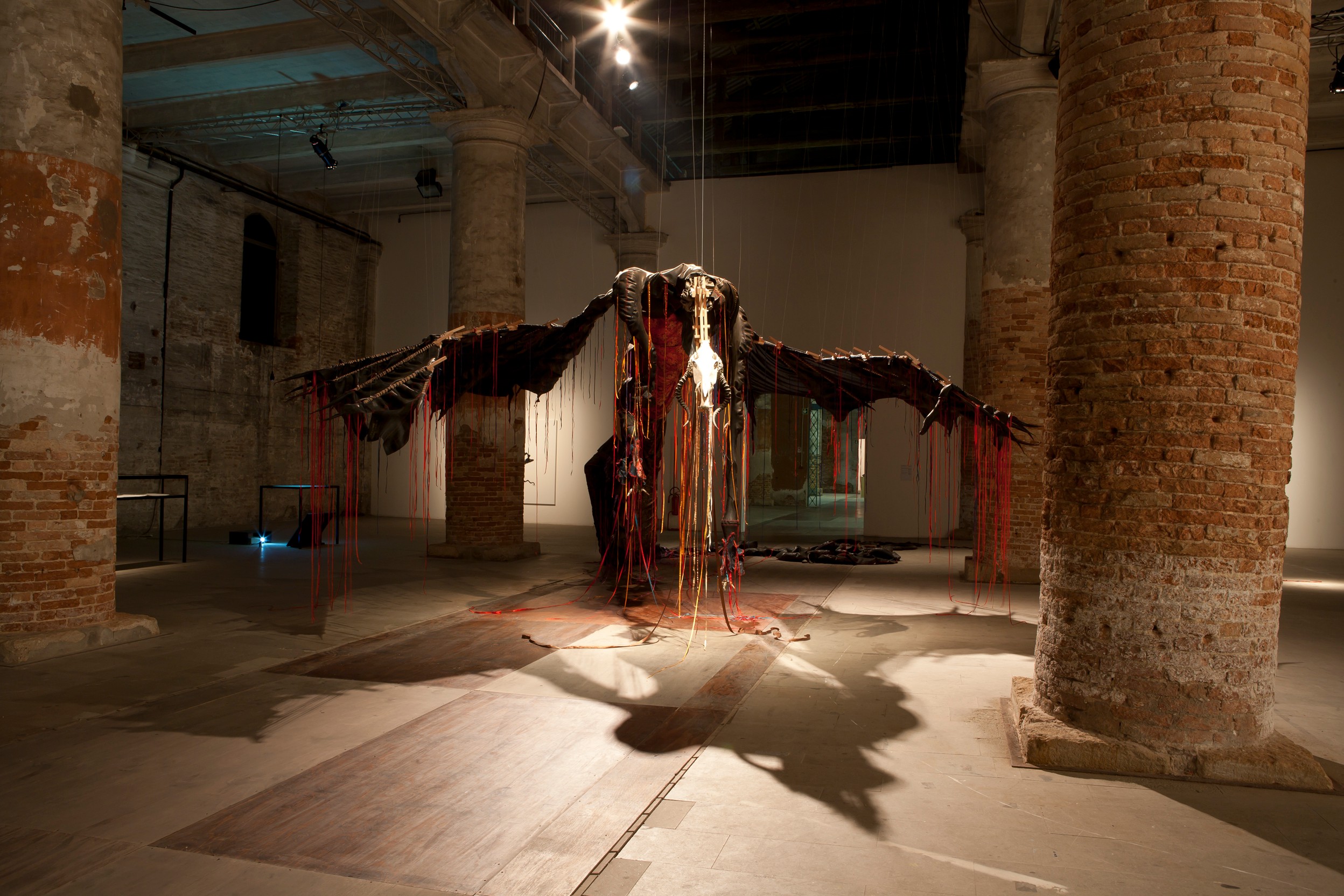
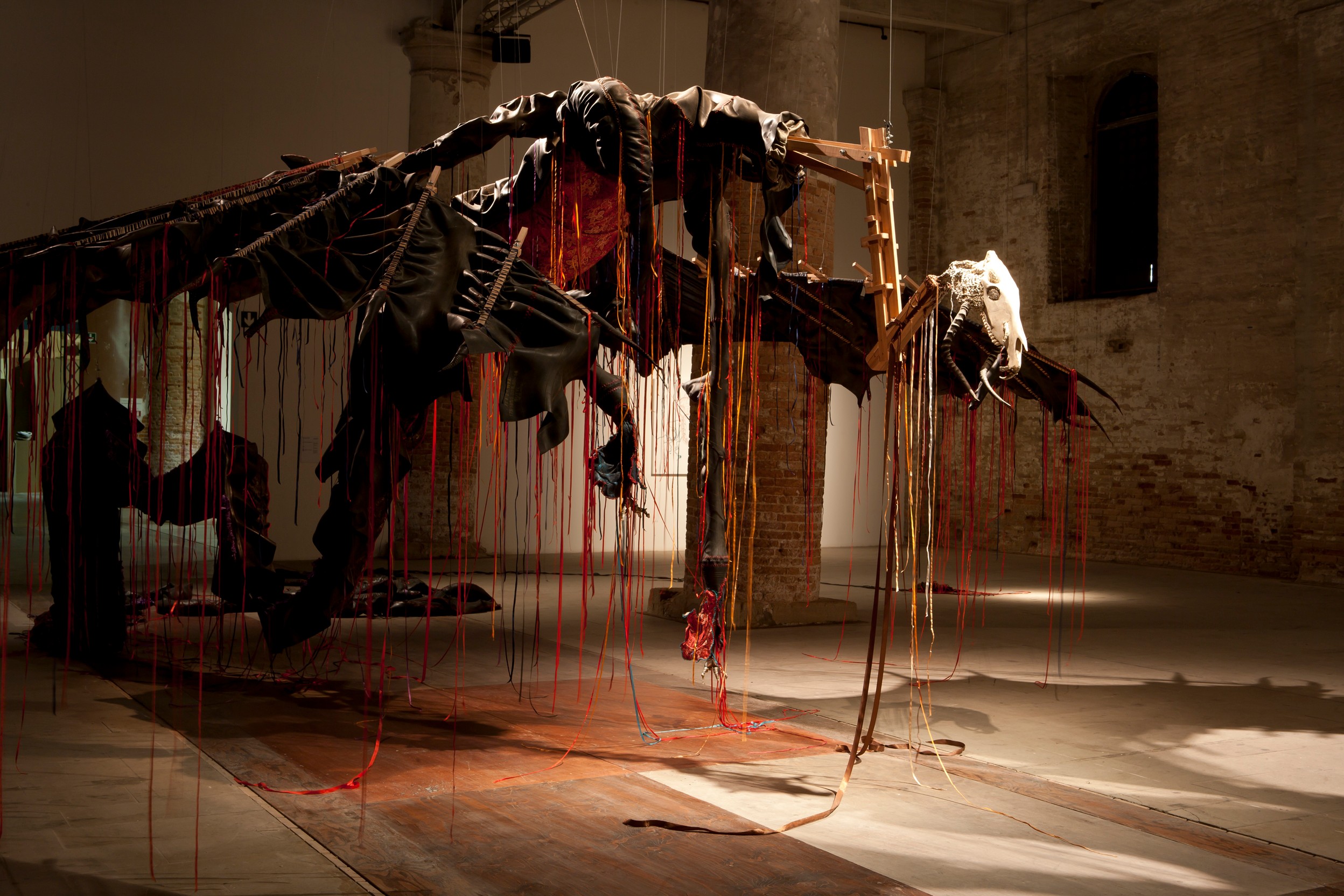
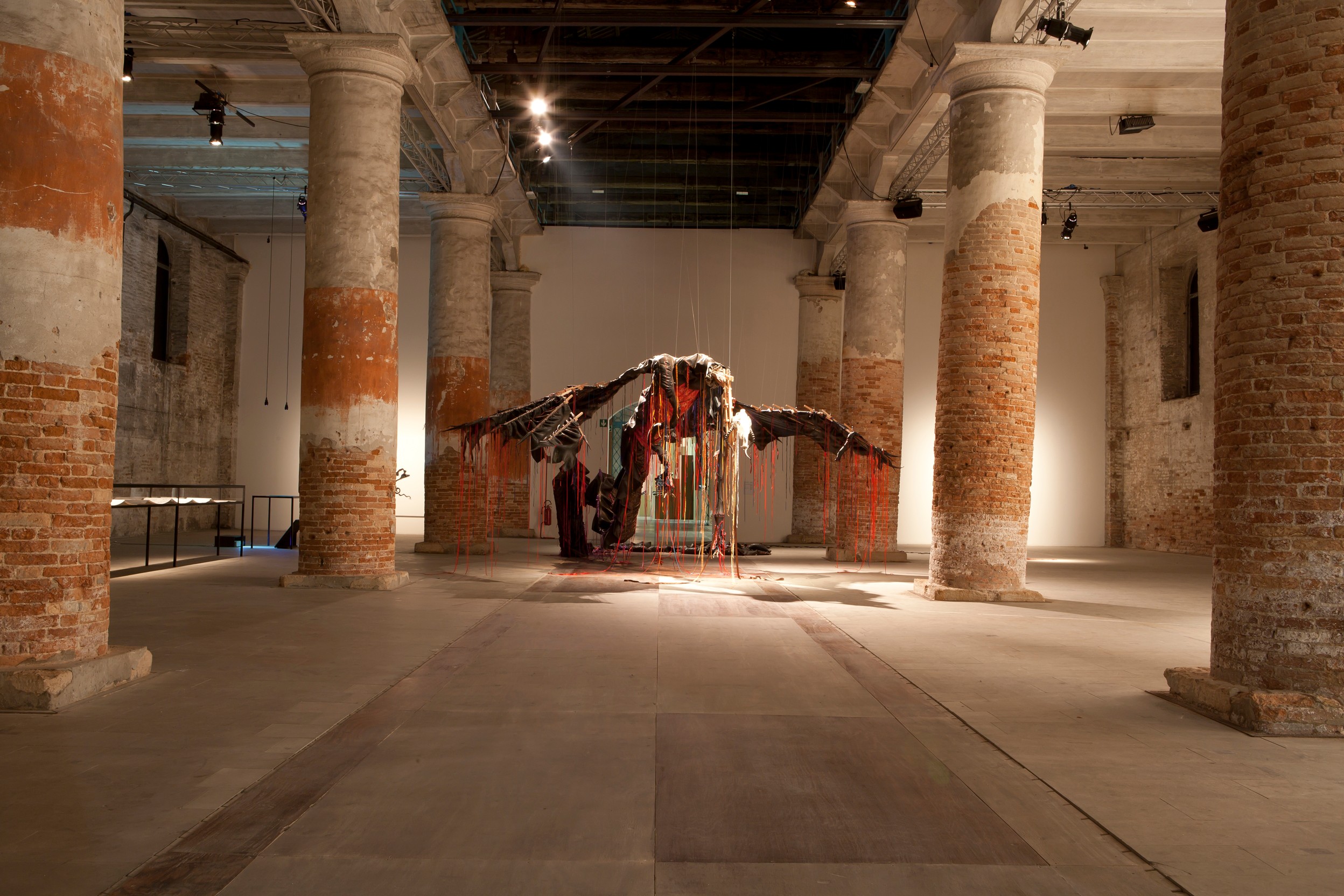
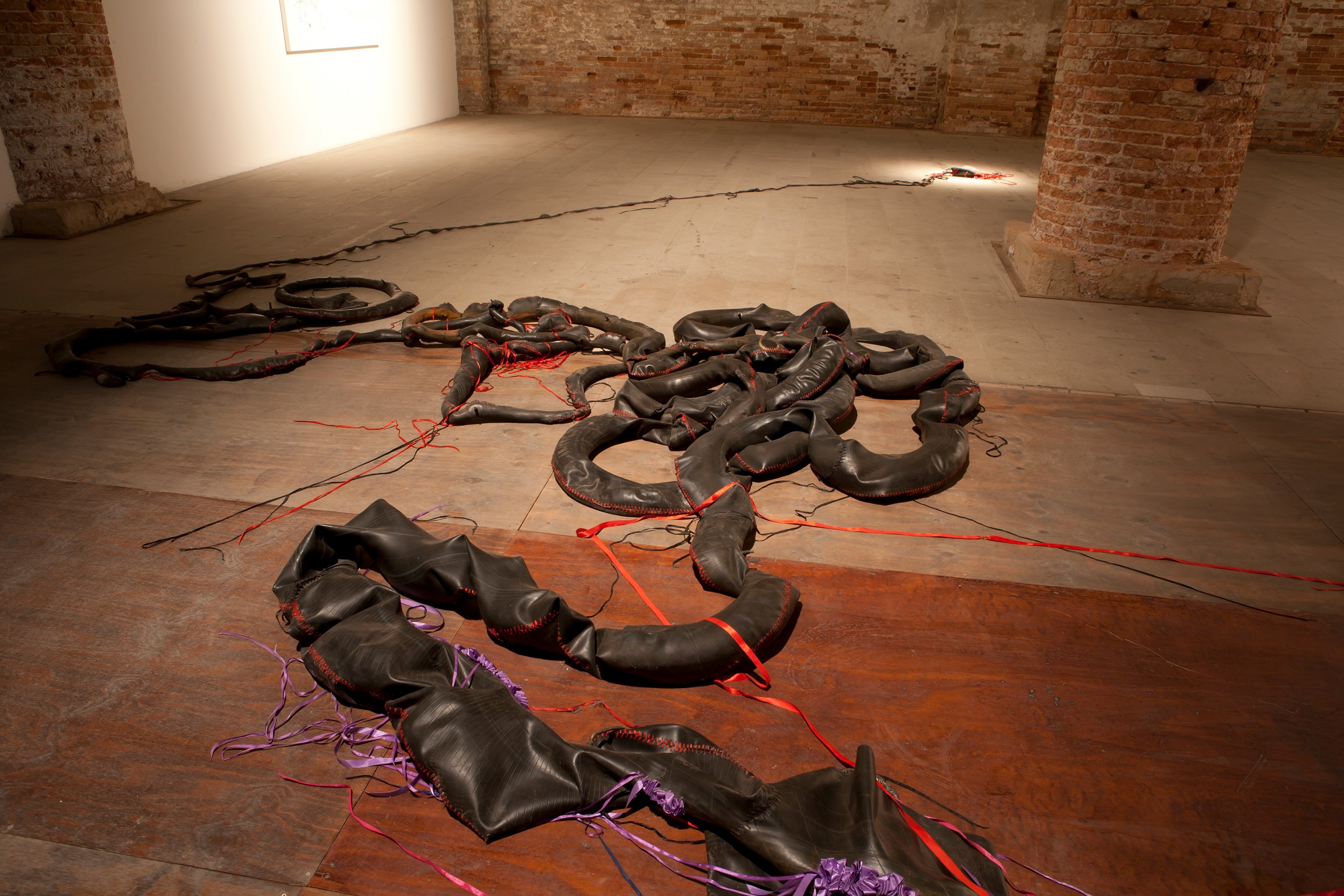
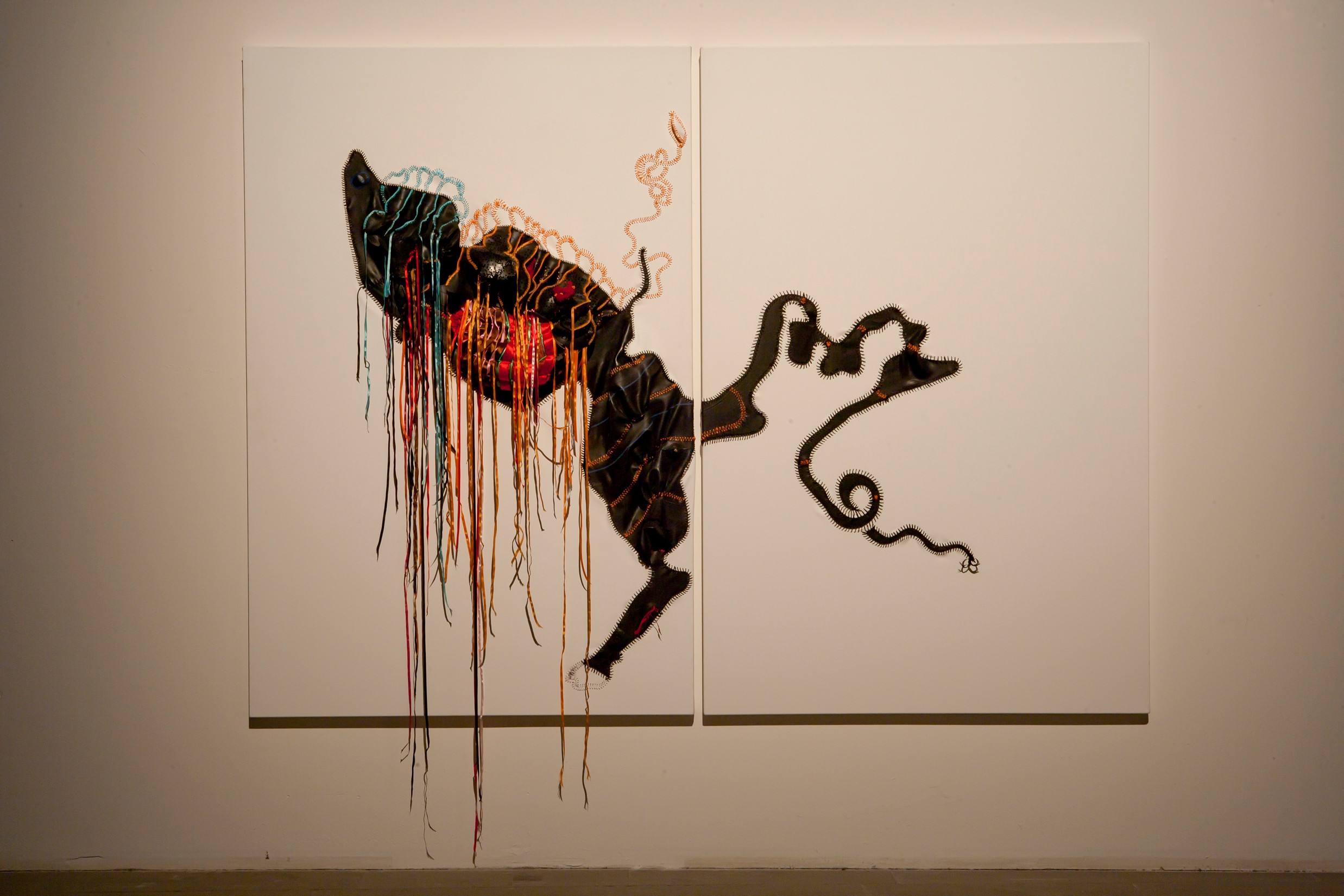
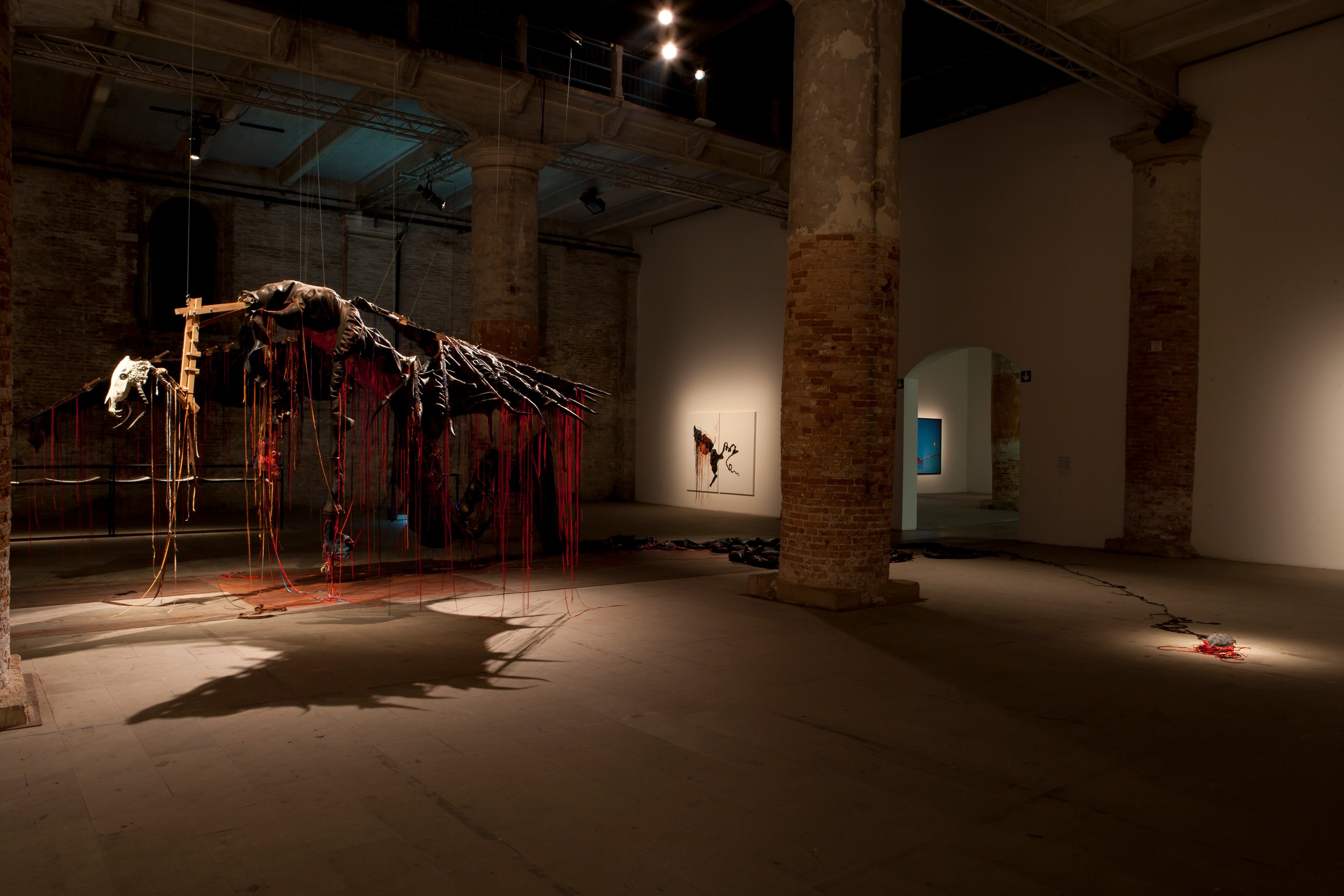
Installation view of Nicholas Hlobo in ILLUMInations at 54th International Venice Biennale

Venice

The 54th International Art Exhibition, titled ILLUMInations, directed by Bice Curiger and organized by la Biennale di Venezia chaired by Paolo Baratta, is open to the public from Saturday, June 4th to November 27th, 2011 in the Giardini and at the Arsenale.

The Exhibition, spreading over 10,000 square metres between the Central Pavilion in the Giardini and the Arsenale, comprises a single display featuring 83 artists from all over the world. There are 32 young artists born after 1975 and 32 female artists. Four participants have been asked to create the parapavilions, sculptural structures mounted in the Giardini and at the Arsenale to house works by other artists. Besides favouring new forms of cooperation, the parapavilions aim at infusing the exhibition with greater dynamism. Bice Curiger has additionally encouraged mutual exchanges between the artists of her exhibition and those hosted in the national participations by asking all of them five questions on the themes of identity and their sense of belonging: 1. is the artistic community a nation? 2. how many nations do you feel inside yourself? 3. where do you feel at home? 4. does the future speak English or another language? 5. if art was a nation what would be written in its constitution? The answers, published in the catalogue, voice the views of the artists and draw a map of our contemporary collective landscape.

Installation view of Nicholas Hlobo in ILLUMInations at 54th International Venice Biennale
Installation Views
1 / 3:
Installation view of Nicholas Hlobo in ILLUMInations at 54th International Venice Biennale
Installation Views
1 / 3:
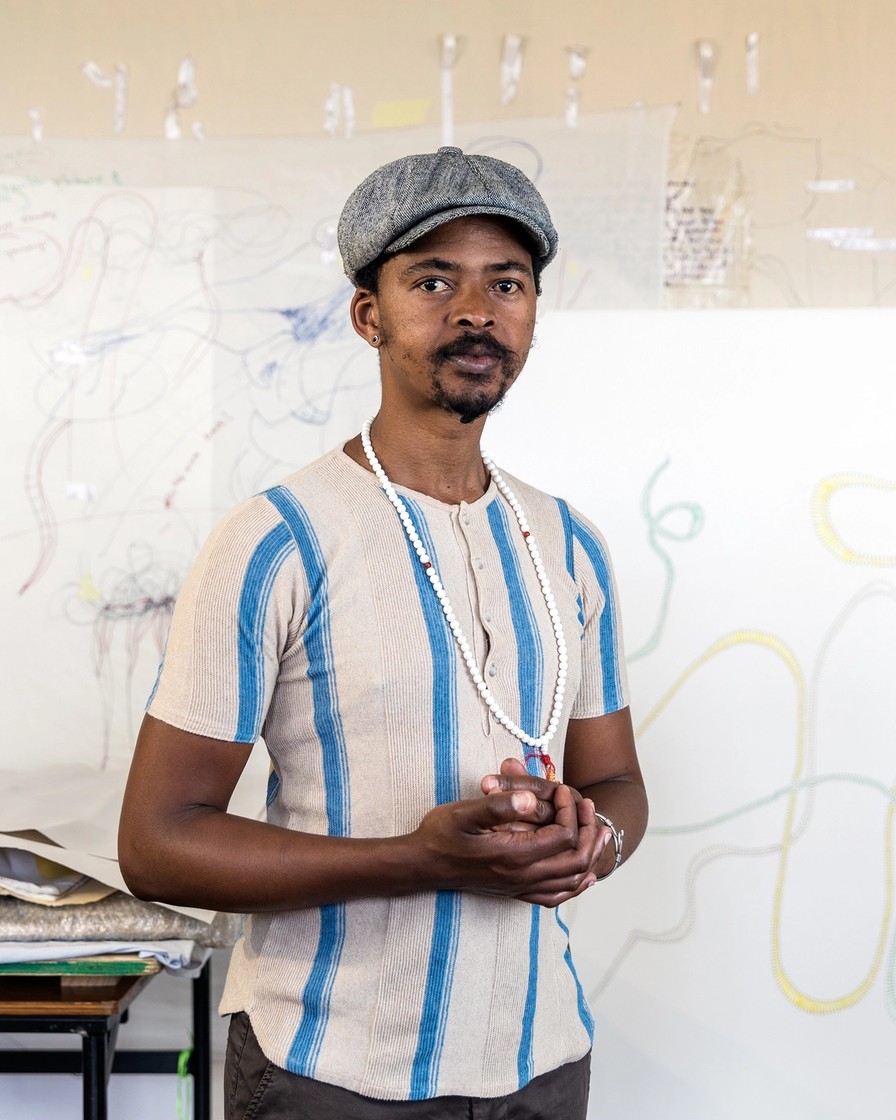
Portrait of Nicholas Hlobo

Nicholas Hlobo (b. 1975, Cape Town, South Africa; lives and works in Johannesburg, South Africa) began his career around the end of apartheid in 1994, when there was a new sense of freedom and national pride in South Africa. With the eradication of legalized and enforced discrimination and segregation, Hlobo and his peers were empowered to openly voice their opinions and ideas under the protection of new laws, and Hlobo’s subtle commentary on the democratic realities of his home country and concerns with the changing international discourse of art formed a foundational tenet of his practice.

Hlobo uses metaphorically charged materials such as ribbon, leather, wood, and rubber detritus, which he melds and weaves together to create two- and three-dimensional hybrid objects that are intricate and seductively tactile. Each material holds a particular association with cultural, gendered, sexual, or ethnic identities, and the works form complex visual narratives that reflect the various dichotomies present within the artist’s home country, as well as those that exist around the world. The results are highly evocative, and the artist combines anthropomorphic imagery with cultural symbols and traditions to create amalgamated forms that feel at once familiar, alien, and ancient. At its core, Hlobo’s practice engages themes of self-discovery and explores the intersections of race, gender, and cultural and sexual identity within the context of his South African heritage.

ILLUMInations | Lehmann Maupin