본문으로 건너뛰기

니콜라스 슬로보

New York

7월 12일–2018년 8월 24일

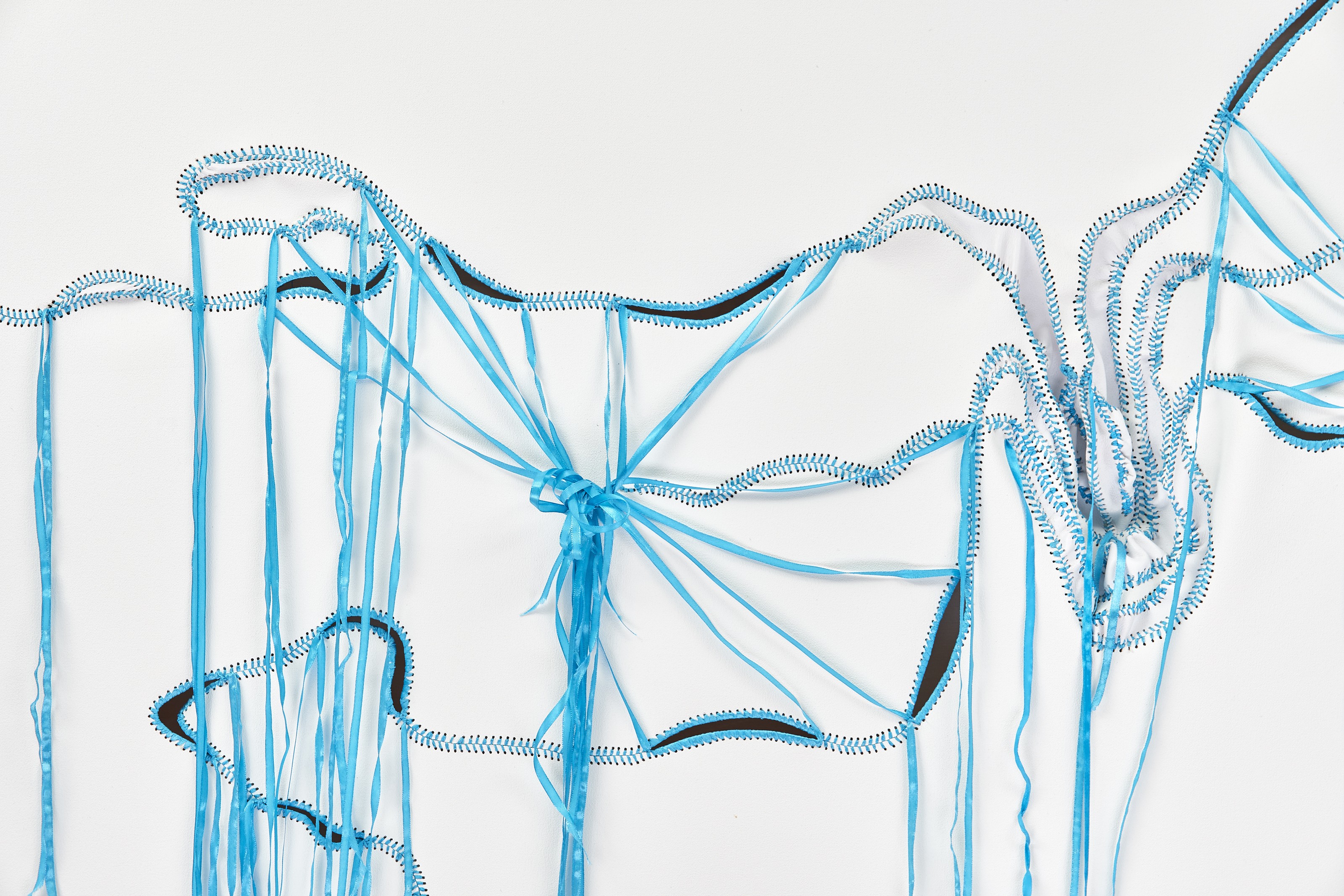
Detail of wall work by Nicholas Hlobo

536 W 22nd Street

New York, NY 10011

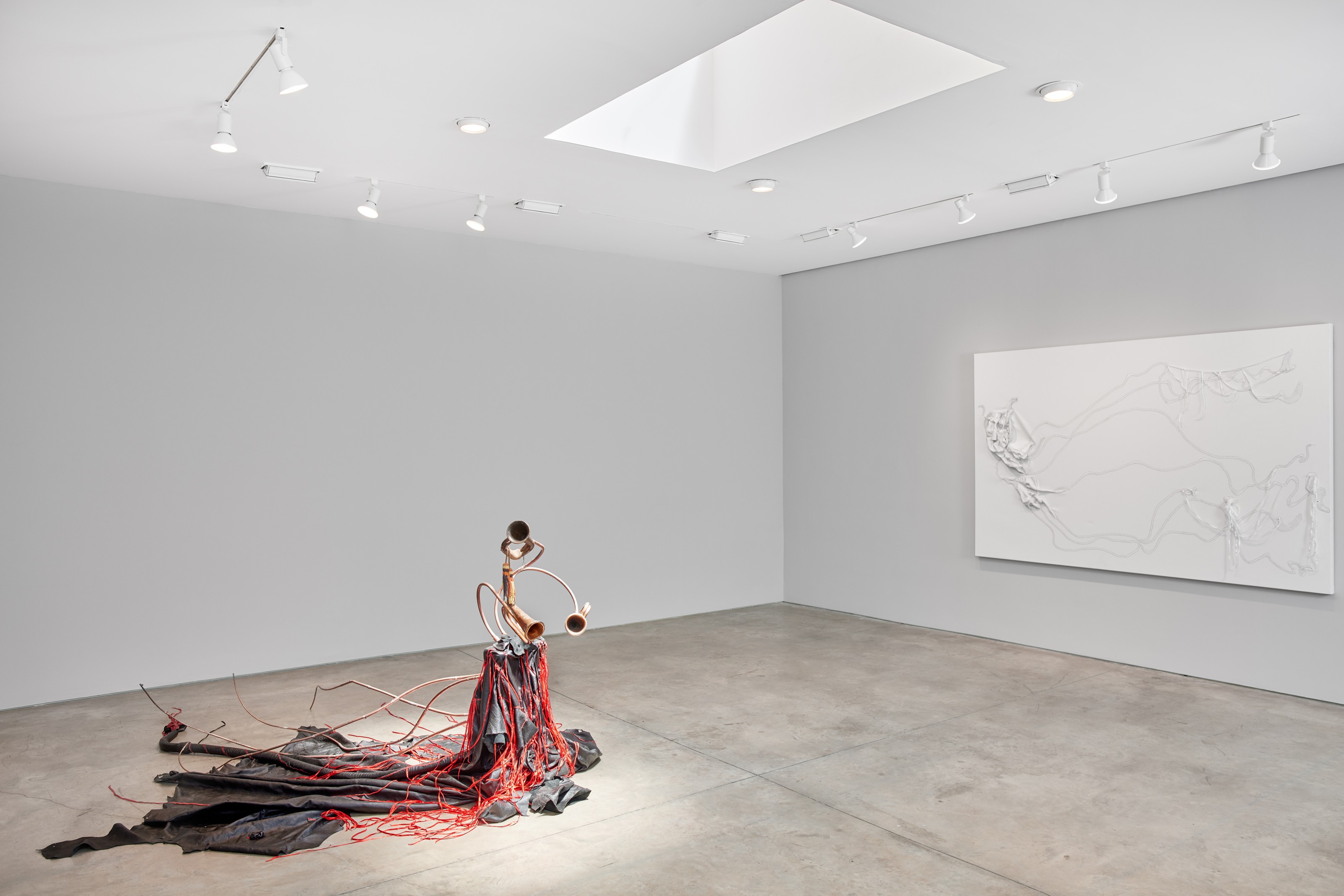
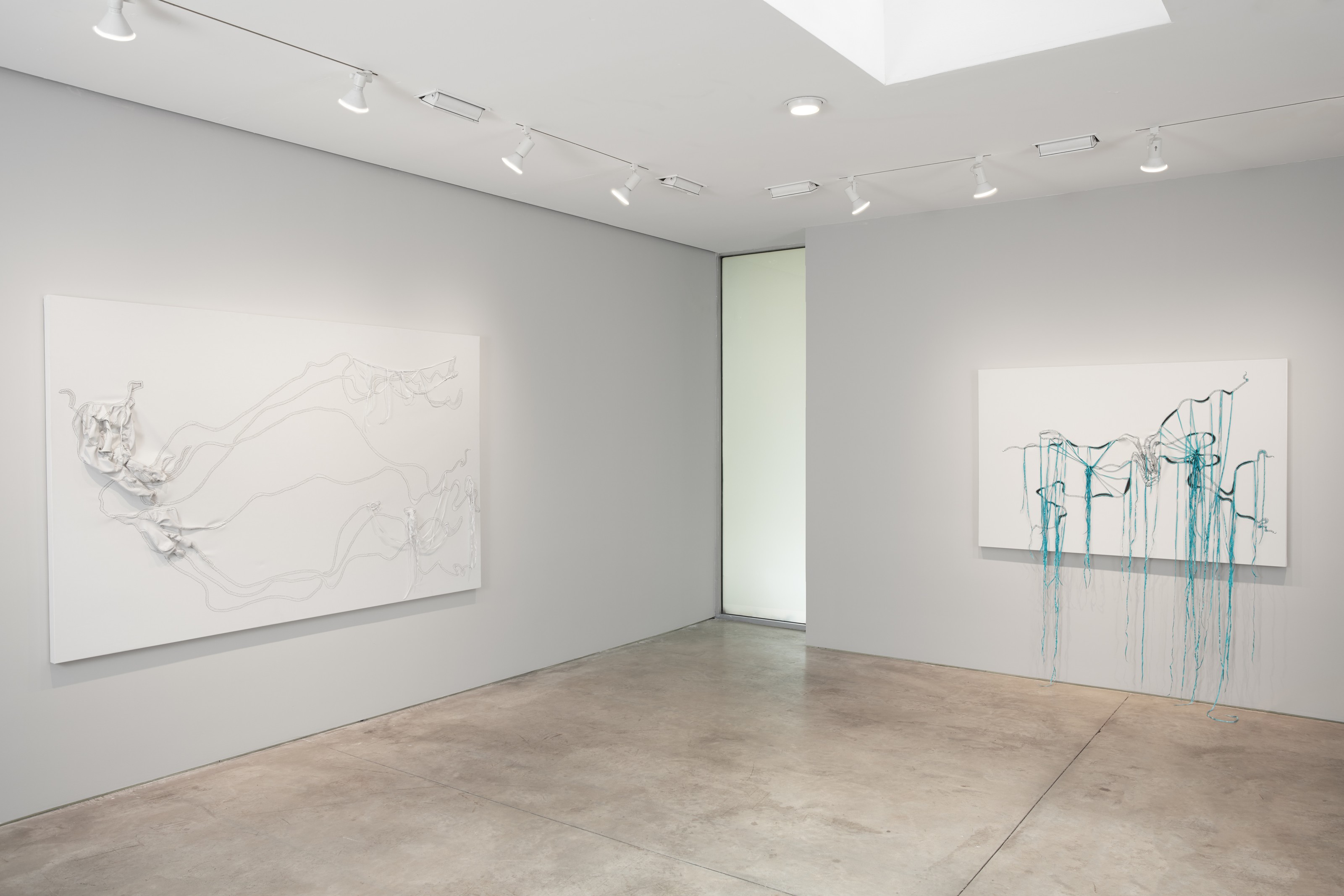
Lehmann Maupin is pleased to announce Ulwamkelo. For Nicholas Hlobo’s second exhibition with the gallery, the South African artist will show recent mixed media paintings and sculptures that merge his signature materials of ribbon, leather, wood, and rubber employed with conceptual specificity to address complex issues of identity. The title, Ulwamkelo, translates to The Welcoming, the artist’s acknowledgement that many of these works were recently recovered and returned to him after his studio in Johannesburg was robbed in 2017. Celebrating this serendipitous outcome, the gallery will host a special opening reception on Wednesday, July 18, from 6 to 8 PM, with an artist talk and performance throughout.

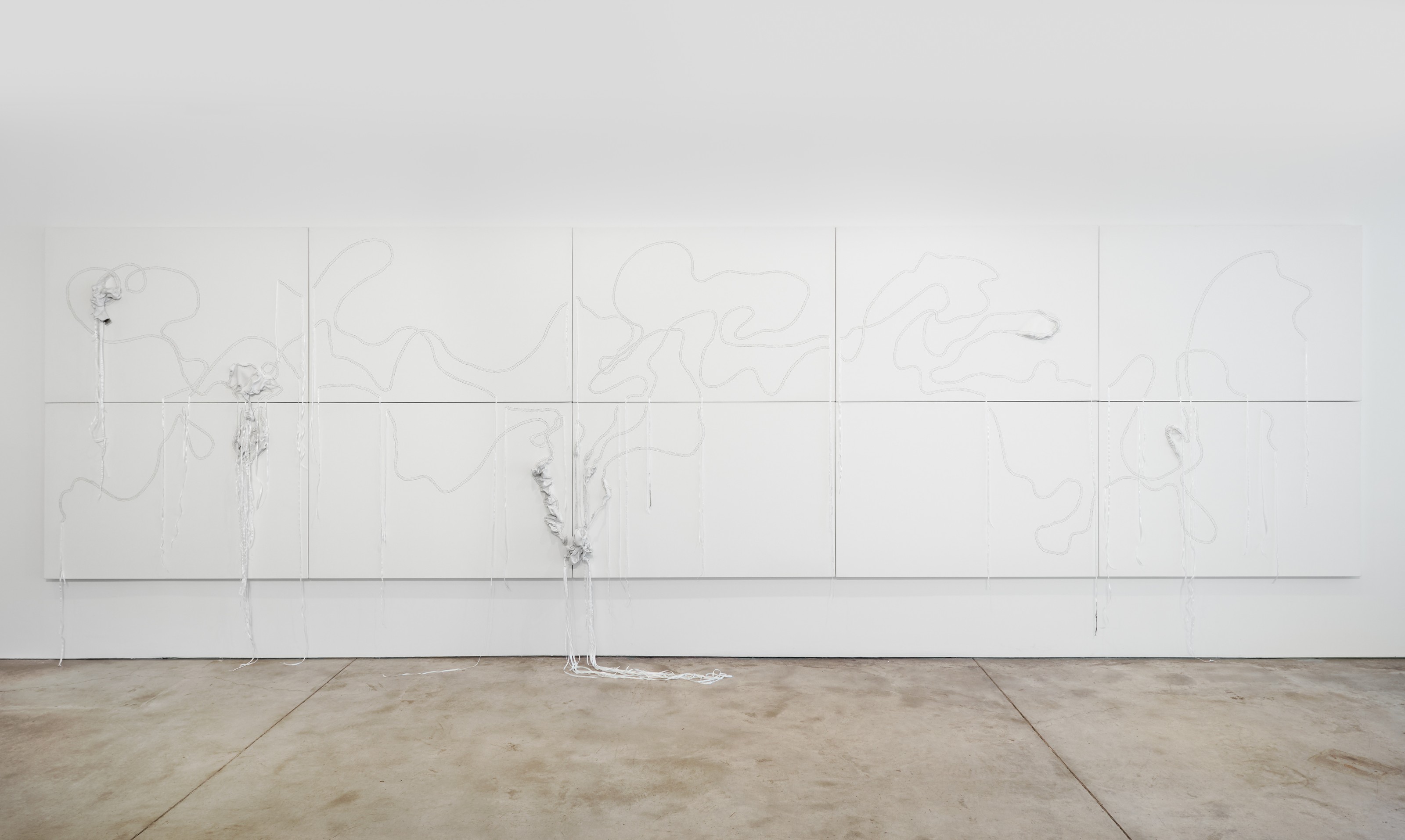
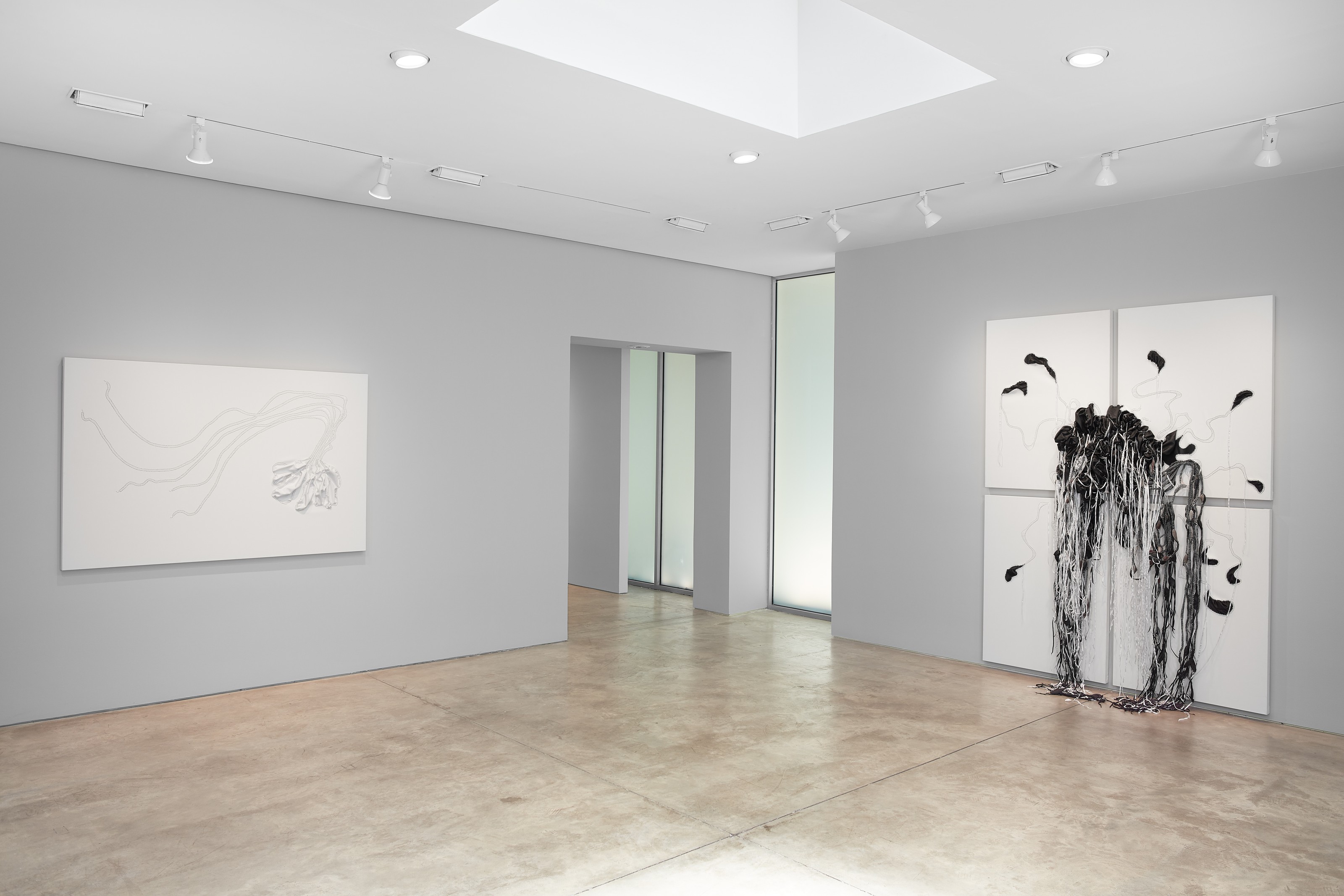
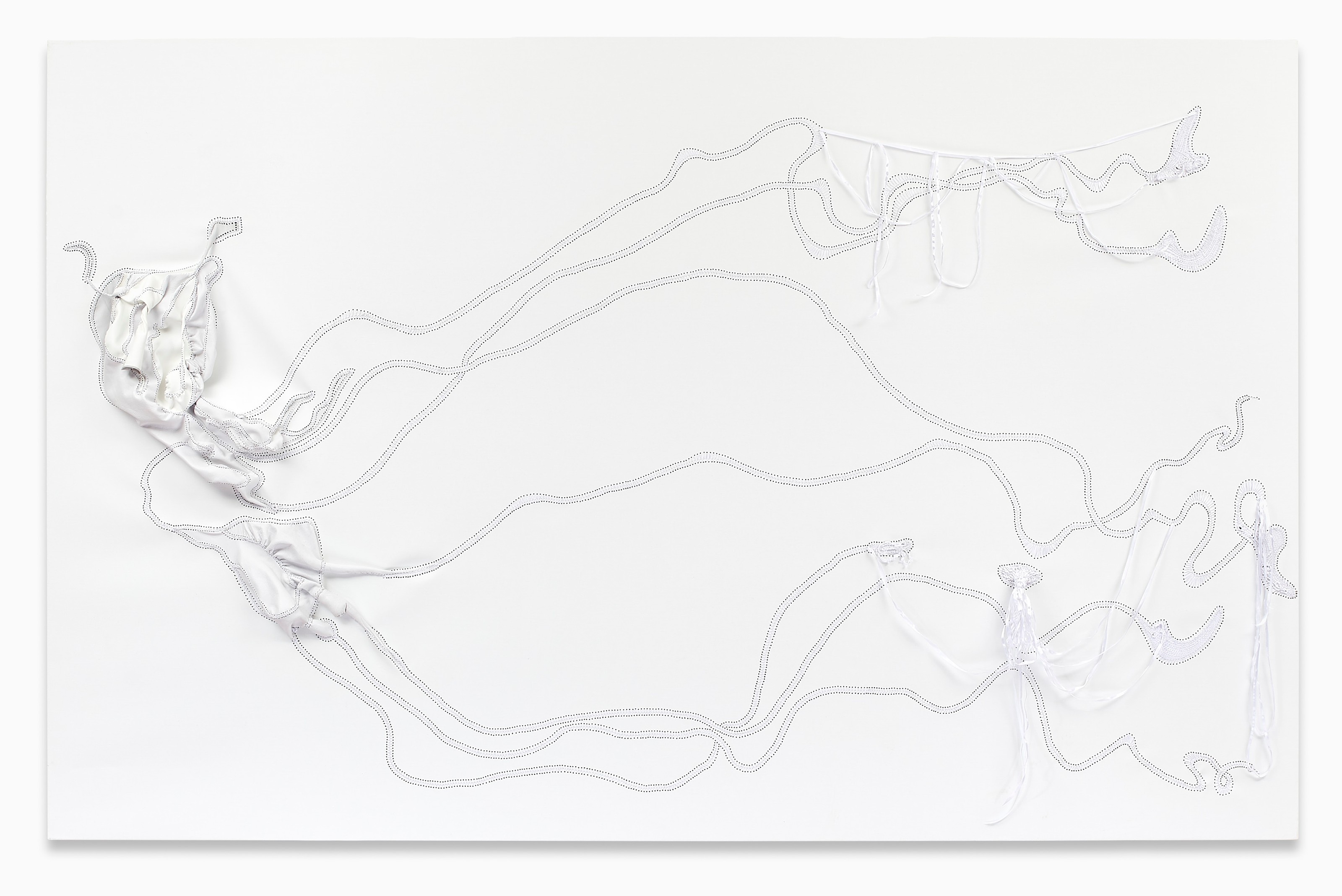
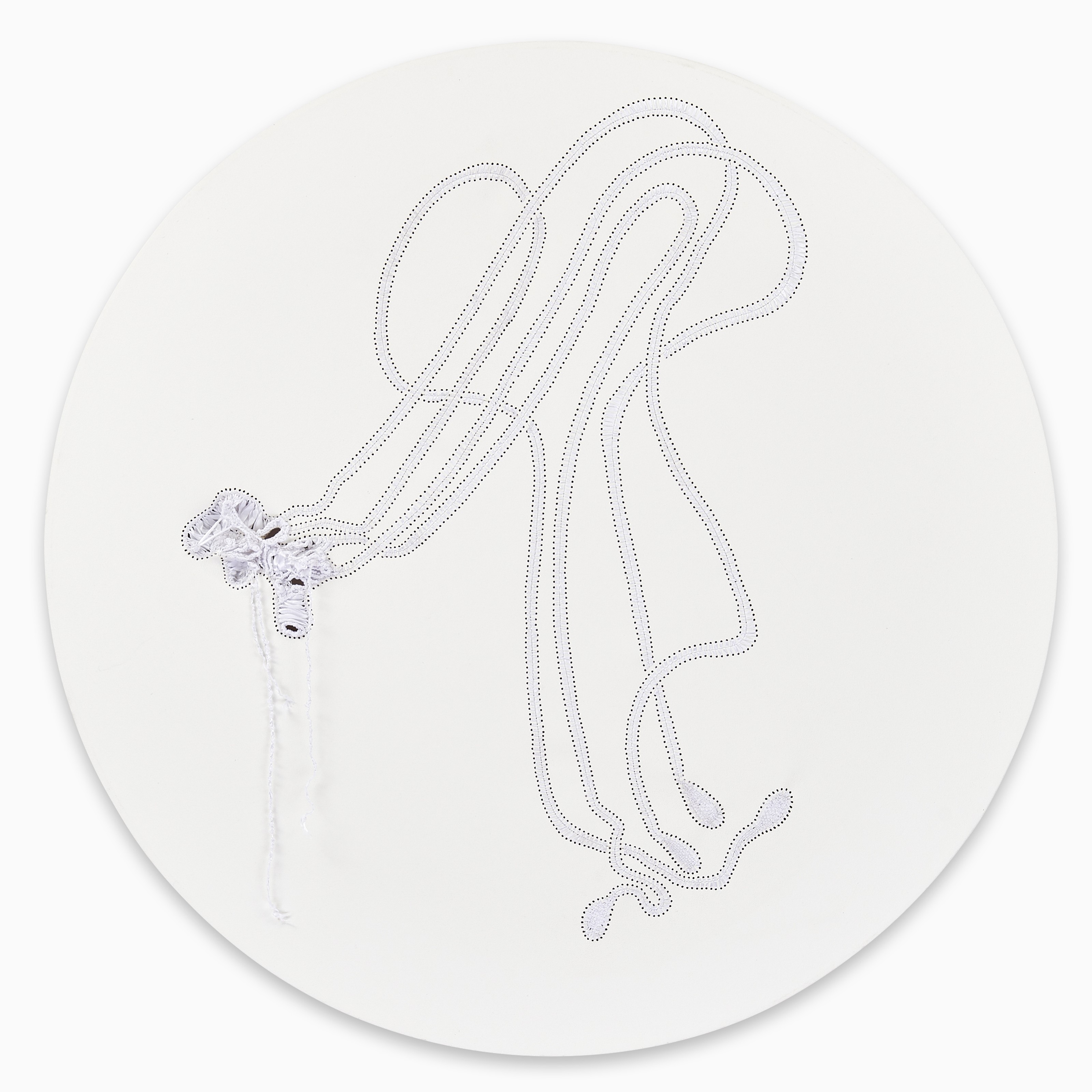
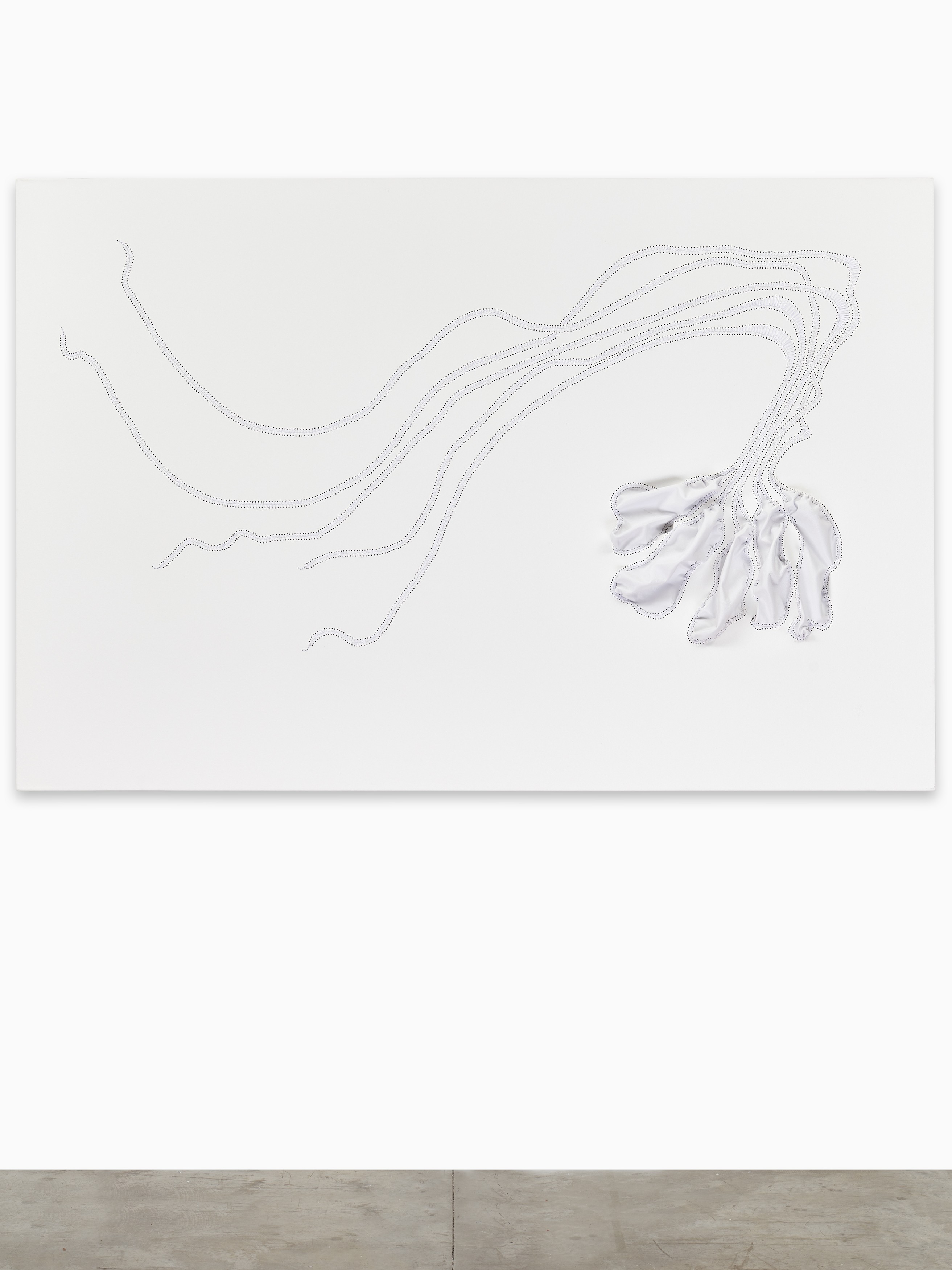
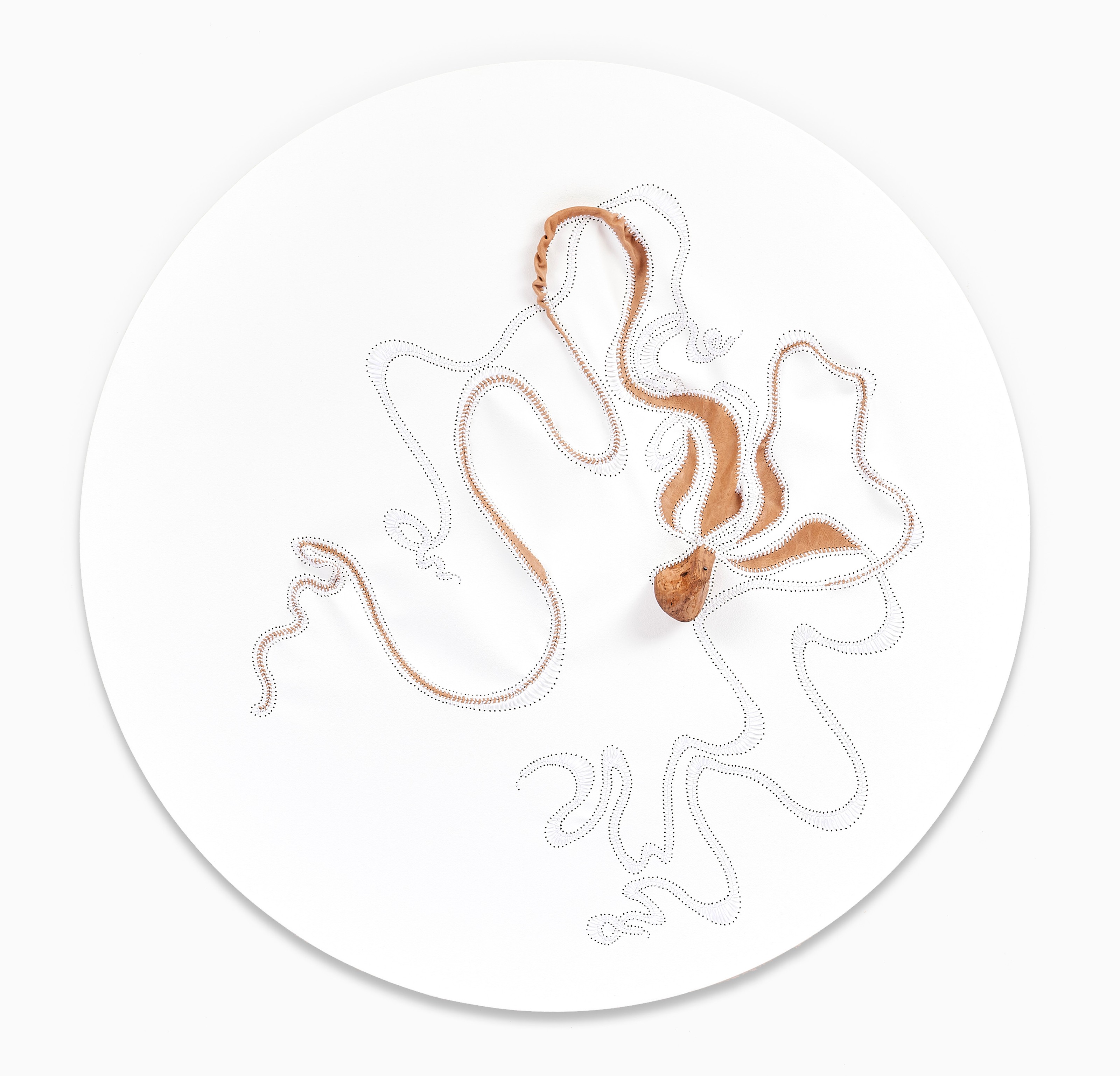
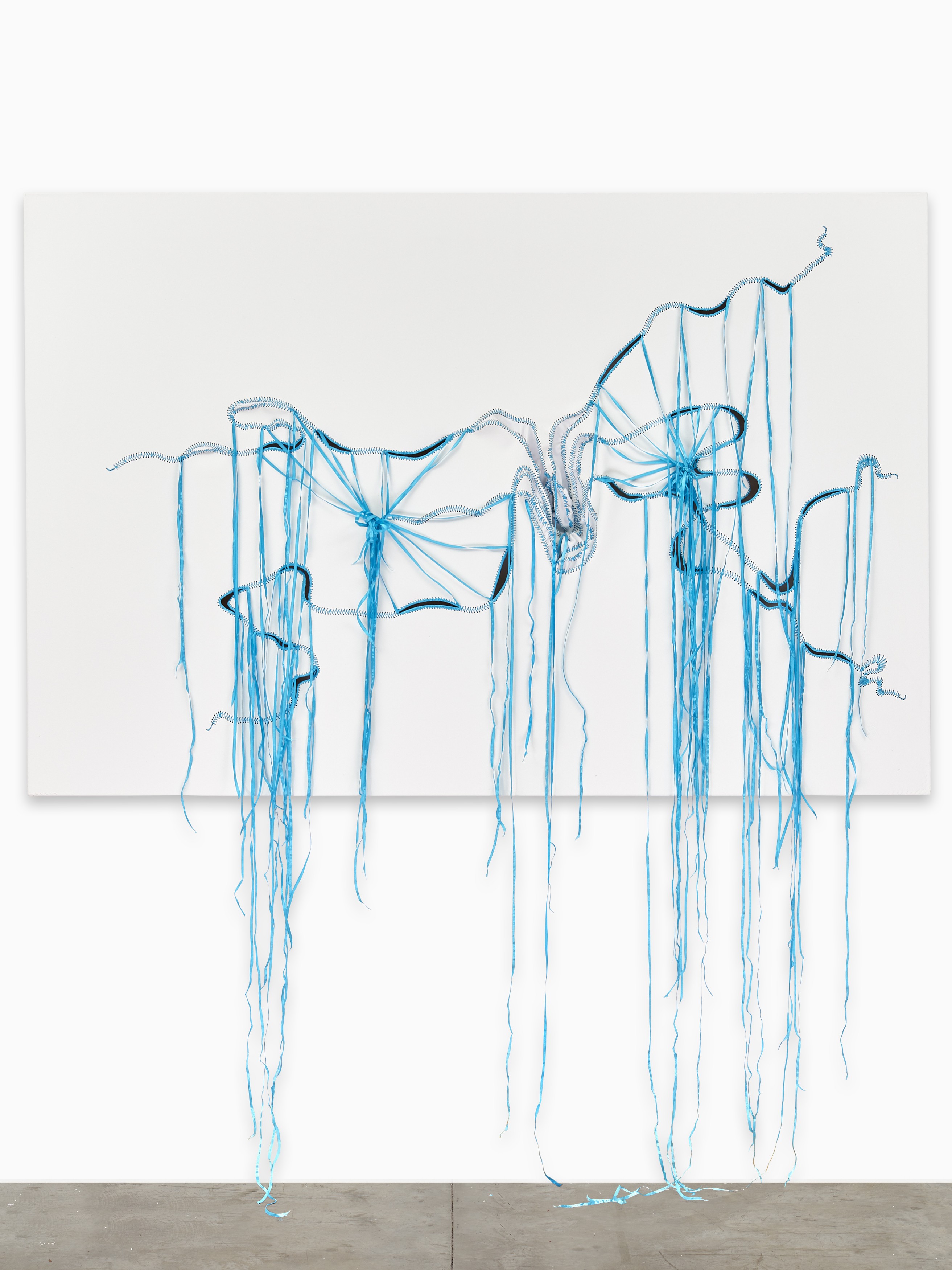
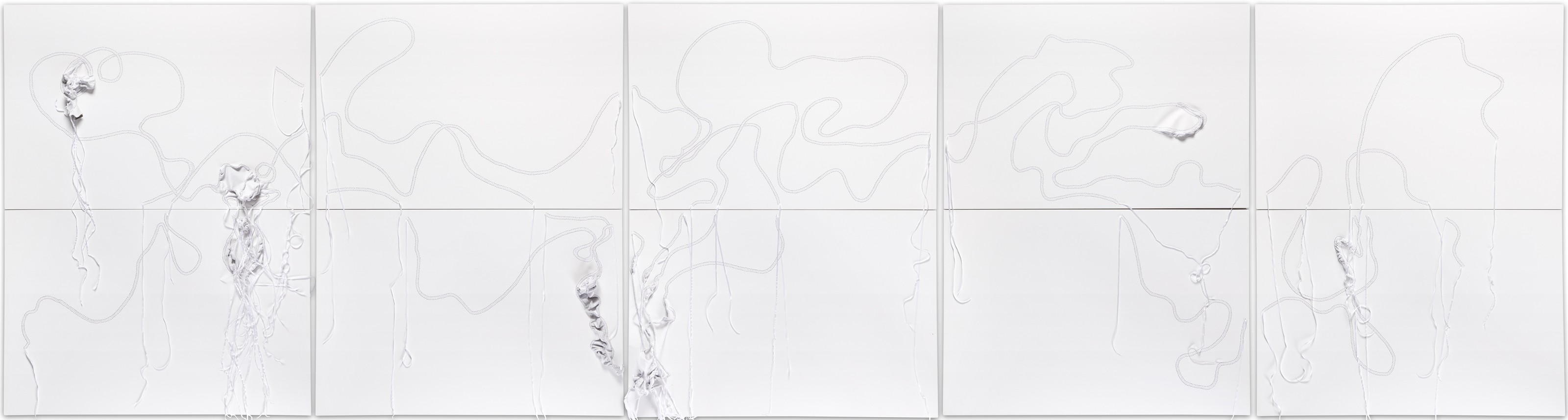
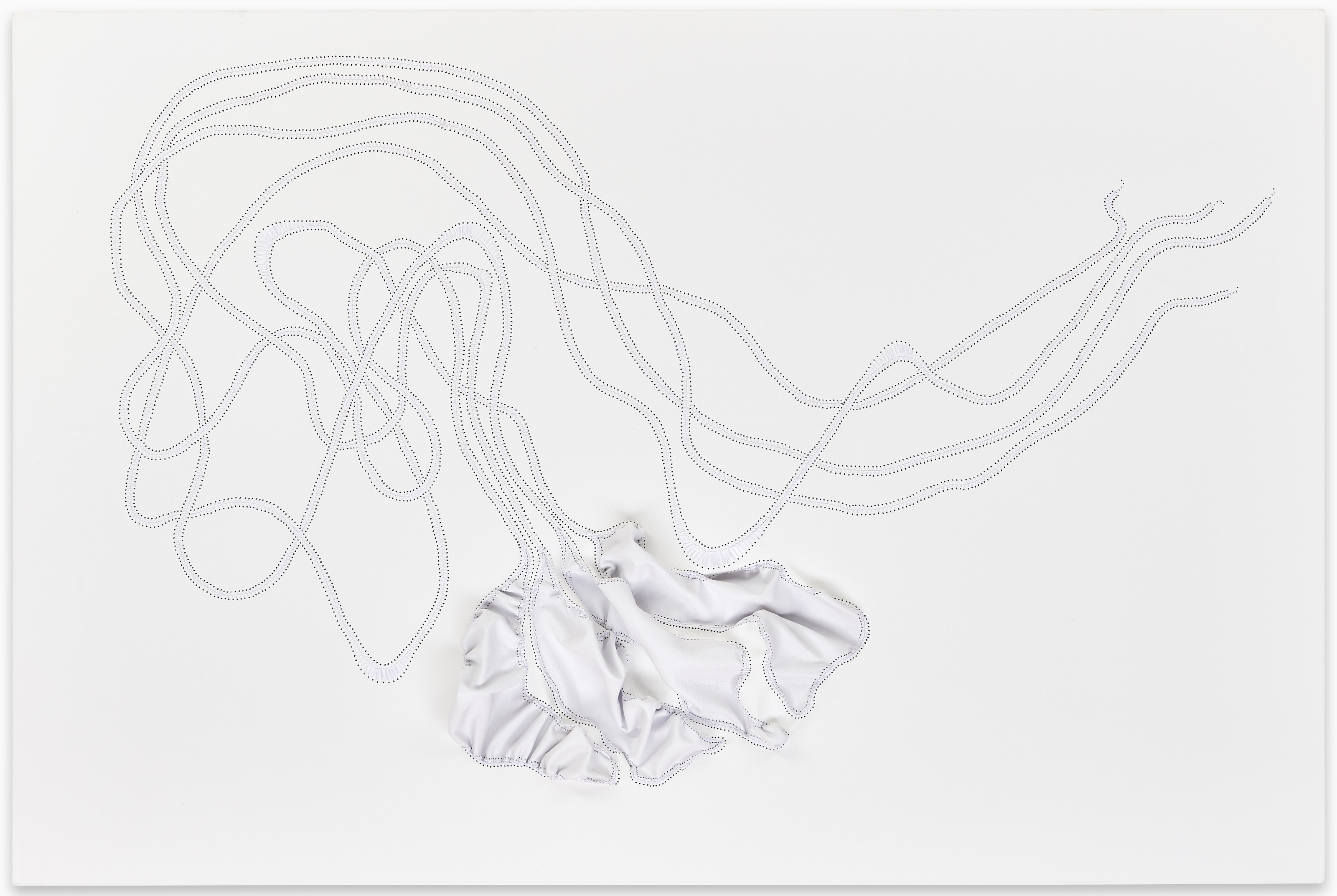
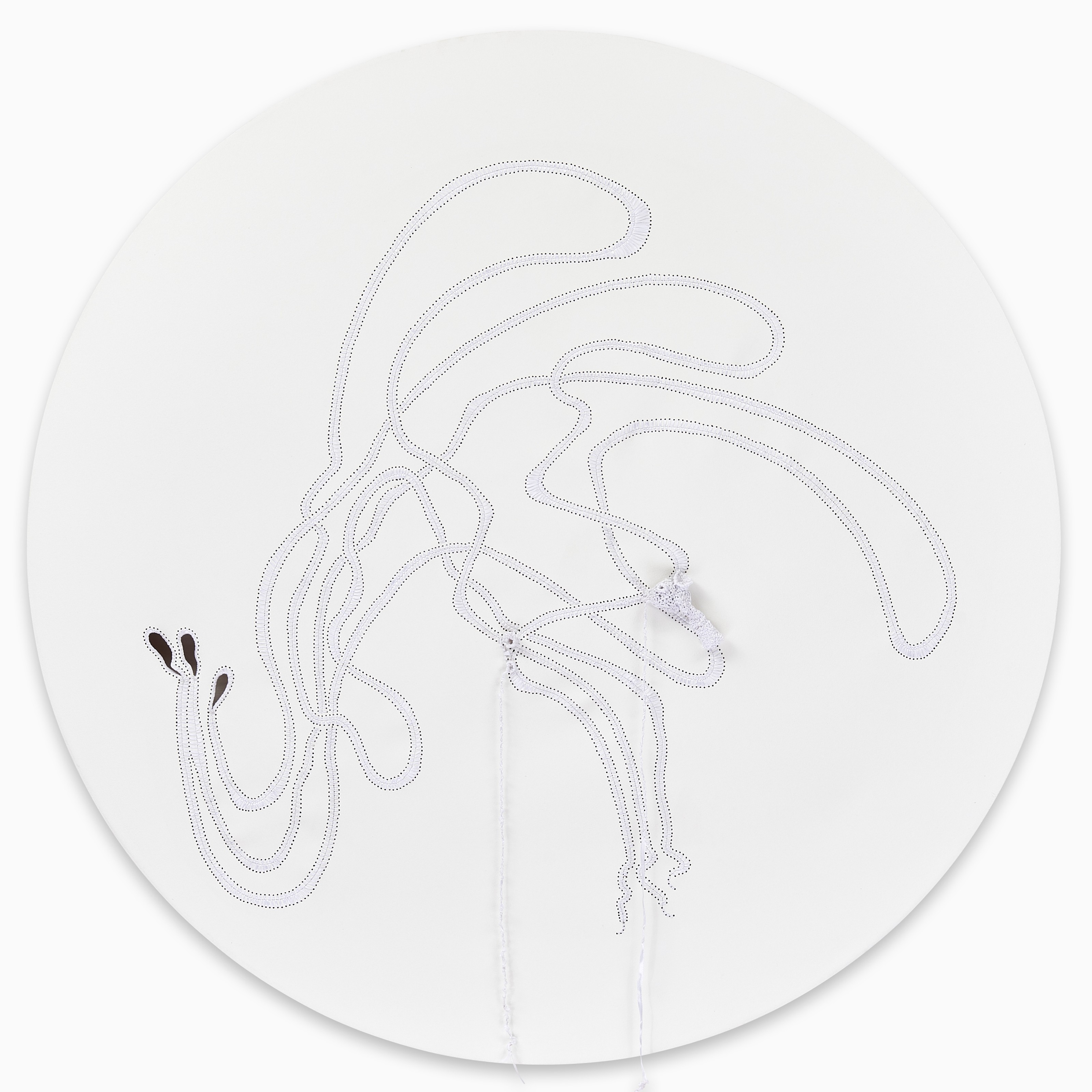
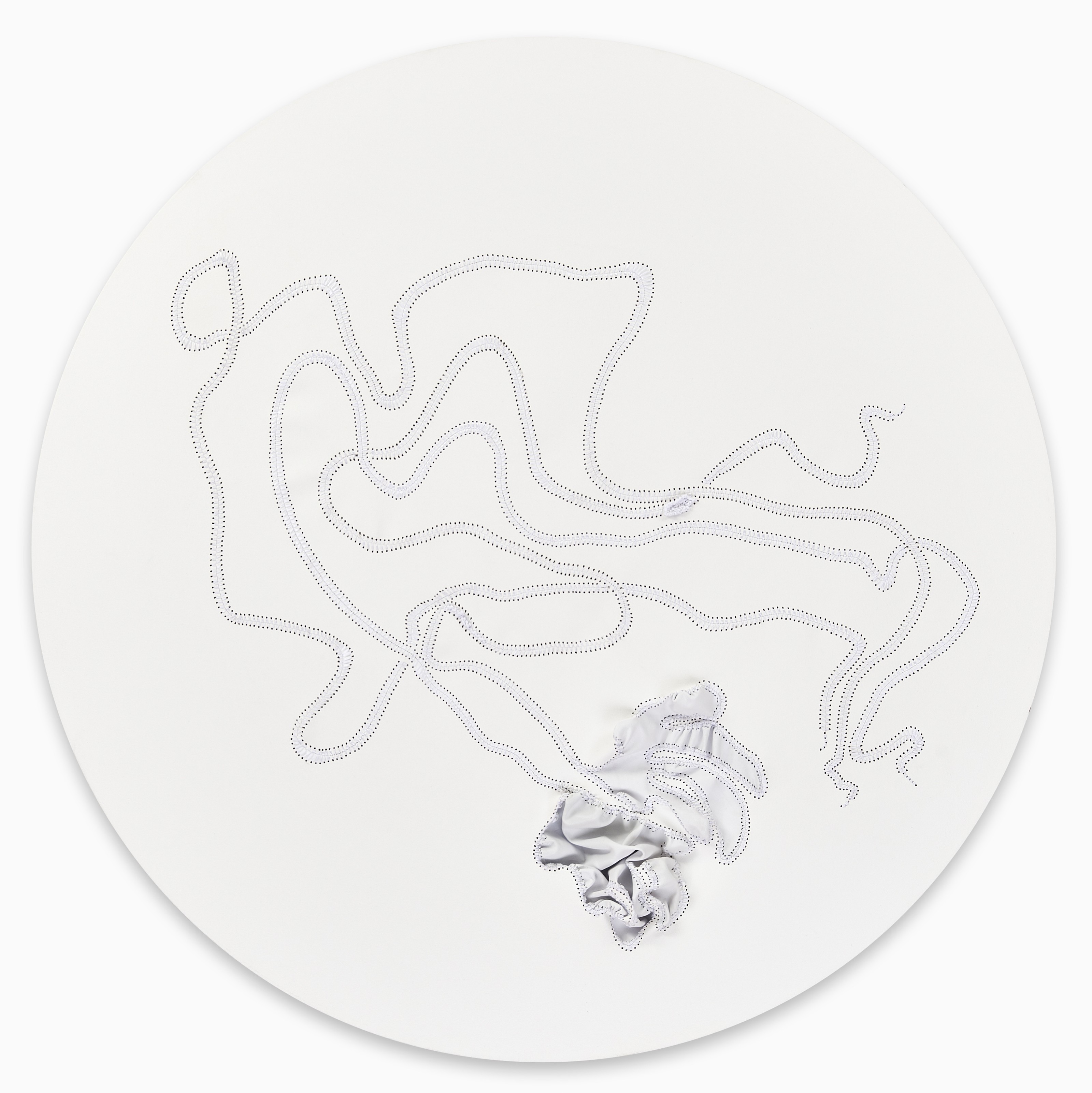
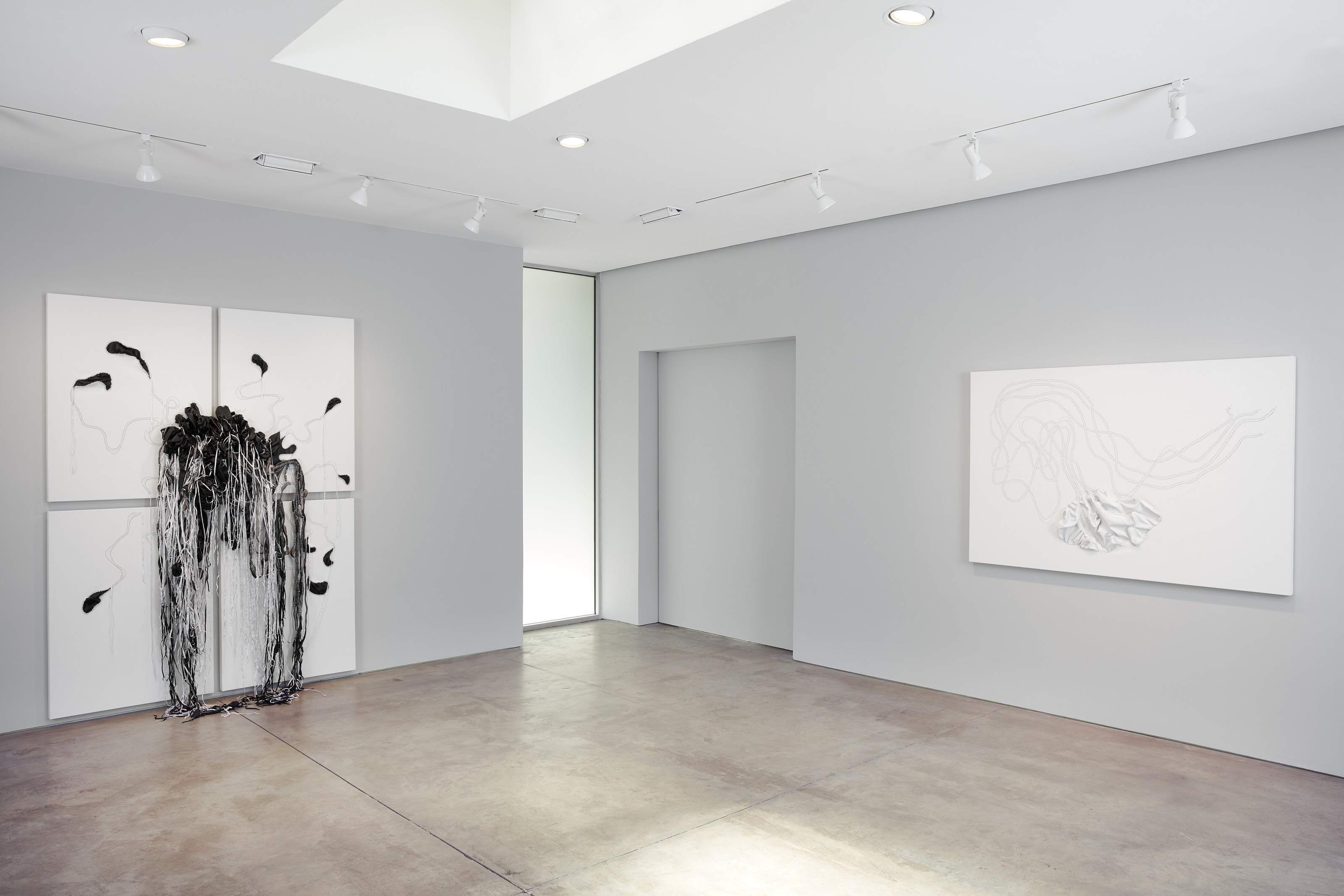
Often, Hlobo leverages the associations weighted in specific materials—ribbons representing the feminine, leather the masculine—merging the two in his paintings like Babelana ngentloko (2017) to pull apart this binary assimilation and present a more holistic and multifaceted approach. The biomorphic entities represented, often described as sperm-like, seem to morph into more female reproductive organs, or alternatively could just as easily be floral, or oceanic, making a point about the reality of fluidity in a construct like gender.

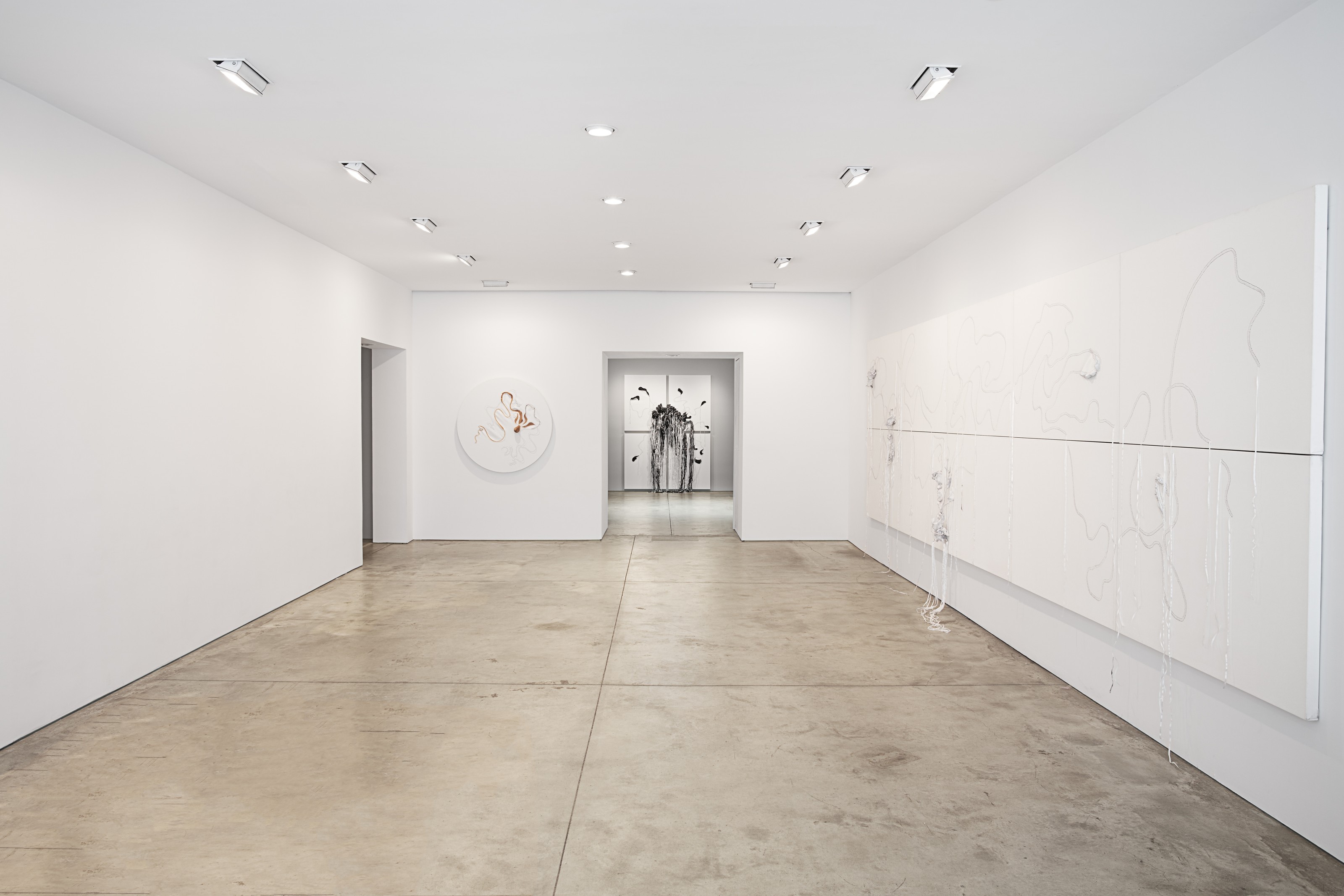
Installation view of Nicholas Hlobo at Lehmann Maupin New York
Installation Views: 1 / 4
Wall work by Nicholas Hlobo

니콜라스 슬로보

Babelana ngentloko, 2017

Wall work by Nicholas Hlobo

니콜라스 슬로보

Ixhegokazi, 2017

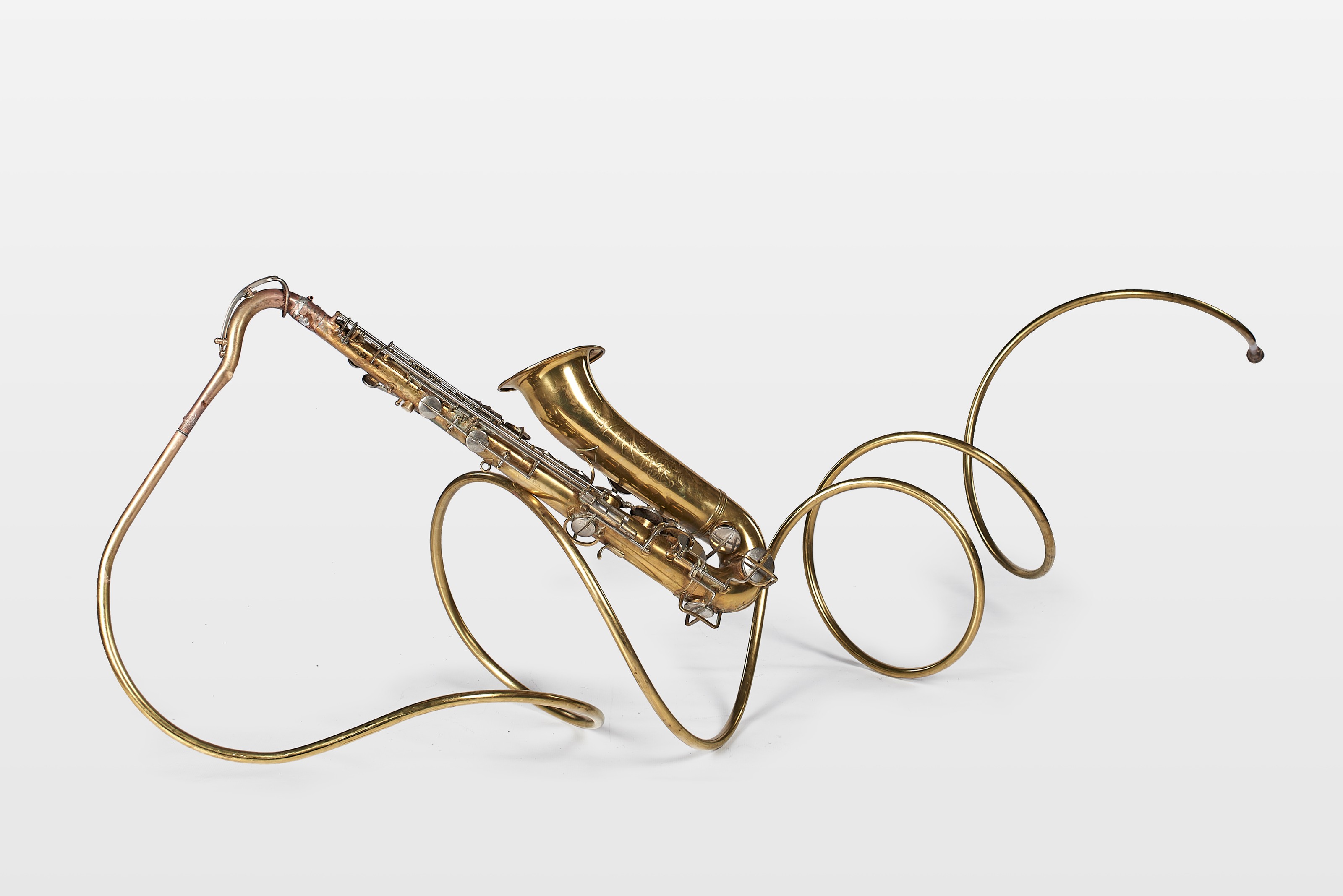
Sculpture by Nicholas Hlobo

니콜라스 슬로보

Unduluko, 2017

Wall work by Nicholas Hlobo

니콜라스 슬로보

Dangazela, 2017

Wall work by Nicholas Hlobo

니콜라스 슬로보

Fak’unyawo, 2017

Wall work by Nicholas Hlobo

니콜라스 슬로보

Intlantsana, 2017

Wall work by Nicholas Hlobo

니콜라스 슬로보

Nasentlango zikhona iziqhamo, 2017

Wall work by Nicholas Hlobo

니콜라스 슬로보

Bhavuma, 2017

Wall work by Nicholas Hlobo

니콜라스 슬로보

Lind’ubusi, 2017

Wall work by Nicholas Hlobo

니콜라스 슬로보

Umkhono, 2017

Installation view of Nicholas Hlobo at Lehmann Maupin New York
Installation Views: 1 / 3
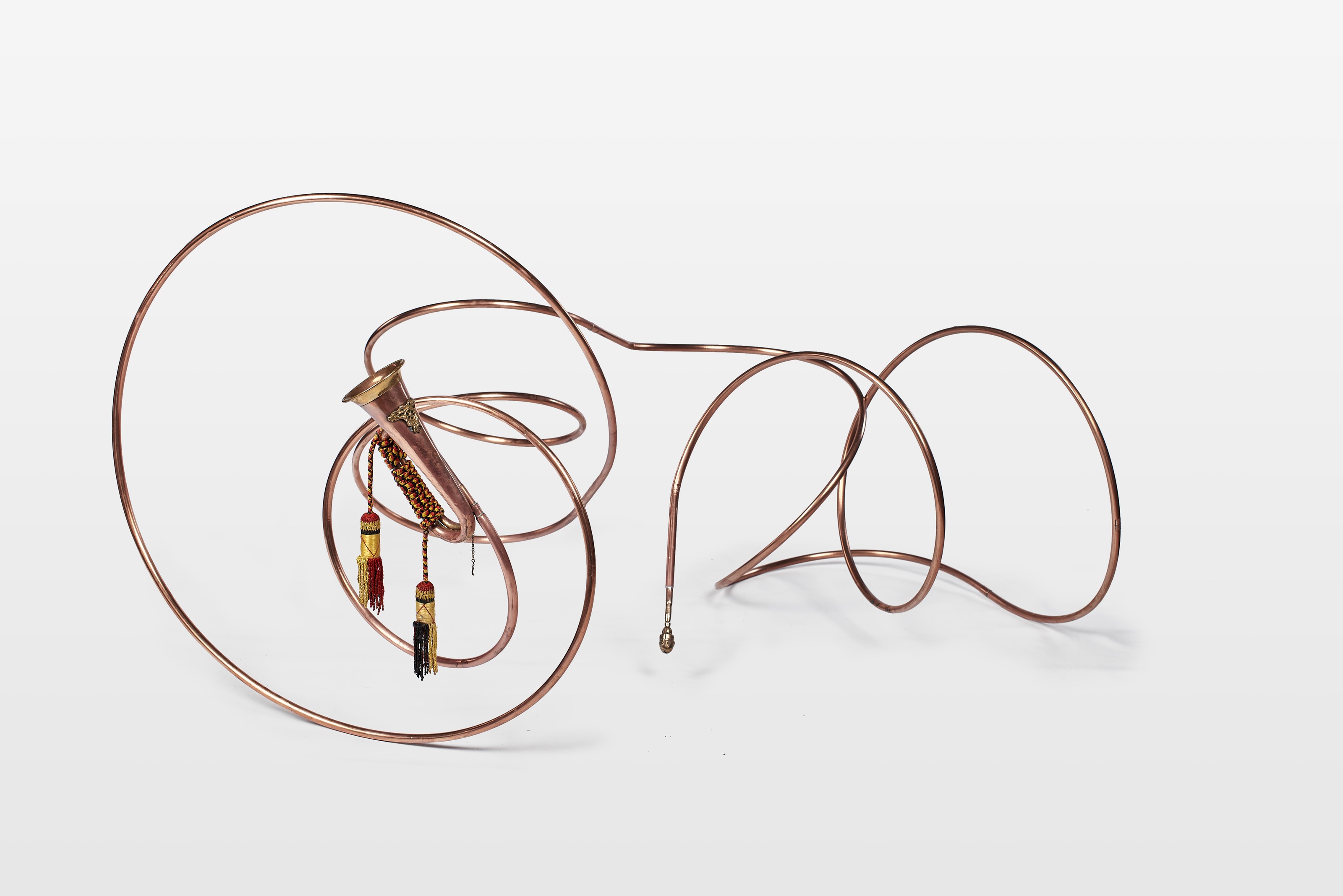
Sculpture by Nicholas Hlobo

니콜라스 슬로보

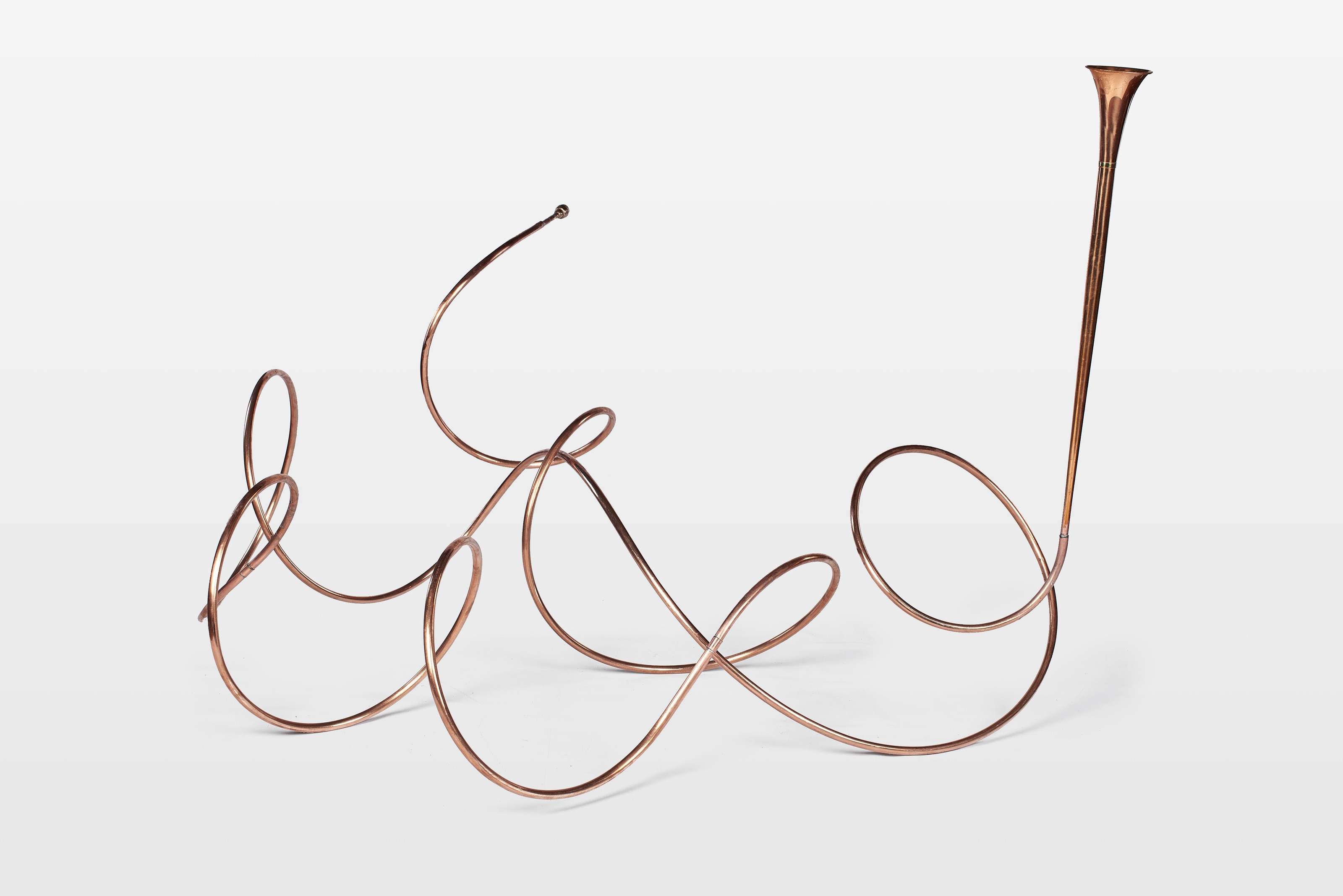
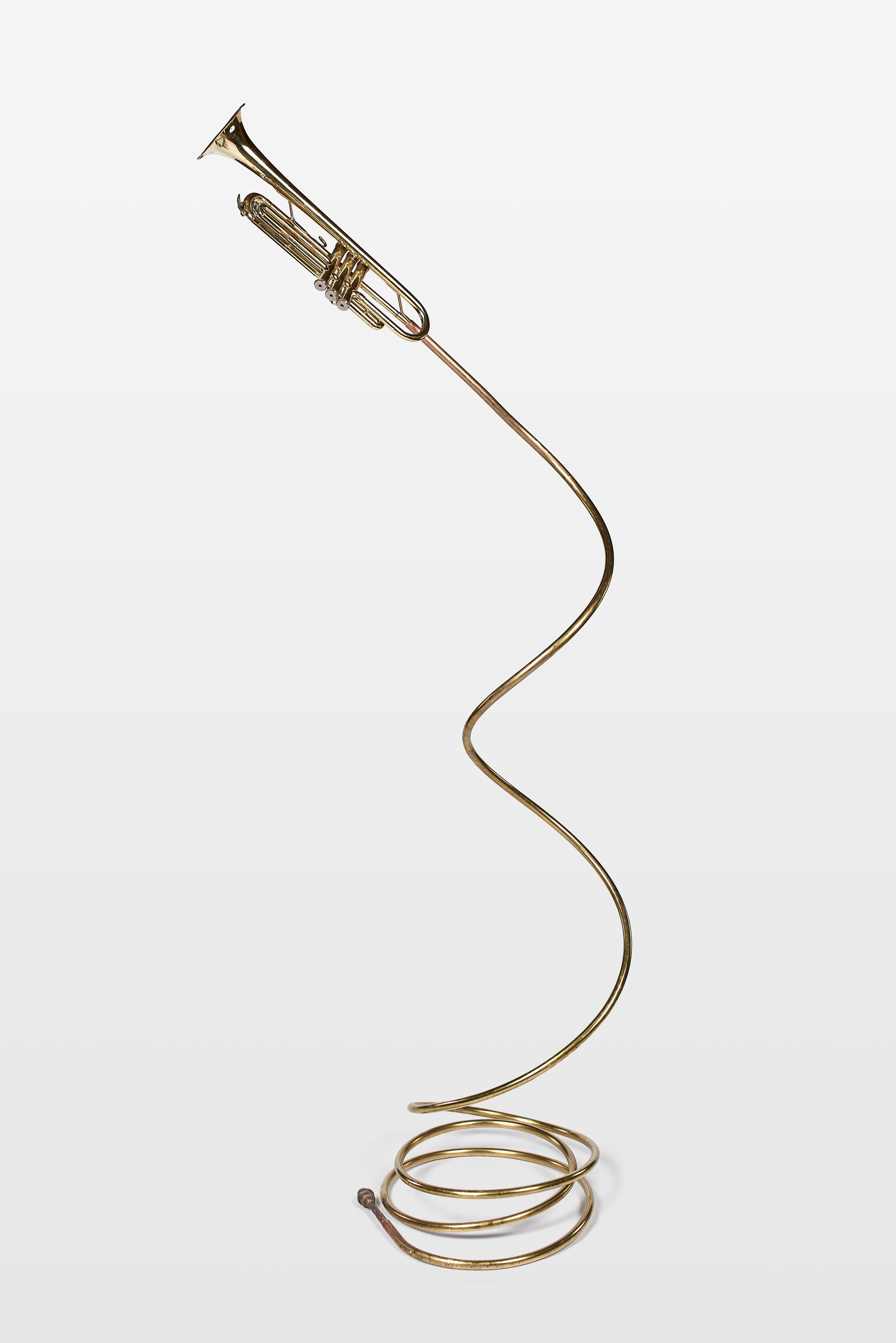
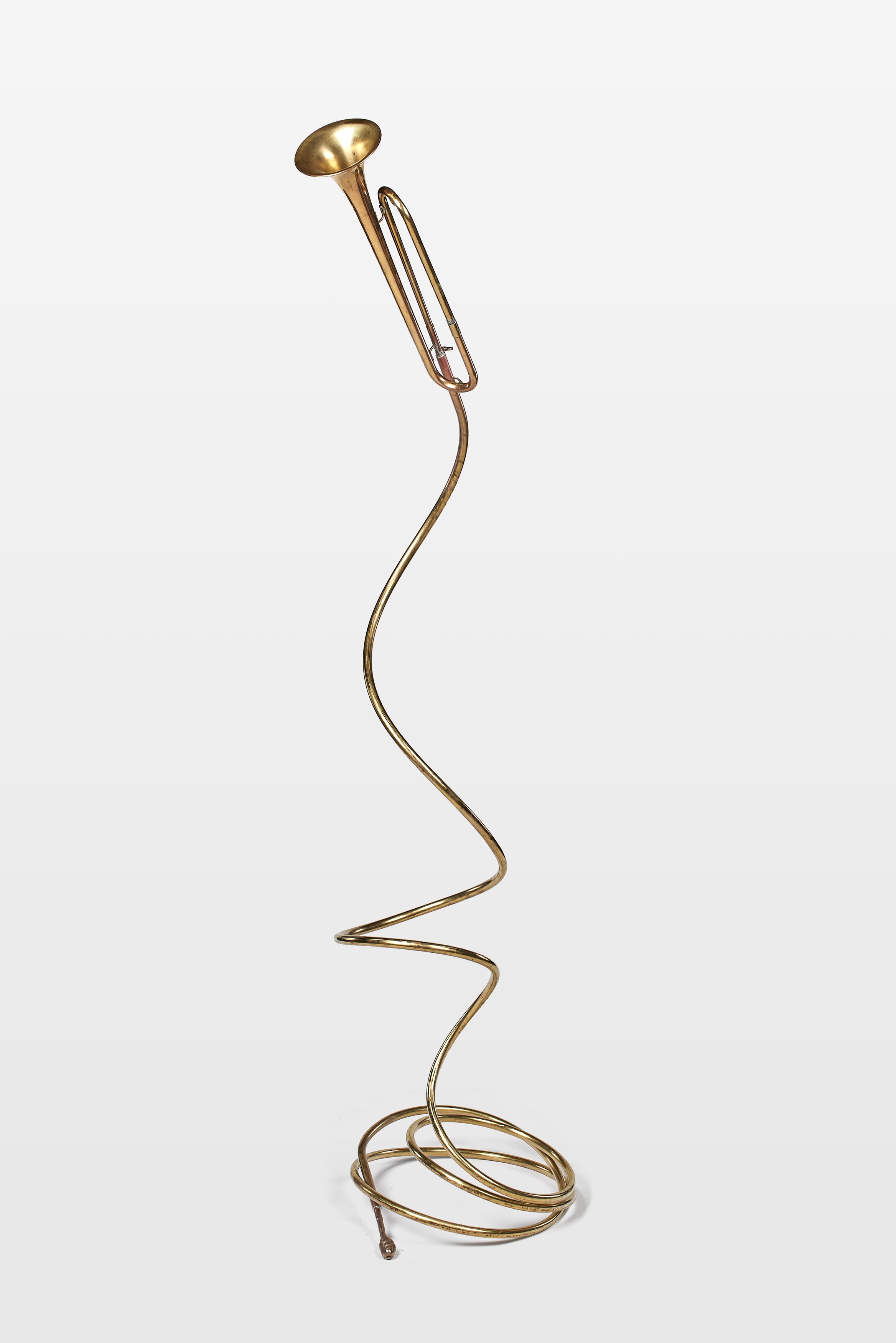
Mphephethe uthe cwaka (element 1), 2017

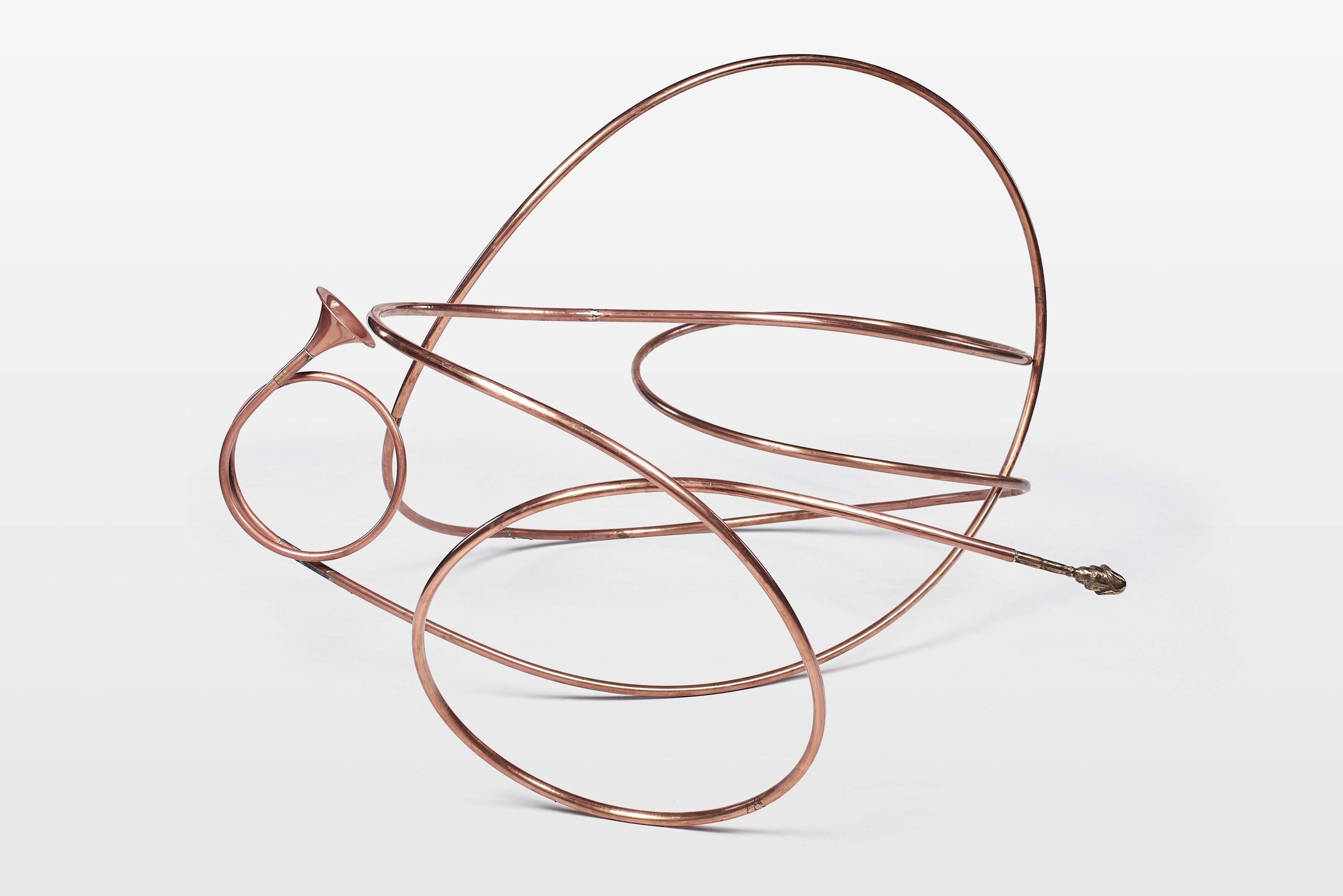
Sculpture by Nicholas Hlobo

니콜라스 슬로보

Mphephethe uthe cwaka (element 2), 2017

Sculpture by Nicholas Hlobo

니콜라스 슬로보

Mphephethe uthe cwaka (element 3), 2017

Sculpture by Nicholas Hlobo

니콜라스 슬로보

Mphephethe uthe cwaka (element 4), 2017

Sculpture by Nicholas Hlobo

니콜라스 슬로보

Mphephethe uthe cwaka (element 5), 2017

Sculpture by Nicholas Hlobo

니콜라스 슬로보

Mphephethe uthe cwaka (element 6), 2017

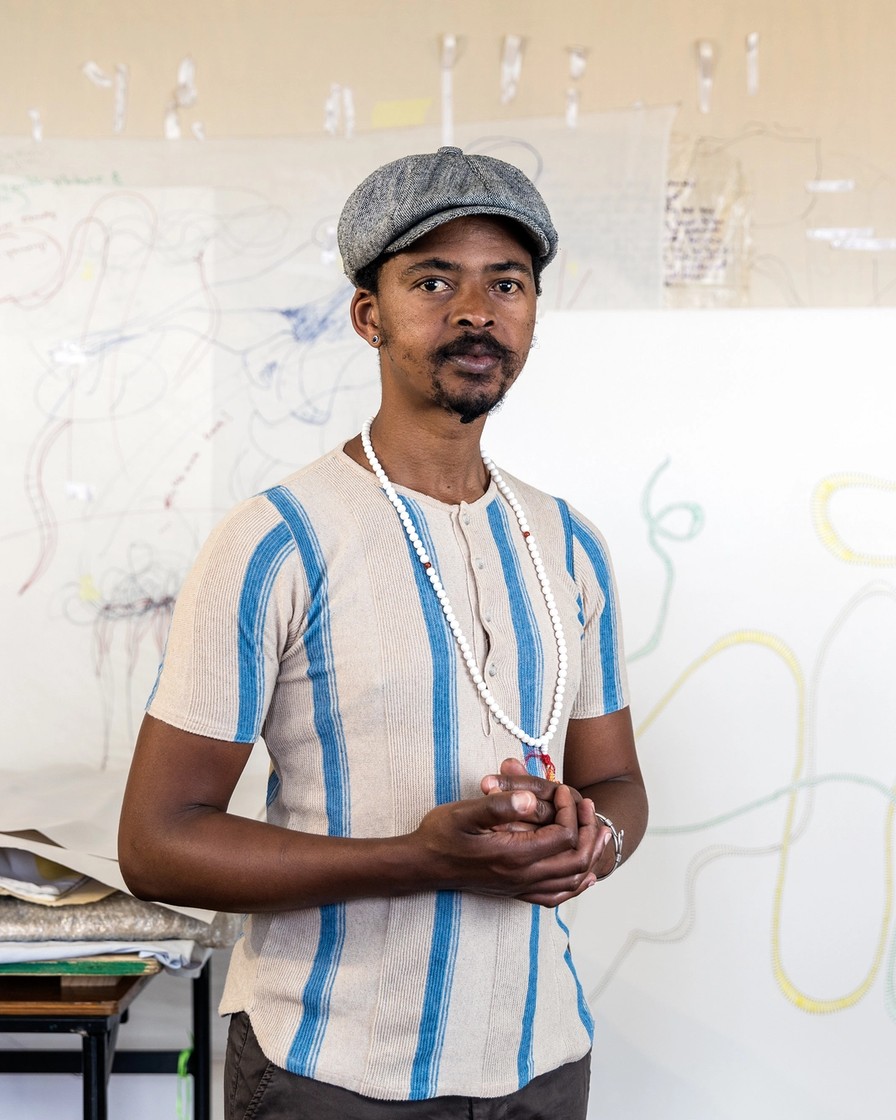
Portrait of Nicholas Hlobo

Nicholas Hlobo (b. 1975, Cape Town, South Africa; lives and works in Johannesburg, South Africa) began his career around the end of apartheid in 1994, when there was a new sense of freedom and national pride in South Africa. With the eradication of legalized and enforced discrimination and segregation, Hlobo and his peers were empowered to openly voice their opinions and ideas under the protection of new laws, and Hlobo’s subtle commentary on the democratic realities of his home country and concerns with the changing international discourse of art formed a foundational tenet of his practice.

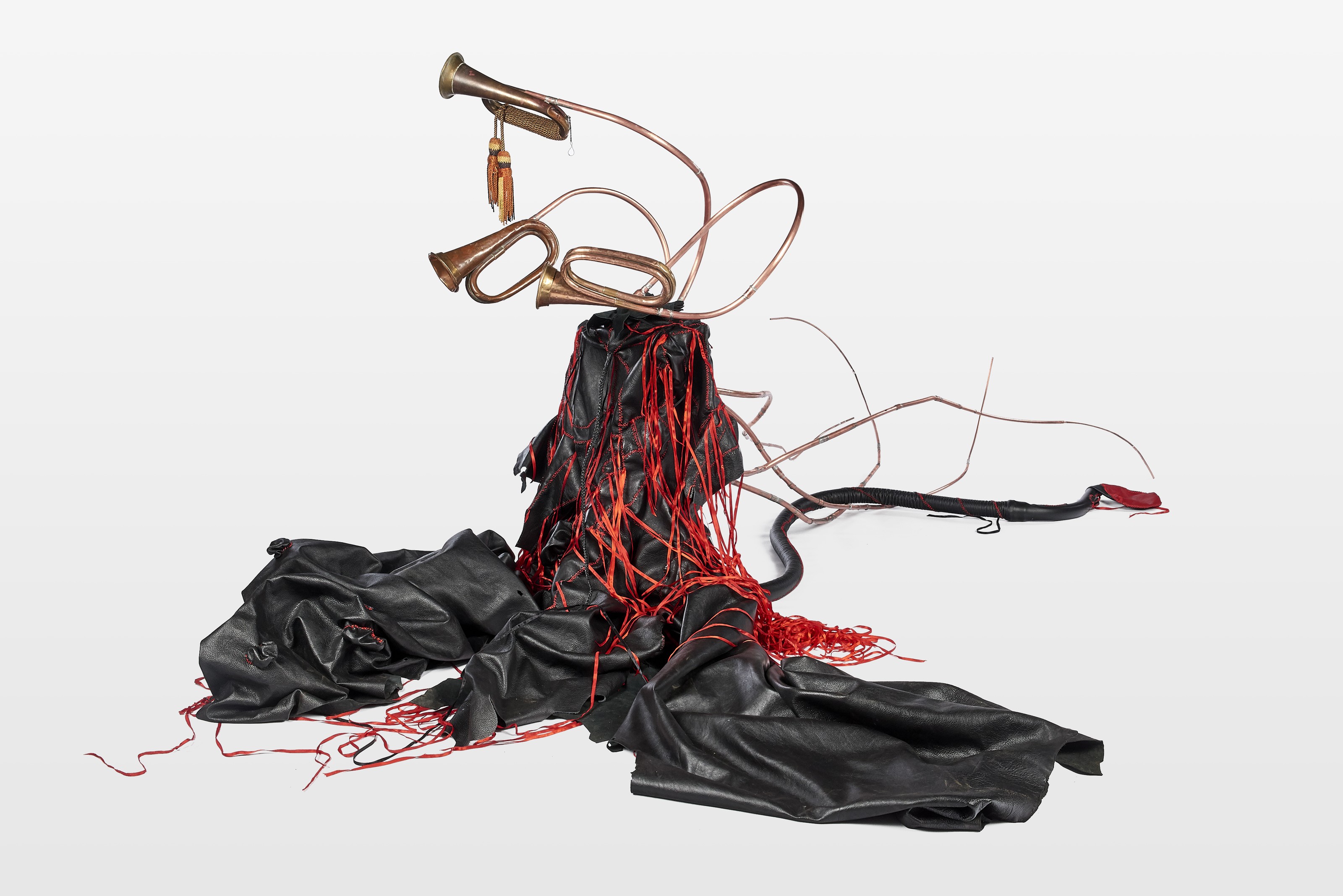
Hlobo uses metaphorically charged materials such as ribbon, leather, wood, and rubber detritus, which he melds and weaves together to create two- and three-dimensional hybrid objects that are intricate and seductively tactile. Each material holds a particular association with cultural, gendered, sexual, or ethnic identities, and the works form complex visual narratives that reflect the various dichotomies present within the artist’s home country, as well as those that exist around the world. The results are highly evocative, and the artist combines anthropomorphic imagery with cultural symbols and traditions to create amalgamated forms that feel at once familiar, alien, and ancient. At its core, Hlobo’s practice engages themes of self-discovery and explores the intersections of race, gender, and cultural and sexual identity within the context of his South African heritage.

작가 알아보기