본문으로 건너뛰기

Multiple Artists

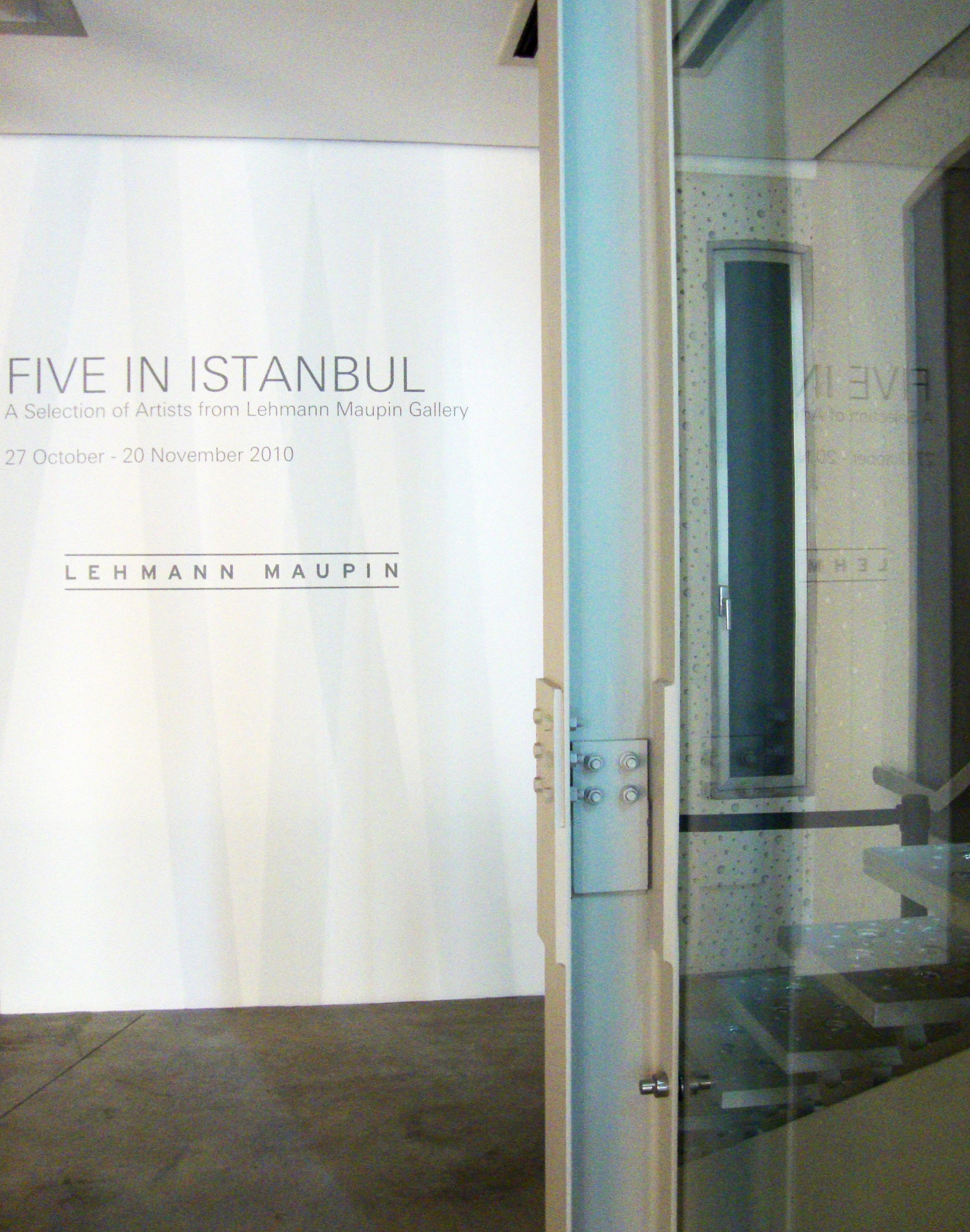
Five in Istanbul: A Selection of Artists from Lehmann Maupin Gallery

Beyoglu, Istanbul

10월 27일–2010년 11월 20일

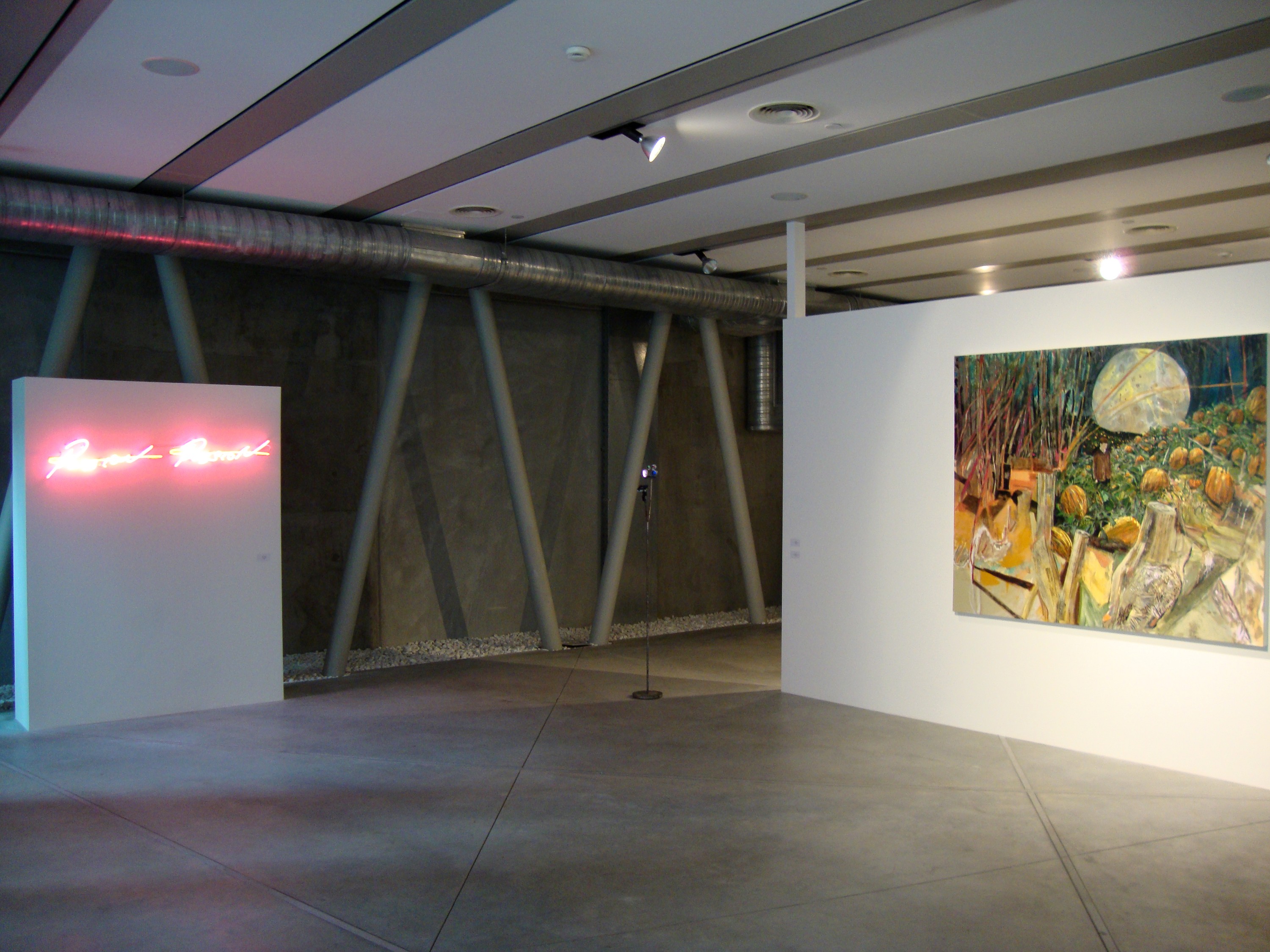
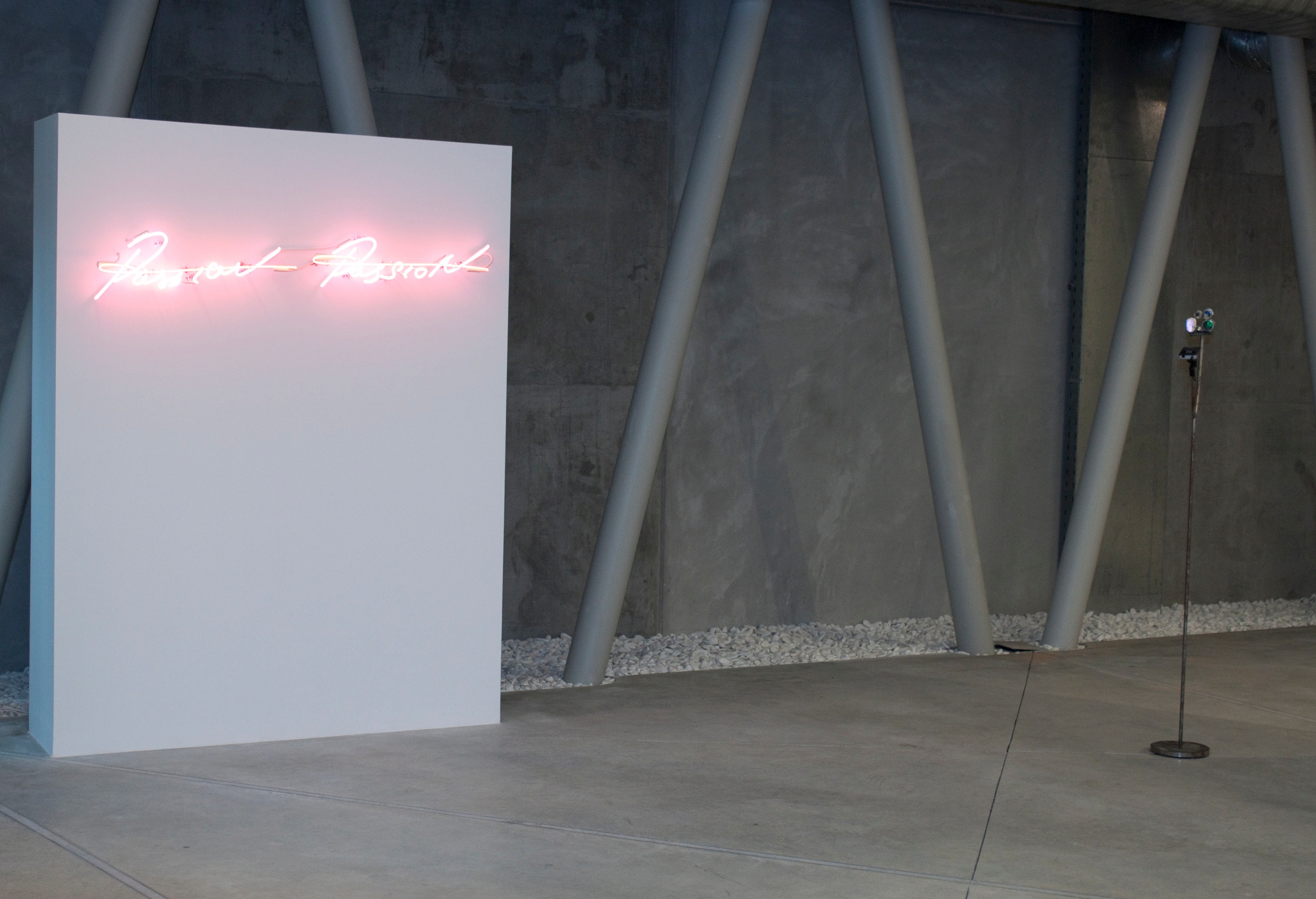
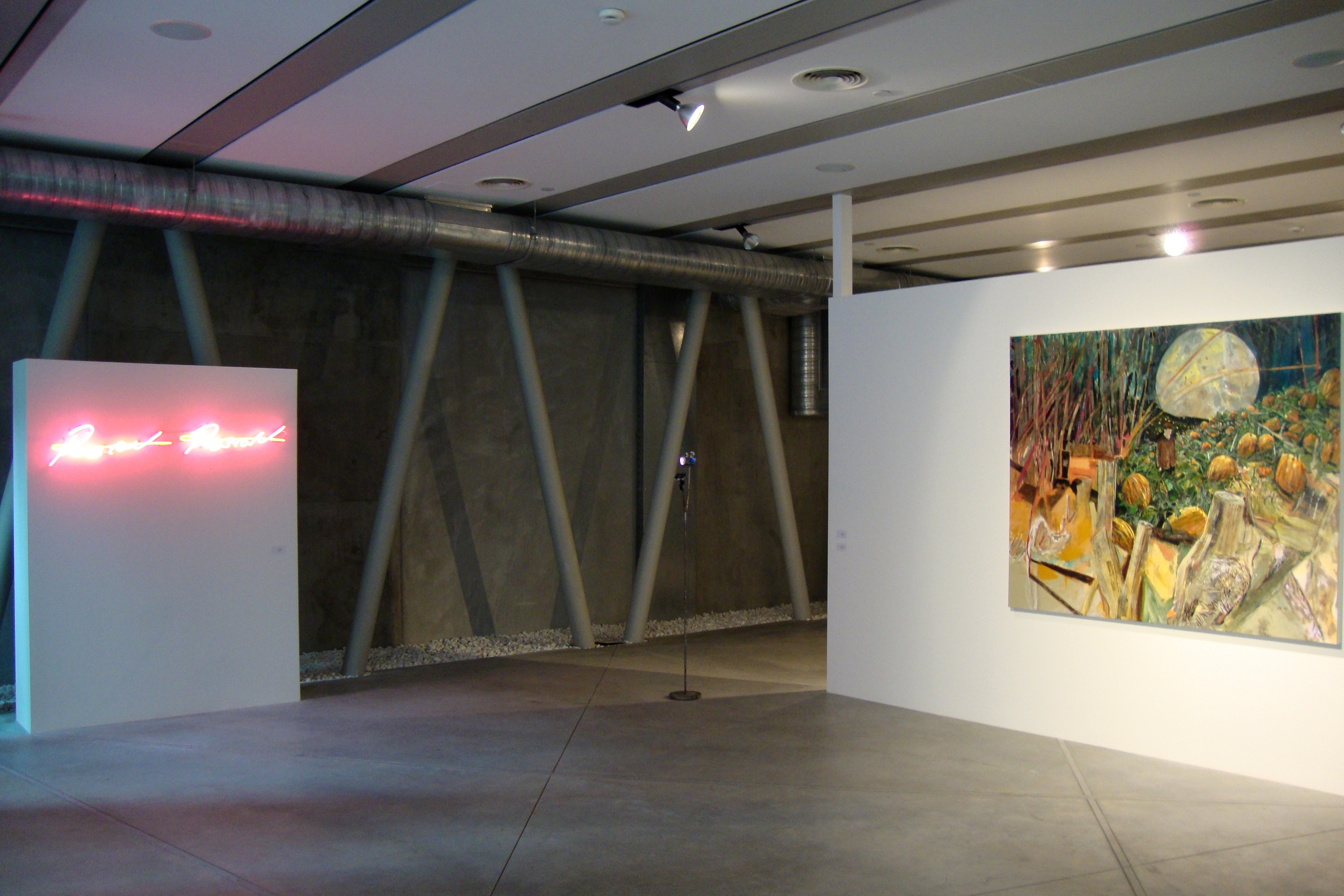
Installation view of Five in Istanbul at Borusan Müzik Evi

Istiklal Caddesi, Orhan Adli Apaydin, Sokak No: 1

Beyoglu, Istanbul

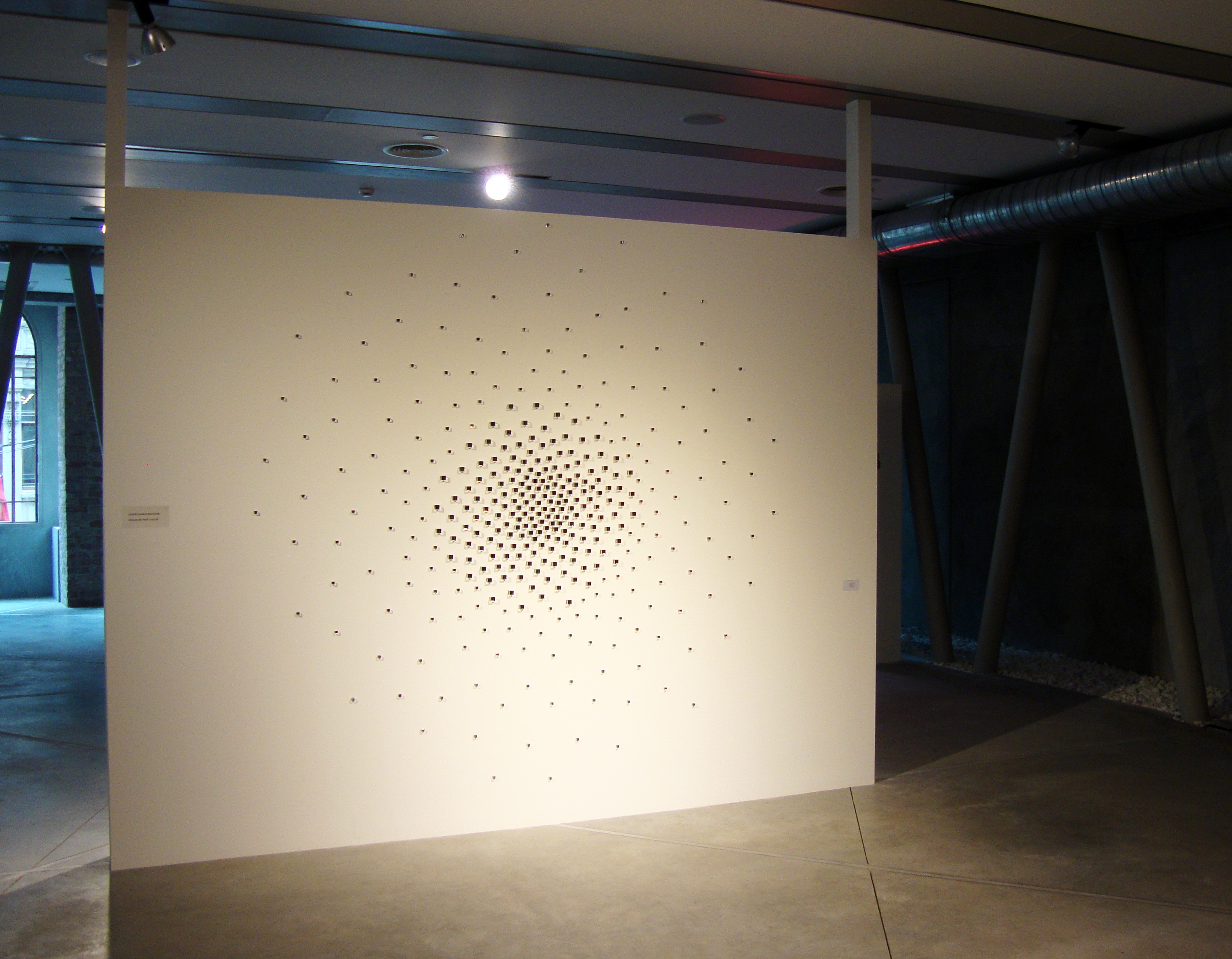
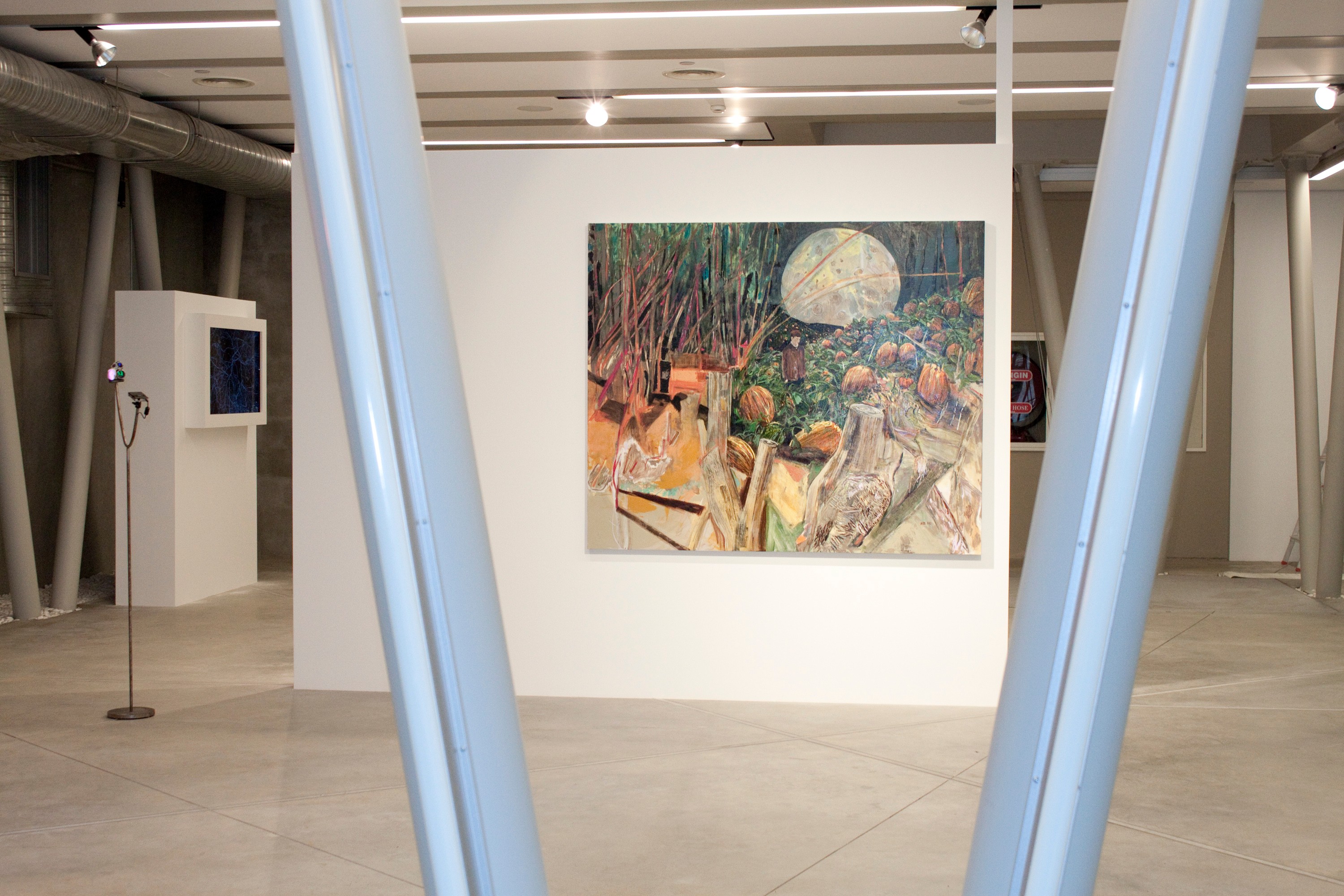
Lehmann Maupin is pleased to present Five in Istanbul: A Selection of Artists from Lehmann Maupin Gallery, on view at Borusan Müzik Evi in Istanbul, Turkey. Five in Istanbul, Lehmann Maupin’s debut exhibition in Turkey, curated by Isabella Icoz, will feature works by a selection of Lehmann Maupin's internationally acclaimed artists including Hernan Bas, Teresita Fernández, Tracey Emin, Tony Oursler, and Jennifer Steinkamp.

Installation view of Five in Istanbul at Borusan Müzik Evi
Installation Views
1 / 3:
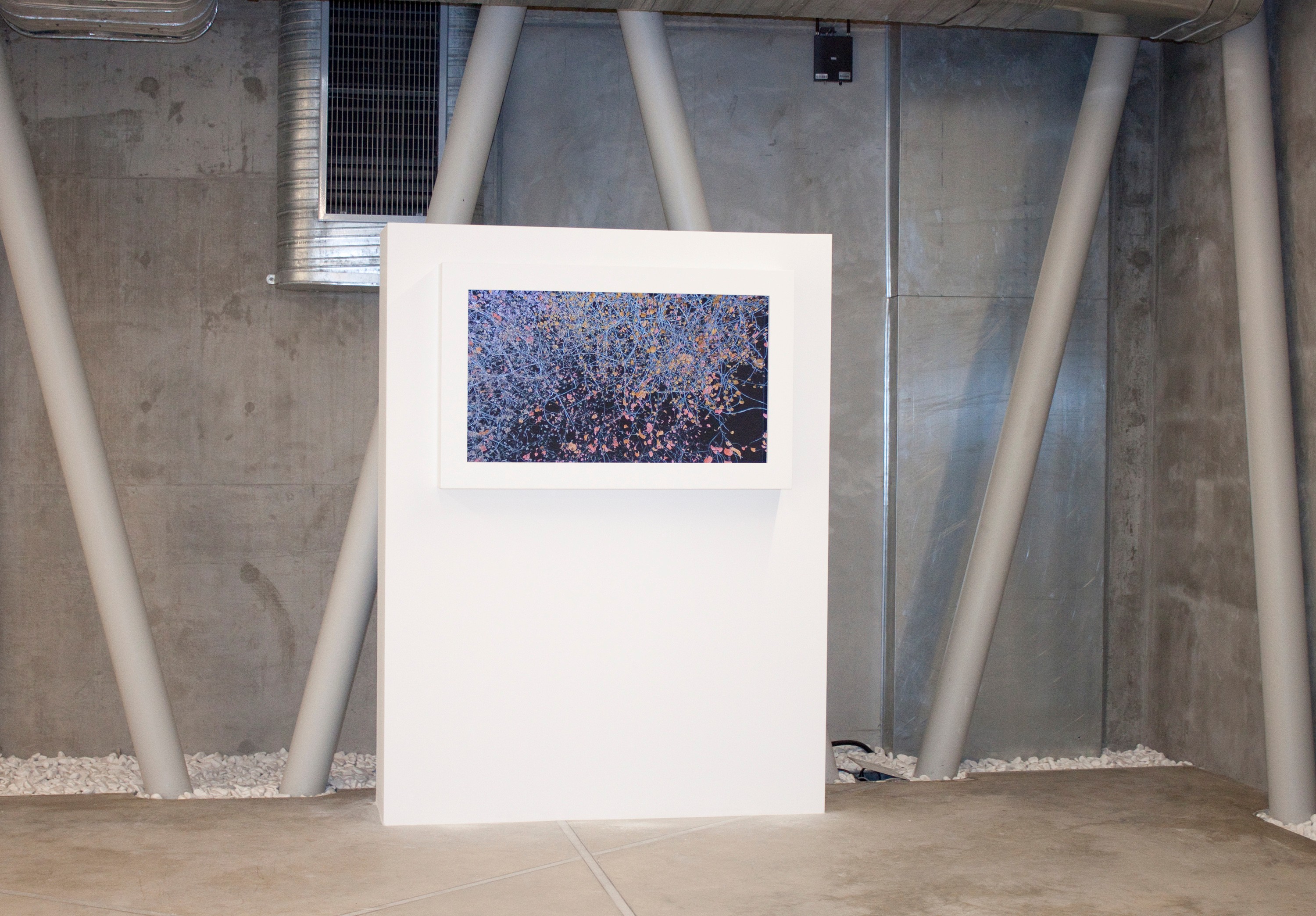
Installation view of Five in Istanbul at Borusan Müzik Evi
Installation Views
1 / 3:
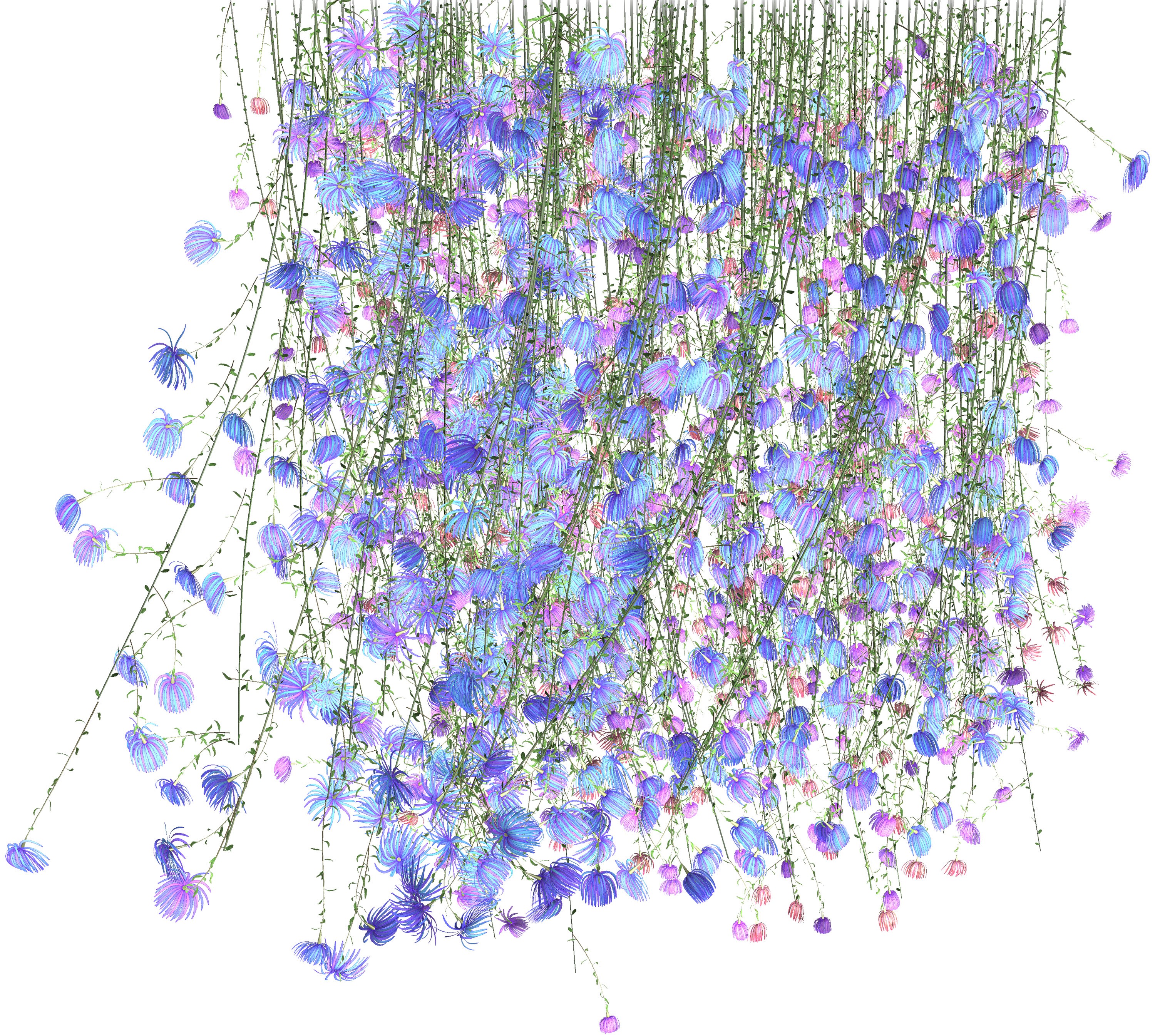
Video installation by Jennifer Steinkamp

제니퍼 스타인캠프

Rapunzel 1, 2005

Exhibition Artists

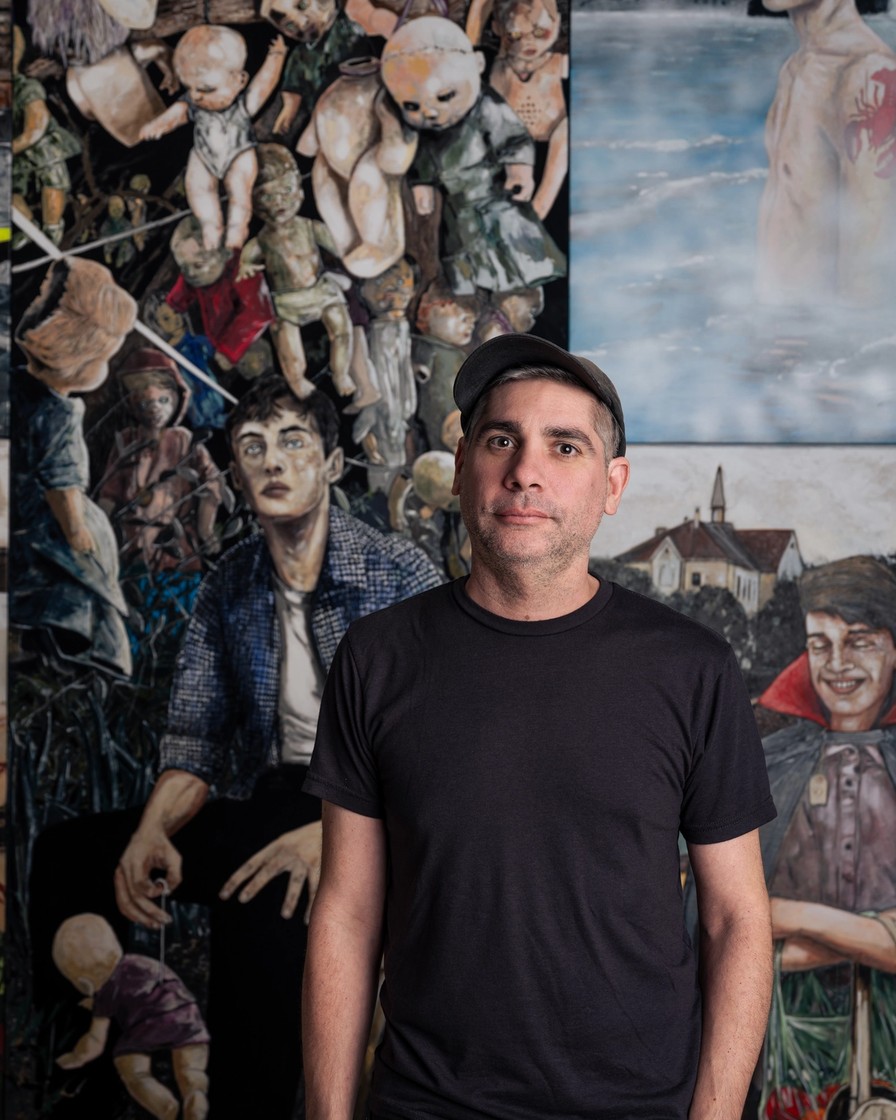
Portrait of Hernan Bas

1978년 플로리다주 마이애미에서 태어나 현재까지 거주하며 작업하고 있는 헤르난 바스는 회화, 종이 작업, 비디오, 설치 작업 등을 통해 청소년기의 모험을 고전 시, 종교 이야기, 신화, 초자연적인 요소, 문학과 엮어낸다. 바스의 초기 작품은 자연의 숭고미를 칭송한 18세기 낭만주의 시대와 더불어 허무주의, 회의주의, 감정의 과잉, 그리고 인위적 자극에 눈을 뜬 19세기 데카당스 운동에 영향을 받았으며, 대부분 청소년기 남성으로 그려지는 바스의 인물은 광활하게 펼쳐진 비일상적인 풍경 뒤에 숨어 깊은 사색에 잠겨 있다. 바스의 작업에 등장하는 인물과 장소는 점점 명확한 형태를 갖추어 그들이 사는 사회 문화적 맥락을 선명하게 드러내기 시작한다. 다양한 시대와 주제를 오가며 호기심, 욕망, 그리고 집착에 관해 탐구하는 바스는 보는 이로 하여금 스스로 질문하고 미묘한 지점을 발견할 수 있도록 관객을 초대한다.

바스의 작품 전반에 등장하는 젊은 남성 인물은 구체적인 외형을 지니고 있지만, 각각의 회화 작품을 포함한 그의 최근 작업은 성 소수자 운동, 욕망, 정치, 뉴스, 음모론, 그리고 오컬트처럼 구체적인 주제 또한 담고 있다. 미국의 하위문화, 그리고 고전 회화의 동시대 해석에 관해 독특한 시각을 견지하고 있는 이러한 작품은 관객으로 하여금 서로 동떨어져 보이는 과거와 현재의 비연속적 순간에서 연관성을 찾을 수 있도록 비판과 성찰의 장을 마련한다. 2019년 11월 리만머핀이 개최한 전시 《TIME LIFE》에서 바스는 그가 영감을 받은 TIME-LIFE의 도서 연작 《Mysteries of the Unknown》를 차용한다. 1987년부터 1991년까지 연재한 각각의 책은 유령, UFO, 초능력, 꿈과 같은 다양한 초자연적 주제에 초점을 두고 있다. 가상과 현실, 미와 추, 그리고 비범함과 평범함 사이의 경계를 탐색하면서 바스는 과거의 사이비 종교 현상을 통해 현재의 정치와 사회 문제에 통찰을 얻고자 한다.

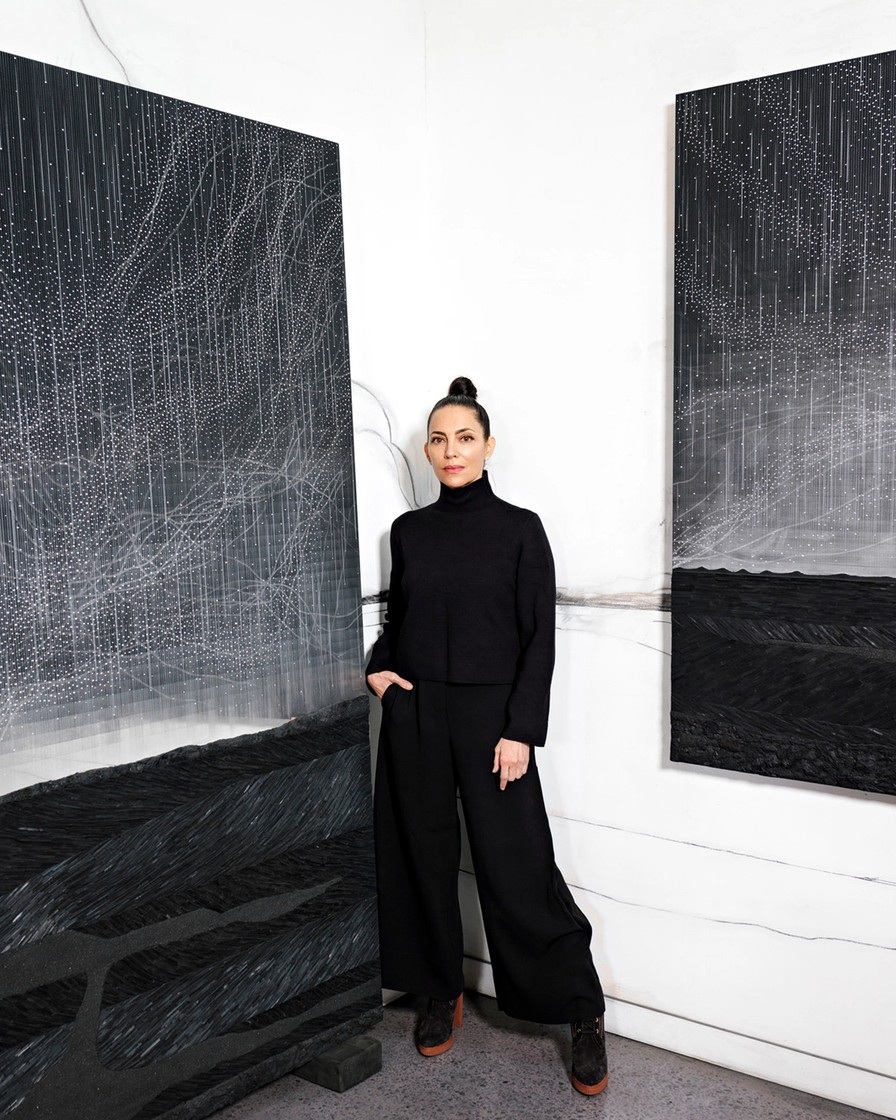
Portrait of Teresita Fernández

테레시타 페르난데스의 작품은 지하에서 우주, 국경, 그리고 인간이 내면에 간직하고 있는 이해하기 어려운 정신적 풍경에 이르기까지 다양한 풍경을 구성하는 요소를 광범위하게 재조명하는 것이 특징이다. 페르난데스는 물질, 인간, 장소 사이의 밀접한 관계를 풀어내고, 땅과 풍경에 대한 고정된 개념을 시적으로 도전하며 우리가 상상하고 정의하는 방식에 내재된 폭력과 식민지화의 역사를 작품으로 선보인다. 권력, 가시성, 삭제에 대한 질문은 페르난데스 작품의 중요한 주제이며, 그녀는 아름다움과 사회 정치적인 것, 친밀한 것, 거대한 것을 서로 얽히게 하는 미묘한 방식으로 이러한 주제에 맞서고 있다. 페르난데스는 풍경에 의인화된 감성을 불어넣으며 “당신은 풍경을 바라보지만, 그 풍경은 또한 당신을 돌아본다. 풍경은 당신이 보는 것보다 보이지 않는 것에 관한 것이다.”라고 말한다.

페르난데스는 맥아더 재단 펠로우이며 크리에이티브 캐피탈 어워드, 메리디안 문화 외교상, 구겐하임 펠로우십, 루이스 컴포트 티파니 비엔날레 어워드, 미국 로마 아카데미 펠로우십(AFAAR), 시각예술 분야 국립예술기금 개인 예술가 보조금 등 수많은 상을 수상했다. 2011년에는 버락 오바마 대통령에 의해 미국 미술위원회 위원으로 임명되었다. 그녀는 100년 역사의 연방 패널에서 활동하는 최초의 라틴계 여성으로, 디자인과 미학에 관한 국가적 사안에 대해 대통령과 의회에 자문을 제공한다. 2016년에는 포드 재단과 함께 미국 라틴계 예술의 미래 심포지엄을 기획하고, 감독하여 전국의 예술가와 큐레이터, 박물관 관장, 학자들이 모여 문화 기관 내에서의 가시성 방식을 논의하는 자리를 마련했다.

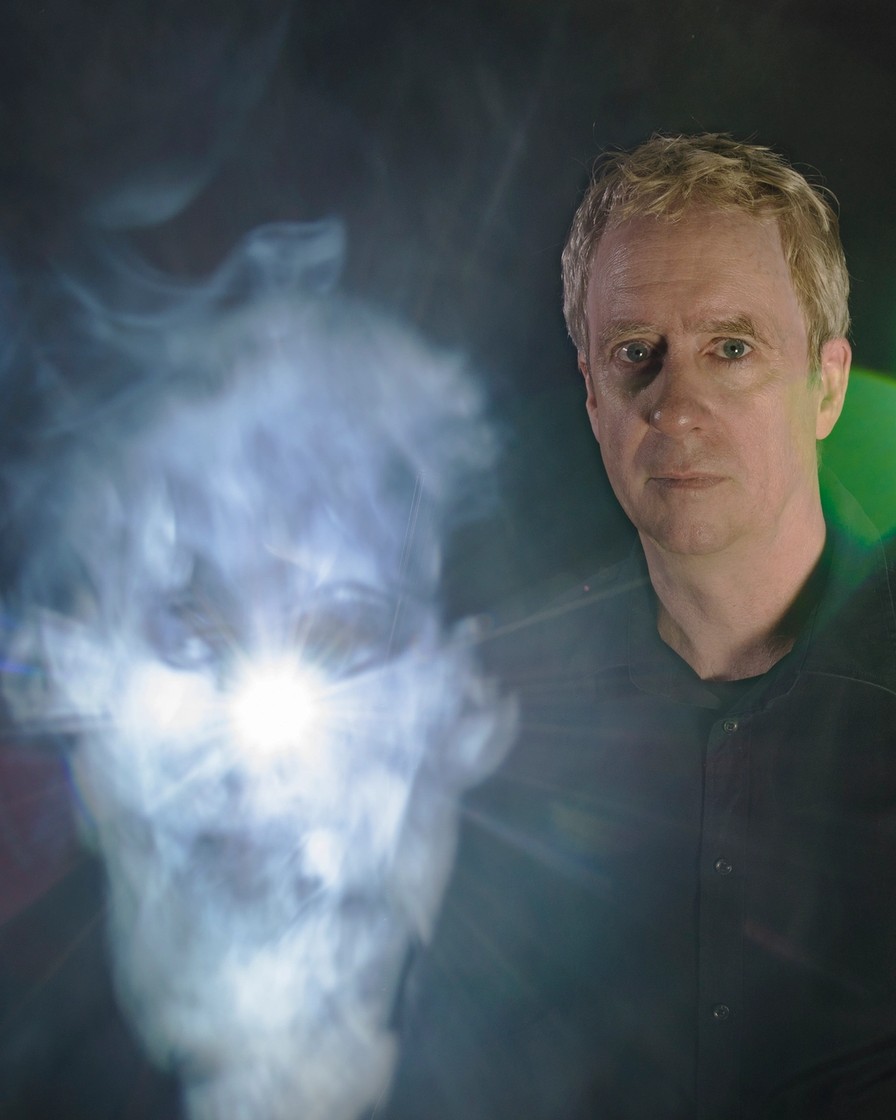
Portrait of Tony Oursler

Tony Oursler (b. 1957, New York, NY; lives and works in New York, NY) is best known for his innovative integration of video, sculpture, performance and installation. A pioneering figure in new media since the 1970s, Oursler has since explored diverse methods of exploring popular culture, historical and sub-cultural themes while incorporating the moving image into his practice, breaking video art out of the two-dimensional screen to create immersive environments with the use of light sound and projections. In 2000, Oursler began a series of large scale outdoor projection projects which incorporate landscape, water, smoke, trees, architecture, performative and sculptural elements; some are permanently installed. His sculptures, wall works and installations present a rich visual multimedia experience which often incorporates cultural references and information that seeks to actively engage the viewer. His artworks often employ poetics and humor to explore a wide range of subjects such as belief systems, facial recognition, superstition, conspiracy theories, UFOs and the role technology plays in altering, inhibiting, and expanding social behavior.

Oursler received a B.F.A. from the California Institute of the Arts in 1979. Solo exhibitions of his work have been organized at Kunst Museum Winterthur, Winterthur, Switzerland (forthcoming, 2025); Boca Raton Museum of Art, Boca Raton, FL (2024); SCAI PIRAMIDE, Tokyo, Japan (2024); Photo Elysée, Lausanne, Switzerland (2022); K11 Musea, Hong Kong (2021); Kunstraum Dornbirn, Dornbirn, Austria (2021); Kaohsiung Museum of Fine Arts, Kaohsiung City, Taiwan (2021); Musée d’Arts de Nantes, Nantes, France (2020); Nanging Eye Pedestrian Bridge, Nanjing, China (2019); Public Art Fund, New York, NY (2018); The Museum of Modern Art, New York, NY (2016); LUMA Foundation, Arles, France (2015); Stedelijk Museum, Amsterdam, the Netherlands (2014); Tate Modern, London, United Kingdom (2013); Museu de Arte Moderna, São Paulo, Brazil (2013); Pinchuk Art Centre, Kiev, Ukraine (2013); Art Sonje Center, Seoul, South Korea (2012); ARoS Aarhus Kunstmuseum, Aarhus, Denmark (2012); and Jeu de Paume, Paris, France, traveling to the DA2 Domus Artium, Salamanca, Spain, and the Kunstforeningen, Copenhagen, Denmark (2005), among numerous others.
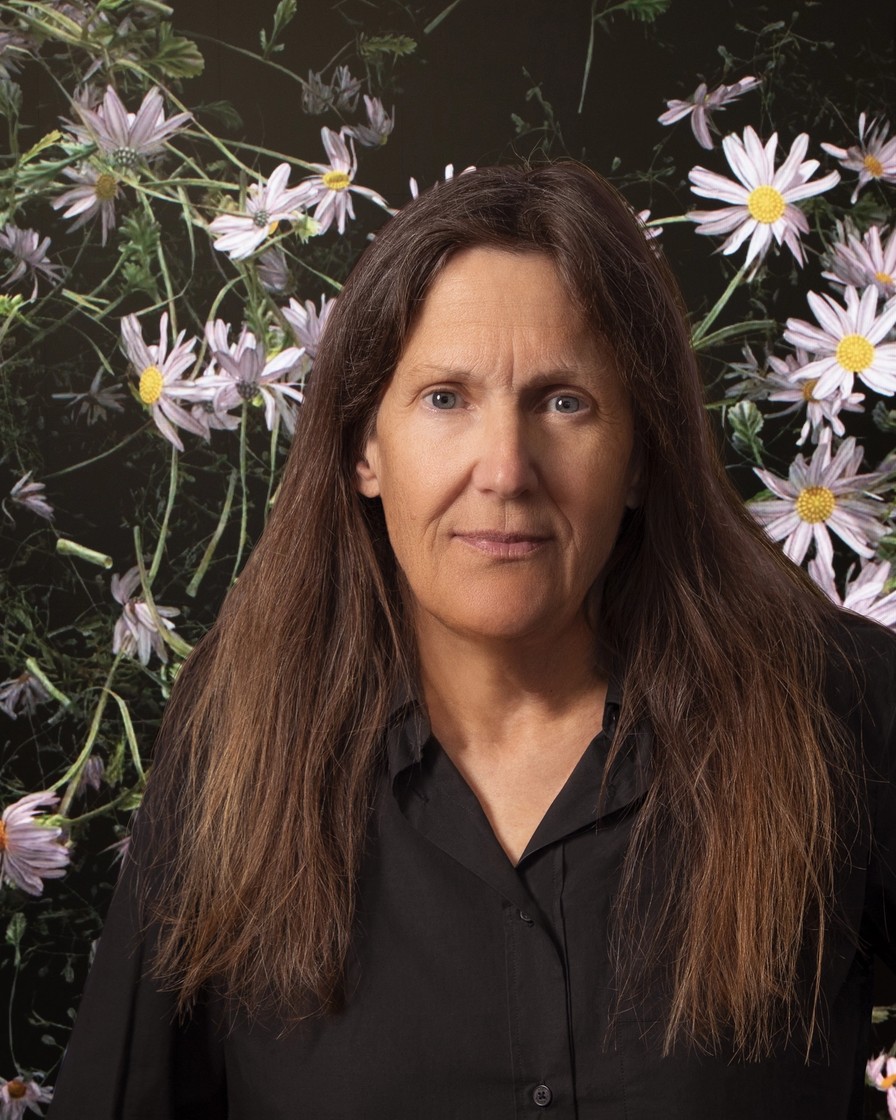
Portrait of Jennifer Steinkamp

Jennifer Steinkamp (b. 1958, Denver, CO; lives and works in Los Angeles, CA) is a pioneer in the field of 3-D animation. Working exclusively in digital media, she uses cutting-edge technology to render organic and abstract forms in motion to give deeper insight into the often-unseen complexities of the natural environment in relation to human perception. Her immersive installations are projected at a large scale in response to the architecture in which they appear and alter the viewer’s typical experience of an art object, inviting a more sensorial understanding of our relation to space and time. For each series, Steinkamp designs and digitally simulates the movement of organic and abstract forms such as trees, flowers, floating fabrics, asteroids, organisms, and fruit. Her work is an examination of the natural environment that engages with art historical genres such as 16th century Dutch still-life painting, science fiction, scientific illustrations and political subjects.

Steinkamp’s works are displayed as site-specific projections that amplify their architectural setting by blurring the boundary between real and illusionistic space. These animated environments often have underlying personal or historical significance. For example, with three of her tree animations, shown in every season, Steinkamp titles each as an homage to a former teacher, such as Miss Znerold, Judy Crook or Mike Kelley. Other series, like Still-Life, are a critical nod to the 16th century genre of Dutch and Flemish still-life painting that offered visual allegories about the fragility of life and the passage of time. Composed through the careful orientation of everyday objects such as food, flowers, dead animals, and plants, these historical works were often notable for their static quality and macabre representation of death. In Steinkamp’s re-imagination of the still life, she animates this genre through the representation of (female) fruit bearing plants that move and collide, she is fascinated by the incorporeal in nature and science. If anything, this is a consistent current in her artwork. There is so much more in the universe than what we sense and feel; She believes we are surrounded by sentience in all lifeforms. She uses the tangible invisible forces in air and the uncanny forms and motion of plants to communicate this.

Five in Istanbul: A Selection of Artists from Lehmann Maupin Gallery | Lehmann Maupin