본문으로 건너뛰기

칼리다 롤스

PAMM

Miami

2024년 6월 27일–2025년 2월 2일

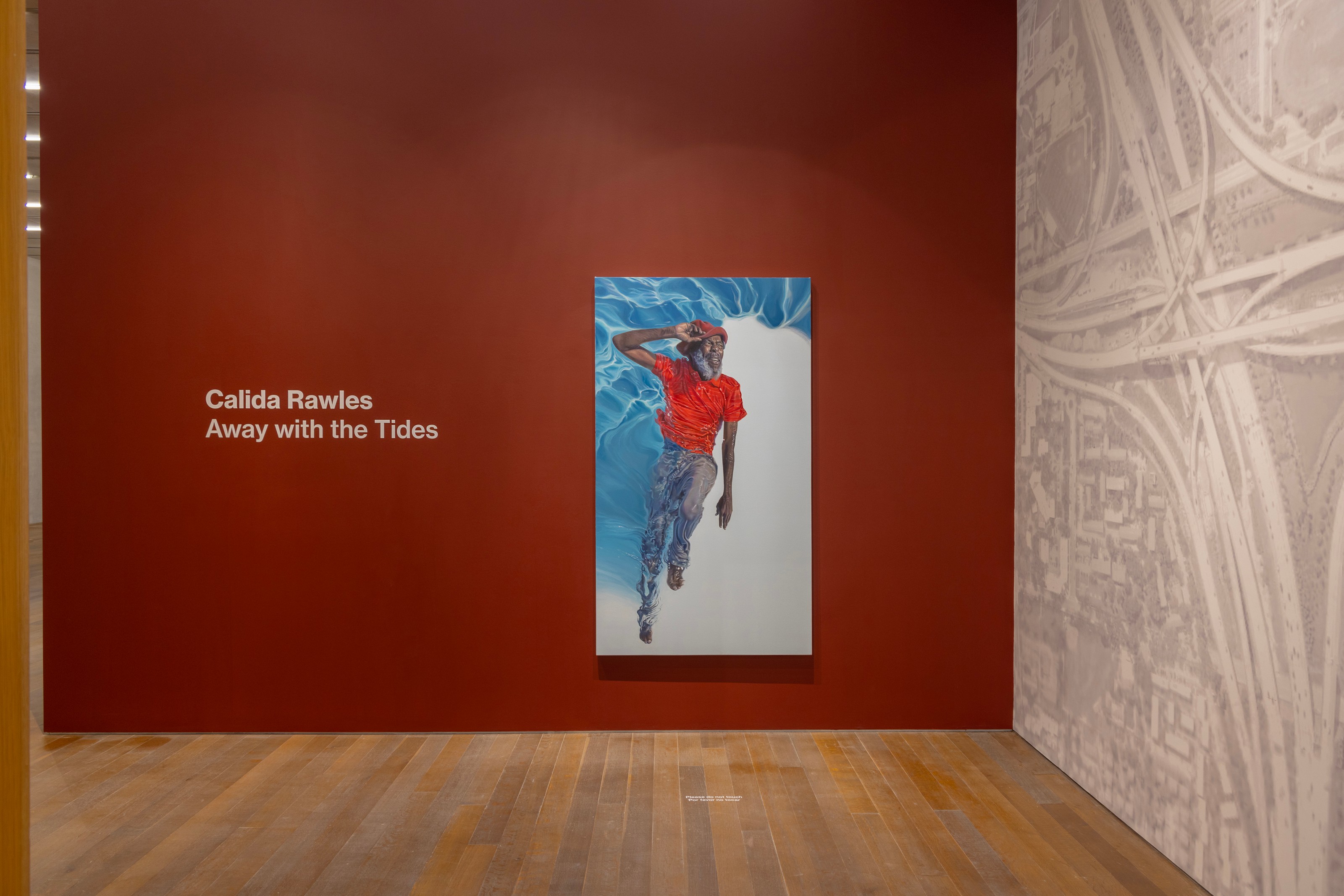
Calida Rawles: Away with the Tides

Miami, Florida

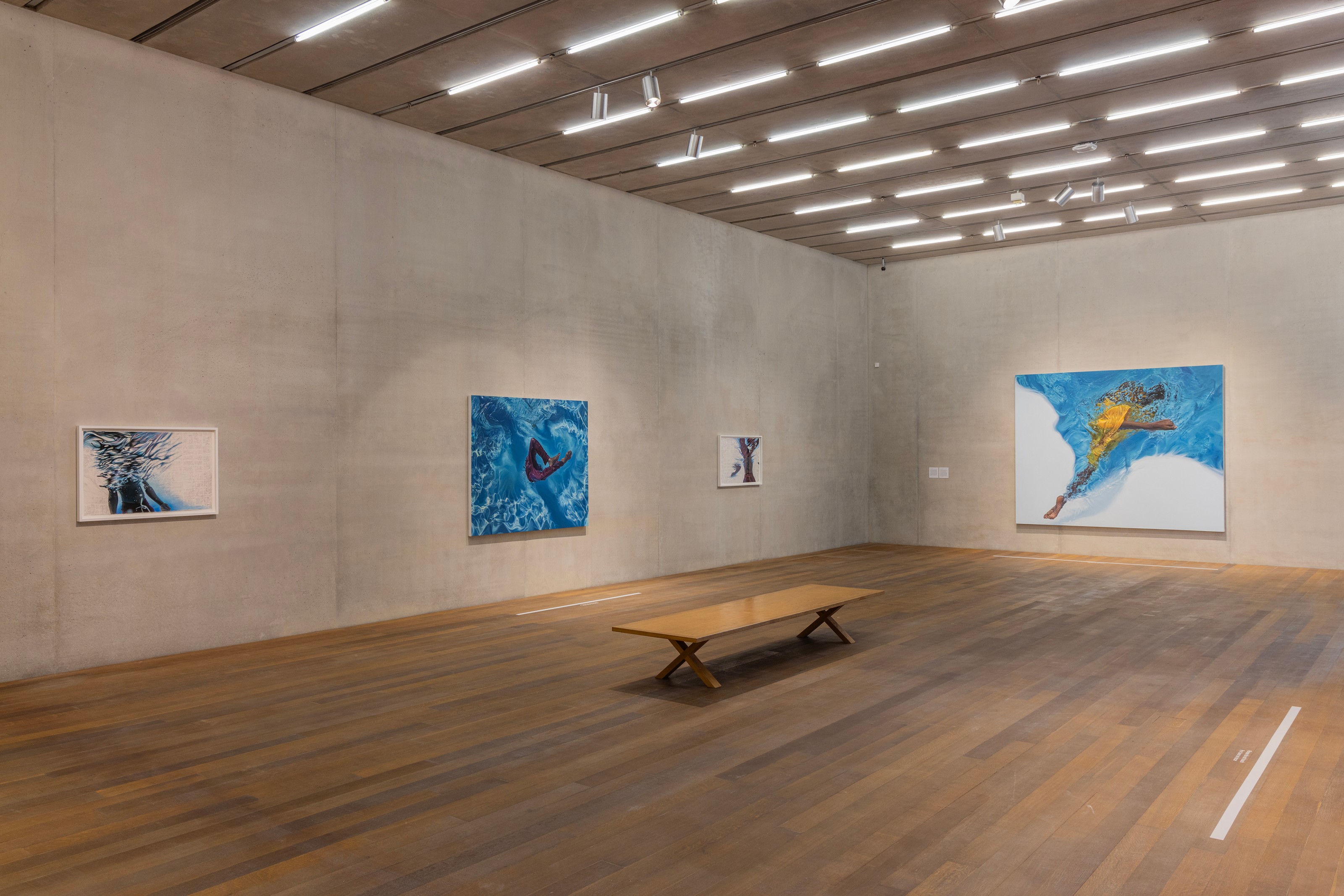
This is the Calida Rawles’ first museum solo exhibition, and will reflect aspects of Miami’s diverse communities, natural environments, and rich history.

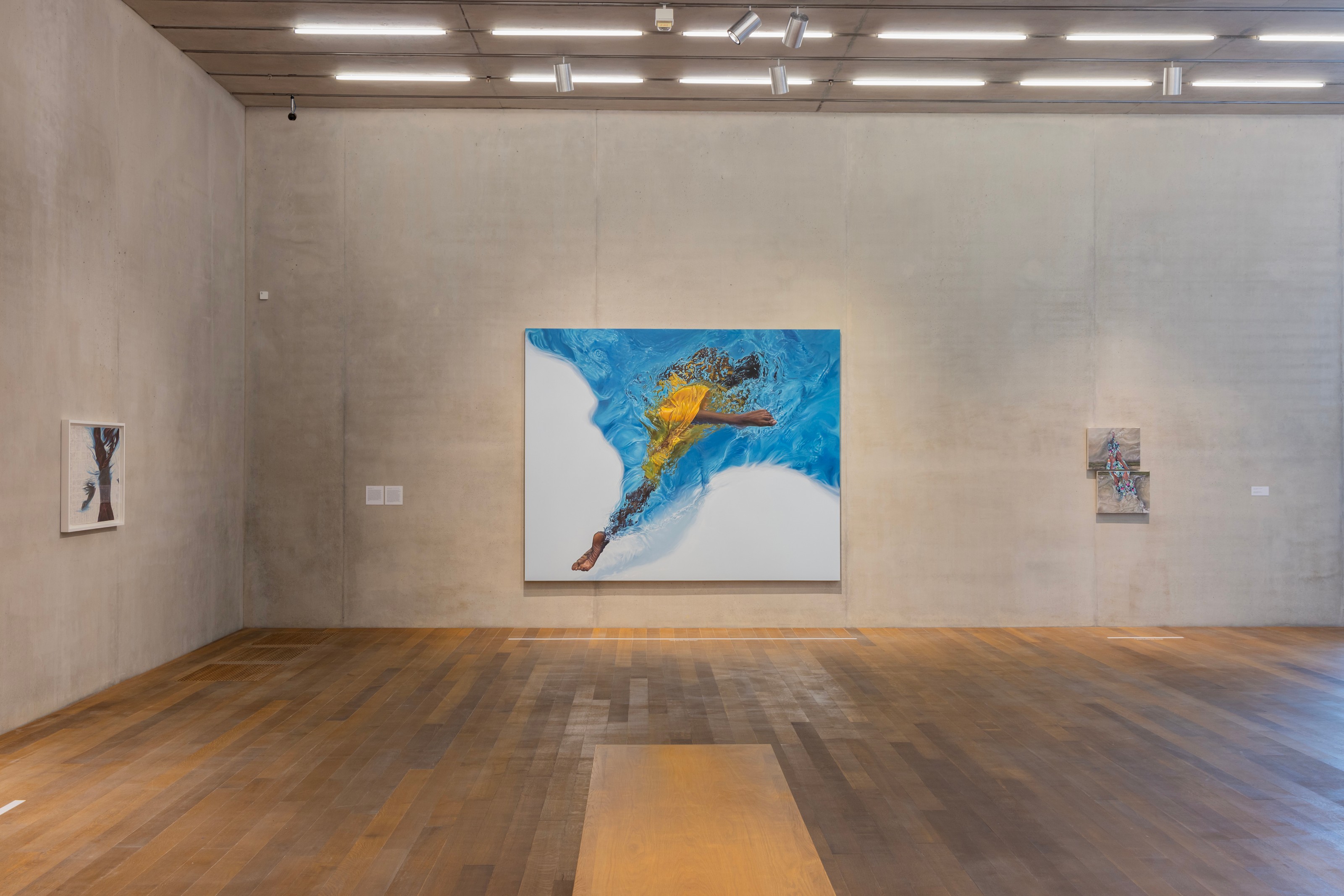
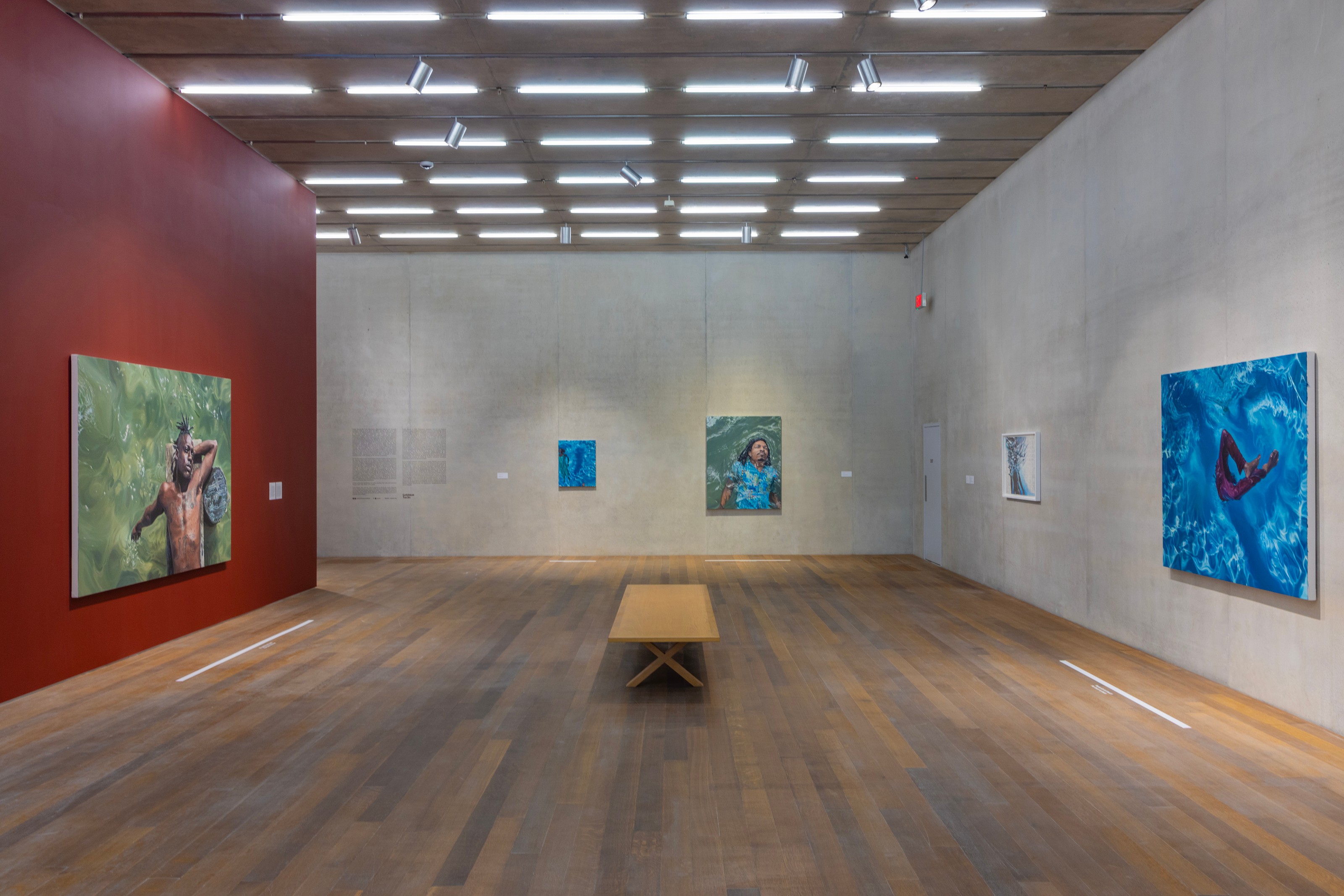
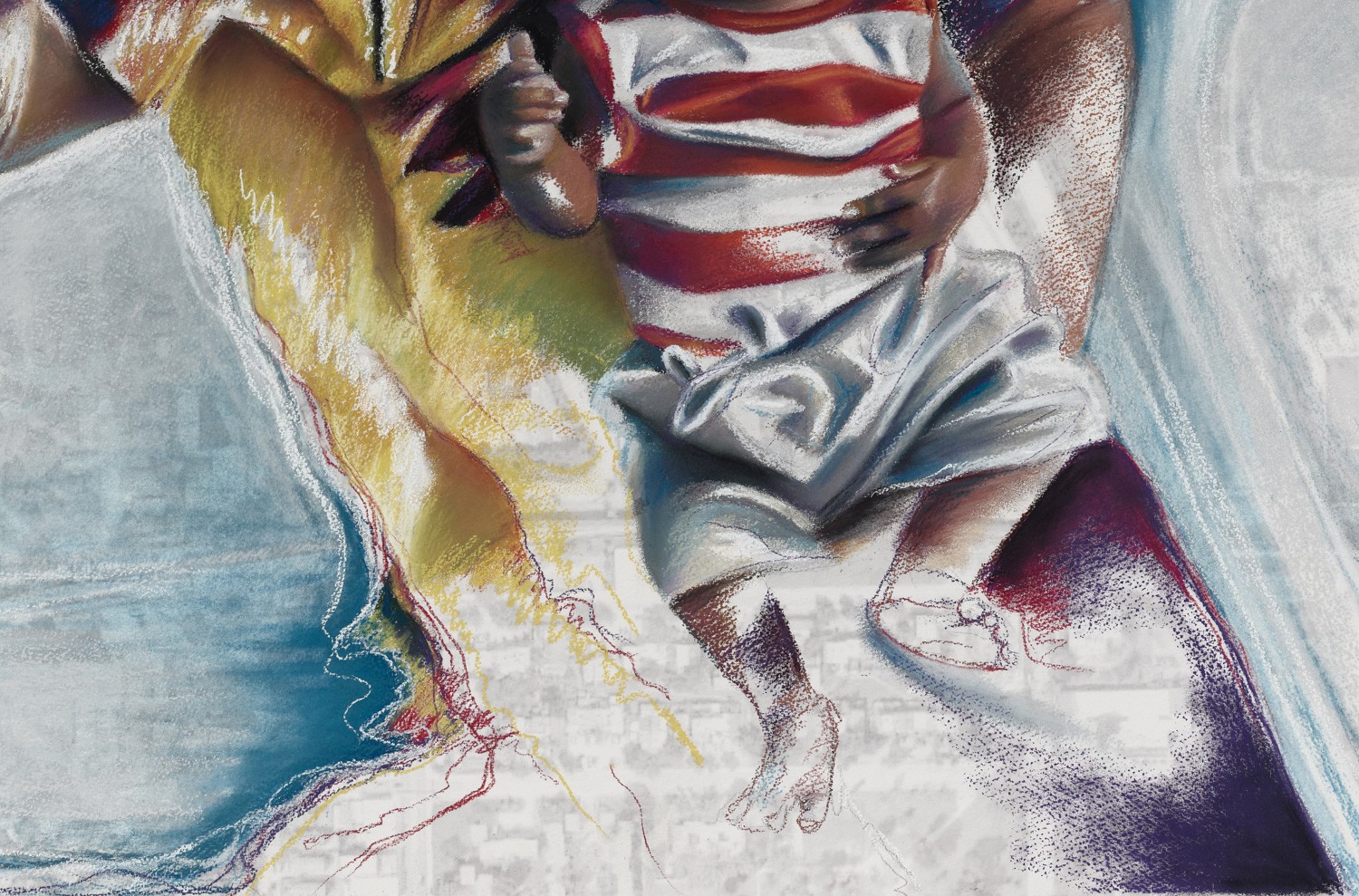
Rawles’ paintings blend hyperrealism with poetic abstraction, situating her subjects in dynamic spaces. Her recent work utilizes water as a vital, organic, and multifaceted element—as well as a historically charged space which concomitantly represents individual healing and racial exclusion.

Calida Rawles: Away with the Tides
Installation Views: 1 / 5
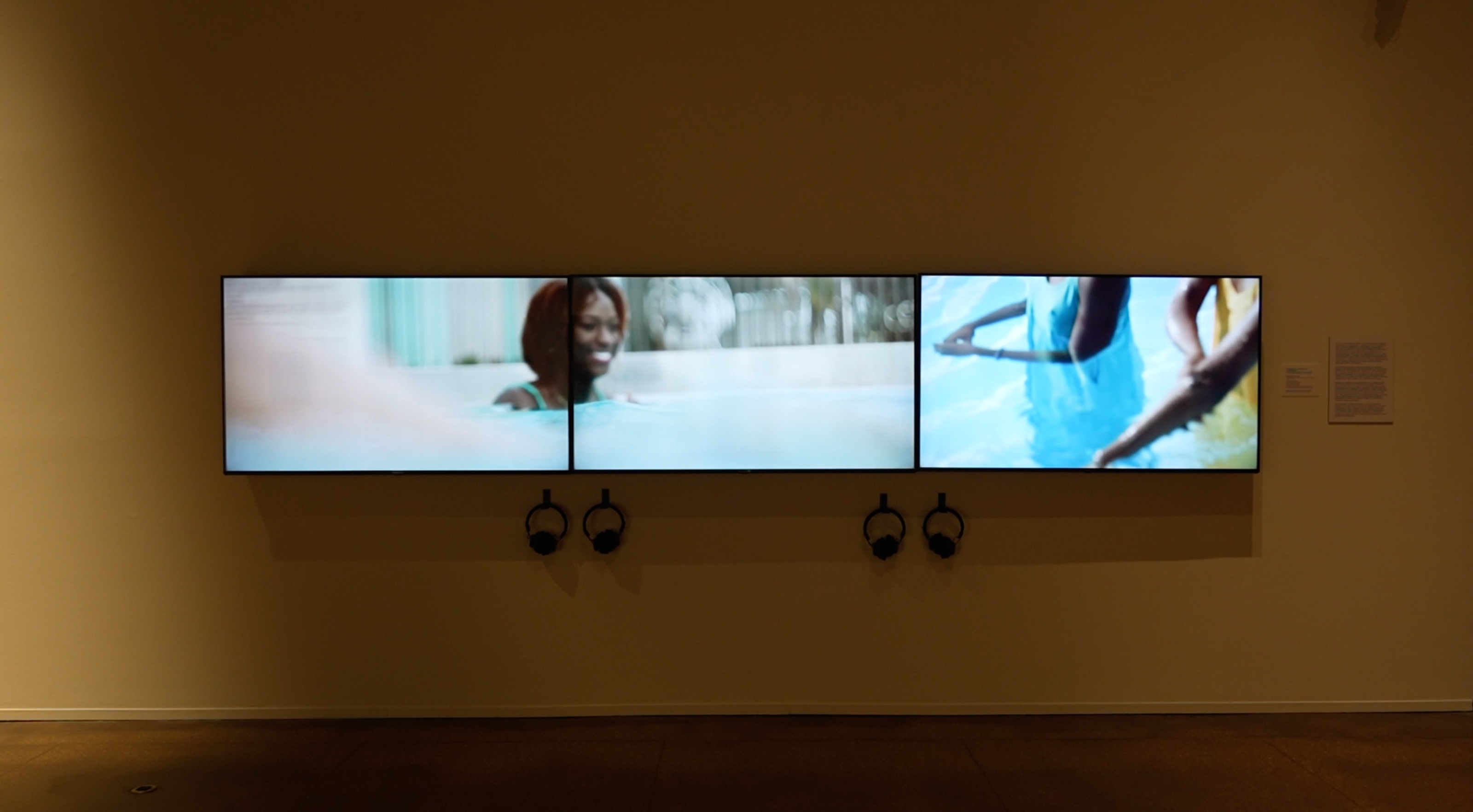
Video still by Calida Rawles

칼리다 롤스

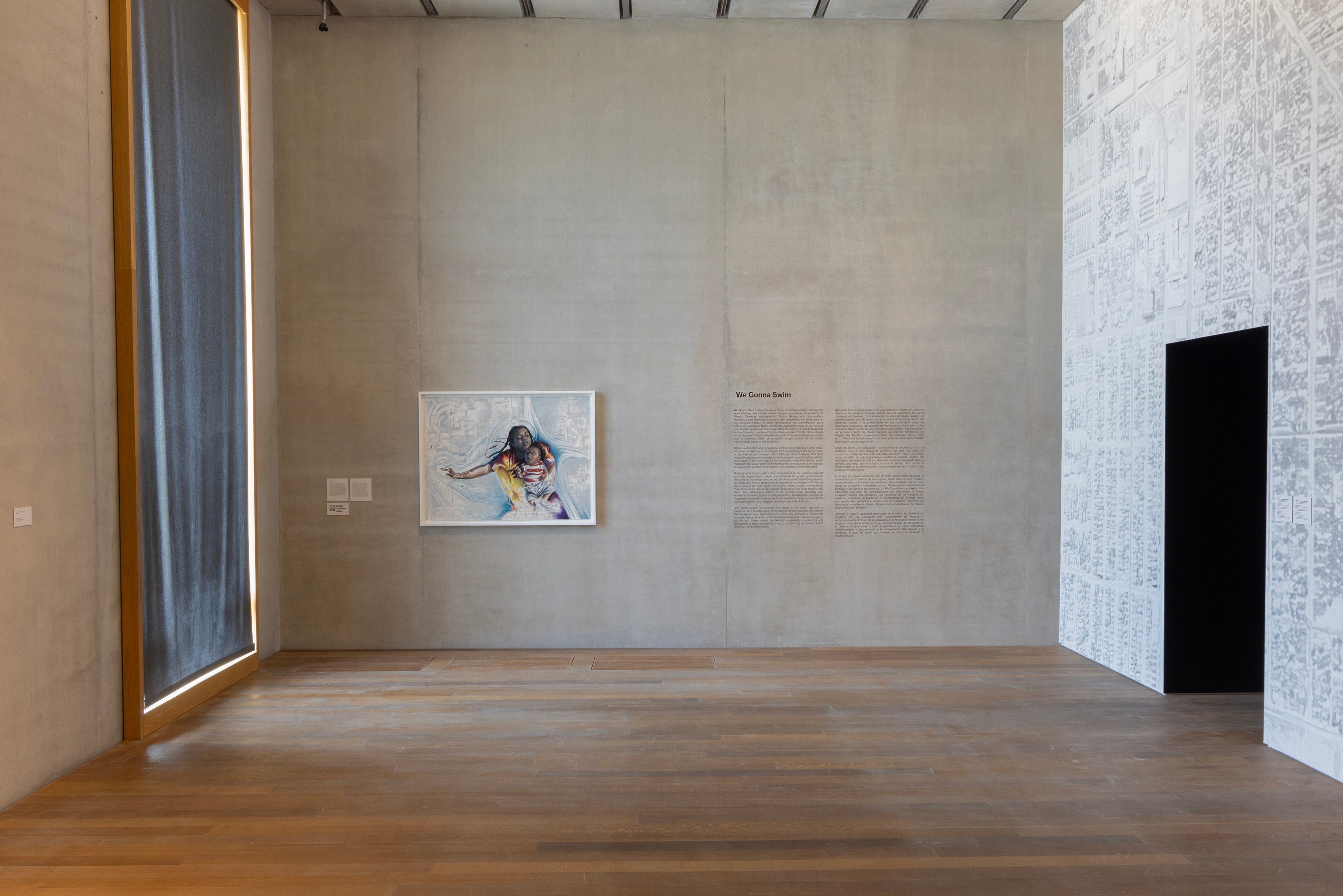
We Gonna Swim, 2024

“I am so inspired by the Overtown community’s resilience and strength. Through my work, I hope to shine new light on the beauty and untold stories of its residents. I’m immensely grateful to Franklin Sirmans and Maritza Lacayo for supporting my vision and giving me the opportunity to engage so meaningfully with this incredible community.” —Calida Rawles

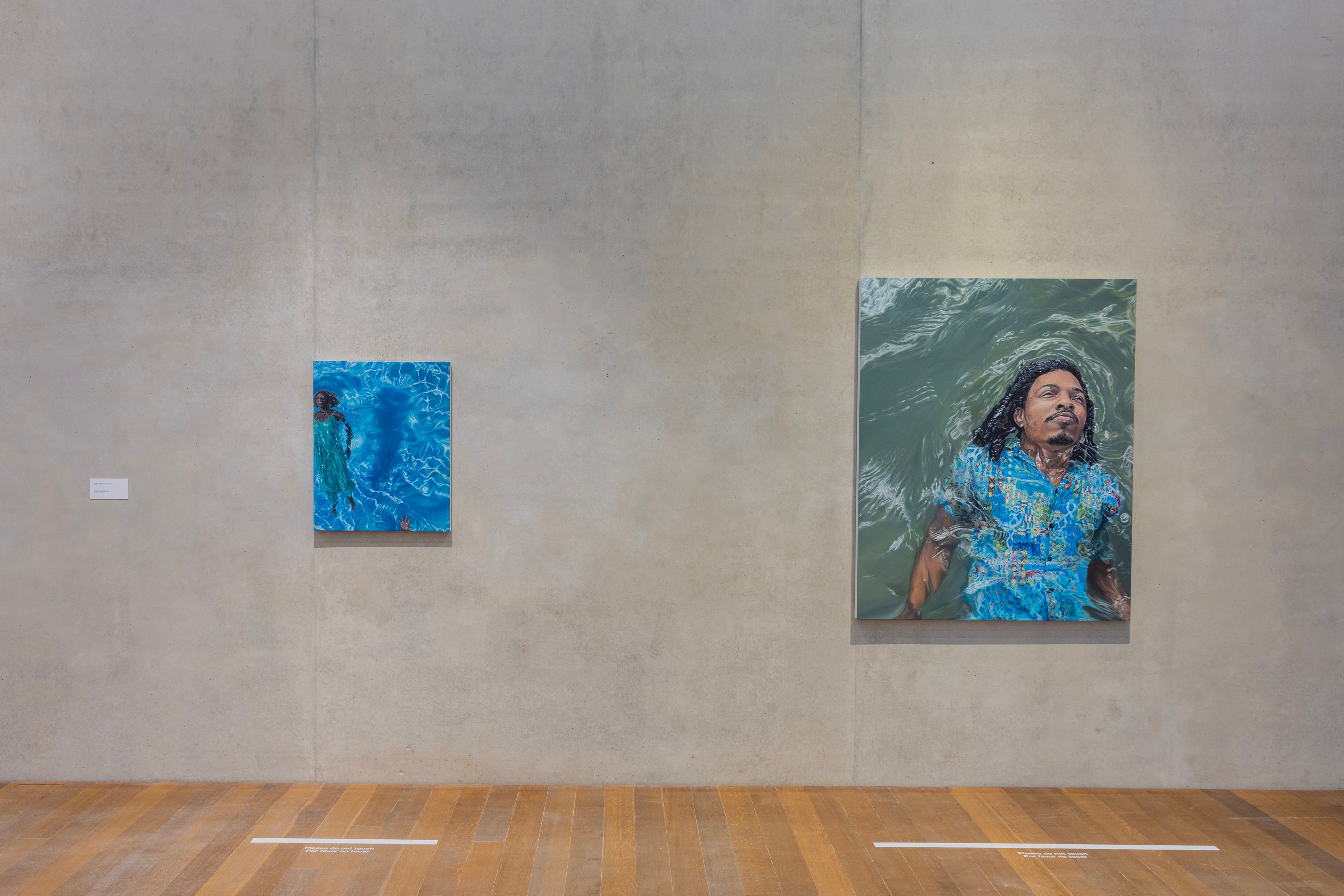
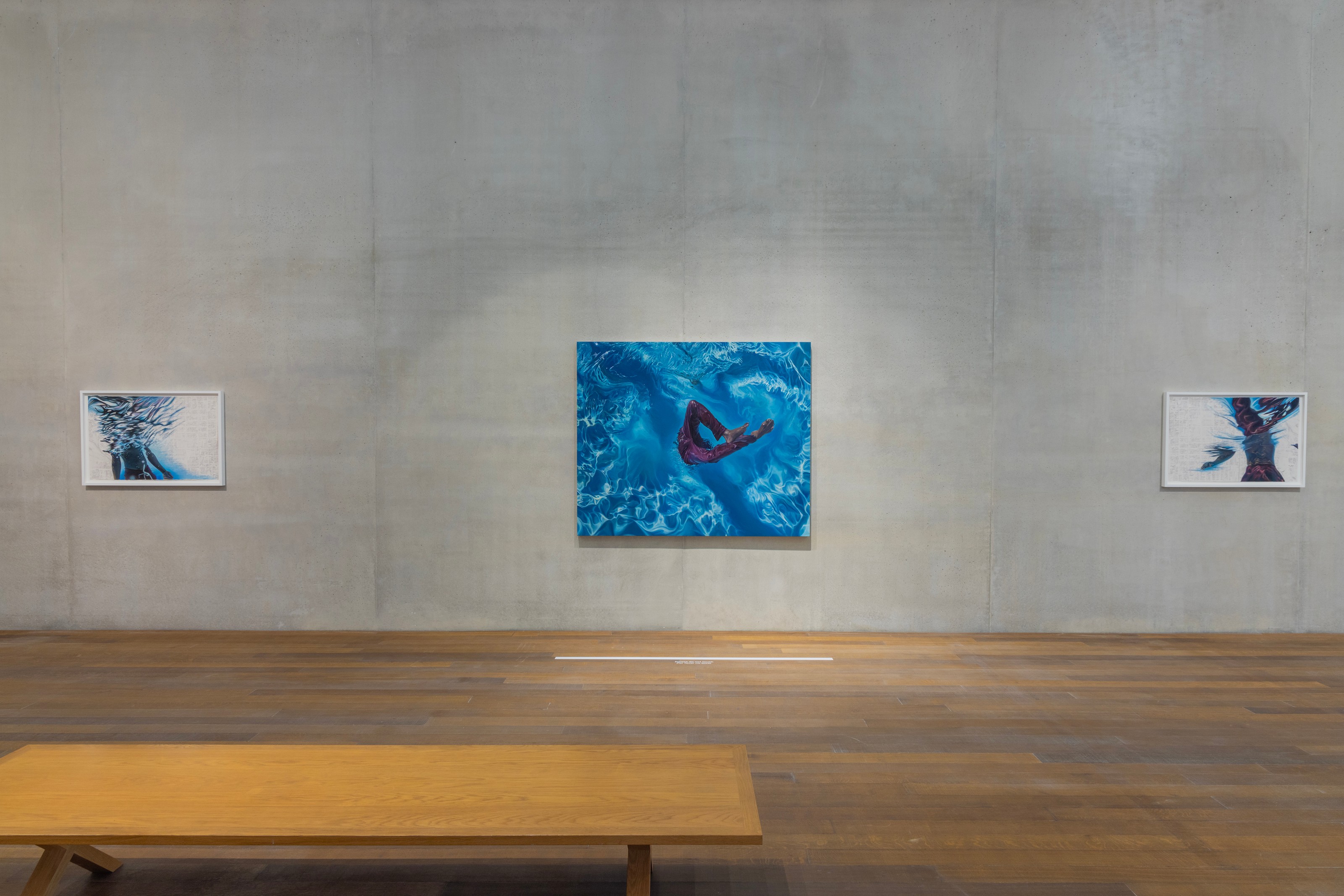
Calida Rawles: Away with the Tides
Installation Views: 1 / 4

The exhibition traveled to the Memphis Brooks Museum of Art in 2025, followed by the Cummer Museum of Art & Gardens in Jacksonville, Florida, and concluded its tour at the Spelman College Museum of Fine Art in Atlanta, Georgia, in 2026.

Calida Rawles, Hallowed Be Her Name, 2024

주요 언론 보도

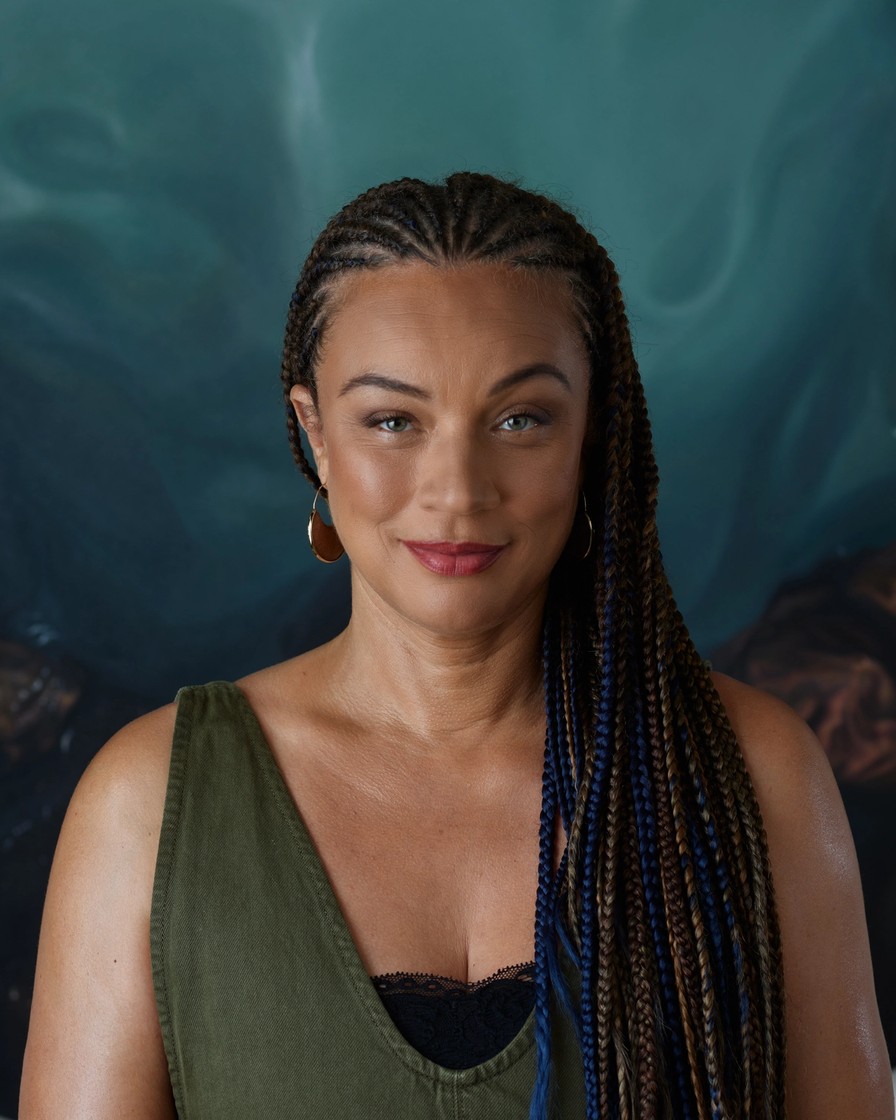
Portrait of Calida Rawles

Calida Rawles (b. 1976, Wilmington, DE) is known for paintings that merge hyper-realism with poetic abstraction. Situating Black subjects in dynamic, fluid spaces, Rawles employs water as a vital, multifaceted material and historically charged space through which questions of identity, memory, healing, and belonging come into focus.

At times buoyant and ebullient, at others submerged and mysterious, her subjects float within exquisitely rendered landscapes of bubbles, ripples, and refracted light. For Rawles, water holds a profound duality: it can signify physical and spiritual healing while evoking histories of trauma, racial exclusion, and displacement. Drawing from history, mythology, philosophy, and politics, she uses this complexity to reimagine Black subjects beyond racialized tropes and envisions new possibilities for healing. At times referencing specific geographic locations, Rawles uses place to bring attention to the histories and specific events embedded within them, while water’s ability to alter perception acts as the central force of her practice. A ripple may obscure a face while revealing something less immediately visible.

작가 알아보기